
Interior Design
Fluted & Reeded Glass: Texture Trends & Installation Tips for 2026
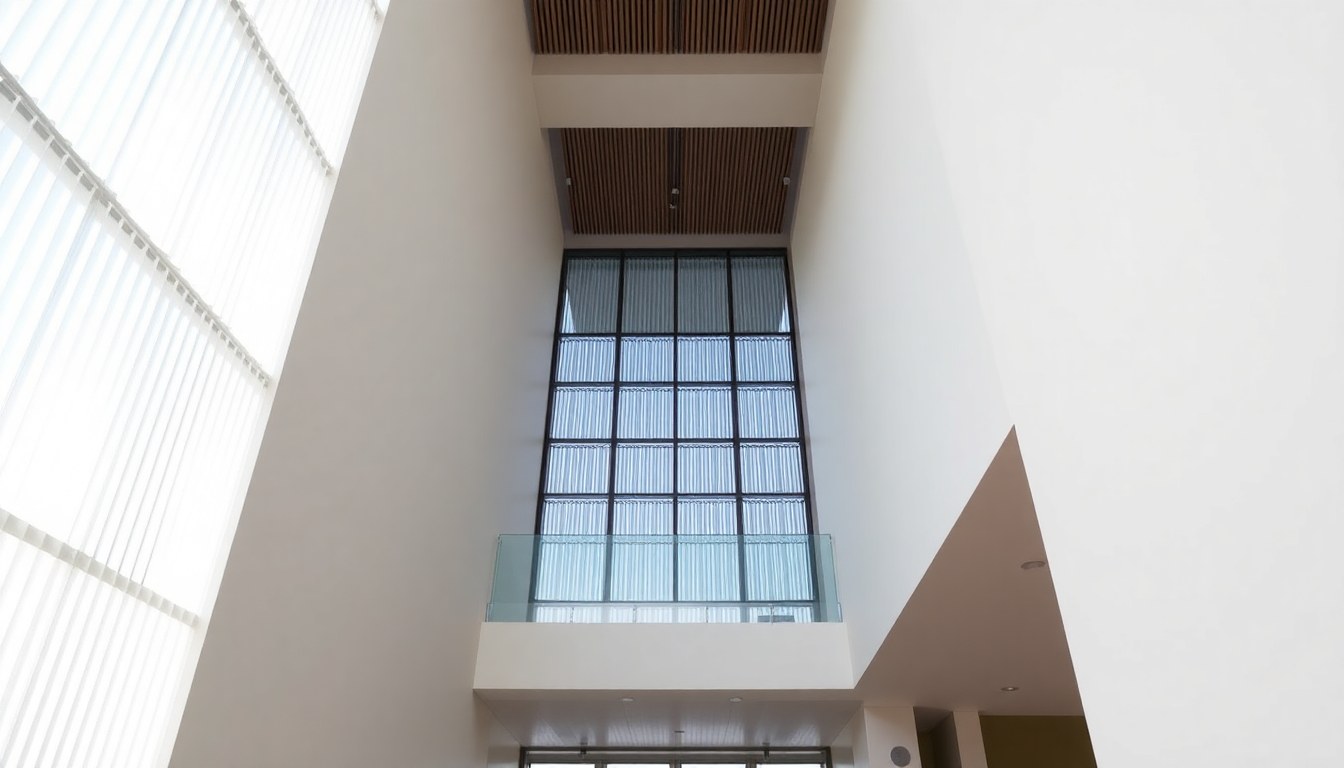
Fluted and reeded glass patterns are redefining how designers approach privacy, light control, and aesthetic appeal in contemporary Indian homes and commercial spaces. These textured finishes—characterized by parallel grooves or ridges—create visual depth while maintaining translucency, making them ideal for partition walls, cabinet doors, and bathroom enclosures. Whether you're renovating a Mumbai apartment or designing a Bangalore office, understanding the latest texture trends and installation best practices will help you make informed decisions that balance style, durability, and budget.
What Are Fluted and Reeded Glass Patterns?
Fluted glass features vertical or horizontal grooves pressed into the surface during manufacturing, creating a linear pattern that diffuses light while maintaining partial visibility. Reeded glass, often used interchangeably with fluted glass, refers to a similar pattern but typically with more pronounced, rounded ridges rather than sharp grooves. Both finishes are created by pressing molten glass against textured rollers or molds, resulting in a permanent, integral pattern that won't wear away over time.
The key distinction lies in the depth and profile of the grooves. Fluted patterns tend to have sharper, more defined lines, while reeded patterns feature softer, rounder ridges. Both are available in clear, tinted, and frosted base glass, allowing designers to layer aesthetic effects. In India's growing design market, these patterns have gained traction in premium residential projects across Delhi, Hyderabad, and Pune, where homeowners seek sophisticated alternatives to plain glass.
How Light Interacts with Textured Glass
The primary appeal of fluted and reeded glass lies in its light-diffusing properties. Unlike clear glass, which transmits light uniformly, textured glass scatters light rays across the grooves, creating a softer, more diffused illumination. This characteristic makes it especially valuable in spaces where glare reduction is important—such as home offices, bedrooms, and retail displays. The pattern also obscures direct sightlines while allowing ambient light to pass through, offering privacy without the complete opacity of frosted glass.
Design Applications & Trends for 2026
Fluted and reeded glass has moved beyond functional privacy screens to become a statement design element. In 2026, interior designers are incorporating these textures into feature walls, kitchen cabinetry, and room dividers that serve as both spatial organizers and visual anchors. The trend emphasizes vertical fluting in tall spaces and horizontal reeding in wider applications, playing with the viewer's perception of scale and proportion.
Residential Applications
- Partition Walls: Fluted glass partitions in open-plan homes create visual separation without blocking natural light, popular in Bangalore's tech-hub apartments.
- Kitchen Cabinet Doors: Reeded glass inserts in wooden or metal frames add texture while keeping contents visible but softened, a trend gaining momentum in Delhi's modern kitchens.
- Bathroom Enclosures: Fluted glass shower screens provide privacy while maintaining the illusion of openness, essential in compact urban bathrooms across Indian metros.
- Wardrobe Panels: Textured glass doors on built-in wardrobes diffuse light and reduce visual clutter in bedrooms.
- Window Treatments: Fluted glass panes in windows offer privacy from street-facing rooms without requiring curtains, a practical solution in dense urban areas.
Commercial & Hospitality Design
In commercial spaces, fluted and reeded glass is increasingly used in office partitions, retail displays, and hospitality settings. Hotels and restaurants in Mumbai and Bangalore are adopting these patterns to create sophisticated, modern interiors that feel upscale yet functional. The texture adds tactile interest to large glass surfaces, preventing the cold, clinical appearance of plain glass while maintaining the openness that contemporary commercial design demands.
Installation Challenges & Best Practices
While fluted and reeded glass offers aesthetic and functional benefits, installation requires careful planning and skilled labor. The texture can complicate sealing, framing, and cleaning, and improper installation may lead to moisture retention or dust accumulation in the grooves.
Common Installation Issues
- Moisture Trapping: Horizontal reeding can trap water if not properly sealed at edges, particularly problematic in bathroom applications. Ensure silicone sealants are applied generously and cured fully before exposure to moisture.
- Dust Accumulation: Deep grooves attract dust and require more frequent cleaning. Plan for maintenance access and use appropriate cleaning tools.
- Framing Complexity: Textured glass requires precision framing to prevent light leakage at edges. Work with manufacturers who provide detailed installation guidelines specific to the pattern depth.
- Thermal Expansion: Ensure adequate allowance for glass expansion and contraction, especially in south-facing applications in Indian climates.
- Weight Distribution: Some textured patterns may be slightly heavier than plain glass due to manufacturing processes; verify structural support before installation.
Professional Installation Tips
Hire installers experienced with textured glass; their familiarity with groove profiles ensures proper sealing and alignment. Use high-quality silicone sealants rated for glass applications and follow the manufacturer's cure time recommendations. For bathroom and wet-area applications, consider using structural glazing systems that minimize exposed edges where moisture could infiltrate. Always request a site visit and detailed measurement before fabrication to avoid costly errors.
Cost Comparison: Fluted Glass vs. Frosted & Clear Alternatives
Pricing for fluted and reeded glass varies based on pattern depth, base glass type, thickness, and customization. In India, costs typically range from ₹800 to ₹2,500 per square meter for standard fluted patterns, depending on location and supplier. Frosted glass, which offers similar privacy benefits, generally costs ₹600 to ₹1,500 per square meter, making it a more budget-friendly alternative. However, fluted and reeded patterns offer superior aesthetic appeal and light diffusion that many designers consider worth the premium.
Cost Breakdown by Application
- Partition Walls: ₹1,200–₹2,000/sq m (fluted) vs. ₹800–₹1,200/sq m (frosted)
- Cabinet Doors: ₹1,500–₹2,500/sq m (custom reeded) vs. ₹1,000–₹1,800/sq m (standard frosted)
- Shower Enclosures: ₹1,800–₹2,800/sq m (structural fluted) vs. ₹1,200–₹2,000/sq m (frosted with framing)
- Window Panes: ₹900–₹1,800/sq m (fluted) vs. ₹700–₹1,400/sq m (clear or frosted)
Installation costs add ₹400–₹800 per square meter for fluted glass due to precision requirements, while frosted glass installation typically runs ₹200–₹500 per square meter. When budgeting, factor in long-term maintenance; textured glass requires professional cleaning every 2–3 months in high-traffic areas, adding approximately ₹50–₹150 per session depending on surface area.
Maintenance & Longevity
Fluted and reeded glass is durable and scratch-resistant, with a lifespan matching standard tempered glass (25+ years). However, the textured surface demands more frequent cleaning to prevent dust and debris accumulation. Use soft microfiber cloths and pH-neutral glass cleaners; avoid abrasive scrubbers that could damage the pattern's definition. For bathroom applications, squeegee the glass after each use to minimize water spots and mineral deposits in the grooves.
In India's humid climates, particularly in coastal cities like Mumbai and Goa, monitor sealed edges for any signs of moisture infiltration. Reapply silicone sealants every 5–7 years or as recommended by your installer. Textured glass also resists fingerprints better than clear glass, a practical advantage in high-traffic commercial spaces and kitchens.
Choosing the Right Pattern: Design Considerations
Selecting between fluted and reeded glass—and determining pattern orientation and depth—depends on your space's function, lighting, and aesthetic goals. Vertical fluting elongates spaces and suits tall partition walls or narrow corridors. Horizontal reeding works well in wider applications like kitchen cabinets or feature walls, creating a sense of calm and stability. Deeper patterns offer greater privacy but require more meticulous installation and maintenance.
Consider the base glass type as well. Clear fluted glass maintains transparency while adding texture, ideal for spaces where you want to preserve views while diffusing light. Tinted fluted glass (bronze, grey, or green) adds warmth and sophistication, popular in premium residential projects. Frosted fluted glass combines privacy and texture, though it diffuses more light than clear fluted alternatives, making it suitable for spaces where ambient light is less critical.
Frequently Asked Questions
Is fluted glass suitable for bathrooms and wet areas?
Yes, fluted glass is excellent for bathrooms when properly installed. Use tempered or toughened fluted glass rated for wet environments, ensure all edges are sealed with high-quality silicone, and choose a structural glazing system that minimizes water infiltration. Horizontal reeding patterns in bathrooms should be carefully sealed to prevent moisture trapping. Regular maintenance—squegeeing after showers and periodic professional cleaning—will extend the lifespan and maintain appearance.
How does fluted glass compare to frosted glass for privacy?
Both offer privacy, but differently. Frosted glass provides complete opacity—you cannot see through it at all. Fluted glass is translucent; while it obscures direct details and movement, some light and silhouettes pass through. If you need absolute privacy (such as in a bathroom or changing room), frosted glass is more effective. If you prefer privacy with ambient light transmission and a more sophisticated aesthetic, fluted glass is superior. Frosted glass is also generally more affordable.
What's the difference between fluted and reeded glass?
Fluted glass has sharper, more defined grooves, while reeded glass features softer, rounder ridges. Both create similar visual and functional effects—light diffusion, privacy, and texture. The choice is largely aesthetic; fluted patterns feel more contemporary and crisp, while reeded patterns appear softer and more traditional. Both are equally durable and perform similarly in terms of light transmission and privacy.
Can fluted glass be customized with colors or patterns?
Yes. Fluted glass is available in clear, tinted (bronze, grey, green, blue), and frosted base glass. Some manufacturers offer custom pattern depths and orientations. However, customization increases cost and lead time significantly. Standard patterns are more affordable and typically available within 2–4 weeks, while bespoke designs may take 6–8 weeks and cost 20–40% more. Discuss customization options with your glass supplier early in the design process.
How often should fluted glass be cleaned?
In residential settings, clean fluted glass every 2–4 weeks using a soft microfiber cloth and pH-neutral glass cleaner. In high-traffic commercial spaces or kitchens, weekly cleaning is recommended to prevent dust buildup in grooves. For bathroom applications, squeegee after each use and deep clean monthly. Avoid abrasive scrubbers or harsh chemicals that could damage the pattern. Professional cleaning services in major Indian cities cost ₹50–₹150 per session depending on area and pattern complexity.
Conclusion: Elevate Your Interior with Textured Glass
Fluted and reeded glass patterns represent a sophisticated evolution in interior design, merging aesthetic appeal with practical functionality. Whether you're designing a residential partition, upgrading kitchen cabinetry, or creating a luxury bathroom enclosure, these textures offer a premium alternative to plain and frosted glass. While installation requires expertise and maintenance demands attention, the visual impact and longevity justify the investment for discerning homeowners and designers across India.
Ready to explore fluted and reeded glass options for your project? Browse verified glass suppliers, manufacturers, and installation experts on glassy.in, India's largest glass-business directory. Connect with local specialists in your city, compare quotes, and access detailed product catalogs—all in one platform designed for architects, designers, and homeowners.