
Glass Guides
Fluted Glass vs Reeded Glass: Texture Comparison for Interior Partitions
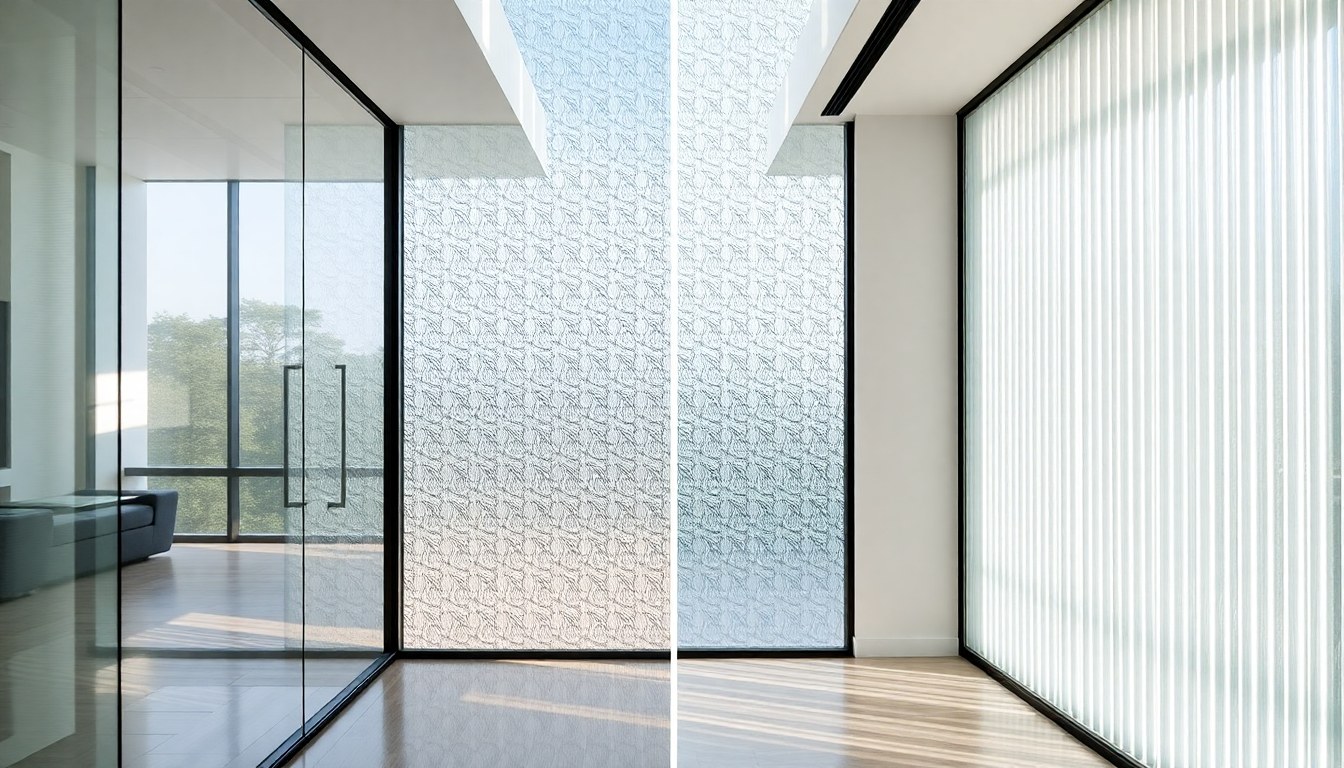
When designing interior partitions, fluted and reeded glass are two popular textured options that provide privacy while maintaining visual interest. While both feature parallel linear patterns, they differ in depth, light diffusion, and aesthetic impact. Understanding these distinctions helps you select the right glass texture for your home or commercial space in India.
What Are Fluted and Reeded Glass?
Fluted glass features shallow, parallel grooves running vertically across its surface. These grooves are typically narrow and closely spaced, creating a subtle ribbed texture that catches light delicately. The pattern is created during the manufacturing process by pressing molten glass into molds, resulting in a consistent, refined appearance.
Reeded glass, by contrast, has deeper, more pronounced ridges with wider spacing between them. The raised vertical lines are more prominent and create a bolder visual statement. Reeded glass also undergoes a pressing process but with different mold specifications that produce more substantial three-dimensional texture. Both textures serve functional purposes beyond aesthetics, including light diffusion and privacy enhancement.
Manufacturing Process
Both fluted and reeded glass are manufactured using the same fundamental technique: molten glass is pressed into textured molds. The key difference lies in the mold design. Fluted glass molds have shallow, fine-line impressions, while reeded glass molds feature deeper grooves with wider spacing. This creates the distinctive visual and tactile differences between the two.
Light Diffusion and Transparency
Light behavior differs noticeably between these two textures, affecting the ambiance of your interior space. Fluted glass scatters light more evenly due to its shallow grooves, creating a soft, diffused glow. It maintains better transparency, allowing more light to pass through while still obscuring clear details on the other side. This makes fluted glass ideal for spaces where you want balanced illumination without harsh shadows.
Reeded glass creates more pronounced light patterns due to its deeper ridges. The raised lines cast subtle shadows, creating a more dramatic interplay of light and shadow. This can produce interesting visual effects throughout the day as sunlight angles change. Reeded glass is slightly less transparent than fluted glass, offering enhanced privacy at the cost of some light transmission.
Best Lighting Scenarios
- Fluted glass: Works well in spaces with natural light where you want soft, even illumination—such as home offices and living room partitions.
- Reeded glass: Suits areas where dramatic light patterns add visual interest, like contemporary commercial spaces or feature walls.
Privacy Levels and Visual Obstruction
Both textures provide privacy, but to different degrees. Fluted glass obscures details while maintaining a sense of openness and light flow. You cannot clearly see through it, but the overall impression is lighter and more transparent. This makes it suitable for spaces where you want privacy without creating a heavy, enclosed feeling.
Reeded glass offers stronger privacy due to its deeper grooves and more substantial texture. The raised lines create more visual disruption, making it harder to discern shapes and movements on the other side. If privacy is your primary concern, reeded glass is the more effective choice. Many Indian homeowners choose reeded glass for bathroom partitions and bedroom doors where maximum privacy is essential.
Privacy Rating Comparison
- Fluted glass: Moderate privacy—obscures details but maintains visual connection
- Reeded glass: High privacy—significantly blocks vision while allowing light through
Aesthetic and Design Considerations
The visual impact of your chosen texture should align with your interior design style. Fluted glass presents a more refined, subtle appearance that works well in minimalist, contemporary, and transitional interiors. The fine parallel lines create a sense of order and elegance without overwhelming the space. In traditional Indian homes, fluted glass complements both modern and classic décor.
Reeded glass makes a bolder design statement, adding architectural interest and texture to a space. It works particularly well in industrial, eclectic, and statement-focused interiors. The pronounced ridges draw attention and can serve as a focal point. In commercial settings across Indian cities like Bangalore, Mumbai, and Delhi, reeded glass is increasingly popular for creating distinctive office partitions and retail displays.
Design Pairing Tips
- Fluted glass: Pairs well with steel frames, wooden trim, and minimalist hardware for a clean aesthetic.
- Reeded glass: Complements bold metal frames, statement hinges, and contemporary architectural elements.
Cleaning, Maintenance, and Durability
Maintenance is a practical consideration often overlooked when selecting textured glass. Fluted glass, with its shallow grooves, is easier to clean. Dust and dirt don't accumulate deeply in the fine lines, and standard glass cleaning methods work effectively. A soft cloth with glass cleaner typically removes all residue without requiring special techniques.
Reeded glass requires more careful maintenance due to its deeper ridges. Dust, water spots, and cleaning product residue can settle in the pronounced grooves, requiring more thorough cleaning. You may need to use a soft brush or microfiber cloth to reach into the deeper crevices. However, both textures are equally durable when made from quality glass. In India's humid climate, regular maintenance of both types helps prevent water staining and mineral deposits.
Cleaning Best Practices
- Use pH-neutral glass cleaner to avoid streaking
- For fluted glass: Standard wiping with microfiber cloth is sufficient
- For reeded glass: Use a soft-bristled brush for grooves, then wipe clean
- Avoid abrasive scrubbers that can damage the texture
- Dry with a clean cloth to prevent water spots in humid climates
Cost and Availability in India
Pricing for fluted and reeded glass varies based on thickness, size, and supplier. Generally, both textures fall in a similar price range, with costs determined more by glass thickness and customization than by texture type. In India, expect to pay approximately ₹400–₹800 per square foot for standard textured glass, depending on your location and supplier specifications.
Fluted glass tends to be slightly more readily available across Indian glass suppliers due to its popularity in residential applications. Reeded glass is equally available but may require longer lead times for custom sizes. Major cities like Bangalore, Mumbai, Pune, and Delhi have numerous suppliers offering both options. Ordering through established glass directories ensures you get quality products with proper specifications and installation support.
Which Should You Choose for Your Space?
Your choice between fluted and reeded glass depends on several factors. Choose fluted glass if you prioritize balanced light diffusion, prefer a subtle aesthetic, value easier maintenance, and want a refined look suitable for most interior styles. Fluted glass works exceptionally well in home offices, living room partitions, and spaces where you want privacy without sacrificing brightness.
Choose reeded glass if you want stronger privacy, prefer bold architectural texture, don't mind more frequent cleaning, and are designing a contemporary or statement-focused space. Reeded glass excels in bathrooms, bedrooms, commercial offices, and areas where you want visual impact alongside functionality. Consider your climate too—in India's humid regions, fluted glass may require slightly less maintenance.
Frequently Asked Questions
What is the main difference between fluted and reeded glass?
The primary difference is texture depth and spacing. Fluted glass has shallow, closely spaced grooves that create a subtle, refined appearance, while reeded glass features deeper, more widely spaced ridges that create a bolder visual statement. This affects light diffusion, privacy levels, and maintenance requirements.
Which textured glass provides better privacy?
Reeded glass offers superior privacy due to its deeper grooves and more substantial texture. It significantly obscures vision and details on the other side. Fluted glass provides moderate privacy—it blocks clear sight but maintains a lighter, more open feeling.
Is fluted or reeded glass easier to clean?
Fluted glass is easier to maintain because its shallow grooves don't trap dust and residue as readily. Standard glass cleaning methods work effectively. Reeded glass requires more thorough cleaning, particularly in the deeper ridges, and may benefit from a soft brush to remove accumulated dust.
Can I use fluted or reeded glass in a humid climate?
Yes, both are suitable for humid climates like those found across India. However, regular maintenance is important to prevent water spots and mineral deposits. Fluted glass may require slightly less frequent deep cleaning due to its shallower texture.
How much does fluted or reeded glass cost in India?
Both textures typically cost between ₹400–₹800 per square foot, depending on thickness, size, and customization. Pricing is determined more by glass specifications than by texture type. Exact costs vary by supplier and location, so compare quotes from multiple providers in your city.
Ready to find the perfect textured glass for your interior partition? Browse our comprehensive directory of glass suppliers and manufacturers across India on glassy.in. Connect with verified vendors who offer fluted, reeded, and other specialty glass options tailored to your design needs and budget.