
Toughened Glass
Double Glazed Unit Manufacturing Process Explained
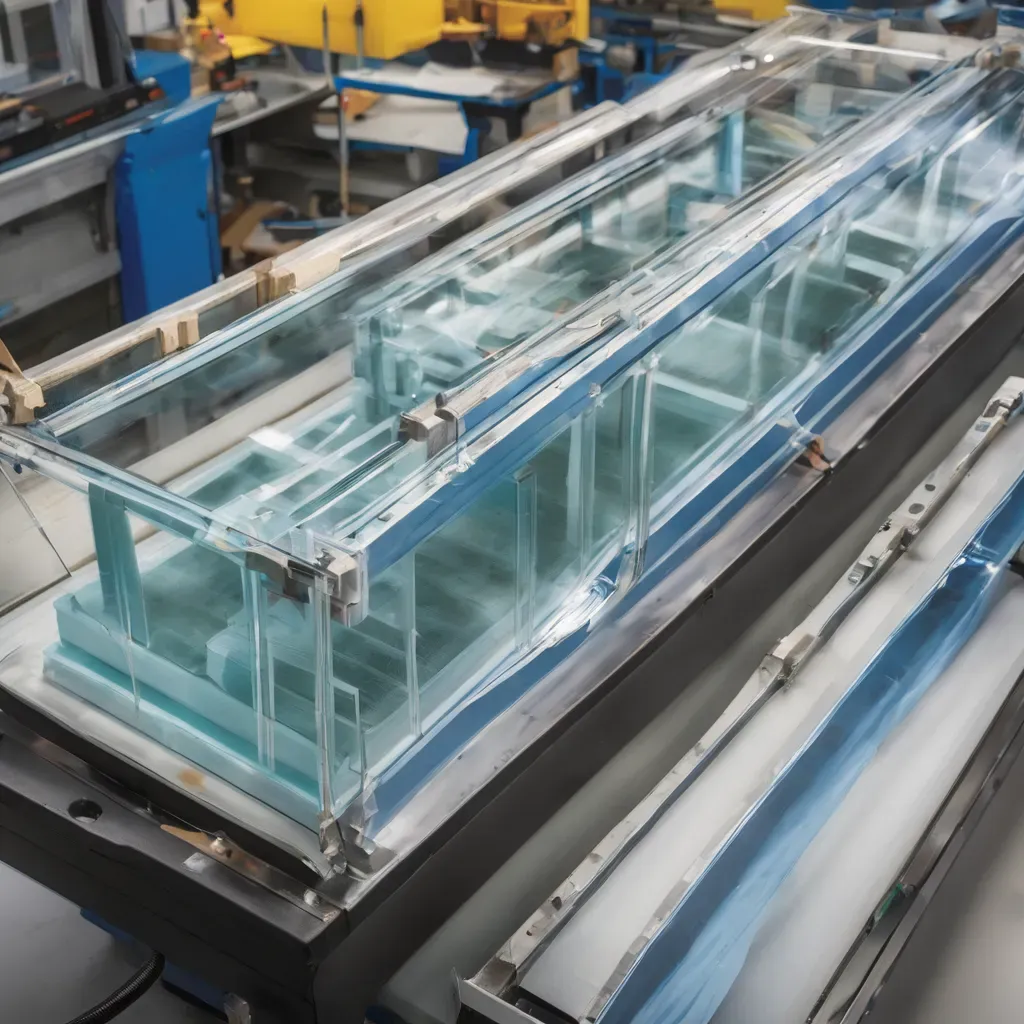
Double Glazed Unit (DGU) Glass Manufacturing Process Explained
When it comes to modern architecture and interior design, few materials offer the balance of functionality and artistic appeal that glass does. Glass has evolved from being a simple window pane to becoming a central element in creating breathtaking designs in buildings and homes. One of the crowning achievements in glass innovation is the creation of Double Glazed Units (DGUs). These units not only enhance energy efficiency but also add refinement and sophistication to architectural works. In this article, we’ll unravel the fascinating manufacturing process of DGU glass, highlighting its blend of science, artistry, and utility.
What Is a Double Glazed Unit (DGU)?
A double glazed unit, commonly referred to as DGU, is an insulated glass unit comprising two layers of glass separated by a spacer. The space between the two panes is filled with an inert gas, such as argon, or simply a vacuum to improve thermal insulation and prevent the transmission of heat and sound. This makes DGU glass an optimal choice for energy-efficient buildings, as it plays a pivotal role in reducing energy consumption while simultaneously enhancing comfort.
Although its primary utility is insulation, DGU glass also offers an excellent canvas for artistic designs, custom engravings, or colorful patterns, enabling architects and designers to align functionality with aesthetics.
The Artistic and Scientific Manufacturing Process Behind DGU Glass
Creating a double glazed glass unit involves a multi-step process that demands precision and technical expertise. Below is a detailed breakdown of the process:
1. Glass Selection and Cutting
The journey of DGU glass begins with the selection of high-grade glass sheets. These sheets often vary in terms of coatings, finishes, and thicknesses, depending on the application. Glass types like low-E (low emissivity) glass, decorative glass, or tinted glass might be chosen for specific use cases or to meet artistic objectives.
Once the glass is selected, it is cut into size according to the blueprint provided by designers or architects. Precision during the cutting stage is critical to ensure the alignment of panes in the double glazed unit.
2. Spacer Bar Fabrication and Placement
The spacer bar is a crucial component of DGU glass. Typically made from aluminum or other high-strength materials, spacers are designed to maintain a uniform distance between the glass panes.
To enhance insulation, spacers are often filled with desiccant—a material that absorbs moisture and prevents condensation from forming inside the glass unit. This step guarantees clear, distortion-free visibility for years to come.
The spacer bar not only serves as a functional element but also lends itself to innovative designs. Designers now experiment with colored spacers or patterned placements to give the glass unit an artistic flair.
3. Sealing and Bonding
The next step involves bonding the spacer to each pane of glass using high-performance adhesives. A primary sealant is applied to ensure the structural stability of the unit, while a secondary sealant, often a silicone-based material, offers additional durability and creates a robust air and water-tight seal.
The precision of this stage is vital to the long-term efficiency of the unit, especially in extreme climatic conditions or highly demanding architectural applications. The blend of science and craftsmanship shines through here, adding both reliability and aesthetic finesse to the final product.
4. Filling the Airspace
Once the panes and spacers are sealed together, the gap between the layers is filled with a gas—typically argon or krypton. In some cases, a vacuum replaces the gas. These inert gases provide outstanding thermal insulation and reduce sound transmission, making DGU glass ideal for both homes and commercial spaces.
This step showcases the ingenuity behind DGU manufacturing: a technological achievement designed to meet environmental concerns while also contributing to comfortable, artfully designed interiors.
5. Testing and Quality Control
After assembly, each DGU glass unit undergoes rigorous testing to ensure it meets quality standards. Parameters like thermal insulation, sound absorption, and resistance to structural loads are evaluated.
At this stage, some units may also undergo additional treatments such as tempering, lamination, or decorative applications. These treatments not only elevate the aesthetics of the glass but also make it ideal for art-inspired installations, feature walls, or glass facades.
Applications of DGU Glass in Design and Architecture
DGU glass is a game-changing material that blends functionality with design versatility. Architects and interior designers often use it to transform spaces into energy-efficient, visually stunning environments. Here are some key applications:
-
Energy-Efficient Buildings: Ideal for reducing heat transfers, DGU glass is heavily used in green buildings and eco-friendly architectural designs.
-
Artistic Interiors: Thanks to its customizability, DGU glass lends itself beautifully to artistic applications, including etched designs or colored panes.
-
Acoustic Insulation: The superior soundproofing capabilities of DGU glass make it a favorite for urban homes, offices, and art galleries.
-
Feature Installations: With the ability to incorporate textures, colors, and even embedded artwork, DGU glass is increasingly being used as a centerpiece in modern spaces.
By balancing beauty, craftsmanship, and environmental consciousness, DGU glass truly bridges the gap between “Art & Glass” in contemporary design.
Why Choose DGU Glass from a Reputable Manufacturer?
Investing in high-quality DGU glass ensures long-lasting performance, aesthetic compatibility, and superior energy efficiency. Partnering with a reliable manufacturer not only guarantees durability but also opens doors to endless customization possibilities. If you’re searching for the perfect blend of expertise, quality, and creative potential, Glassy is your ultimate destination.
With a focus on precision and design innovation, Glassy has set itself apart as a leader in the Indian glass solutions market. Whether your project emphasizes sustainability, style, or structural efficiency, Glassy delivers tailored double glazed units that meet the highest standards of modern design.
Final Thoughts on DGU Glass and Its Role in Architecture
The manufacturing process of double glazed units is a testament to how science and art can harmoniously converge in the creation of materials that define modern architecture. With its superior insulating properties, creative design possibilities, and structural versatility, DGU glass is reshaping the way we think about functional beauty in construction.
So, the next time you admire a beautifully designed structure or enjoy the comfort of a quiet, energy-efficient interior, remember the craftsmanship and innovation that DGU glass brings to the table.
Free Site Visit by glassy.in, D2C initiative by glassy india, No middleman, free quote by glassy within 2 hrs