
Glass Facades
Channel Glass (U-Glass) Installation: Structural System Guide for Hyderabad Buildings
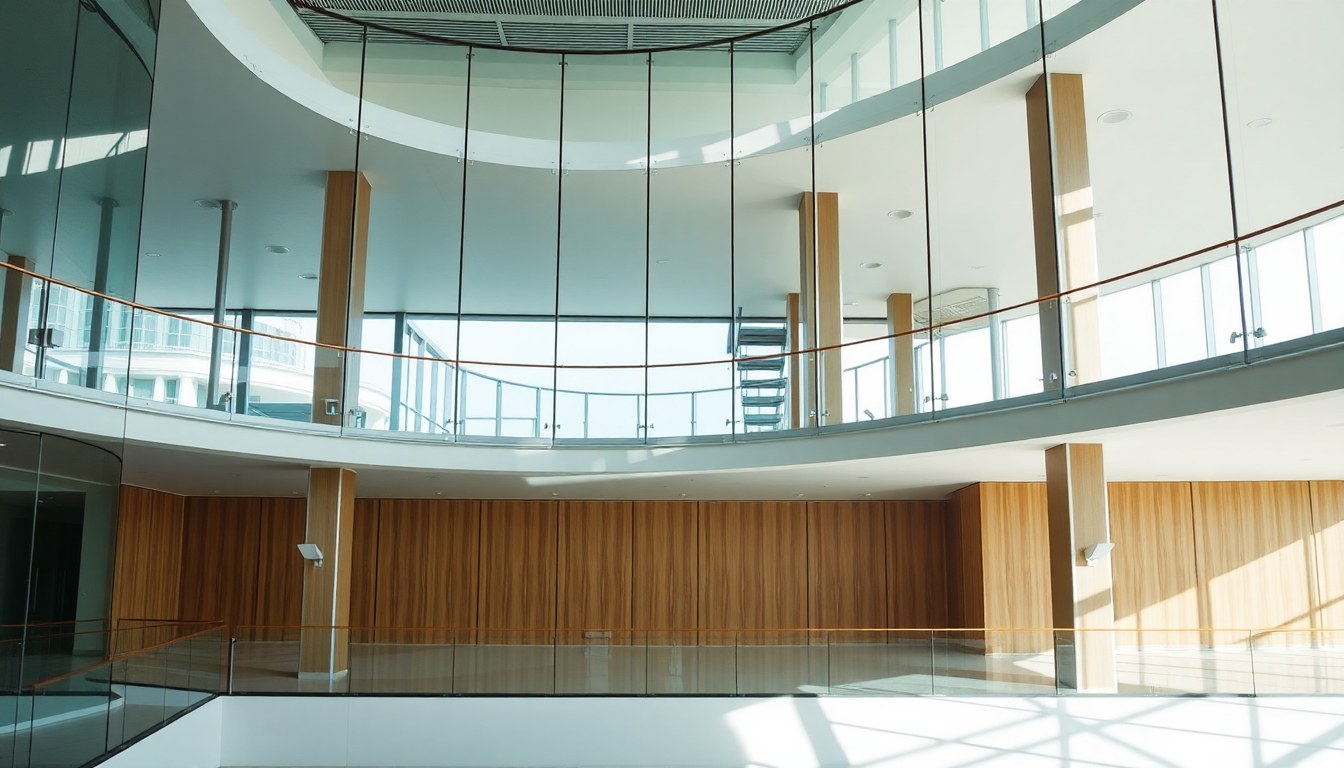
Channel glass, also known as U-glass or U-profile glass, is transforming the architectural landscape of Hyderabad with its unique combination of translucency, structural strength, and energy efficiency. This self-supporting glass system eliminates the need for traditional framing, creating seamless facades that flood interiors with diffused natural light while maintaining privacy and thermal comfort. Whether you're planning a commercial building in HITEC City or a residential project in Jubilee Hills, understanding the installation process and structural requirements is essential for successful implementation.
Understanding Channel Glass Structural Systems
Channel glass operates on a fundamentally different principle than conventional glazing systems. Each U-shaped glass profile acts as both the cladding and a structural element, stacking vertically between horizontal support channels at the top and bottom. The interlocking design creates a self-bracing system that can span heights up to 7 meters without intermediate horizontal supports, making it ideal for Hyderabad's modern commercial and institutional buildings.
The structural integrity comes from the U-profile shape itself, which provides exceptional rigidity against wind loads and lateral forces. In Hyderabad's climate, where wind speeds during monsoon season can reach significant levels, the system's ability to withstand lateral loads of up to 2.5 kN/m² makes it suitable for exposed facade applications. The glass profiles typically come in widths of 262mm or 330mm, with thicknesses ranging from 6mm to 10mm depending on the required span and load calculations.
Load-Bearing Capacity and Structural Calculations
Before installation, structural engineers must calculate the specific load requirements based on building height, wind zone classification, and local building codes. Hyderabad falls under wind zone II according to IS 875 (Part 3), which influences the glass thickness and support spacing required. For buildings exceeding four stories, detailed wind tunnel testing may be necessary to determine precise loading conditions, particularly in areas like Gachibowli and Financial District where high-rise construction is common.
The horizontal support channels—typically aluminum or stainless steel—must be designed to accommodate thermal expansion and contraction. In Hyderabad's climate, with temperature variations between 15°C and 42°C throughout the year, expansion joints must be incorporated every 6-8 meters to prevent stress accumulation. Professional suppliers like The edge glass and aluminum can provide detailed calculations and material specifications tailored to your project requirements.
Installation Process and Framework Requirements
The installation of channel glass begins with precise preparation of the structural framework. The bottom channel must be perfectly level and securely anchored to the building structure, as any deviation will compound vertically throughout the installation. A laser level and quality control checks every meter are essential to maintain alignment across the entire facade length.
The installation sequence follows these critical steps:
- Installation of bottom support channel with integrated drainage system
- Placement of first glass profile with appropriate edge protection and spacers
- Sequential installation of additional profiles with consistent joint spacing (typically 10-12mm)
- Installation of top support channel with allowance for thermal movement
- Sealing of all joints with appropriate weatherproofing materials
- Final inspection and quality assurance testing
Support Channel Design and Anchoring
The aluminum support channels require specific design considerations for Hyderabad's climate. The bottom channel must incorporate a continuous drainage system to handle monsoon rainfall, which can exceed 800mm annually in the region. Weep holes spaced at 600mm intervals ensure water doesn't accumulate within the channel system, preventing potential water damage and maintaining the system's thermal performance.
Anchoring to the building structure typically requires stainless steel brackets at 600-800mm centers, connected to the concrete or steel frame with chemical anchors or expansion bolts. The connection detail must allow for vertical adjustment during installation while providing rigid lateral support once locked in position. Many architects working with firms like Design Affairs specify custom-engineered brackets that accommodate specific building conditions and aesthetic requirements.
Waterproofing and Joint Sealing Details
Effective waterproofing is critical for channel glass systems in Hyderabad's monsoon climate. The joints between individual glass profiles must be sealed with high-performance silicone sealants rated for exterior exposure and UV resistance. The sealing strategy typically employs a two-stage approach: a primary seal at the exterior face and a secondary seal at the interior, creating a pressure-equalized cavity that prevents water infiltration.
The joint width between profiles must be carefully controlled—too narrow and thermal movement can cause glass-to-glass contact and potential breakage; too wide and the sealant loses its structural integrity. The standard 10-12mm joint width accommodates thermal expansion while maintaining adequate sealant bite depth. In areas of high exposure, such as west-facing facades in Hyderabad's intense afternoon sun, expansion joints may need to be wider to accommodate greater thermal movement.
Drainage and Moisture Management
The bottom support channel serves as the primary drainage plane for the entire system. It must be designed with sufficient capacity to handle both condensation from interior-exterior temperature differentials and any water that penetrates the exterior seal. During Hyderabad's monsoon season, the drainage system must handle sudden, intense rainfall events that can overwhelm inadequately designed systems.
A properly designed drainage channel includes a sloped base (minimum 2% gradient) directing water toward designated weep holes, with debris filters to prevent blockage. The channel should extend beyond the building face to ensure water discharges clear of the facade, preventing staining and water damage to lower building elements.
Thermal Performance and Energy Efficiency
Channel glass offers significant thermal advantages for Hyderabad's hot climate, where cooling loads dominate energy consumption in commercial buildings. The U-profile creates an air cavity that provides insulation, with U-values typically ranging from 2.8 to 3.5 W/m²K for single-skin installations. For enhanced performance, double-skin systems can achieve U-values as low as 1.8 W/m²K, substantially reducing heat gain compared to conventional single-glazed curtain walls.
The translucent nature of channel glass provides excellent daylighting while reducing direct solar heat gain. The light transmission typically ranges from 70-80% for clear profiles, while sandblasted or patterned options reduce transmission to 40-60%, providing additional solar control. This diffused light quality reduces glare and creates comfortable interior environments, particularly valuable in office spaces and educational facilities.
Interior designers, including specialists like Swan Interiors, increasingly specify channel glass for projects where natural light quality is paramount. The system's ability to illuminate deep floor plates while maintaining thermal comfort makes it ideal for Hyderabad's commercial developments, where energy efficiency directly impacts operational costs.
Cost Comparison with Conventional Curtain Wall Systems
Channel glass systems typically cost between ₹2,800 to ₹4,500 per square meter installed in Hyderabad, depending on profile size, glass thickness, and project complexity. This positions it competitively against conventional aluminum curtain wall systems, which range from ₹3,500 to ₹6,000 per square meter for comparable performance specifications.
The cost advantage becomes more pronounced when considering the total system value:
- Reduced structural steel requirements due to self-supporting design
- Lower maintenance costs from fewer moving parts and sealed joints
- Energy savings from superior thermal performance and daylighting
- Faster installation times reducing labor costs and project duration
- Minimal frame visibility creating larger apparent glass areas
Long-Term Value and Maintenance Considerations
Channel glass systems demonstrate exceptional durability with minimal maintenance requirements. The glass profiles themselves are highly resistant to weathering, UV degradation, and thermal cycling. In Hyderabad's environment, the primary maintenance concern involves periodic inspection and resealing of joints, typically required every 10-15 years depending on sealant quality and exposure conditions.
The absence of operable components eliminates common curtain wall maintenance issues such as failed gaskets, corroded hardware, and malfunctioning vents. This translates to lower lifecycle costs and reduced building management expenses over the typical 30-40 year service life of the facade system. Quality suppliers like Modi Glass Centre can provide warranty coverage and maintenance guidance specific to Hyderabad's climate conditions.
Building Code Compliance and Safety Standards
Channel glass installations in Hyderabad must comply with the National Building Code of India (NBC) requirements for safety glazing, structural adequacy, and fire resistance. The glass profiles must meet IS 2835 standards for tempered or heat-strengthened glass, ensuring adequate safety performance in the event of breakage. For buildings exceeding 15 meters in height, additional safety measures including secondary retention systems may be required.
Fire resistance ratings vary depending on the specific channel glass system and installation details. Single-skin systems typically provide 30-60 minutes fire resistance, while specially designed double-skin configurations can achieve up to 90 minutes. These ratings must be verified through testing by NABL-accredited laboratories and documented in the building approval process.
Seismic considerations are also important for Hyderabad, which falls in seismic zone II. The channel glass system's flexibility and ability to accommodate building movement through properly designed expansion joints makes it well-suited to seismic requirements. The horizontal support channels must be detailed to allow lateral movement while maintaining the glass profiles in position during seismic events.
Frequently Asked Questions
What is the maximum height for channel glass installation without intermediate supports?
Channel glass can span vertically up to 7 meters without intermediate horizontal supports when using appropriate glass thickness and profile dimensions. For heights exceeding 7 meters, intermediate support channels are required, typically spaced at 5-6 meter intervals. The exact span capability depends on wind load calculations, glass thickness (6-10mm), and profile width (262mm or 330mm). In Hyderabad's wind zone II classification, most commercial installations use 8mm glass for spans up to 6 meters.
How does channel glass perform during Hyderabad's monsoon season?
Channel glass systems perform excellently during monsoon conditions when properly installed with appropriate drainage details. The sealed joints prevent water infiltration, while the bottom support channel's integrated drainage system handles both rainwater and condensation. The system must include weep holes at 600mm intervals and a sloped drainage channel to prevent water accumulation. Properly installed systems show no water penetration even during intense rainfall events exceeding 100mm per hour.
What is the expected lifespan of channel glass facades in Indian climate conditions?
Channel glass facades typically last 30-40 years in Indian climate conditions with minimal maintenance. The glass profiles themselves are highly durable and resistant to UV degradation, thermal cycling, and weathering. The primary maintenance requirement involves resealing joints every 10-15 years, depending on sealant quality and exposure. The aluminum support channels, when properly finished with powder coating or anodizing, maintain structural integrity for the full service life without significant corrosion issues.
Can channel glass be used for interior applications in commercial buildings?
Yes, channel glass is increasingly popular for interior applications including partition walls, atriums, and feature walls in commercial buildings. Interior installations benefit from the system's translucency, which allows light transmission while maintaining privacy. Installation is simpler for interior applications as waterproofing requirements are eliminated, and structural loads are reduced. The system creates dramatic visual effects in lobbies and common areas while providing acoustic separation when filled with insulation materials.
How does channel glass installation cost compare to conventional glass curtain walls in Hyderabad?
Channel glass installation costs ₹2,800 to ₹4,500 per square meter in Hyderabad, compared to ₹3,500 to ₹6,000 for conventional aluminum curtain walls. While initial material costs may be similar, channel glass offers savings through reduced structural requirements, faster installation, and lower maintenance costs. The self-supporting design eliminates complex mullion systems, and the absence of operable components reduces long-term maintenance expenses. Total lifecycle costs typically favor channel glass for projects prioritizing durability and energy efficiency.
Ready to explore channel glass solutions for your Hyderabad project? Visit the glassy.in directory to connect with experienced glass suppliers, fabricators, and installation specialists who can provide detailed quotations and technical support tailored to your specific requirements. Our verified business listings include comprehensive contact information, service areas, and customer reviews to help you make informed decisions for your building project.