
Glass Guides
Self-Cleaning Glass Coating Technology: Photocatalytic vs Hydrophobic for Chennai High-Rises
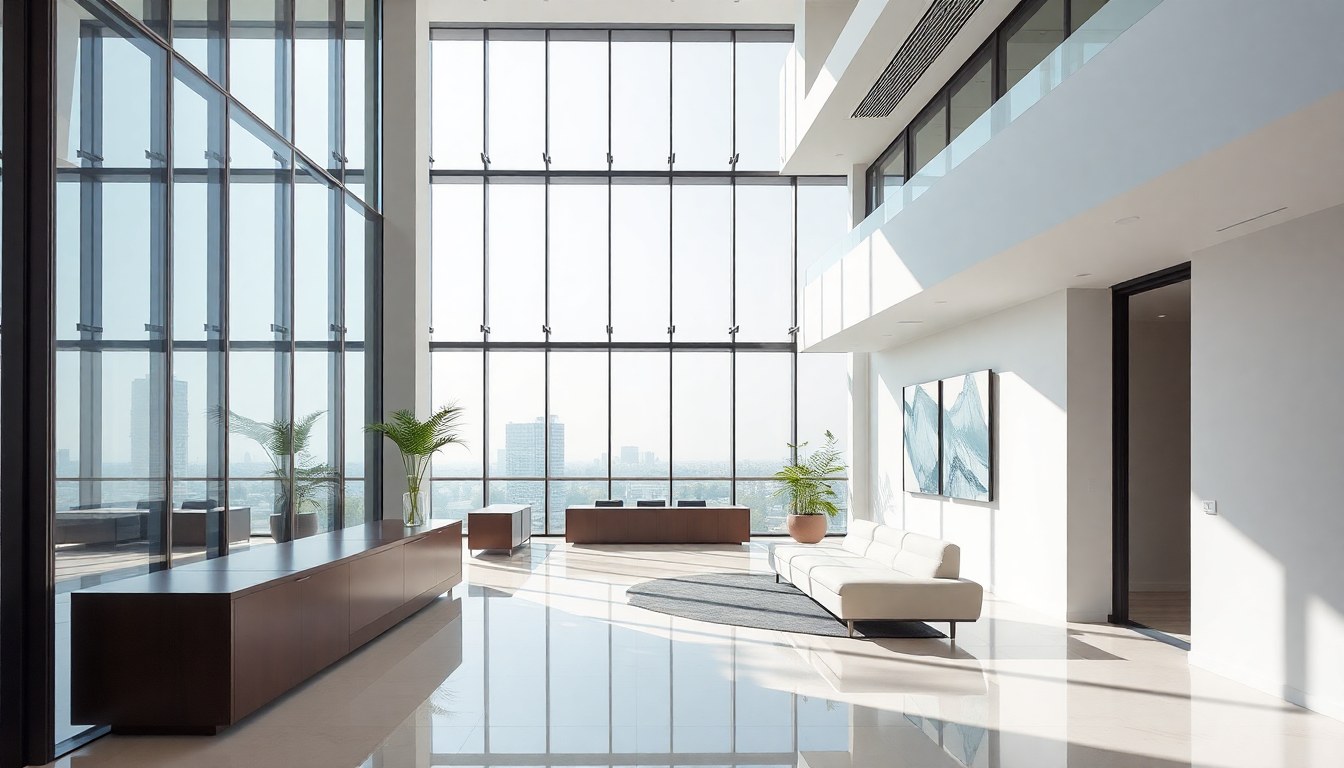
Chennai's high-rise buildings face a relentless assault from coastal salt spray, urban pollution, and intense monsoon rains that leave glass facades streaked and grimy within weeks of cleaning. Self-cleaning glass coating technology—available in two distinct types, photocatalytic and hydrophobic—promises to dramatically reduce maintenance costs while keeping buildings looking pristine year-round. Understanding which technology suits Chennai's unique coastal climate can save building owners lakhs in annual cleaning expenses while extending the lifespan of their glass installations.
Understanding Self-Cleaning Glass Technology Fundamentals
Self-cleaning glass relies on advanced surface coatings that either break down organic dirt or repel water and contaminants. Unlike traditional glass that requires frequent manual cleaning, these treated surfaces leverage natural processes—sunlight and rain—to maintain clarity. The technology has gained significant traction in India's commercial real estate sector, particularly in coastal cities where conventional cleaning methods prove both expensive and logistically challenging for tall structures.
The two primary self-cleaning mechanisms work through fundamentally different principles. Photocatalytic coatings use titanium dioxide to harness UV light for breaking down organic matter, while hydrophobic coatings create an ultra-smooth surface that causes water to bead up and roll off, carrying dirt away. Both technologies reduce cleaning frequency, but their performance varies significantly based on environmental conditions, building orientation, and the types of contaminants present in Chennai's atmosphere.
For Chennai's high-rise developers and building managers, selecting the appropriate technology requires understanding local environmental stressors. The city experiences approximately 1,400mm of annual rainfall concentrated during the northeast monsoon, combined with year-round exposure to salt-laden coastal winds and particulate pollution from traffic and construction. These factors make self-cleaning glass not merely a luxury but an economically sound investment.
Photocatalytic Self-Cleaning Glass: How It Works in Chennai Conditions
Photocatalytic glass features an ultra-thin transparent coating of titanium dioxide that becomes activated by UV light from the sun. When UV rays strike the coating, they trigger a chemical reaction that breaks down organic dirt particles—bird droppings, pollen, atmospheric oils, and pollution residues—into smaller molecules that lose their adhesion to the glass surface. This process, known as photocatalysis, occurs continuously during daylight hours, gradually decomposing contaminants before they can accumulate.
The second phase of photocatalytic cleaning involves hydrophilicity—the coating's tendency to spread water evenly across the surface rather than forming droplets. During Chennai's monsoon rains, water sheets across the glass, washing away the decomposed dirt particles without leaving streaks. This dual-action mechanism proves particularly effective for organic pollutants common in urban environments, including exhaust residues and biological matter.
Performance Advantages in Chennai's Climate
Chennai receives abundant sunlight year-round, with UV index levels frequently reaching 11-12 during summer months. This intense UV exposure maximizes the photocatalytic reaction, ensuring consistent dirt breakdown even during the dry season. Buildings with south and west-facing facades benefit most, as these orientations receive the longest UV exposure throughout the day. The technology performs exceptionally well on vertical surfaces where gravity assists in removing decomposed particles.
During the northeast monsoon season (October through December), photocatalytic glass demonstrates its full potential. The combination of pre-decomposed organic matter and regular rainfall creates a natural washing cycle that keeps glass remarkably clean. Building managers report that facades maintain 70-80% of their original clarity without manual intervention during monsoon months, compared to conventional glass that may require cleaning every 2-3 weeks.
Limitations in Coastal Environments
Photocatalytic coatings face challenges with inorganic contaminants, particularly mineral deposits and salt residues prevalent in Chennai's coastal zone. While the technology excels at breaking down organic matter, it cannot decompose mineral particles or sea salt. Buildings within 5 kilometers of the coastline may still accumulate white salt streaks that require periodic manual cleaning, though at reduced frequency compared to untreated glass.
Hydrophobic Self-Cleaning Glass: Water-Repellent Technology
Hydrophobic glass coatings create an extremely smooth, low-energy surface that repels water and prevents contaminants from adhering strongly. Based on fluoropolymer or silane chemistry, these coatings cause water to form tight beads with contact angles exceeding 110 degrees, compared to 30-40 degrees on standard glass. As water droplets roll off the surface, they collect and carry away loose dirt particles—a process engineers call the "lotus effect" after the self-cleaning properties of lotus leaves.
Unlike photocatalytic glass that requires UV activation, hydrophobic coatings work purely through physical water repellency. This makes them effective regardless of building orientation or sunlight exposure. The technology proves particularly valuable for shaded facades, north-facing walls, and areas beneath overhangs where UV light may be limited but rain exposure remains consistent.
Monsoon Performance and Salt Resistance
Hydrophobic coatings demonstrate superior performance with both organic and inorganic contaminants during Chennai's monsoon season. The water-repellent surface prevents mineral deposits and salt crystals from bonding strongly to the glass, allowing rain to wash them away more effectively than photocatalytic alternatives. For coastal high-rises facing persistent salt spray, this represents a significant advantage, potentially reducing cleaning frequency by 60-70% compared to untreated glass.
The rapid water shedding also minimizes water spotting—a common problem in Chennai where municipal water supplies contain dissolved minerals. As rainwater beads and rolls off quickly, it leaves minimal residue behind. This characteristic proves especially beneficial during the transition between monsoon and dry seasons when intermittent light rains might otherwise leave conventional glass streaked and spotted.
Durability Considerations
Hydrophobic coatings typically require reapplication every 3-5 years, depending on environmental exposure and coating quality. The fluoropolymer bonds gradually degrade under constant UV exposure and mechanical stress from wind-driven particles. Premium coatings using ceramic-enhanced formulations offer extended durability, with some manufacturers claiming 7-10 year performance in coastal environments. Building owners should factor reapplication costs—typically ₹150-300 per square meter—into long-term budgeting.
Cost-Benefit Analysis for Chennai High-Rises
Initial investment for photocatalytic glass typically ranges from ₹800-1,200 per square meter as a factory-applied coating on new glass units. Hydrophobic coatings can be applied either during manufacturing or as a retrofit treatment, with costs ranging from ₹200-500 per square meter for professional application. For a typical 20-story Chennai high-rise with 5,000 square meters of glazing, this represents an investment of ₹40-60 lakhs for photocatalytic glass or ₹10-25 lakhs for hydrophobic treatment.
Traditional facade cleaning for Chennai high-rises costs approximately ₹80-150 per square meter per cleaning session, with most buildings requiring cleaning every 1-2 months. Annual cleaning expenses for a 5,000 square meter facade can reach ₹6-9 lakhs. Self-cleaning technologies typically reduce cleaning frequency by 50-75%, generating annual savings of ₹3-7 lakhs. This creates a payback period of 2-4 years for hydrophobic coatings and 6-10 years for photocatalytic glass, with benefits continuing throughout the building's lifespan.
Beyond direct cleaning cost savings, self-cleaning glass offers additional economic benefits. Reduced cleaning frequency means less disruption to building occupants, lower insurance risks associated with high-altitude cleaning operations, and decreased water consumption. Building managers also report fewer complaints about obstructed views and improved tenant satisfaction, factors that can positively impact rental rates and occupancy levels in competitive commercial markets.
Choosing the Right Technology for Your Building
The optimal self-cleaning technology depends on several building-specific factors. Photocatalytic glass works best for new construction projects where factory-applied coatings can be specified from the outset, particularly for buildings with excellent solar exposure and primarily organic pollution challenges. The technology integrates seamlessly with low-E and solar control coatings, making it ideal for energy-efficient facade designs.
Hydrophobic coatings suit retrofit applications and buildings facing significant inorganic contamination from sea salt or mineral-rich water. Properties within Chennai's coastal corridor—particularly in areas like Besant Nagar, Thiruvanmiyur, and the Marina beachfront—benefit most from hydrophobic technology's superior mineral and salt resistance. The lower initial cost also makes hydrophobic treatments attractive for budget-conscious projects or older buildings where comprehensive facade replacement isn't economically justified.
Some Chennai developers are now exploring hybrid approaches, combining photocatalytic glass on sun-exposed facades with hydrophobic coatings on shaded or particularly salt-exposed areas. This tailored strategy optimizes performance while managing costs, though it requires careful specification and coordination during installation to ensure coating compatibility and consistent appearance across the building envelope.
Maintenance and Long-Term Performance
While termed "self-cleaning," both technologies reduce rather than eliminate maintenance requirements. Photocatalytic glass typically requires light cleaning 2-4 times annually to remove stubborn inorganic deposits and maintain optimal performance. The coating itself is durable and permanent when properly applied during manufacturing, with performance remaining consistent for the glass unit's entire lifespan of 25-30 years.
Hydrophobic coatings require more active maintenance management. Building managers should schedule professional reapplication every 3-7 years based on performance monitoring. Simple water bead tests—spraying glass and observing droplet formation—provide quick performance assessments. When water begins spreading rather than beading tightly, reapplication becomes necessary. Between reapplications, gentle cleaning with pH-neutral solutions preserves coating integrity better than harsh alkaline or acidic cleaners that can accelerate degradation.
Both technologies perform best when supplemented by occasional manual cleaning to remove accumulated inorganic deposits. However, this cleaning occurs at a fraction of the frequency required for untreated glass, and the process itself becomes easier as dirt adheres less strongly to treated surfaces. Professional cleaning crews report 30-40% faster cleaning times on self-cleaning glass, further reducing labor costs.
Frequently Asked Questions
Does self-cleaning glass work during Chennai's dry season when there's no rain?
Photocatalytic glass continues breaking down organic dirt during dry periods through UV activation, though the decomposed particles accumulate on the surface until rain washes them away. Hydrophobic coatings remain effective at repelling new contamination but also require occasional rain or manual rinsing to remove accumulated particles. Most Chennai buildings benefit from periodic light rinsing during extended dry spells, though this remains far less intensive than full cleaning of conventional glass.
Can self-cleaning coatings be applied to existing glass in older Chennai buildings?
Hydrophobic coatings can be professionally applied to existing glass as a retrofit treatment, making them ideal for older buildings. Photocatalytic coatings, however, require application during glass manufacturing and cannot be added to installed glass. Building owners seeking photocatalytic benefits for existing structures would need to replace glass units entirely, which may only be economical during scheduled facade renovations.
How do self-cleaning glass technologies perform on curved or angled facades?
Both technologies work on curved and angled glass, though performance varies with surface orientation. Vertical or near-vertical surfaces benefit most as gravity assists water runoff and particle removal. Sloped surfaces above 20 degrees from vertical may experience reduced self-cleaning efficiency, particularly for hydrophobic coatings where water needs sufficient slope to roll off effectively. Horizontal or near-horizontal applications are not recommended for either technology.
Will self-cleaning glass reduce the appearance of water spots from Chennai's hard water?
Hydrophobic coatings significantly reduce water spotting by causing water to bead and roll off before minerals can deposit and dry on the surface. Photocatalytic glass shows less improvement for mineral deposits, as the technology primarily targets organic contaminants. For buildings in areas with particularly hard water, hydrophobic treatments offer better protection against the white mineral stains common on untreated glass.
What warranty coverage do manufacturers provide for self-cleaning glass in coastal environments?
Photocatalytic coating warranties typically range from 10-25 years when factory-applied, though performance guarantees may specify reduced effectiveness in high-salt environments. Hydrophobic coating warranties vary widely from 3-10 years depending on product quality and application method. Building owners should request specific warranty terms addressing coastal exposure and clarify whether coverage includes performance degradation or only coating delamination or failure.
Selecting the right self-cleaning glass technology for your Chennai high-rise requires balancing initial investment, environmental conditions, and long-term maintenance strategies. Whether you choose photocatalytic or hydrophobic solutions, these advanced coatings offer measurable returns through reduced cleaning costs and improved building aesthetics. For expert guidance on glass solutions for your project, explore the comprehensive directory of glass suppliers, fabricators, and coating specialists at glassy.in—India's most trusted resource for commercial glass technology.