
Mirrors
Mirror Installation for Dance Studios: Thickness and Mounting Guide
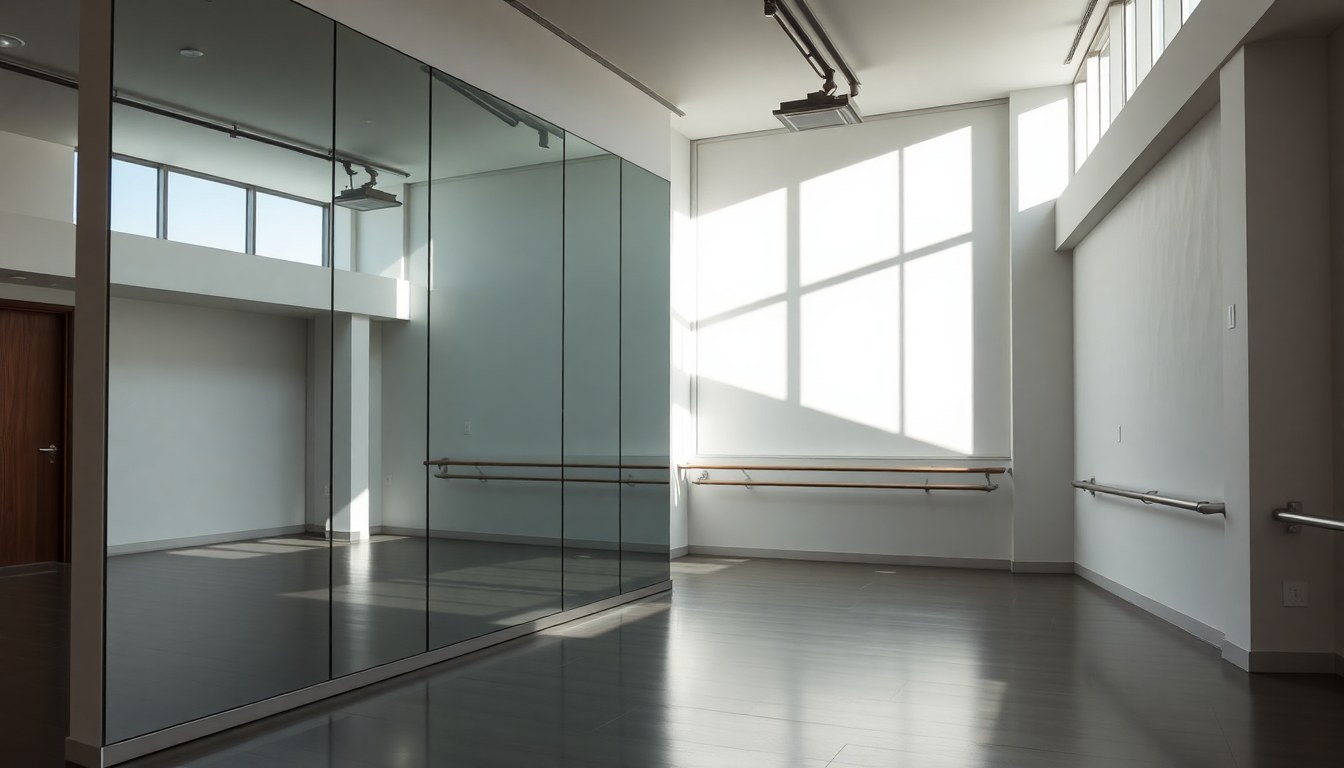
Installing mirrors in a dance studio is one of the most critical investments you'll make in your facility. Proper mirror installation ensures dancer safety, provides accurate visual feedback for technique refinement, and creates an open, professional atmosphere that students expect. This comprehensive guide covers everything from selecting the right glass thickness to choosing mounting systems that will keep your mirrors secure for years to come.
Understanding Mirror Thickness Requirements for Dance Studios
The thickness of your dance studio mirrors directly impacts their durability, safety, and longevity. Unlike residential bathroom mirrors, dance studio mirrors must withstand vibrations from jumping, constant use, and occasional accidental contact. Choosing the correct thickness is not just about aesthetics—it's a safety imperative.
For professional dance studios, 6mm thickness is the industry standard and minimum recommendation. This thickness provides adequate strength for floor-to-ceiling installations while remaining cost-effective for large wall coverage. Studios covering 100-500 square feet of mirror space typically use 6mm mirrors without issues, provided they're properly mounted and backed.
However, many established studios opt for 8mm or even 10mm thickness mirrors for enhanced durability and reduced distortion. Thicker mirrors flex less under their own weight, which means they maintain truer reflections across larger panel sizes. If your studio caters to advanced dancers, competitive training, or professional choreographers who demand precision, the additional investment in 8mm mirrors—typically 30-40% more expensive than 6mm—pays dividends in image quality and lifespan.
When to Choose Premium Thickness
Consider 10mm mirrors if you're installing panels larger than 6 feet by 8 feet, if your studio experiences heavy daily use with multiple classes, or if you're in a high-humidity climate where glass expansion and contraction is more pronounced. Cities like Mumbai, Chennai, and Kolkata with coastal humidity benefit from the added stability of thicker glass. The cost difference between 6mm and 10mm can range from ₹180 to ₹320 per square foot, but the reduced replacement frequency often justifies the upfront expense.
Safety Backing: Non-Negotiable Protection
Safety backing is arguably more important than thickness when it comes to dance studio mirrors. This protective film or coating applied to the back of the mirror prevents glass from scattering if the mirror breaks, containing shards and dramatically reducing injury risk. Given that dancers often work barefoot and in close proximity to mirrors, safety backing transforms a potential catastrophe into a manageable incident.
There are two primary types of safety backing available in the Indian market. Vinyl safety backing film is the most common and cost-effective option, adding approximately ₹45-75 per square foot to your mirror cost. This adhesive film bonds to the mirror's back surface and holds glass fragments together upon impact. For studios on a budget, this provides adequate protection and meets most insurance requirements.
The premium option is CAT-II (Category II) safety backing, which offers superior adhesion and impact resistance. CAT-II backing is particularly recommended for children's dance schools, acrobatic studios, or any facility where high-impact activities occur near mirrors. This backing can withstand greater force before failure and provides better long-term durability in humid conditions. Expect to pay ₹90-140 per square foot for CAT-II backing, but consider it essential for high-risk environments.
Tempered Glass Alternative
Some studio owners consider tempered glass mirrors as an alternative to safety-backed standard mirrors. While tempered glass is significantly stronger and shatters into small, less dangerous pieces, it costs 2-3 times more than safety-backed standard mirrors and can develop a slight green tint at edges. For most dance studios, properly backed standard mirrors offer the best balance of safety, optical clarity, and cost-effectiveness.
Wall Mounting Systems: Choosing the Right Hardware
The mounting system you select determines both the safety and longevity of your mirror installation. Dance studios require specialized mounting that accounts for wall vibrations, building settling, and the substantial weight of large mirror panels. A 6mm mirror weighs approximately 15 kg per square meter, meaning a standard 4-foot by 8-foot panel weighs nearly 45 kg.
The J-bar or J-channel system is the gold standard for dance studio mirror installation. This method uses aluminum channels mounted to the wall that support the mirror's bottom edge while allowing for slight expansion and contraction. The mirror sits in the bottom J-channel and is held against the wall with mirror mastic adhesive and rosette clips or J-molding at the top. This system distributes weight evenly and accommodates thermal expansion without stressing the glass.
Mirror mastic is a specialized adhesive designed specifically for mirror installation. Unlike standard construction adhesive, mirror mastic is chemically neutral and won't corrode the mirror's silver backing. When installing mirrors using the J-bar method, apply mastic in vertical beads spaced 8-12 inches apart, covering approximately 20-30% of the mirror's back surface. This provides strong adhesion while allowing the mirror to "breathe" and preventing moisture entrapment.
Mechanical Fastening Options
For studios in earthquake-prone areas or buildings with significant vibration, mechanical fastening provides additional security. Rosette clips—decorative metal discs with a rubber cushion—can be installed at intervals around the mirror perimeter. These clips physically hold the mirror against the wall while the mastic provides primary adhesion. Plan for one clip per 4-6 square feet of mirror surface, positioned at least 6 inches from mirror edges to prevent stress concentration.
Wall Preparation and Structural Considerations
The wall surface receiving your mirrors must be exceptionally flat, clean, and structurally sound. Any imperfections in the wall will telegraph through the mirror, creating distortions that frustrate dancers trying to perfect their technique. Before installation, check the wall with a long straightedge to identify high and low spots exceeding 3mm variation.
Concrete and brick walls are ideal substrates for dance studio mirrors, providing solid anchoring for J-channels and excellent long-term stability. If you're working with these materials, use masonry anchors rated for at least three times the weight of your mirror panels. For a typical installation, this means anchors rated for 15-20 kg each, spaced no more than 16 inches apart along the J-channel.
Drywall or gypsum board walls require additional reinforcement. The best approach is to install horizontal plywood backing (19mm marine-grade or BWP plywood works well in Indian conditions) across the entire mirror area, secured directly to wall studs. The J-channels then mount to this plywood backing, distributing the mirror weight across multiple studs rather than relying on drywall anchors. This method adds ₹120-180 per square foot to installation costs but provides the structural integrity necessary for safe, long-term mirror mounting.
Moisture Barriers in Humid Climates
In coastal cities or areas with high humidity, consider installing a moisture barrier between the wall and the plywood backing. A simple polyethylene sheet prevents moisture migration that can degrade both the wall and the mirror's silver backing over time. This small addition—costing perhaps ₹15-25 per square foot—can extend mirror life by years in challenging climates.
Professional Installation vs. DIY: Making the Right Choice
While some studio owners consider DIY mirror installation to save costs, professional installation typically costs ₹150-300 per square foot including materials and labor—a worthwhile investment for most facilities. Professional installers bring specialized tools, experience with large glass panels, and critically, insurance coverage for any installation mishaps.
Large mirror panels are deceptively difficult to handle. A 4-foot by 8-foot mirror panel is awkward, heavy, and unforgiving of mistakes. Professional installers use suction cup lifters, have the experience to properly apply mastic without creating voids, and can ensure J-channels are perfectly level—critical for preventing stress points that lead to cracking. They also understand local building codes and can secure necessary permits for commercial installations.
If you do choose to self-install, never attempt it alone. Recruit at least two strong helpers for any panel larger than 3 feet by 4 feet. Invest in proper suction cup handles (available for ₹800-1,500 per pair), use a quality laser level for channel installation, and allow mastic to cure for the full recommended period—typically 48-72 hours—before removing temporary supports. Many studio owners successfully install smaller mirrors themselves but bring in professionals for floor-to-ceiling installations where safety risks are highest.
Maintenance and Long-Term Care
Properly installed dance studio mirrors require minimal maintenance but benefit from regular care. Clean mirrors weekly with a solution of equal parts white vinegar and water, or use a commercial ammonia-free glass cleaner. Avoid cleaners containing ammonia near mirror edges, as they can degrade the sealant protecting the silver backing.
Inspect mounting hardware quarterly, checking that J-channels remain securely fastened and that no gaps have developed between the mirror and wall. Any separation indicates adhesive failure and requires immediate professional attention. Also watch for edge darkening or black spots, which indicate moisture penetration and silvering deterioration. Catching these issues early—before they spread—can often save a mirror that would otherwise need replacement.
Consider applying a clear silicone sealant along the bottom edge of mirrors if your studio has concrete floors that are wet-mopped. This prevents water from wicking behind the mirror during cleaning and dramatically extends mirror life in studios with rigorous cleaning protocols.
Frequently Asked Questions
What is the minimum mirror thickness recommended for dance studios?
The minimum recommended thickness for dance studio mirrors is 6mm. This provides adequate strength for floor-to-ceiling installations while remaining cost-effective. However, studios seeking superior durability and reduced distortion often opt for 8mm or 10mm thickness, particularly for panels larger than 6 feet by 8 feet or in high-use professional facilities.
Is safety backing really necessary for dance studio mirrors?
Yes, safety backing is essential for dance studio mirrors. It prevents glass shards from scattering if the mirror breaks, dramatically reducing injury risk to barefoot dancers. Vinyl safety backing is the minimum standard, adding ₹45-75 per square foot, while CAT-II backing offers superior protection for children's studios or high-impact environments at ₹90-140 per square foot.
Can I install dance studio mirrors directly on drywall?
Installing heavy dance studio mirrors directly on drywall is not recommended. Drywall cannot reliably support the weight of large mirror panels long-term. Instead, install 19mm plywood backing secured to wall studs across the entire mirror area, then mount J-channels to this backing. This distributes weight properly and ensures safe, stable installation.
How much does professional dance studio mirror installation cost in India?
Professional dance studio mirror installation in India typically costs ₹150-300 per square foot, including materials and labor. This covers 6mm mirrors with safety backing, J-channel mounting systems, and proper wall preparation. Thicker mirrors (8-10mm), premium safety backing, or complex wall preparation can increase costs to ₹350-500 per square foot.
How long do properly installed dance studio mirrors last?
Properly installed and maintained dance studio mirrors typically last 15-25 years. Longevity depends on mirror thickness, quality of safety backing, installation method, climate conditions, and maintenance practices. Mirrors in humidity-controlled environments with regular cleaning and edge sealing often exceed 20 years, while those in coastal areas without proper moisture protection may need replacement within 10-12 years.
Ready to source quality mirrors for your dance studio? Visit the glassy.in directory to connect with verified mirror suppliers and professional installers across India who specialize in commercial dance studio installations. Compare quotes, read reviews, and find experts who understand the unique requirements of dance studio mirror systems.