
Mirrors
Heated Glass Mirrors: Anti-Fog Technology for Luxury Bathrooms in Surat
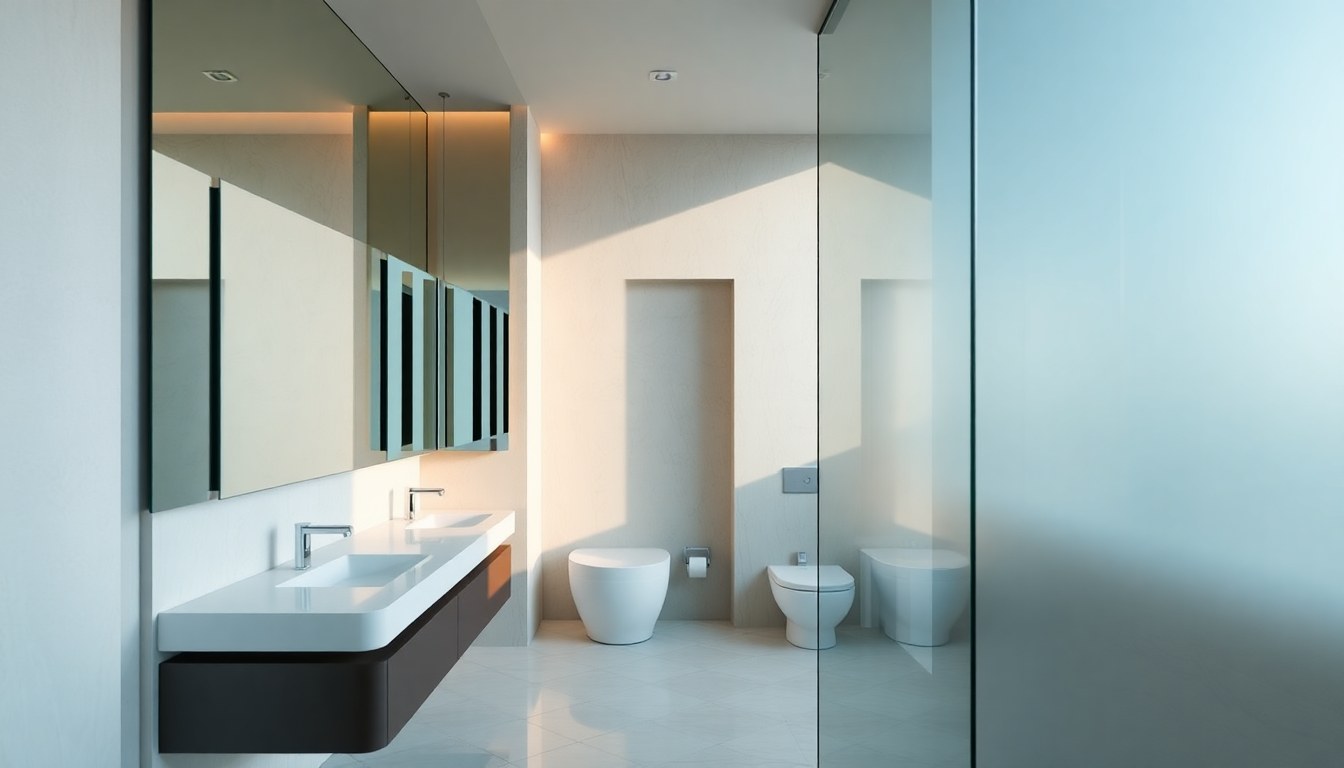
Stepping out of a hot shower in Surat's humid climate only to face a completely fogged mirror is a daily frustration for many homeowners. Heated glass mirrors with built-in anti-fog technology solve this problem by maintaining a clear reflection regardless of bathroom humidity levels. These electric demisting mirrors use thin heating elements embedded behind the glass surface to keep the mirror temperature just above the dew point, preventing condensation from forming even during monsoon season when Surat's humidity regularly exceeds 80 percent.
How Anti-Fog Mirror Technology Works
Heated bathroom mirrors employ a simple yet effective principle: by keeping the mirror surface warmer than the surrounding air, water vapor cannot condense on the glass. The technology consists of a transparent heating pad—typically made from conductive materials like carbon fiber or resistive wire—bonded to the back of the mirror. When powered on, this heating element raises the mirror surface temperature by approximately 5-10 degrees Celsius above ambient temperature, which is sufficient to prevent fog formation.
The heating process begins as soon as you activate the mirror, though most modern systems include automatic controls that sync with bathroom lighting or motion sensors. Unlike traditional methods such as wiping with soap or using chemical sprays, heated mirrors provide consistent, hands-free fog prevention. The technology is particularly valuable in coastal cities like Surat where high humidity persists throughout the year, not just during showers.
Most quality anti-fog mirrors reach their optimal operating temperature within 2-5 minutes of activation. The heating elements are designed to distribute warmth evenly across the entire mirror surface, ensuring no cold spots where condensation might still form. This even heat distribution is crucial for larger mirrors commonly installed in luxury bathrooms.
Types of Heating Elements Used in Demisting Mirrors
Resistive Wire Heating Pads
The most common type uses thin resistive wires arranged in a grid pattern across the mirror back. These wires heat up when electrical current passes through them, similar to how an electric blanket functions. Resistive wire systems are reliable, cost-effective, and available in various sizes to fit different mirror dimensions. They typically consume between 150-300 watts depending on mirror size, making them reasonably energy-efficient for daily use.
Carbon Fiber Heating Films
Premium heated mirrors often incorporate carbon fiber heating films, which offer superior heat distribution and faster warm-up times. These ultra-thin films bond seamlessly to the mirror backing and provide more uniform heating than wire grids. Carbon fiber systems are particularly effective for large format mirrors exceeding 100 centimeters in width. Though they cost approximately 30-40 percent more than resistive wire alternatives, they consume slightly less power and have longer operational lifespans, often exceeding 50,000 hours of use.
Conductive Coating Technology
The newest innovation involves transparent conductive coatings applied directly to the mirror glass during manufacturing. This technology creates an invisible heating layer that can cover the entire mirror surface without any visible components. While currently the most expensive option, conductive coating systems offer the most aesthetically pleasing solution and the most even heat distribution. These are becoming increasingly available in Indian markets as manufacturing costs decrease.
Power Consumption and Operating Costs
Understanding the electrical requirements and running costs of heated mirrors is essential for Surat homeowners concerned about electricity bills. A typical bathroom mirror measuring 60 x 80 centimeters with a resistive heating pad consumes approximately 150-200 watts when operating. If used for one hour daily—sufficient for most households—this translates to roughly 5-6 kilowatt-hours per month.
Based on Surat's average residential electricity tariff of approximately ₹7-8 per unit, monthly operating costs range from ₹35-50 for moderate use. During monsoon months when humidity is highest, you might run the mirror for longer periods, potentially increasing monthly costs to ₹60-80. However, these figures remain negligible compared to other bathroom appliances like geysers or exhaust fans.
Energy-efficient models with smart controls can reduce consumption further by automatically switching off once the mirror reaches optimal temperature or when the bathroom is unoccupied. Some premium systems include programmable timers that activate the heating element 10-15 minutes before your typical shower time, ensuring a fog-free mirror exactly when needed while minimizing unnecessary power use.
Installation Requirements and Wiring Considerations
Professional installation is strongly recommended for heated mirrors to ensure electrical safety and optimal performance. The installation process requires connecting the mirror's heating element to your home's electrical system, which must comply with Indian electrical codes and safety standards. Most heated mirrors operate on standard 220-240V AC power, the same voltage used throughout Indian homes.
The wiring setup typically involves running a dedicated circuit from your bathroom's junction box to the mirror location. Electricians will install a suitable switch—often integrated with the bathroom light switch or as a separate control—to activate the heating element. The connection point is usually concealed behind the mirror or within the wall cavity to maintain a clean aesthetic appearance.
For bathrooms undergoing renovation, planning for heated mirror installation is straightforward as electrical conduits can be incorporated during the construction phase. Retrofitting in existing bathrooms requires more careful planning to conceal wiring, though surface-mounted conduits painted to match wall colors offer a practical alternative. Installation costs in Surat typically range from ₹2,000-5,000 depending on bathroom layout and whether new circuits are required.
Safety Precautions and IP Ratings
Bathroom electrical installations must meet stringent safety requirements due to the presence of water. Look for heated mirrors with appropriate IP (Ingress Protection) ratings—ideally IP44 or higher—which indicates protection against water splashes from any direction. The heating element and all electrical connections should be completely sealed and waterproofed.
Quality heated mirrors include built-in safety features such as automatic thermal cutoffs that prevent overheating, and low-voltage transformers that reduce shock risk. Ensure your bathroom has proper GFCI (Ground Fault Circuit Interrupter) protection, which is mandatory for all bathroom electrical outlets and fixtures in modern Indian building codes. Never attempt DIY installation unless you possess qualified electrical certification.
Cost Comparison and Market Options in Surat
The Indian market offers heated bathroom mirrors across a wide price spectrum, from budget-friendly options to premium designer pieces. Basic heated mirrors without frames, measuring approximately 60 x 45 centimeters, start around ₹8,000-12,000. These entry-level models typically feature simple resistive heating pads and manual switches, suitable for small guest bathrooms or powder rooms.
Mid-range options priced between ₹15,000-30,000 offer larger dimensions, LED backlighting, touch-sensitive controls, and more sophisticated heating systems with faster warm-up times. These mirrors often include additional features like built-in digital clocks, Bluetooth speakers, or adjustable color temperature lighting—popular choices for master bathrooms in Surat's upscale residential projects.
Premium heated mirrors from international brands or custom-made pieces can exceed ₹50,000-1,00,000, featuring advanced technologies like motion sensors, smart home integration, carbon fiber heating films, and architectural-grade frames. Luxury developments in areas like Vesu and Althan increasingly specify these high-end options as standard bathroom fittings.
When comparing costs, factor in long-term benefits: heated mirrors eliminate the need for repeated chemical anti-fog treatments, reduce cleaning frequency, and add tangible value to bathroom spaces. The technology's durability means most quality heated mirrors will function flawlessly for 10-15 years with minimal maintenance, making them a worthwhile investment for homeowners planning long-term residence.
Why Surat's Climate Makes Anti-Fog Mirrors Essential
Surat's geographical location and climate patterns create particularly challenging conditions for bathroom mirrors. The city experiences high humidity levels year-round, with monsoon season bringing relative humidity consistently above 75-85 percent. Even during winter months, humidity rarely drops below 50 percent, meaning traditional mirrors fog up easily regardless of season.
The combination of hot showers and humid ambient air creates maximum condensation potential. In conventional bathrooms, mirrors can remain fogged for 10-15 minutes after showering, causing daily inconvenience during morning routines when time is precious. Exhaust fans help but often cannot remove moisture fast enough to prevent initial fogging, especially in bathrooms with inadequate ventilation.
Heated mirrors address this climate-specific challenge directly, ensuring instant clarity regardless of outdoor humidity or shower temperature. For Surat's growing population of professionals and families living in modern apartments and villas, this technology transforms the bathroom experience from frustrating to seamless. The investment becomes particularly justified when considering how frequently the feature gets used—essentially every single day throughout the year.
Frequently Asked Questions
How long do heated bathroom mirrors last?
Quality heated mirrors typically last 10-15 years with normal use, as the heating elements are sealed and protected from moisture. The mirror glass itself can last indefinitely, while the heating pad's lifespan usually exceeds 50,000 operating hours. This translates to approximately 13 years of continuous use or much longer with typical intermittent daily use. Premium models with carbon fiber heating often last even longer, and most manufacturers offer 2-5 year warranties covering the heating element.
Can I install a heated mirror myself or do I need an electrician?
Professional installation by a licensed electrician is strongly recommended and often required to maintain warranty coverage. Heated mirrors involve permanent electrical connections to your home's power system, which must comply with Indian electrical safety codes. Improper installation can create serious safety hazards in the moisture-rich bathroom environment. Installation costs in Surat typically range from ₹2,000-5,000, a worthwhile investment for safety and proper function.
Do heated mirrors consume a lot of electricity?
No, heated mirrors are quite energy-efficient. A standard bathroom mirror consumes approximately 150-200 watts when operating, similar to two LED light bulbs. With typical usage of 30-60 minutes daily, monthly electricity costs range from ₹35-80 based on Surat's residential tariffs. Smart models with automatic shutoff features consume even less by operating only when needed, making them an economical addition to modern bathrooms.
Will the heated mirror surface be too hot to touch?
No, heated mirrors are designed to be safe to touch. The surface temperature typically rises only 5-10 degrees Celsius above room temperature—just enough to prevent condensation but not enough to cause discomfort or burns. The mirror feels slightly warm to the touch, similar to a laptop surface during use. All certified heated mirrors include thermal limiters that prevent excessive heating, ensuring safe operation even if left on for extended periods.
Are anti-fog mirrors worth the investment for Surat homes?
For Surat's humid climate, heated mirrors offer excellent value through daily convenience and long-term durability. The technology eliminates persistent fogging issues that plague traditional mirrors year-round in coastal Gujarat. Beyond functionality, heated mirrors add modern appeal and increase property value, particularly important in Surat's competitive real estate market. With operating costs under ₹100 monthly and lifespans exceeding a decade, the investment pays dividends in both comfort and home value.
Ready to upgrade your bathroom with anti-fog mirror technology? Visit glassy.in, India's largest glass business directory, to connect with verified suppliers and installers of heated bathroom mirrors in Surat. Browse product catalogs, compare prices, and find experienced professionals who can help you select and install the perfect demisting mirror for your home.