
Mirrors
How to Choose the Right Mirror Thickness for Wardrobe and Bathroom Use
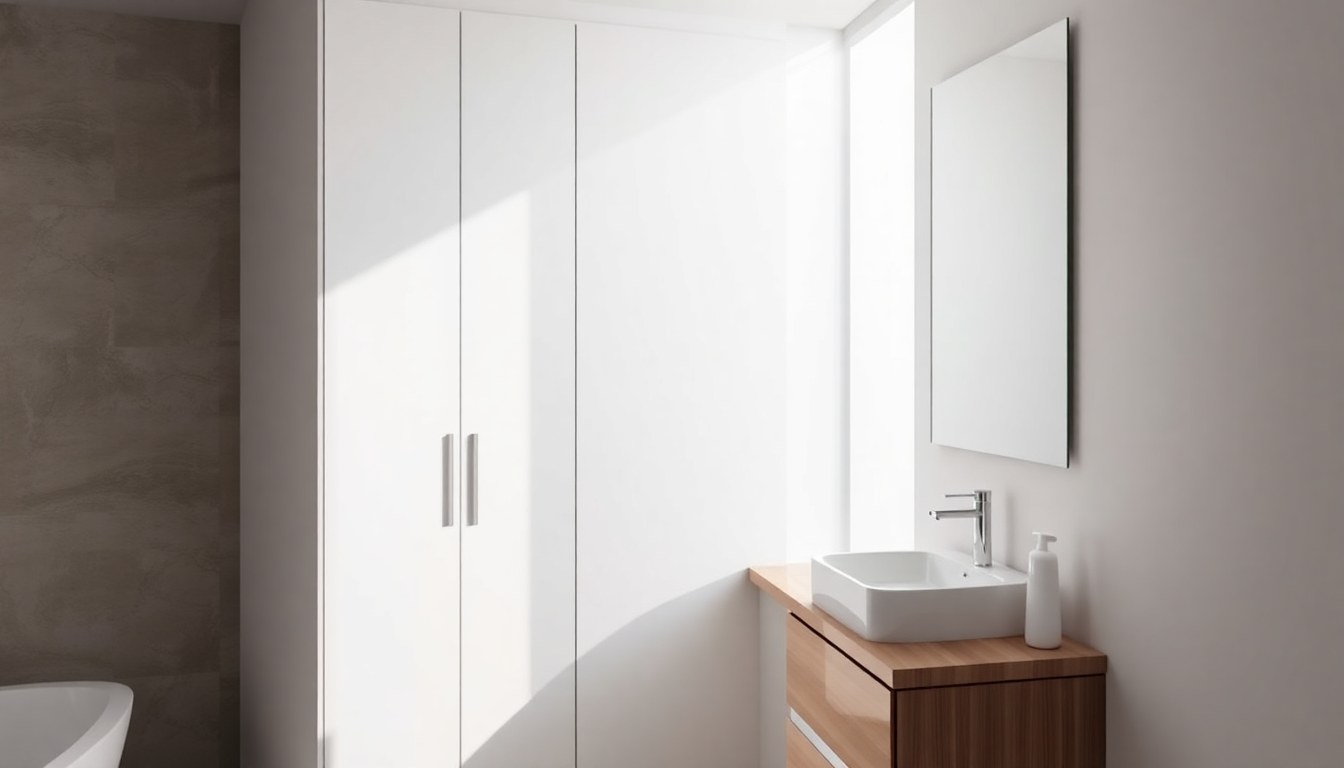
Selecting the correct mirror thickness for your wardrobe or bathroom is crucial for safety, longevity, and visual clarity. While thinner mirrors may seem cost-effective, they're prone to distortion and breakage, whereas thicker options provide better durability and reflection quality. This guide will help you understand which thickness—4mm, 5mm, or 6mm—suits your specific needs based on installation type, humidity exposure, and frame support.
Understanding Mirror Thickness Standards in India
Mirror thickness in India is typically measured in millimeters, with 4mm, 5mm, and 6mm being the most common options for residential applications. The thickness you choose directly impacts the mirror's weight, structural integrity, and resistance to warping over time. Indian manufacturers follow Bureau of Indian Standards (BIS) guidelines to ensure quality, though imported mirrors may vary slightly in actual thickness.
Thicker mirrors generally cost more per square foot, with prices ranging from ₹80-120 per square foot for 4mm mirrors to ₹150-220 per square foot for 6mm options in major cities like Mumbai, Delhi, and Bangalore. However, the additional investment in thickness often pays off through reduced replacement costs and better performance, especially in high-humidity environments common in Indian homes.
The glass substrate itself must be of high quality regardless of thickness. Look for copper-free or silver-backed mirrors that resist corrosion better than traditional mercury-backed options, particularly important given India's varied climate conditions from coastal humidity to dry inland heat.
Mirror Thickness Requirements for Wardrobe Applications
Full-Length Wardrobe Doors
For full-length wardrobe doors measuring 6 feet or taller, 5mm thickness is the recommended minimum. These large surface areas require adequate rigidity to prevent flexing when the door opens and closes. A 4mm mirror on a tall wardrobe door may develop a wavy appearance over time due to its own weight and the stress of repeated movement.
If your wardrobe door design includes minimal framing or uses frameless mounting systems, upgrading to 6mm thickness provides essential structural support. The extra millimeter significantly increases the mirror's ability to maintain flatness without additional backing support, which is particularly important for sliding door mechanisms that rely on the mirror's inherent strength.
Framed Wardrobe Mirrors
Wardrobe mirrors with substantial wooden or metal frames can safely use 4mm thickness for smaller sections (under 3 feet in any dimension). The frame bears most of the structural load and protects the edges from impact damage. This makes 4mm mirrors an economical choice for traditional wardrobe designs with divided mirror panels.
However, ensure the frame provides edge support on all four sides. Mirrors supported only at top and bottom, even with frames, should use 5mm thickness to prevent sagging in the middle. Many carpenters in India still default to 4mm for cost reasons, but insisting on proper thickness prevents future problems.
Built-in Wardrobe Considerations
Built-in wardrobes with floor-to-ceiling mirrors benefit from 6mm thickness, especially when the mirror spans the entire width without vertical dividers. These installations create a seamless, modern look but place all structural demands on the glass itself. The 6mm option ensures the mirror remains perfectly flat and distortion-free for years.
Consider that built-in wardrobes are permanent fixtures. While the upfront cost difference between 5mm and 6mm might be ₹3,000-5,000 for a large wardrobe, this investment is minimal compared to the cost and disruption of replacing a warped mirror later.
Bathroom Mirror Thickness Selection
Humidity and Moisture Resistance
Bathrooms present unique challenges due to constant humidity, temperature fluctuations, and direct water exposure. While thickness itself doesn't make a mirror waterproof, thicker mirrors (5mm or 6mm) typically receive better edge sealing and backing treatments during manufacturing. This improved quality control helps prevent moisture penetration that causes the dreaded black spots and silvering deterioration.
Indian bathrooms, particularly those without exhaust fans or windows, can reach 80-90% humidity levels during and after showers. This moisture attacks the mirror backing through any exposed edges. A 6mm mirror with properly sealed edges will outlast a poorly sealed 4mm mirror by several years in these conditions.
Above-Sink Vanity Mirrors
Standard vanity mirrors measuring 2-4 feet wide work well with 5mm thickness. This provides adequate durability while keeping weight manageable for typical wall-mounting systems. If you're installing the mirror directly against tiles without a frame, 5mm offers enough rigidity to maintain flatness despite minor wall irregularities.
For larger vanity mirrors spanning 5 feet or more, particularly popular in master bathrooms, 6mm thickness prevents the optical distortion that occurs when thinner mirrors flex slightly. This distortion might be barely noticeable day-to-day but becomes obvious when applying makeup or shaving, where precision matters.
Full-Wall Bathroom Mirrors
Full-wall mirror installations that create the illusion of expanded space require 6mm thickness as a non-negotiable standard. These large installations—often covering 6-8 feet in height and similar widths—must resist both their own weight and the constant thermal expansion and contraction from bathroom temperature changes.
The installation method also matters significantly. Full-wall mirrors should be mounted with both adhesive and mechanical clips or J-channels at the bottom for support. The 6mm thickness works with these mounting systems to distribute weight evenly and prevent stress concentration points that could cause cracking.
Frame Support and Mounting Considerations
The relationship between mirror thickness and frame support is inverse: stronger frames allow thinner mirrors, while frameless or minimally framed installations demand thicker glass. A robust wooden frame with continuous edge support can safely hold a 4mm mirror, whereas a frameless installation of the same size requires 6mm for equivalent safety and longevity.
Adhesive mounting, common in modern Indian homes, works best with 5mm or 6mm mirrors. The thicker glass provides a more stable bonding surface and reduces the risk of the mirror pulling away from the wall over time. Mirror adhesives cure over 24-48 hours, and during this period, thicker mirrors maintain their position better without additional support.
Mechanical mounting systems like clips, channels, or rosettes distribute load more effectively than adhesive alone. When using these systems with 4mm mirrors, ensure clips are spaced no more than 18 inches apart. For 5mm and 6mm mirrors, spacing can extend to 24-30 inches while maintaining safety, reducing the number of wall penetrations needed.
Distortion Prevention and Optical Clarity
Mirror distortion occurs when glass flexes under its own weight or external pressure, creating wavy reflections that distort your image. This problem intensifies with larger mirror sizes and thinner glass. A 4mm mirror measuring 4 feet by 6 feet will almost certainly develop some distortion over time, while a 6mm mirror of the same size will remain optically true for decades.
The human eye easily detects distortion when it affects familiar features like facial proportions. This makes distortion particularly problematic in bathroom mirrors used for grooming and wardrobe mirrors used for checking appearance before leaving home. Investing in adequate thickness ensures the reflection you see accurately represents your appearance.
Temperature-induced distortion is another concern in Indian climates. Mirrors exposed to direct sunlight through windows or mounted on exterior walls that heat up during summer can develop temporary distortion. Thicker mirrors resist this thermal warping better, maintaining flat surfaces even when the wall behind them expands or contracts with temperature changes.
Cost-Benefit Analysis for Indian Homes
When evaluating mirror thickness options, consider the total cost of ownership rather than just purchase price. A 4mm mirror might cost ₹4,000 for a wardrobe door, while a 5mm version costs ₹5,500 and 6mm reaches ₹7,000. However, if the 4mm mirror needs replacement in 5-7 years due to warping or damage, while the 6mm mirror lasts 15-20 years, the thicker option costs less annually.
Installation costs remain relatively constant across thicknesses, though 6mm mirrors may require additional labor for handling due to increased weight. Factor in ₹500-1,500 extra for professional installation of 6mm mirrors compared to 4mm, depending on size and location. This one-time cost is negligible spread over the mirror's lifespan.
Property value considerations also matter. Quality fittings including appropriately thick mirrors contribute to overall home value and appeal to discerning buyers. Thin, warped mirrors signal corner-cutting during construction or renovation, while substantial 5mm or 6mm mirrors indicate attention to quality—a factor increasingly important in India's competitive real estate market.
Frequently Asked Questions
What is the best mirror thickness for a sliding wardrobe door?
For sliding wardrobe doors, 5mm thickness is the optimal choice for doors up to 7 feet tall and 3 feet wide. This thickness provides enough rigidity to prevent flexing during sliding motion while keeping weight manageable for the track system. For larger doors or frameless designs, upgrade to 6mm to ensure long-term flatness and prevent the mirror from developing waves or distortion.
Can I use 4mm mirror in my bathroom?
You can use 4mm mirrors in bathrooms for small applications like medicine cabinet doors or decorative accent mirrors under 2 feet in any dimension. However, for main vanity mirrors or larger installations, 5mm is the recommended minimum due to better edge sealing and moisture resistance. Bathrooms with poor ventilation or high humidity should use 6mm mirrors with premium edge sealing to prevent silvering deterioration.
How much weight difference is there between 4mm and 6mm mirrors?
A 6mm mirror weighs approximately 50% more than a 4mm mirror of the same size. For example, a 4mm mirror measuring 3 feet by 6 feet weighs about 18 kg, while the same size in 6mm weighs approximately 27 kg. This weight difference requires stronger mounting systems for 6mm mirrors, but the improved structural integrity and distortion resistance justify the additional installation requirements.
Will a thicker mirror provide better reflection quality?
Thickness itself doesn't directly improve reflection quality—that depends on the silvering process and coating quality. However, thicker mirrors maintain better optical clarity over time because they resist warping and flexing that cause distortion. A flat 6mm mirror will provide consistently accurate reflections for decades, while a thinner mirror might develop subtle waves that distort your image as it ages.
Is 6mm mirror thickness necessary for frameless bathroom mirrors?
Yes, 6mm thickness is strongly recommended for frameless bathroom mirrors, especially those larger than 3 feet in any dimension. Frameless installations rely entirely on the glass's structural strength, and the humid bathroom environment creates additional stress through temperature fluctuations. The 6mm thickness ensures the mirror remains safely mounted and optically flat without frame support, preventing accidents and maintaining appearance quality.
Choosing the right mirror thickness protects your investment and ensures years of clear, distortion-free reflections in your wardrobes and bathrooms. For expert guidance and access to quality mirror suppliers across India, explore the comprehensive glass business directory at glassy.in, where you'll find verified manufacturers, dealers, and installation professionals in your city.