
Mirrors
Mirror Glass Standards: Safety Certification & Installation Best Practices
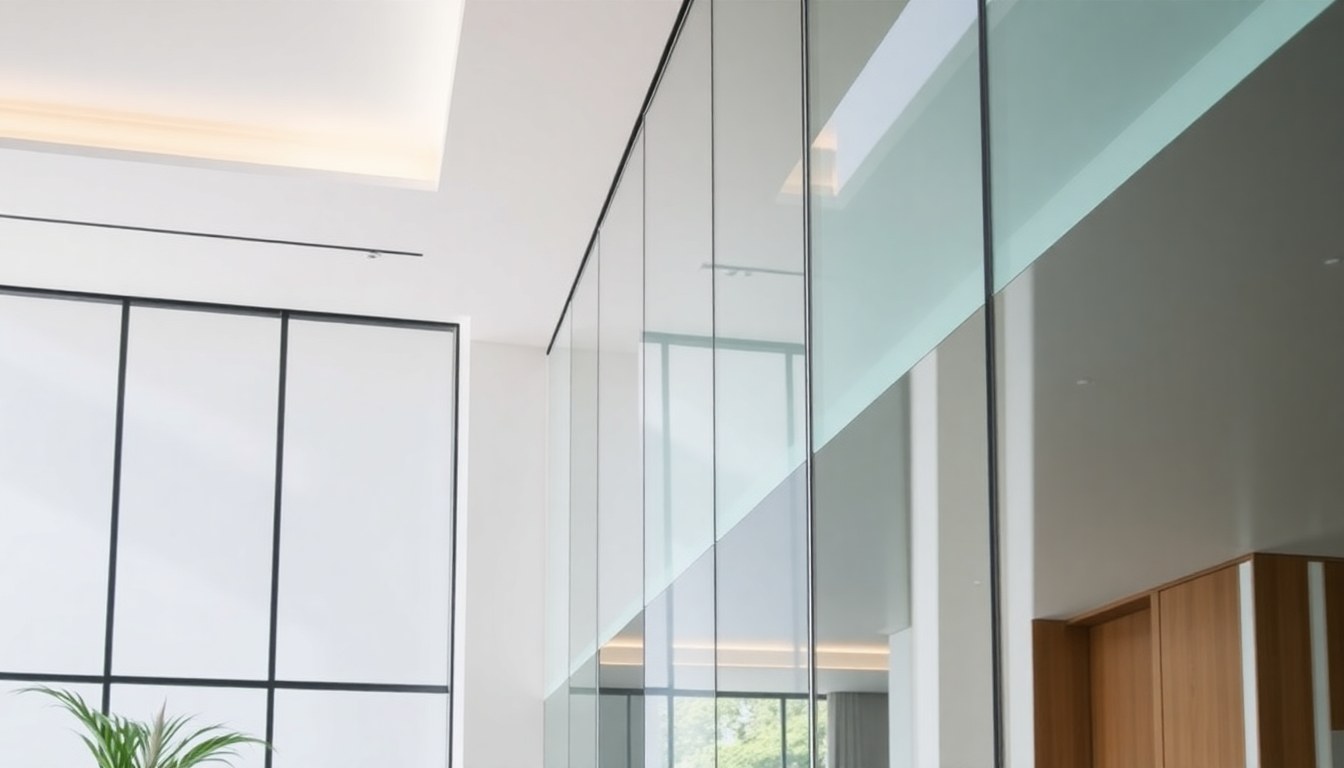
Mirror glass is a staple in Indian homes and commercial spaces, but its safety often goes overlooked. When mirrors are improperly installed or fail to meet safety standards, they can shatter unexpectedly, causing serious injuries. Understanding IS codes, backing materials, and professional installation requirements is essential to ensure your mirrors are both safe and long-lasting.
Understanding IS Codes for Mirror Glass in India
India's Bureau of Indian Standards (BIS) has established comprehensive codes governing mirror glass manufacturing and installation. The primary standard is IS 3548:2016, which specifies requirements for glass mirrors used in buildings. This code covers dimensions, tolerances, surface quality, backing materials, and performance under various environmental conditions.
IS 3548:2016 ensures that mirrors sold in India meet minimum quality benchmarks. The standard mandates testing for adhesion of backing materials, resistance to moisture, and durability over extended periods. Compliance with this code is not just a recommendation—it's a critical safeguard for end-users. Manufacturers and installers who follow these standards reduce liability and ensure customer safety.
Beyond IS 3548, the National Building Code of India (NBC) provides guidelines for mirror installation in specific locations such as bathrooms, kitchens, and commercial establishments. The NBC emphasizes proper mounting, adequate support, and edge protection to prevent accidental injuries.
Backing Materials and Composition Standards
The backing of a mirror is as important as the glass itself. A poor-quality backing can lead to delamination, corrosion, and eventual mirror failure. IS 3548 specifies that mirror backing must consist of a copper or silver reflective layer applied to the glass surface, followed by protective coatings and a base layer.
Types of Backing Materials
- Copper backing: Offers excellent durability and resistance to moisture. Commonly used in high-humidity environments like bathrooms and kitchens.
- Silver backing: Provides superior reflectivity and is preferred for decorative mirrors. However, it requires robust protective coatings to prevent tarnishing.
- Protective coatings: Applied over the reflective layer, these coatings (typically epoxy or polyester-based) prevent oxidation and extend mirror lifespan.
- Base layer: Usually made of paint or lacquer, this layer protects the backing from mechanical damage and moisture ingress.
IS 3548 mandates that backing adhesion must withstand specific stress tests. Mirrors tested for adhesion must retain their backing when subjected to humidity chambers, thermal cycling, and mechanical stress. Poor adhesion results in backing separation, visible dark spots, and eventual mirror deterioration.
Edge Protection and Safety Requirements
Sharp glass edges pose a significant injury risk, especially in residential settings with children or elderly family members. IS 3548 and NBC guidelines require proper edge finishing for all mirrors used in buildings.
Edge Finishing Standards
- Polished edges: The preferred finish for mirrors in living spaces. Polishing removes sharp microstructures and reduces breakage risk upon impact.
- Beveled edges: Angled edges that are both decorative and safer than standard cut edges. Common in premium mirrors.
- Seamed edges: Wrapped or bound edges using protective materials like vinyl or rubber strips. Often used in commercial installations.
For mirrors in high-traffic areas or where safety is paramount, tempered glass mirrors are recommended. Tempered glass undergoes heat treatment to increase strength and, if broken, shatters into small, less dangerous fragments rather than large shards. While tempered mirrors cost 20-30% more than standard mirrors, the safety benefit justifies the investment for bathrooms, gyms, and commercial establishments.
Additionally, mirrors in bathrooms and kitchens should have moisture-resistant backing and edge sealing to prevent water ingress. This extends the mirror's lifespan and maintains its aesthetic appearance over years of use.
Professional Installation Requirements
Even the highest-quality mirror can fail if installed improperly. IS 3548 and NBC guidelines outline specific installation practices that professionals must follow.
Pre-Installation Assessment
Before installation, professionals should inspect the wall surface for levelness, moisture content, and structural integrity. Walls must be clean, dry, and free from dust or loose paint. For bathrooms and kitchens, waterproofing the wall before mirror installation is essential to prevent moisture from seeping behind the glass.
Mounting Systems
Mirrors can be mounted using adhesive, mechanical fasteners, or a combination of both. Each method has specific requirements:
- Adhesive mounting: Uses mirror-specific adhesives (typically silicone or polyurethane-based) that bond the mirror to the wall. The adhesive must be applied in a grid pattern to ensure full contact and prevent air pockets.
- Mechanical fasteners: Stainless steel brackets, clamps, or hooks that support the mirror's weight. Fasteners must be installed into wall studs or using expansion anchors rated for the mirror's weight.
- Hybrid systems: Combine adhesive and mechanical support for maximum safety, especially for large mirrors.
IS 3548 specifies that mirrors larger than 1.5 meters in any dimension must use mechanical support in addition to adhesive. This dual-support approach prevents mirror drop or slippage due to adhesive degradation over time.
Weight and Load Capacity
A typical 5mm glass mirror weighs approximately 12-13 kg per square meter. Professional installers must calculate the total weight and ensure the wall and fastening system can support it. For mirrors exceeding 50 kg, structural reinforcement of the wall may be necessary.
Installers should use load-rated brackets and fasteners clearly marked with their weight capacity. In India, stainless steel fasteners rated for 25-100 kg are commonly available at hardware suppliers and cost between ₹500 to ₹2,000 depending on type and quality.
Installation Best Practices for Different Spaces
Different environments require tailored installation approaches to ensure safety and longevity.
Bathroom Mirror Installation
Bathrooms are high-moisture environments that demand extra attention. Moisture-resistant backing is non-negotiable. Installers should apply waterproofing sealant around the mirror edges and ensure adequate ventilation to prevent condensation buildup. Mirrors in bathrooms should be positioned at least 15 cm above the sink to avoid direct water splash.
Kitchen Mirror Installation
Kitchen mirrors are exposed to heat, steam, and occasional splashes. Tempered glass is recommended for kitchen installations. Mirrors should be mounted on walls away from direct heat sources like stoves or ovens. Edge sealing with silicone sealant prevents moisture and cooking grease from penetrating the backing.
Commercial Space Installation
Gyms, salons, retail stores, and offices have higher safety and durability requirements. Tempered glass is mandatory for floor-to-ceiling mirrors or mirrors in high-traffic areas. Mechanical support systems with visible brackets are preferred over adhesive-only mounting. Regular maintenance inspections should be scheduled quarterly to check for backing deterioration or mechanical wear.
Maintenance and Compliance Verification
Post-installation maintenance ensures mirrors remain safe and functional. Regular inspection for signs of backing deterioration, edge damage, or fastener corrosion is essential.
Property owners and facility managers should maintain documentation of mirror installation, including the installer's credentials, materials used, and installation date. For commercial establishments, periodic safety audits by qualified professionals ensure ongoing compliance with IS codes and NBC guidelines.
If a mirror shows signs of backing failure (dark spots, peeling, or moisture behind the glass), it should be replaced immediately. Attempting to repair a failed mirror is unsafe and typically more expensive than replacement.
Frequently Asked Questions
What is the difference between IS 3548 and tempered glass standards?
IS 3548:2016 covers general mirror glass quality, backing materials, and surface requirements. Tempered glass standards (covered under IS 13551 for safety glass) focus on strength and fracture behavior. A mirror can comply with IS 3548 without being tempered. However, tempered mirrors offer additional safety benefits and should be used in high-risk areas like bathrooms with children or commercial spaces.
How long do mirrors typically last if installed to IS standards?
Mirrors installed according to IS 3548 and professional best practices typically last 10-15 years or longer. Longevity depends on environmental conditions, backing quality, and maintenance. Mirrors in humid bathrooms may require replacement sooner if moisture breaches the backing. High-quality mirrors with copper backing in dry environments can last 20+ years.
Can I install a mirror myself, or should I hire a professional?
Small mirrors (under 1 meter) can be installed by homeowners using adhesive and simple fasteners. However, larger mirrors or those in bathrooms should be installed by professionals who understand load calculations, waterproofing, and proper fastening techniques. Professional installation ensures compliance with IS codes and typically includes a warranty.
What should I look for when buying mirror glass to ensure it meets IS standards?
Purchase mirrors from manufacturers or suppliers who explicitly state IS 3548 compliance. Check for BIS certification marks on packaging or product documentation. Inspect the backing for uniformity and absence of dark spots. Request details about the backing material (copper vs. silver) and protective coatings. Reputable suppliers in India like Asahi, Saint-Gobain, and local certified manufacturers provide mirrors with proper documentation.
Are there specific safety standards for mirrors in childcare or educational facilities?
Yes. The National Building Code mandates additional safety measures for mirrors in spaces frequented by children. Tempered glass is required, and mirrors must be mounted securely with mechanical support. Mirrors should be positioned out of direct reach where possible, and edge protection (beveled or wrapped edges) is essential. Facilities should conduct annual safety audits to ensure ongoing compliance.
Mirror safety is not an afterthought—it's a fundamental aspect of building design and maintenance. By understanding IS codes, selecting quality materials, and ensuring professional installation, you protect occupants from injury and extend your mirror's lifespan. Explore trusted glass suppliers and certified installers on glassy.in to find verified professionals in your area who adhere to these safety standards.