
Mirrors
Mirror Polishing & Edge Finishing: Beveled vs Polished Edges Explained
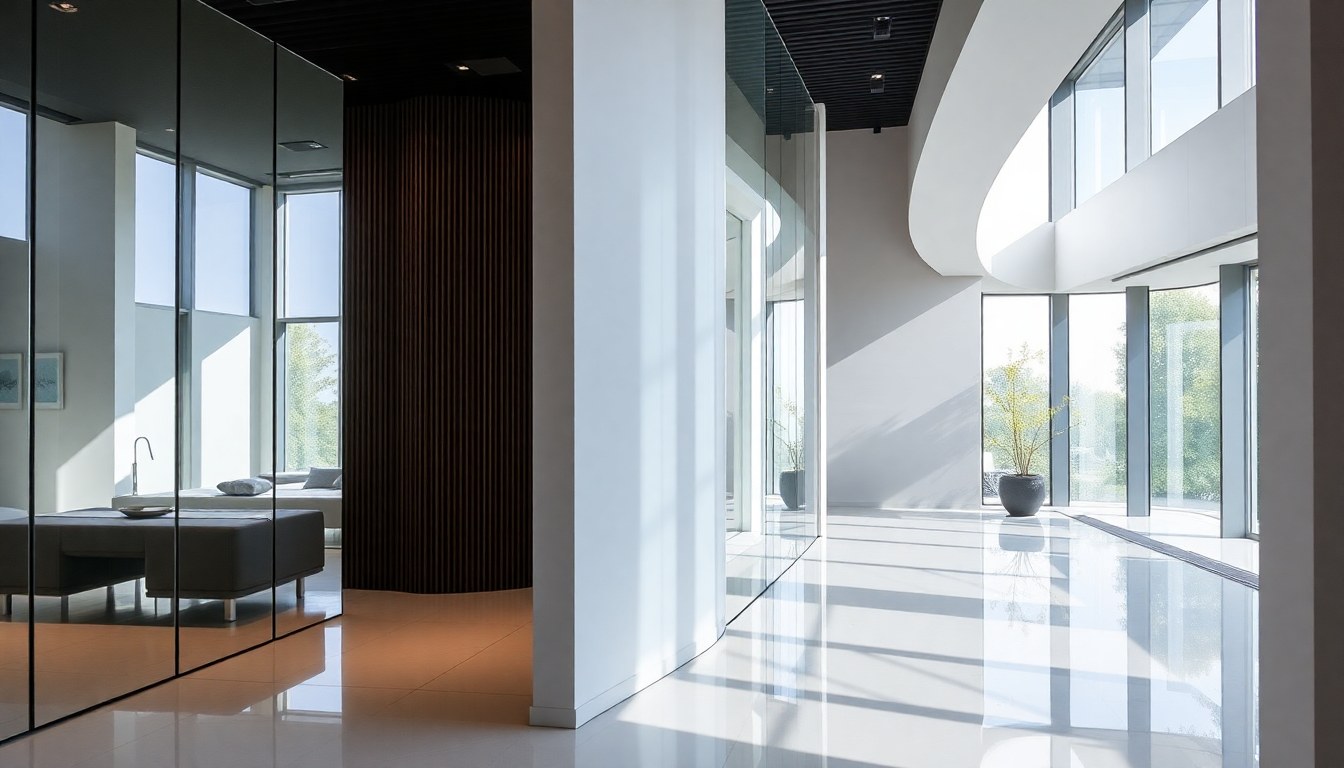
Mirror edge finishing is far more than a cosmetic detail—it directly impacts safety, durability, and the overall aesthetic appeal of your mirror installation. Whether you're specifying mirrors for a luxury hotel, residential bathroom, or retail showroom, understanding the difference between beveled and polished edges will help you make informed decisions that protect both your investment and your users.
What Is Mirror Edge Polishing?
Mirror edge polishing is a finishing process that smooths and refines the raw edges of cut mirror glass. When mirror glass is cut to size, the edges are inherently sharp and prone to chipping—a hazard for both installers and end-users. Polishing removes these sharp edges and creates a smooth, safe surface that also enhances the mirror's visual presentation.
The polishing process involves grinding the edge with progressively finer abrasive materials, starting with coarse grits and finishing with fine polishing compounds. This multi-stage approach ensures the edge is not only safe but also optically clear and visually refined. Professional mirror manufacturers in India, particularly in Bangalore's thriving glass industry, employ specialized equipment and skilled technicians to achieve consistent, high-quality finishes across large production volumes.
Beveled Edges: Design and Functionality
A beveled edge is created by cutting the mirror glass at an angle—typically between 15 to 45 degrees—along the perimeter. This angled cut creates a distinctive chamfered edge that catches and reflects light beautifully, adding visual depth and sophistication to the mirror. Beveled edges are particularly popular in premium residential applications, decorative mirrors, and architectural installations where aesthetics matter as much as function.
Common Beveling Angles
- 15-degree bevel: Subtle and understated, suitable for modern minimalist designs
- 25-degree bevel: The most popular angle, offering a balanced visual impact
- 45-degree bevel: Creates a dramatic, highly reflective edge effect; often used in luxury applications
The beveling process requires precision cutting equipment and must be executed before the polishing stage. Bangalore manufacturers typically use CNC-controlled beveling machines to maintain consistent angles and ensure repeatable quality. The beveled surface is then polished to achieve a smooth, gleaming finish that showcases the mirror's craftsmanship.
Advantages of Beveled Edges
- Creates a premium, high-end appearance
- Adds visual interest and light-reflecting properties
- Ideal for decorative and statement mirrors
- Enhances perceived value and quality
Polished Edges: Clean and Contemporary
A polished edge is a straight edge that has been smoothed and refined through grinding and polishing, without any angular cut. The result is a clean, flat edge with a bright, glossy finish that reflects light evenly. Polished edges are the industry standard for functional mirrors in bathrooms, medical facilities, and commercial spaces where simplicity and safety are paramount.
The polishing process for straight edges typically involves multiple grinding stages followed by fine polishing with compounds that create a mirror-like finish. The edge becomes completely safe to touch and handle, with no sharp points or rough surfaces. This is why polished edges are mandated in many commercial and institutional settings, from hospitals in Mumbai to corporate offices in Bangalore.
Advantages of Polished Edges
- Maximizes safety by eliminating sharp edges
- Clean, minimalist aesthetic suitable for modern interiors
- Lower cost compared to beveled edges
- Easier and faster to produce at scale
- Ideal for frameless mirror installations
Beveled vs Polished: Key Differences
The primary difference lies in the geometry and visual effect. Beveled edges feature an angled surface that creates light refraction and visual dimension, while polished edges maintain a straight profile with a smooth, reflective finish. From a production standpoint, beveled edges require an additional cutting step before polishing, which increases both time and cost.
| Aspect | Beveled Edge | Polished Edge |
|---|---|---|
| Visual Appearance | Angled, reflective, dimensional | Straight, clean, minimalist |
| Cost | Higher (additional cutting step) | Lower (standard process) |
| Production Time | Longer | Shorter |
| Best For | Decorative, premium residential | Functional, commercial, institutional |
| Safety | Safe when properly polished | Inherently safe, standard compliant |
Professional Polishing Techniques Used by Bangalore Manufacturers
Bangalore has emerged as a hub for precision glass finishing in India, with manufacturers employing state-of-the-art equipment and trained technicians. The polishing process follows a standardized workflow that ensures consistent quality and safety compliance.
Multi-Stage Polishing Process
- Coarse grinding: Removes sharp edges and imperfections using 80-120 grit abrasives
- Medium grinding: Refines the edge profile using 150-240 grit materials
- Fine grinding: Creates a smooth surface using 400-600 grit abrasives
- Polishing: Applies fine polishing compounds to achieve a glossy, reflective finish
- Quality inspection: Visual and tactile verification that edges meet safety standards
Advanced manufacturers in Bangalore use automated edge-polishing machines that can process multiple mirrors simultaneously, maintaining precision while reducing labor costs. These machines are equipped with sensors and programmable controls to ensure repeatability and consistency across batches. For custom or specialty work, skilled craftspeople perform hand-finishing to achieve the highest standards of quality.
Choosing the Right Edge Finish for Your Project
Your choice between beveled and polished edges should be guided by your project's purpose, budget, and aesthetic goals. For residential bathrooms and bedrooms, either option works well—beveled edges add luxury and visual interest, while polished edges offer simplicity and cost savings. For commercial applications like hotels, offices, and retail spaces, the decision often hinges on the overall design theme and budget constraints.
If you're installing large frameless mirrors or mirrors in high-traffic areas, polished edges are typically recommended for safety and ease of maintenance. For decorative mirrors, feature walls, or luxury applications, beveled edges justify the additional investment by elevating the perceived quality and creating a more sophisticated aesthetic. Consult with your mirror supplier in Bangalore or your local region to understand the cost differential and lead time implications of each option.
Consider also the thickness of the glass. Thicker mirrors (8mm to 12mm) showcase beveled edges more dramatically than thinner glass, making the investment in beveling more worthwhile. Thinner mirrors (4mm to 6mm) may appear delicate with heavy bevels, so polished edges often suit them better.
Frequently Asked Questions
What is the typical cost difference between beveled and polished mirror edges?
Beveled edges typically cost 20-40% more than polished edges, depending on the bevel angle, glass thickness, and production volume. A standard polished-edge mirror might cost ₹500-800 per square meter, while a beveled-edge mirror could range from ₹650-1200 per square meter. Exact pricing varies by manufacturer and region, so it's best to request quotes from suppliers in your area.
Are beveled edges safe for bathroom use?
Yes, when properly polished, beveled edges are completely safe for bathroom use. The polishing process smooths all surfaces, including the angled bevel, eliminating sharp edges. However, the straight polished edge is the industry standard for wet environments because it's easier to clean and maintain, with no crevices where moisture can accumulate.
Can I add a bevel to an existing polished mirror?
Technically, yes, but it's not practical or cost-effective. Adding a bevel to an already-finished mirror would require re-cutting the edge, which risks damaging the mirror's reflective coating. It's always better to specify your edge finish before manufacturing. If you need to modify an existing mirror, it's usually more economical to commission a new one with your desired finish.
What safety standards apply to mirror edge finishing in India?
Mirror edges in India must comply with IS 2553 (Indian Standard for safety requirements for mirrors) and IS 2553-1 (Safety of glass in buildings). These standards mandate smooth, safe edges with no sharp points or rough surfaces. Both beveled and polished edges can meet these standards when properly finished. Always verify compliance with your supplier.
How do I maintain the shine on polished mirror edges?
Clean polished edges regularly with a soft, damp cloth and mild glass cleaner. Avoid abrasive scrubbers or harsh chemicals that can dull the finish. For beveled edges, use a soft brush or cloth to gently clean the angled surfaces, as dust can accumulate in the recessed areas. Both finishes maintain their shine indefinitely with proper care.
Whether you're sourcing mirrors for a residential renovation or a large commercial project, understanding edge finishing options empowers you to make choices that balance aesthetics, safety, and budget. Connect with verified glass suppliers and manufacturers through Glassy.in, India's largest glass-business directory, to find the perfect mirror solutions tailored to your specific requirements.