
Mirrors
Mirror Backing & Anti-Corrosion: Maintenance for Bathroom & Bedroom Mirrors
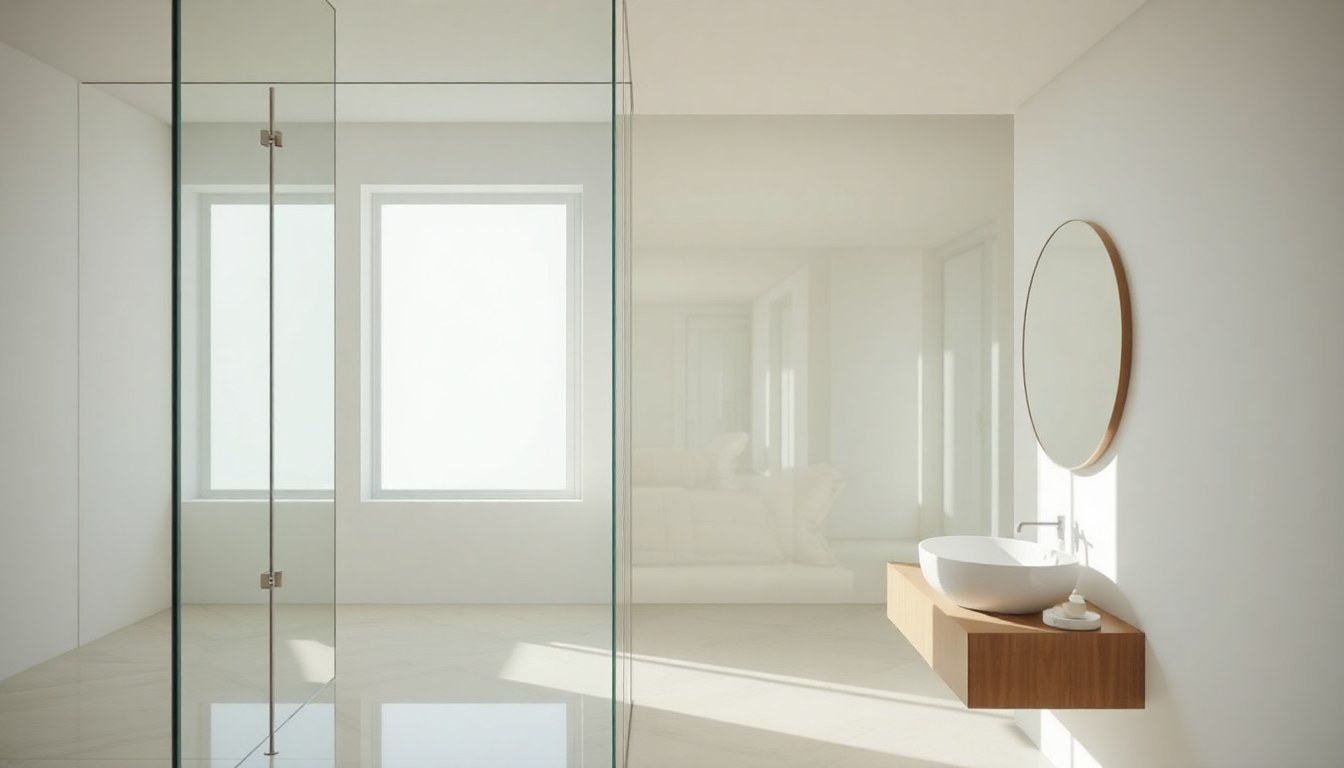
Mirrors in bathrooms and bedrooms face constant moisture exposure, leading to backing corrosion, spotting, and deterioration of the reflective surface. Understanding mirror backing materials and implementing proper maintenance routines can significantly extend the life of your mirrors and keep them looking pristine. This guide covers everything you need to know about preventing mirror degradation in humid environments.
Understanding Mirror Backing and Its Role in Corrosion
Mirror backing is the metallic coating applied to the rear surface of glass that creates the reflective property. Traditionally, mirrors used a silver amalgam backing, but modern mirrors often employ aluminum or copper-based coatings. The backing is vulnerable to moisture penetration, which oxidizes the metal and causes the silvering to deteriorate—a process known as mirror corrosion or "mirror rot."
The backing layer is typically protected by a paint or lacquer coating, but in high-humidity environments like bathrooms, even small cracks or manufacturing defects can allow moisture to seep behind the glass. Once moisture reaches the backing, it triggers a chemical reaction that degrades the reflective surface from behind, creating dark spots, cloudy patches, or complete loss of reflectivity in affected areas.
Common Backing Materials in Modern Mirrors
- Aluminum backing: Lightweight, cost-effective, and resistant to corrosion. Commonly used in residential mirrors.
- Silver amalgam: Provides superior reflectivity but is more susceptible to oxidation without proper sealing.
- Copper backing: Offers excellent reflectivity but requires robust protective coatings to prevent tarnishing.
- Multi-layer coatings: Modern mirrors use multiple thin layers of metals and oxides to enhance durability and reflectivity.
Moisture Barriers: The First Line of Defense
A quality moisture barrier is essential for bathroom mirrors. The backing paint or lacquer acts as the primary moisture barrier, but its effectiveness depends on application quality and environmental conditions. Premium mirrors feature multiple protective layers including epoxy resins, polyester coatings, or specialized polymer sealants designed to repel water and prevent vapor transmission.
When purchasing mirrors for bathrooms, look for products explicitly rated for high-moisture environments. Manufacturers often specify moisture vapor transmission rates (MVTR)—lower values indicate better protection. Mirrors with MVTR ratings below 5 grams per square meter per day offer excellent protection for bathroom use. Additionally, sealed edges and corner protection prevent moisture from entering through the perimeter of the mirror.
Protective Coatings and Sealants
Modern bathroom mirrors often feature protective coatings such as:
- Polyester lacquer: Provides a glossy finish and moderate moisture resistance.
- Epoxy resin: Offers superior adhesion and moisture barrier properties.
- Polyurethane coating: Highly durable and resistant to chemical degradation.
- Ceramic or silica-based coatings: Premium option providing maximum protection against humidity and temperature fluctuations.
Maintenance Practices for Bathroom Mirrors
Regular maintenance significantly reduces the risk of corrosion and extends mirror lifespan. The key is controlling moisture exposure and preventing water from pooling or dripping on the mirror surface and edges. Establish a simple cleaning and care routine to protect your investment.
After bathing or showering, wipe your mirror with a soft, dry cloth to remove water droplets and condensation. This simple step prevents prolonged moisture contact with the backing and edges. Ensure your bathroom has adequate ventilation—use exhaust fans during and for 20-30 minutes after showers to reduce humidity levels. Aim to keep bathroom humidity below 60% relative humidity to minimize corrosion risk.
Daily and Weekly Care
- Wipe mirrors immediately after hot showers to remove condensation.
- Use microfiber cloths or soft cotton cloths—avoid abrasive materials that scratch the surface.
- For cleaning, use distilled water or a mild glass cleaner; avoid harsh chemicals or vinegar-based solutions.
- Dry the mirror frame and mounting area weekly to prevent moisture accumulation.
- Inspect edges and corners regularly for signs of moisture or discoloration.
Monthly and Seasonal Maintenance
Once monthly, inspect your mirror's backing and edges under good lighting. Look for dark spots, cloudy areas, or color changes that indicate backing corrosion. Check that the mirror is securely mounted and that sealant around edges remains intact. In monsoon seasons or high-humidity periods, increase ventilation efforts and consider using a dehumidifier in the bathroom.
Ensure caulking or sealant around mirror edges remains waterproof. If you notice cracks or separation, reseal promptly using a waterproof silicone sealant rated for bathrooms. This prevents moisture from seeping behind the glass and reaching the vulnerable backing layer.
Anti-Corrosion Solutions and Treatments
If your existing mirror shows early signs of corrosion, several treatments can slow or halt the degradation. These solutions work best when applied early, before significant backing damage occurs. However, prevention remains more cost-effective than repair.
Protective Films and Coatings
Anti-corrosion films can be applied to the back of mirrors to create an additional moisture barrier. These transparent or opaque films adhere to the existing backing and prevent further oxidation. Professional installation ensures proper adhesion and complete coverage. The cost typically ranges from ₹500 to ₹2,000 depending on mirror size and film quality.
Some manufacturers offer mirror-backing sealant sprays designed for DIY application. These products create a waterproof layer over existing backing damage. While less effective than professional films, they offer a budget-friendly temporary solution (₹300-₹800) for mirrors showing early corrosion signs.
Backing Replacement Services
For severely corroded mirrors with significant spotting or loss of reflectivity, professional re-silvering or backing replacement may be necessary. This process involves removing the old backing, cleaning the glass, and applying new reflective coating with modern protective layers. Re-silvering costs vary by mirror size and location but typically range from ₹1,500 to ₹5,000 per square meter in major Indian cities. This option restores mirrors to near-new condition and often includes improved backing materials with superior corrosion resistance.
Choosing Corrosion-Resistant Mirrors for New Installations
If installing new mirrors in bathrooms or bedrooms, prioritize corrosion-resistant options from the start. Quality mirrors designed for humid environments significantly outlast budget alternatives and reduce long-term maintenance costs.
What to Look for When Buying Mirrors
- Manufacturer warranty: Reputable brands offer 5-10 year warranties against backing corrosion on bathroom mirrors.
- Backing specification: Confirm the mirror uses aluminum or modern multi-layer backing rather than older silver amalgam.
- Protective coating thickness: Thicker protective layers (typically 25-40 microns) provide better moisture resistance.
- Edge sealing: Verify that edges are sealed or polished to prevent moisture entry.
- Moisture rating: Look for products tested and rated for bathroom use or high-humidity environments.
- Installation requirements: Ensure proper mounting with waterproof sealants and adequate ventilation considerations.
Premium brands like Hindustan Mirrors, Saint-Gobain, and Borosil offer bathroom-grade mirrors with superior corrosion resistance. While these cost 20-40% more than basic mirrors, the extended lifespan and reduced maintenance justify the investment.
Environmental Factors and Their Impact
Beyond humidity, several environmental factors influence mirror corrosion rates. Temperature fluctuations cause expansion and contraction of glass and backing materials, potentially creating micro-cracks that allow moisture penetration. Coastal areas with salt spray and areas with hard water deposits face additional challenges due to mineral content in water and air.
Bathroom ventilation quality directly impacts mirror longevity. Bathrooms without exhaust fans or with inadequate ventilation experience significantly higher humidity levels, accelerating corrosion. Installing or upgrading to a high-capacity exhaust fan (250-300 CFM minimum for typical bathrooms) is one of the most effective corrosion prevention measures. Additionally, avoid placing mirrors in direct line with shower spray, as constant water contact degrades backing protection rapidly.
In bedrooms, mirrors generally face less moisture stress than bathrooms. However, bedrooms in humid climates or those with poor air circulation can still experience backing corrosion over time. Ensure adequate air circulation and avoid placing bedroom mirrors directly opposite windows or in areas prone to condensation.
Frequently Asked Questions
How long do bathroom mirrors typically last before corrosion becomes visible?
Budget mirrors in high-humidity bathrooms may show corrosion within 3-5 years, while quality bathroom-grade mirrors typically last 10-15 years or more. Lifespan depends on ventilation quality, maintenance practices, and backing material. Mirrors with superior protective coatings and proper maintenance can remain corrosion-free for 20+ years.
Can mirror corrosion be reversed or repaired?
Early-stage corrosion (small dark spots) may be slowed using protective films or sealant sprays, but cannot be fully reversed. Professional re-silvering can restore severely corroded mirrors to like-new condition, though this is more cost-effective for large, valuable mirrors. For most residential mirrors, replacement is more practical than repair.
What humidity level is safe for bathroom mirrors?
Relative humidity below 60% minimizes corrosion risk for standard mirrors. Humidity between 60-75% accelerates backing degradation, while levels above 75% cause rapid corrosion. Using exhaust fans during and after showers helps maintain humidity within the safe range.
Is it better to use a dehumidifier or exhaust fan for mirror protection?
Exhaust fans are more effective and energy-efficient for bathroom moisture control. They remove humid air directly from the space rather than recirculating it. However, combining a properly functioning exhaust fan with a dehumidifier provides maximum protection in very humid climates or poorly ventilated bathrooms.
What's the cost difference between standard and corrosion-resistant mirrors?
Corrosion-resistant bathroom mirrors typically cost ₹2,000-₹8,000 per square meter compared to ₹1,000-₹3,000 for standard mirrors, depending on quality and brand. While the upfront cost is higher, the extended lifespan and reduced maintenance make them more economical long-term, especially in high-humidity environments.
Protect your mirrors and maintain their clarity for years to come by understanding backing materials, implementing proper maintenance, and investing in quality products designed for humid environments. Explore India's largest glass business directory at glassy.in to find trusted mirror suppliers, installation services, and professional re-silvering specialists in your area.