
Mirrors
Antique Mirror Silvering Restoration: Traditional Techniques for Vadodara Heritage Palaces
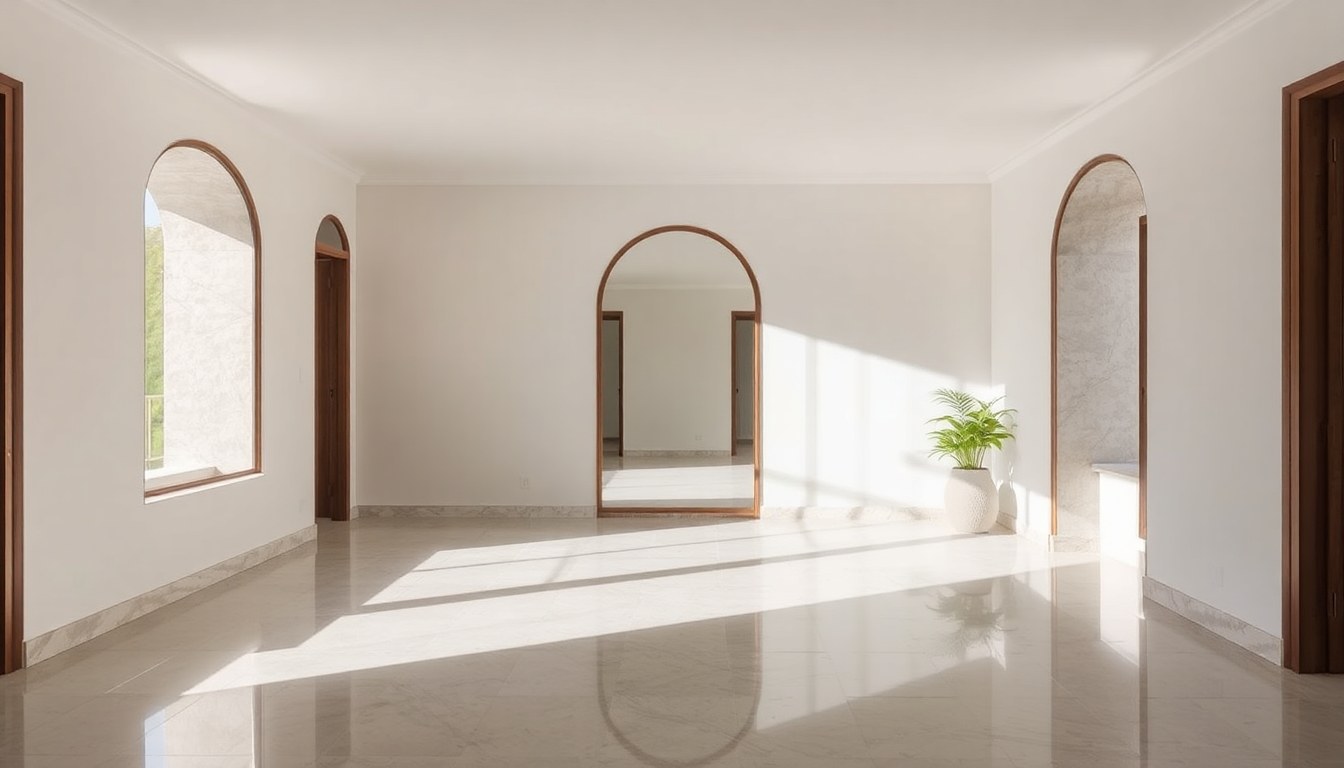
The magnificent palaces of Vadodara hold treasures that extend beyond architecture and artwork—their antique mirrors reflect centuries of craftsmanship and heritage. When these historic mirrors lose their reflective coating through age, moisture, or environmental damage, specialized restoration becomes essential to preserve both their functionality and historical value. This comprehensive guide explores traditional mirror re-silvering techniques adapted for modern conservation standards, specifically tailored for heritage properties across Gujarat and India.
Understanding Antique Mirror Deterioration in Heritage Environments
Antique mirrors in Vadodara's palaces and heritage buildings face unique deterioration challenges. The original silvering—typically applied using mercury-based techniques in the 18th and 19th centuries—degrades through oxidation, moisture penetration, and atmospheric pollutants. Black spots, clouding, and complete silver loss are common signs that restoration is needed. Unlike modern mirrors that use aluminum backing, these historic pieces feature hand-applied silver or tin-mercury amalgam that requires specialized knowledge to restore.
The climate in Vadodara, with its humid summers and temperature fluctuations, accelerates mirror degradation. Moisture seeps through compromised backing materials, causing the reflective layer to separate from the glass substrate. Understanding these deterioration patterns is crucial before attempting any restoration work, as improper techniques can permanently damage irreplaceable heritage pieces.
Before beginning restoration, conservation professionals must document the mirror's condition through photography and detailed notes. This documentation serves both as a restoration guide and as historical record. Assessment should identify the original silvering method, extent of damage, glass condition, and any previous repair attempts that may affect the restoration approach.
Surface Preparation and De-Silvering Protocols
Proper surface preparation determines restoration success. The first step involves carefully removing deteriorated silvering without damaging the original glass. For partial restoration where some original silvering remains intact, conservators must establish clear boundaries between areas to preserve and areas requiring new silvering. This selective approach maintains maximum historical authenticity while restoring functionality.
The de-silvering process uses chemical strippers specifically formulated for mirror restoration. A solution of nitric acid diluted to 10-15% concentration effectively removes old silver without etching the glass surface. Application requires extreme caution—conservators apply the solution with acid-resistant brushes, working in small sections while continuously monitoring glass integrity. The process must occur in well-ventilated spaces with appropriate safety equipment including chemical-resistant gloves, eye protection, and respiratory protection.
Glass Cleaning and Surface Activation
Once de-silvering is complete, the glass undergoes thorough cleaning to remove all chemical residues, oils, and contaminants. A multi-stage cleaning protocol begins with distilled water rinses, followed by detergent washing, and concludes with solvent cleaning using isopropyl alcohol. The glass surface must achieve absolute cleanliness—even microscopic contamination prevents proper silver adhesion.
Surface activation using sensitizing solutions prepares the glass for silver deposition. A stannous chloride solution creates a molecular foundation that promotes silver adhesion. This sensitizer is applied uniformly, allowed to react for 30-60 seconds, then rinsed completely with distilled water. The glass must be processed immediately after sensitization, as the activated surface remains receptive for only a limited time.
Mercury-Free Silver Application Methods
Modern conservation standards prohibit mercury use due to health and environmental concerns, requiring alternative silvering techniques that achieve comparable results. The Brashear method, developed in the late 19th century and refined for contemporary use, provides excellent results for heritage mirror restoration. This technique uses silver nitrate reduced by chemical solutions to deposit pure metallic silver onto prepared glass surfaces.
The silvering solution consists of two primary components mixed immediately before application. Solution A contains silver nitrate dissolved in distilled water with ammonia added to create a silver-ammonia complex. Solution B combines a reducing agent—typically a sugar solution or Rochelle salt—that precipitates metallic silver when combined with Solution A. Temperature control is critical; solutions work optimally at 20-25°C. Deviations affect deposition rate and mirror quality.
Application Technique for Uniform Coverage
Professional conservators employ the pour-and-flow method for large heritage mirrors. The prepared glass is positioned horizontally, and the mixed silvering solution is poured evenly across the surface. Gentle tilting distributes the solution uniformly while silver precipitation occurs. The process requires 5-10 minutes for complete deposition, during which the conservator monitors coverage and adjusts solution flow to ensure even thickness.
For Vadodara's ornate palace mirrors with irregular shapes or beveled edges, spray application offers better control. Using specialized spray equipment, conservators apply the silvering solution in multiple light coats, building reflectivity gradually. This approach reduces the risk of runs, drips, or uneven deposits that compromise appearance. Each coat requires brief drying time before subsequent application.
Protective Backing and Sealing Systems
The newly applied silver layer remains vulnerable until properly protected. Traditional backing systems used shellac, paint, or paper, but modern conservation employs more stable materials that provide superior protection while remaining reversible for future conservation work. The backing system must prevent moisture penetration, resist atmospheric pollutants, and maintain flexibility to accommodate minor glass movement without cracking.
A copper coating applied over the silver layer provides the first protection level. This copper layer, deposited through electroless plating using copper sulfate solutions, shields silver from oxidation and enhances durability. The copper application follows similar protocols to silvering—surface must be clean, solutions properly mixed, and temperature controlled. A uniform copper layer typically requires 3-5 minutes of solution contact.
Final Protective Coatings
Conservation-grade protective paints formulated for mirror backing provide the final barrier. These specialized coatings offer moisture resistance, chemical stability, and long-term durability. Application occurs in multiple thin layers rather than single thick coats, allowing proper curing between applications. Each layer is applied with soft brushes or spray equipment to avoid disturbing the underlying silver and copper layers.
Edge sealing completes the protection system. Conservators apply moisture-resistant sealants around all mirror edges, preventing water infiltration—the primary cause of silver deterioration. Silicone-based sealants designed for conservation work provide excellent moisture barriers while remaining removable if future restoration becomes necessary. This edge protection is particularly important for mirrors in Vadodara's heritage properties, where monsoon humidity poses constant challenges.
Authentication and Documentation for Heritage Mirrors
Restored heritage mirrors require comprehensive documentation that records all conservation work performed. This documentation serves multiple purposes: it provides historical record, guides future conservation efforts, and maintains the mirror's provenance for heritage property inventories. Professional conservators create detailed reports including pre-restoration photographs, technical specifications of materials used, step-by-step process documentation, and post-restoration condition assessments.
Authentication involves distinguishing restored areas from original components. For mirrors with partial restoration, conservators may incorporate subtle markers—such as microscopic differences in backing materials or discrete date stamps—that identify restored sections without affecting appearance. These markers assist future conservators in understanding the mirror's restoration history and making informed decisions about subsequent treatments.
Chemical analysis of original silvering, when possible, provides valuable data for matching restoration techniques to historical methods. Non-destructive testing using X-ray fluorescence or other analytical techniques can identify original coating compositions without sampling. This information guides material selection for restoration, ensuring compatibility with remaining original components and maintaining historical accuracy.
Cost Considerations and Professional Services
Mirror re-silvering restoration costs vary significantly based on mirror size, condition, and complexity. In India, professional heritage mirror restoration typically ranges from ₹3,000 to ₹15,000 per square foot, with prices increasing for ornate frames, beveled edges, or severely damaged pieces requiring extensive preparation. Heritage property managers should budget for comprehensive restoration rather than partial repairs, as incomplete work often leads to accelerated deterioration requiring more expensive intervention later.
Selecting qualified conservation professionals is crucial for heritage mirrors. Look for practitioners with documented experience in antique mirror restoration, knowledge of historical silvering techniques, and commitment to conservation ethics. Professional conservators should provide detailed proposals outlining methods, materials, timelines, and costs before beginning work. They should also carry appropriate insurance and demonstrate understanding of heritage property requirements.
For Vadodara's palace collections and heritage properties, engaging conservators familiar with local environmental conditions provides additional advantages. These professionals understand humidity management, temperature fluctuations, and other regional factors affecting mirror longevity. They can also recommend ongoing maintenance protocols that extend restoration lifespan and protect the significant investment in conservation work.
Frequently Asked Questions
How long does professional mirror re-silvering restoration take?
Complete mirror re-silvering restoration typically requires 2-4 weeks depending on mirror size and condition. This timeline includes surface preparation, chemical processing, silvering application, protective coating, and proper curing time between stages. Rush services may be available for smaller mirrors, but heritage pieces should not be rushed as proper curing and quality control are essential for longevity. Large palace mirrors or those requiring frame restoration may need 6-8 weeks for comprehensive conservation work.
Can antique mirrors be partially restored to preserve original silvering?
Yes, selective restoration preserves maximum original material while addressing damaged areas. Conservators carefully mask intact silvering sections and apply new silvering only where needed. This approach maintains historical authenticity and is preferred for museum-quality pieces and heritage property mirrors. The technique requires exceptional skill to blend new silvering seamlessly with original areas, ensuring uniform appearance while preserving as much original material as possible.
What maintenance is required after mirror re-silvering restoration?
Restored mirrors require minimal but specific maintenance. Clean only the glass front surface using soft, lint-free cloths and mild glass cleaner—never apply liquids to mirror edges or backing. Maintain stable environmental conditions with relative humidity between 40-60% and avoid direct sunlight or heat sources. Inspect edges annually for seal integrity and address any moisture penetration immediately. Professional conservation check-ups every 5-10 years help identify potential issues before significant damage occurs.
Is modern mirror re-silvering as durable as original antique silvering?
Modern mercury-free silvering techniques, when properly applied with appropriate protective backing, often exceed the durability of original antique silvering. Contemporary methods benefit from improved chemical formulations, better protective coatings, and enhanced edge sealing that prevents moisture damage—the primary cause of antique mirror deterioration. However, longevity depends entirely on application quality, environmental conditions, and ongoing maintenance. Professional restoration using conservation-grade materials typically provides 30-50 years of service life under proper conditions.
Should heritage mirrors be restored on-site or removed to workshops?
Most heritage mirror restoration occurs in controlled workshop environments where temperature, humidity, and contamination can be managed precisely. Removing mirrors from heritage properties allows proper horizontal positioning during silvering, ensures adequate ventilation for chemical processes, and provides access to specialized equipment. However, extremely large or architecturally integrated mirrors may require on-site restoration. Professional conservators assess each situation individually, considering mirror size, accessibility, environmental control options, and heritage property requirements before recommending the optimal restoration location.
Preserving Vadodara's heritage mirrors through professional re-silvering restoration protects irreplaceable cultural treasures for future generations. Whether you manage a heritage property, own antique mirrors, or work in conservation, connecting with qualified mirror restoration specialists ensures these reflective pieces of history continue to shine. Visit the glassy.in directory to find experienced mirror restoration professionals and glass conservation experts serving Vadodara and throughout India.