
Mirrors
Acid-Etched Mirror Patterns: Design Techniques and Privacy Levels for Noida Salon Interiors
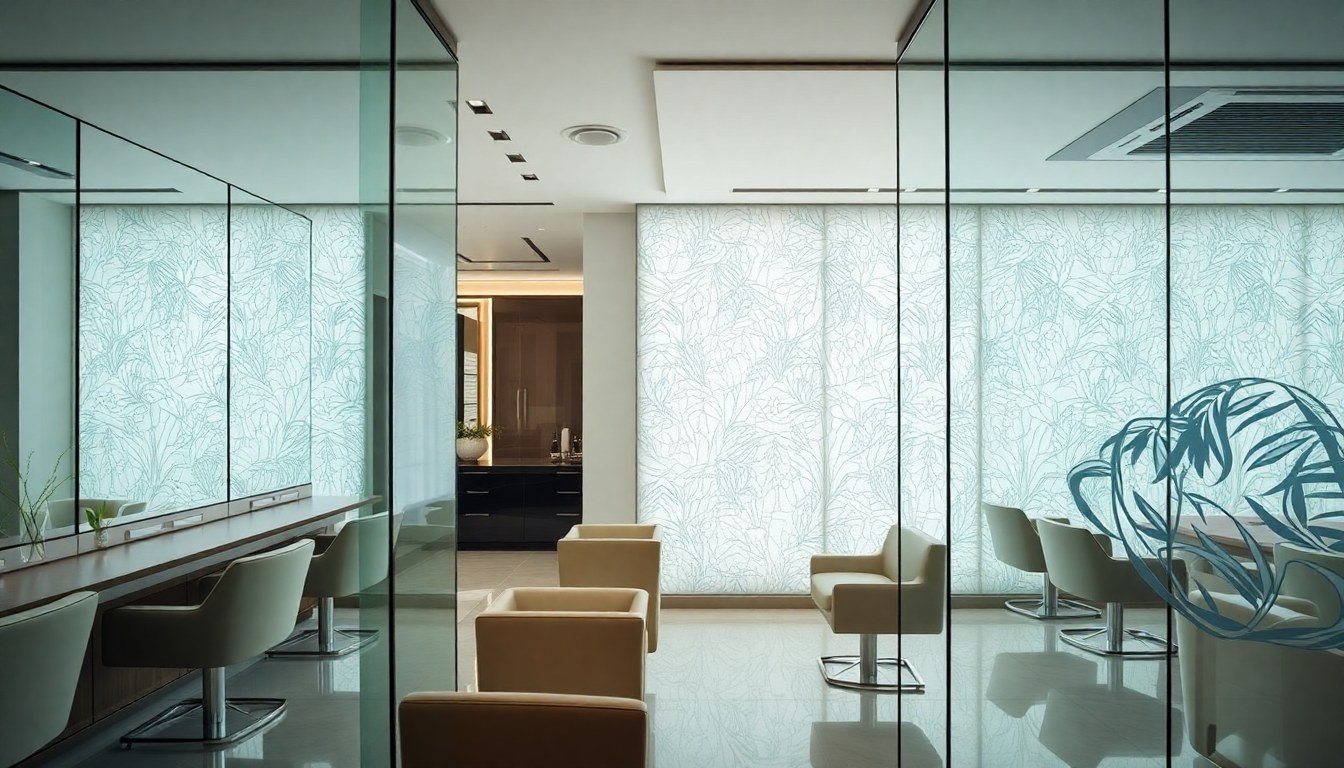
Acid-etched mirrors combine reflective functionality with artistic privacy solutions, making them ideal for salon interiors where aesthetics meet discretion. These decorative mirrors use controlled chemical processes to create frosted patterns that diffuse light while maintaining partial visibility, offering Noida salon owners a sophisticated alternative to plain mirrors or curtains. Whether you're designing a high-end salon in Sector 18 or a boutique studio in Sector 50, understanding acid-etched mirror techniques helps you balance visual appeal with practical privacy needs.
Understanding the Acid-Etching Process for Mirrors
Acid etching creates permanent frosted patterns on mirror surfaces through a controlled chemical reaction. The process involves applying a resist material (typically vinyl stencils or specialized films) to protect certain areas, then exposing the unprotected glass to hydrofluoric acid or acid cream. The acid dissolves the reflective coating and etches the glass surface, creating a translucent, matte finish that contrasts beautifully with the untouched reflective areas.
For commercial applications like salons, manufacturers typically use one of two methods: cream etching for simpler patterns or immersion etching for more complex, uniform designs. Cream etching allows for custom stencil work and is popular for creating branded logos, geometric patterns, or organic designs. The depth of etching can be controlled by application time, with deeper etches providing more pronounced opacity and texture.
The quality of acid-etched mirrors depends heavily on the precision of the resist application and the uniformity of acid exposure. Professional fabricators use computer-cut vinyl masks for crisp edges and consistent results. The process is permanent and cannot be reversed, making proper design planning essential before production begins.
Popular Pattern Designs for Salon Interiors
Salon environments benefit from acid-etched patterns that enhance ambiance while serving functional purposes. Geometric patterns remain the most requested design category, including contemporary options like hexagons, chevrons, and linear gradients that complement modern salon aesthetics. These patterns work particularly well in styling stations where partial privacy is desired without completely blocking the mirror's functionality.
Organic and Nature-Inspired Motifs
Floral patterns, leaf designs, and abstract organic shapes create softer, more welcoming environments suitable for luxury salons and spas. These designs typically feature varying densities of etching—denser in areas requiring more privacy, lighter where reflection is prioritized. Bamboo patterns and lotus motifs have gained popularity in Noida's wellness-focused salons, aligning with biophilic design trends.
Custom Branding and Typography
Many salon owners incorporate their brand identity directly into mirror designs through acid-etched logos, monograms, or inspirational quotes. This approach transforms functional mirrors into marketing assets that reinforce brand recognition. Typography-based designs work best when letters are sufficiently large and bold to withstand the etching process without losing definition.
- Border patterns that frame mirror edges while keeping central areas fully reflective
- Gradient designs that transition from opaque to clear, offering variable privacy zones
- Repeating tile-like patterns that create visual rhythm across multiple mirror panels
- Abstract artistic designs that serve as statement pieces in reception or waiting areas
Privacy Levels and Opacity Control
Acid-etched mirrors offer a spectrum of privacy levels depending on etching depth, pattern density, and coverage percentage. Light etching (30-40% coverage) provides minimal privacy while adding decorative interest—suitable for open salon floors where staff visibility is important. Medium etching (50-70% coverage) creates semi-private zones ideal for styling stations, allowing clients to see their reflection while obscuring detailed views from adjacent areas.
Heavy etching (80-95% coverage) delivers maximum privacy for VIP rooms, changing areas, or consultation spaces. These applications typically leave only small clear sections for functional mirror use or create complete opacity with decorative clear accents. The depth of acid penetration also affects privacy: shallow etching produces a subtle frost, while deep etching creates a more pronounced, opaque texture that significantly reduces transparency.
Salon designers often specify gradient privacy solutions where etching density increases toward the bottom or sides of mirrors. This technique maintains full reflectivity at face level for styling purposes while providing privacy at peripheral zones. Such graduated designs require precise stencil work but deliver optimal functionality for commercial salon environments.
Maintenance and Durability Considerations
Acid-etched mirrors require different maintenance protocols compared to standard mirrors due to their textured surface. The frosted areas attract fingerprints, hair product residue, and dust more readily than smooth glass. Daily cleaning with microfiber cloths and pH-neutral glass cleaners maintains appearance without damaging the etched surface. Avoid abrasive cleaners or rough sponges that can scratch the delicate frosted finish.
The durability of acid-etched mirrors makes them excellent long-term investments for high-traffic salon environments. Unlike applied films or surface coatings, acid etching is permanent and will not peel, fade, or discolor over time. The etched surface resists moisture damage, making these mirrors suitable for shampoo stations and areas with high humidity exposure. However, the textured surface in etched areas may show water spots more prominently, requiring more frequent cleaning in wet zones.
Professional installation is crucial for commercial applications. Acid-etched mirrors are typically heavier than standard mirrors due to thicker glass substrates (6mm to 8mm is common for commercial use). Proper mounting with appropriate hardware ensures safety and longevity. Edge polishing and safety backing should be specified to prevent injury from potential breakage.
Cost Factors and Pricing in the Indian Market
Acid-etched mirror pricing in India varies significantly based on design complexity, glass thickness, and order quantity. Basic geometric patterns on 5mm mirrors typically range from ₹450 to ₹750 per square foot, while custom designs with intricate detailing can cost ₹900 to ₹1,500 per square foot. These prices generally include the mirror substrate, etching process, and edge finishing but exclude installation charges.
Several factors influence final costs for salon projects. Minimum order quantities often apply—many fabricators require at least 50-100 square feet for custom pattern work to justify setup costs. Standard patterns from existing templates reduce costs by 20-30% compared to fully custom designs. Glass thickness also impacts pricing: upgrading from 5mm to 6mm or 8mm glass adds approximately ₹100-₹150 per square foot but provides better durability for commercial environments.
Installation costs in Noida typically range from ₹80 to ₹150 per square foot depending on mirror size, mounting complexity, and site accessibility. When budgeting for salon mirror installations, factor in additional expenses for safety backing (₹40-₹60 per square foot), specialized mounting hardware, and potential wall preparation work. Volume orders for multi-station salons often qualify for 10-15% discounts on material costs.
Comparing Value Against Alternatives
When evaluated against alternatives like frosted film application or sandblasted glass, acid-etched mirrors offer superior longevity despite higher initial costs. Vinyl films cost less upfront (₹150-₹300 per square foot) but require replacement every 3-5 years and are prone to peeling in humid salon environments. Sandblasted mirrors provide similar aesthetics at comparable pricing but typically lack the fine detail achievable through acid etching.
Design Best Practices for Salon Applications
Successful acid-etched mirror integration requires careful planning around salon workflow and customer experience. Position heavily etched mirrors in areas where privacy is paramount—changing rooms, consultation spaces, or VIP treatment areas. Reserve lightly etched or border-pattern mirrors for open styling floors where full reflection is essential for cutting and styling precision.
Consider lighting interaction when specifying patterns. Backlit acid-etched mirrors create dramatic effects in reception areas, with light diffusing through frosted sections to produce soft ambient illumination. This technique works particularly well with gradient patterns where light intensity can vary across the mirror surface. Ensure adequate task lighting at styling stations to compensate for any reduction in reflectivity from etched patterns.
- Create design consistency across multiple mirrors using repeating patterns or coordinated motifs
- Specify safety backing on all mirrors, particularly in high-traffic areas or above seating
- Plan pattern orientation to complement room architecture and furniture placement
- Test sample pieces under actual salon lighting before committing to full production
- Coordinate etched mirror designs with other glass elements like partitions or display cases
Color coordination matters even with monochromatic etched glass. The frosted areas appear lighter and more prominent against darker wall colors, while they blend more subtly with light backgrounds. Many Noida salons use accent wall colors behind etched mirrors to enhance pattern visibility and create focal points within the space.
Frequently Asked Questions
How long does the acid-etching process take for salon mirror orders?
Standard acid-etched mirror orders with existing pattern templates typically require 7-10 working days from approval to delivery in the Delhi-NCR region. Custom designs with unique patterns may take 12-18 days as they require stencil creation, approval cycles, and careful etching execution. Rush orders are sometimes available at premium pricing (15-25% additional cost) with 5-7 day turnaround, though this depends on fabricator capacity and order size. For salon renovation projects, plan to place mirror orders at least three weeks before installation date to accommodate production time and potential revisions.
Can acid-etched mirrors be cleaned with standard salon cleaning products?
Most pH-neutral glass cleaners and standard salon surface cleaners are safe for acid-etched mirrors, but avoid ammonia-based products that can leave streaks on frosted surfaces. The textured etched areas require gentle wiping with microfiber cloths rather than paper towels, which may leave lint in the surface texture. For hair product buildup common in salon environments, a solution of mild dish soap and water works effectively. Never use abrasive scrubbers, acetone, or alcohol-based cleaners on etched surfaces as these can damage the finish or create permanent discoloration.
What privacy level should I choose for styling station mirrors?
For functional styling stations where stylists need clear client views, specify light to medium etching with 30-50% coverage in border or lower-third patterns. This provides decorative appeal and modest privacy from adjacent stations while maintaining full reflectivity at face and hair level. Reserve heavy etching (70%+ coverage) for specialized areas like bridal preparation rooms or consultation spaces where privacy is the primary concern. Many Noida salons use a graduated approach—lighter etching on main floor stations, progressively heavier etching in semi-private and private treatment rooms.
Are acid-etched mirrors more prone to breakage than regular mirrors?
Acid-etched mirrors are not inherently more fragile than standard mirrors when manufactured on appropriate glass thickness. Commercial-grade etched mirrors should use minimum 6mm glass substrate, which provides adequate strength for salon environments. The etching process removes minimal material (typically 0.1-0.3mm depth), leaving structural integrity intact. However, always specify safety backing—a protective film applied to the mirror reverse that holds glass fragments in place if breakage occurs. This safety feature is essential for commercial applications and adds only ₹40-₹60 per square foot to project costs.
Can existing plain mirrors be acid-etched after installation?
Acid etching existing installed mirrors is technically possible but rarely practical or recommended. The process requires complete removal, transportation to a fabrication facility, professional etching, and reinstallation—often costing more than new custom mirrors. Additionally, older mirrors may have coating inconsistencies that produce uneven etching results. For salon renovations, budget for new acid-etched mirrors rather than attempting to retrofit existing ones. If working with limited budgets, consider applying high-quality frosted films as a temporary solution until new etched mirrors can be commissioned.
Ready to transform your salon interior with custom acid-etched mirrors? Visit glassy.in to connect with experienced mirror fabricators and glass suppliers across Noida and Delhi-NCR who specialize in commercial installations. Compare quotes, view portfolio work, and find verified professionals who can bring your design vision to life with precision-crafted acid-etched mirror solutions.