
Glass Guides
Low-E Glass Coating: How It Works and Energy Savings for Bangalore Homes
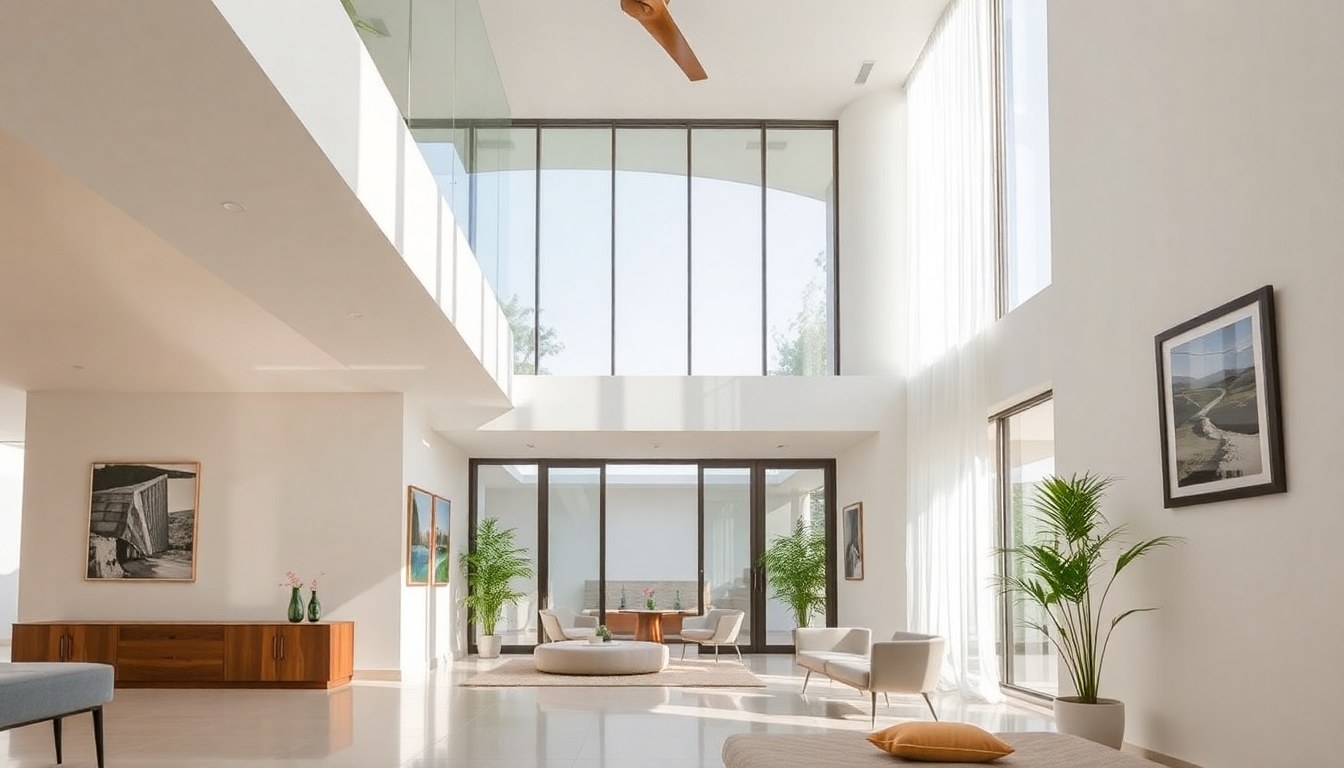
Bangalore's warm, humid climate makes air conditioning a year-round necessity—and a major drain on household energy bills. Low-emissivity (Low-E) glass coating is a thin, transparent layer applied to window glass that reflects heat back outside while allowing visible light to enter, potentially cutting AC costs by 20–30%. If you're renovating or building in Bangalore, understanding how Low-E coating works and whether it's right for your home can help you make smarter decisions about energy efficiency and long-term savings.
What Is Low-E Glass Coating?
Low-emissivity glass coating is a microscopically thin metallic or oxide layer—typically made of silver, tin oxide, or titanium oxide—applied to one surface of a glass pane. This coating is invisible to the naked eye but dramatically alters how the glass interacts with infrared radiation. While ordinary clear glass allows most heat energy to pass through, Low-E coating reflects up to 90% of infrared heat back toward its source.
The coating is applied during the manufacturing process using one of two methods: pyrolytic (on-line) coating, where the coating is applied while the glass is still hot, or magnetron sputtering (off-line) coating, where the coating is applied in a vacuum chamber after the glass has cooled. Both methods are durable and widely available in the Indian market. The result is a glass product that performs like a thermal barrier without adding bulk or weight to your windows.
How Low-E Coating Works in Tropical Climates
The Science Behind Heat Reflection
All objects emit infrared radiation based on their temperature. In Bangalore, where daytime temperatures regularly exceed 30°C, the sun's infrared rays penetrate ordinary glass and warm the interior of your home. Low-E coating works by reflecting these infrared wavelengths back outside. Think of it as a thermal mirror: visible light (which we need for natural illumination) passes through almost unimpeded, but heat radiation bounces back, keeping your interiors cooler.
This selective transmission is the key advantage in tropical regions. Unlike reflective films or tinted glass that darken interiors and reduce natural light, Low-E coating maintains clarity while blocking heat. For Bangalore homes, this means you can keep windows large and bright without overheating your rooms.
Performance in High-Temperature Environments
Bangalore's climate presents unique challenges: intense solar radiation, high humidity, and significant temperature swings between day and night. Low-E glass is specifically engineered to handle these conditions. The coating remains stable across temperature variations and does not degrade in humid environments, making it ideal for coastal or monsoon-prone areas. Studies of Low-E performance in Indian climates show consistent heat reduction over 15–20 years of use, with minimal loss of coating effectiveness.
Energy Savings: Numbers That Matter
The energy savings from Low-E glass depend on several factors: the size and orientation of your windows, your current AC usage patterns, and whether you're upgrading from single-pane or double-pane glass. In Bangalore's climate, homeowners typically see:
- 20–30% reduction in cooling costs when replacing standard glass with Low-E double-glazed units in a typical 3-bedroom apartment
- Faster AC payback: Lower compressor runtime means reduced electricity consumption and extended AC lifespan
- Improved thermal comfort: Rooms stay cooler without increasing AC thermostat cycling, reducing noise and wear
- Reduced peak demand charges: In areas with time-of-use electricity pricing, lower daytime cooling loads directly lower bills
A 1,500 sq. ft. Bangalore home with 150 sq. ft. of window area might save ₹3,000–₹5,000 annually on AC costs after installing Low-E double-glazed windows. While the upfront cost is higher than standard glass (roughly 30–50% more), the payback period is typically 5–8 years, after which savings accumulate.
Installation and Compatibility in Bangalore Homes
Low-E coating is most effective when installed as part of a double-glazed or triple-glazed unit, where the coating sits on the inner surface of the outer pane (facing the air gap). This positioning protects the coating from moisture and damage while maximizing its thermal performance. Single-pane Low-E glass exists but offers minimal benefit because the coating lacks the insulating air gap needed to trap heat.
For Bangalore renovations, Low-E glass integrates seamlessly into modern aluminum or uPVC window frames. Architects and designers like those at Studio Anoma in Bangalore's Lower Palace Orchards area frequently specify Low-E units for residential and commercial projects seeking LEED or green building certifications. If you're planning a renovation, consult with local glass fabricators who can advise on the best Low-E options for your specific window orientation and room use.
Cost-Benefit Analysis for Bangalore Homeowners
The decision to install Low-E glass should balance upfront costs against long-term energy savings and non-energy benefits. Here's a realistic breakdown:
- Upfront cost: Low-E double-glazed units typically cost ₹600–₹1,000 per sq. ft. (compared to ₹400–₹600 for standard double-glazed glass)
- Installation: Labor and framing add ₹100–₹200 per sq. ft., the same for Low-E and standard glass
- Annual energy savings: ₹3,000–₹7,000 for a typical home, depending on window area and climate zone within Bangalore
- Non-energy benefits: Improved comfort, reduced glare, UV protection (Low-E coatings also block 99% of UV rays, protecting furniture and skin), and increased property resale value
If you're building new or replacing all windows, Low-E is a strong investment. If you're upgrading a few rooms, prioritize north- and west-facing windows, which receive the most solar heat in Bangalore.
Common Misconceptions About Low-E Glass
Several myths circulate about Low-E coating, particularly in India:
- "Low-E glass blocks natural light." False. Low-E coating is transparent and blocks only infrared heat, not visible light. Your rooms remain bright and naturally lit.
- "Low-E coating scratches easily." Modern coatings are durable and scratch-resistant when protected inside a sealed double-glazed unit. Avoid touching the coating during installation and handling.
- "Low-E glass is unnecessary in Bangalore because it's not as hot as Delhi or Mumbai." Bangalore's consistent warmth and high solar intensity make Low-E equally valuable. The steady heat load means year-round AC use and consistent energy savings.
- "Low-E glass won't help if your AC is already efficient." Even efficient ACs benefit from reduced cooling loads. Less work for the compressor means lower bills and longer equipment life.
Frequently Asked Questions
Does Low-E glass work at night or only during the day?
Low-E coating primarily blocks solar infrared radiation during the day. At night, it has minimal effect on heat loss because there's no incoming solar heat to reflect. However, some Low-E coatings (called "hard coat" or pyrolytic) also provide slight insulation benefits by reducing radiative heat loss from your warm interior to the cold exterior. The main energy benefit in Bangalore is daytime cooling, where the climate is warmest.
Can Low-E coating be applied to existing windows?
Retrofitting Low-E coating onto existing single-pane glass is possible but not recommended. The coating is most effective in sealed double-glazed units where it's protected and can work with the insulating air gap. Applying coating to old windows risks damaging the glass during installation and provides minimal thermal benefit. Replacement with new Low-E double-glazed units is the better long-term solution.
Is Low-E glass suitable for Bangalore's monsoon season?
Yes. Low-E coatings are highly resistant to humidity and moisture. The coating is sealed inside the double-glazed unit, protected from direct exposure to rain and condensation. Proper installation with quality sealants ensures that moisture cannot reach the coating. Many Bangalore homes in monsoon-prone areas use Low-E glass without issues.
What's the difference between hard-coat and soft-coat Low-E glass?
Hard-coat (pyrolytic) Low-E is applied during manufacturing and is more durable and scratch-resistant, making it suitable for single-pane applications or windows that may be handled. Soft-coat (sputtered) Low-E is applied off-line and offers slightly better thermal performance but must be protected inside a sealed unit. For Bangalore homes, soft-coat in double-glazed units is preferred for maximum energy savings.
How much does Low-E glass cost compared to standard glass in Bangalore?
Low-E double-glazed units cost approximately 30–50% more than standard double-glazed glass. Expect to pay ₹600–₹1,000 per sq. ft. for Low-E versus ₹400–₹600 for standard glass. Labor and installation costs are similar. The price premium is recovered through energy savings within 5–8 years in most Bangalore homes.
Take the Next Step Toward Energy-Efficient Windows
Low-E glass coating is a proven, durable technology that delivers measurable energy savings in Bangalore's tropical climate. Whether you're renovating your home or planning new construction, investing in Low-E double-glazed windows is a smart way to reduce AC costs, improve comfort, and increase property value. Explore the glassy.in directory to connect with local glass suppliers, fabricators, and architects who specialize in energy-efficient glazing solutions for Bangalore homes. Get quotes, compare options, and make an informed decision that keeps your home cool and your energy bills low.