
Glass Partitions
Glass Partition Soundproofing: Which Thickness & Type Works Best?
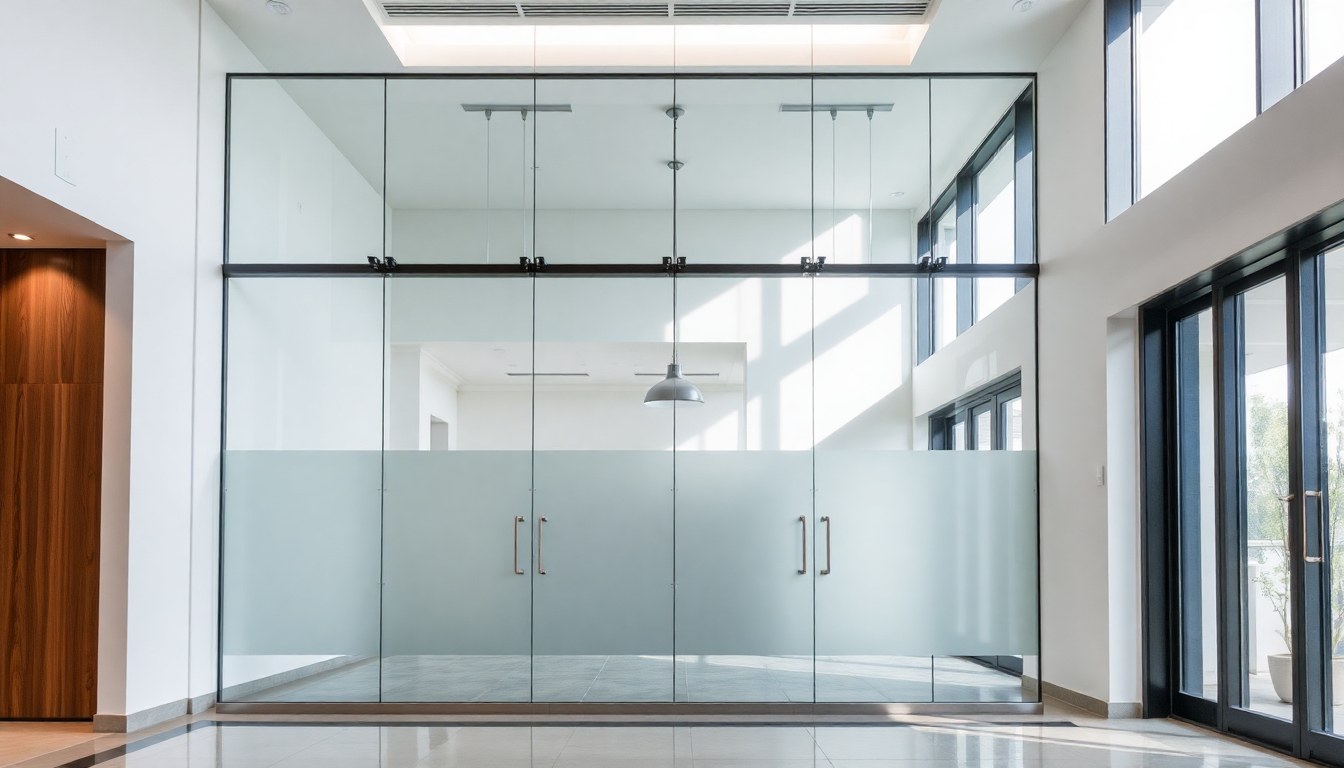
Open office layouts and shared workspaces have become the norm, but unwanted noise remains a persistent problem that affects productivity and well-being. Soundproof glass partitions offer an elegant solution that maintains visual openness while blocking noise transmission. Understanding the right thickness and type of acoustic glass for your space is essential to achieving effective sound reduction without compromising on aesthetics or budget.
Understanding Sound Transmission in Glass
Sound travels through vibrations, and when noise hits a glass partition, the glass panel vibrates, transmitting those vibrations to the other side. The ability of glass to resist these vibrations depends on its mass, thickness, and composition. Thicker glass generally performs better at blocking sound, but the relationship isn't linear—doubling the thickness doesn't double the sound reduction.
The effectiveness of glass in reducing noise is measured using the Sound Reduction Index (SRI) or Noise Reduction Coefficient (NRC). In India, the SRI standard is commonly referenced for building materials. A higher SRI value indicates better sound insulation. For example, 6mm standard glass might offer an SRI of around 30 dB, while 10mm laminated glass can reach 35-38 dB, depending on the interlayer material and construction.
Glass Thickness and Acoustic Performance
The thickness of glass directly impacts its sound-blocking capability, but selecting the right thickness depends on your noise environment and budget constraints. Here's what you need to know about common thicknesses used in Indian offices and studios:
6mm Glass
Standard 6mm toughened or annealed glass is the most economical option and works adequately for low-noise environments such as quiet office cabins or meeting rooms with minimal external traffic. It provides basic sound reduction of approximately 28-30 dB, suitable for reducing conversational speech but not heavy machinery or traffic noise. This thickness is commonly used in budget-conscious installations across Indian metros like Bangalore, Mumbai, and Delhi.
8-10mm Glass
This mid-range thickness offers a noticeable improvement in acoustic performance, providing SRI values between 32-36 dB. It's ideal for moderately noisy environments, such as open office spaces adjacent to roads or manufacturing units. Many corporate offices in India opt for 8-10mm glass partitions as a balance between cost-effectiveness and sound reduction. The increased mass helps dampen vibrations more effectively than thinner options.
12mm and Above
Thicker glass (12mm, 15mm, or even 19mm) is reserved for high-noise environments requiring maximum sound isolation, such as music studios, recording facilities, or offices near highways. These thicknesses can achieve SRI values of 38-42 dB or higher. However, the cost increases substantially, and installation requires more robust structural support. For most commercial applications in India, 12mm is considered the practical upper limit before diminishing returns on investment occur.
Types of Acoustic Glass Partitions
Beyond thickness, the type of glass and its construction method significantly influence soundproofing performance. Different glass types offer varying acoustic properties and suit different applications.
Laminated Glass
Laminated glass consists of two or more glass panes bonded together with a polyvinyl butyral (PVB) or resin interlayer. This interlayer acts as a damping material, absorbing sound vibrations and preventing them from transmitting to the opposite side. Laminated glass is superior to single-pane glass of the same thickness for acoustic purposes. A 6mm laminated glass (3mm + 3mm with interlayer) often outperforms 8mm standard glass in sound reduction. The interlayer material quality matters—premium interlayers provide better acoustic performance. Laminated glass also offers safety benefits, as the interlayer holds the glass together if it breaks.
Double-Glazed or Double-Pane Glass
Double-glazed partitions use two separate glass panes with an air gap (typically 6-12mm) between them. The air gap acts as an additional sound barrier, and the two panes vibrate independently, reducing noise transmission. This system can achieve excellent acoustic performance—often 40-45 dB SRI or higher—but comes at a premium cost and requires more structural depth. Double-glazed systems are increasingly popular in high-end corporate offices and premium studios in India's tier-1 cities.
Acoustic Laminated Glass
This is laminated glass specifically engineered for sound reduction using specialized interlayers designed to absorb acoustic energy. These interlayers are thicker and more acoustically optimized than standard PVB. Acoustic laminated glass can provide performance equivalent to much thicker single-pane glass at a lower weight and cost. For instance, acoustic laminated 6mm glass might perform comparably to 10-12mm standard glass. This is an excellent choice for budget-conscious projects requiring good acoustic performance.
Choosing the Right Glass for Your Space
Selecting appropriate soundproof glass partitions requires assessing your specific noise environment and requirements. Here's how to approach the decision:
Assess Your Noise Environment
- Low-noise offices: Quiet corporate spaces with minimal external noise—6mm or 8mm standard glass suffices
- Moderate-noise environments: Open offices, meeting rooms with regular activity—8-10mm standard or 6mm acoustic laminated glass recommended
- High-noise areas: Spaces near roads, manufacturing units, or requiring music/recording—10-12mm standard, 8mm acoustic laminated, or double-glazed systems
Consider Your Budget
Budget significantly influences your choice. Standard toughened glass is the most economical, while acoustic laminated and double-glazed options command premium pricing. In India, expect to pay approximately ₹500-800 per square foot for 6-8mm standard glass, ₹800-1,200 for acoustic laminated options, and ₹1,500-2,500+ for double-glazed systems, depending on your location and supplier.
Evaluate Installation Complexity
Thicker and heavier glass requires more robust aluminum frames and structural support. Double-glazed systems need deeper frames to accommodate the air gap. Consider your existing infrastructure and whether additional structural modifications are necessary. This can add 15-30% to your project cost in some cases.
Installation and Additional Soundproofing Measures
Glass alone doesn't guarantee perfect soundproofing. The installation method and complementary measures are equally important for achieving optimal acoustic performance.
Proper sealing is critical—gaps around frames, doors, and edges allow sound to leak through, undermining the glass's acoustic benefits. Use acoustic sealants and weatherstripping around all edges. Ensure frames are installed with damping materials to reduce vibration transmission through the frame itself. In India, many installers use rubber gaskets and acoustic foam within aluminum frames to enhance performance.
For maximum sound reduction, combine glass partitions with other measures: acoustic ceiling tiles, carpeting or soft flooring, wall-mounted acoustic panels, and heavy curtains or drapes. These materials absorb sound rather than reflecting it, creating a more comprehensive acoustic solution. For studios or critical listening environments, layering multiple soundproofing strategies is essential.
Door selection matters too. Standard hollow-core doors are poor acoustic performers. Opt for solid-core or acoustic-rated doors with proper seals. Some high-end installations use double-door systems with an air gap between them for superior sound isolation.
Frequently Asked Questions
What thickness of glass do I need for a home studio?
For a home studio with moderate soundproofing needs, 10mm acoustic laminated glass or 8-10mm standard laminated glass is typically sufficient. If you're recording vocals or instruments requiring maximum isolation, consider 12mm standard glass or a double-glazed system. The exact choice depends on your budget and the noise levels you're trying to block. Pair the glass with acoustic panels and proper door sealing for best results.
Is laminated glass better than standard glass for soundproofing?
Yes, laminated glass outperforms standard glass of the same thickness for acoustic purposes. The interlayer in laminated glass acts as a damping material that absorbs sound vibrations. A 6mm laminated glass often provides better sound reduction than 8mm standard glass. For acoustic applications specifically, laminated or acoustic laminated glass is the superior choice, though it costs more than standard toughened glass.
How much sound reduction can I expect from soundproof glass partitions?
Sound reduction depends on glass thickness, type, and installation quality. Standard 6mm glass provides roughly 28-30 dB reduction, while 10mm acoustic laminated glass offers 35-38 dB, and double-glazed systems can achieve 40-45 dB or higher. For context, a 30 dB reduction makes a loud conversation sound like a whisper from the other side. However, no glass partition blocks 100% of sound—some noise always transmits, especially at lower frequencies.
What's the difference between SRI and NRC ratings?
Sound Reduction Index (SRI) measures how well a material blocks sound transmission between spaces—higher SRI indicates better sound isolation. Noise Reduction Coefficient (NRC) measures how much sound a material absorbs within a space, ranging from 0 to 1. For partitions, SRI is the relevant metric. For acoustic treatments like panels and ceiling tiles, NRC is important. Both metrics matter in a comprehensive acoustic design.
Can I retrofit existing glass partitions with soundproofing?
Yes, you can improve the acoustic performance of existing partitions through retrofitting. Options include adding acoustic film to existing glass, installing secondary glass panes with air gaps, upgrading frames with damping materials, and sealing gaps with acoustic sealants. However, complete replacement with purpose-designed acoustic glass is often more cost-effective than extensive retrofitting, especially if your current system is significantly underperforming.
Conclusion
Choosing the right soundproof glass partition thickness and type requires balancing acoustic performance, budget, and installation practicality. For most Indian offices and studios, 8-10mm standard laminated glass or 6-8mm acoustic laminated glass provides an excellent balance of sound reduction and cost-effectiveness. High-noise environments may warrant thicker glass or double-glazed systems, while budget-conscious projects can start with 6mm laminated options. Remember that glass is just one component of effective soundproofing—proper installation, sealing, and complementary acoustic treatments are equally important.
Ready to upgrade your workspace with soundproof glass partitions? Explore verified glass suppliers and installation specialists in your city on glassy.in, India's largest glass-business directory. Compare options, read reviews, and connect with trusted professionals to find the perfect acoustic solution for your needs.