
Glass Guides
Glass Brick Wall Installation: Mortar vs Silicone Assembly for Visakhapatnam Coastal Homes
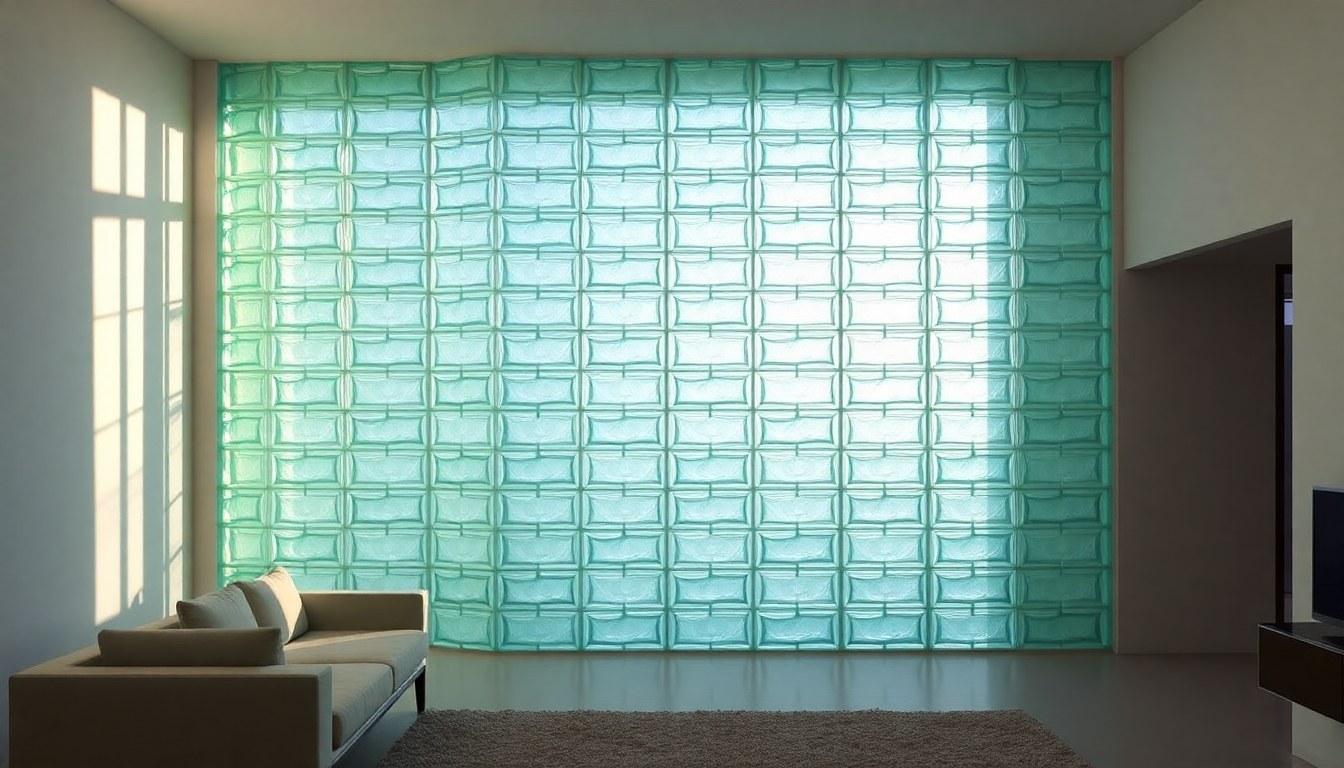
Glass brick walls offer Visakhapatnam homeowners a stunning combination of natural light, privacy, and modern aesthetics—but choosing the right installation method determines whether your investment lasts five years or fifty. In coastal environments where salt-laden air accelerates corrosion, the battle between traditional mortar joints and modern silicone assembly systems becomes critical. This comprehensive guide walks you through both installation methods, helping you select the approach that best protects your investment against the Bay of Bengal's harsh conditions.
Understanding Glass Brick Wall Types and Load Requirements
Before selecting your installation method, you must first determine whether your glass brick wall will be load-bearing or non-load-bearing. This fundamental distinction affects everything from material selection to building code compliance. Load-bearing glass brick walls require structural reinforcement and cannot exceed certain height limitations, typically 6 meters for interior applications and 7.6 meters for exterior installations when properly engineered.
Non-load-bearing glass brick walls serve as partitions, shower enclosures, or decorative elements without supporting roof or floor loads. These installations offer greater flexibility in design and can often use thinner mortar joints or silicone assembly systems. In Visakhapatnam's coastal climate, non-load-bearing walls installed with silicone methods have shown remarkable resistance to the salt-air degradation that plagues traditional cement-based installations.
Most residential applications in coastal areas fall into the non-load-bearing category, making them ideal candidates for modern silicone assembly. However, always consult a structural engineer before proceeding with any glass brick installation, particularly if the wall exceeds 3 meters in height or spans more than 4 meters horizontally.
Traditional Mortar Joint Installation Method
The mortar method remains the gold standard for load-bearing glass brick walls and large-scale commercial installations. This technique uses cement-based mortar mixed with water-repellent additives to bond glass blocks together, creating a monolithic structure. The process requires precise spacing, typically 10mm joints, maintained using plastic spacers throughout the installation.
Step-by-Step Mortar Installation Process
Begin by preparing a level base—either a concrete foundation or a structural beam capable of supporting the wall's weight. Apply a waterproofing membrane along the base, extending it 150mm up adjacent walls to prevent moisture wicking. Mix your mortar according to manufacturer specifications, adding polymer-modified additives that improve adhesion to glass surfaces and enhance water resistance.
Lay the first course with meticulous attention to level and alignment, as errors compound with each subsequent row. Insert horizontal reinforcement bars every second or third course, depending on wall height and engineering specifications. For Visakhapatnam installations, use stainless steel reinforcement rather than galvanized steel, as coastal salt air penetrates mortar over time and causes galvanized coatings to fail.
Allow each course to cure for at least 30 minutes before adding the next row. Complete the installation by tooling joints to a concave profile that sheds water effectively. After 24 hours, clean excess mortar from glass surfaces using a non-acidic cleaner, as acidic solutions can etch the mortar joints.
Coastal Climate Considerations for Mortar Joints
Standard cement mortar absorbs moisture and salt from coastal air, leading to efflorescence, cracking, and eventual structural degradation. Combat this by specifying marine-grade mortar mixes containing silica fume and corrosion inhibitors. These specialized mortars cost approximately ₹450-650 per 25kg bag compared to ₹280-350 for standard varieties, but the investment proves worthwhile in coastal applications.
Apply a penetrating silane-siloxane sealer to all mortar joints after the 28-day curing period. Reapply this sealer every 3-5 years to maintain protection against salt penetration. Businesses like Fatemi Glass Ware often stock specialized sealers suitable for coastal glass installations.
Modern Silicone Assembly System Installation
Silicone assembly represents the evolution of glass brick installation technology, eliminating cement mortar entirely in favor of structural silicone adhesives and plastic framing systems. This method excels in coastal environments because silicone remains chemically inert when exposed to salt air, never corroding or degrading like cement-based materials.
The system uses vertical and horizontal plastic channels that accept glass blocks, with structural silicone applied at all contact points. This creates a flexible assembly that accommodates building movement without cracking—a significant advantage in areas experiencing thermal expansion from intense coastal sun exposure followed by cooling sea breezes.
Silicone System Installation Procedure
Mount the perimeter frame securely to surrounding walls, floor, and ceiling using stainless steel anchors spaced no more than 300mm apart. Verify that the frame is perfectly square and level, as the entire installation depends on this initial setup. Insert vertical spacer channels at intervals matching your glass block dimensions, typically every 190mm or 240mm depending on block size.
Apply a continuous bead of structural silicone to the bottom channel, then press the first glass block firmly into position. Add silicone to the vertical edge before placing the next block. Continue this pattern across the first row, then install the horizontal spacer channel above. The silicone requires 10-15 minutes of working time before it begins to skin over, so work in manageable sections.
Build subsequent courses using the same technique, ensuring silicone completely fills all joints between blocks and channels. Unlike mortar installation, silicone systems allow you to work faster since there's no curing time between courses. Complete installations typically cure to full strength within 24-48 hours, depending on humidity levels.
Why Silicone Outperforms in Coastal Applications
Silicone's hydrophobic nature repels water rather than absorbing it, preventing the moisture accumulation that destroys mortar joints in coastal climates. The material maintains its flexibility across temperature ranges from -40°C to 180°C, easily handling Visakhapatnam's 25°C-40°C annual temperature variation without cracking or debonding.
Additionally, silicone systems create cleaner sight lines with narrower joints—typically 6mm compared to 10mm for mortar. This maximizes light transmission while creating a more contemporary aesthetic that appeals to modern homeowners. The installation also proceeds faster, reducing labor costs by approximately 30-40% compared to traditional mortar methods.
Comparing Costs and Long-Term Value
Initial material costs favor mortar installation, with basic supplies running ₹180-250 per square foot of wall area for standard applications. Silicone systems cost ₹320-480 per square foot initially, nearly double the mortar approach. However, this calculation ignores the total cost of ownership over a 20-year lifespan.
Mortar joints in coastal environments require repointing every 8-12 years, adding ₹120-180 per square foot in maintenance costs. Silicone systems typically require no maintenance beyond occasional cleaning, with properly installed assemblies lasting 25-30 years without intervention. When you factor in maintenance, silicone systems often prove more economical over their service life.
Labor costs also differ significantly. Experienced masons charge ₹450-650 per square foot for mortar installation in Visakhapatnam, while silicone installation runs ₹350-500 per square foot due to faster working times. Professional installers and suppliers like Anil Glassware can provide detailed quotations based on your specific project requirements.
Building Code Compliance and Structural Engineering
The National Building Code of India recognizes both mortar and silicone installation methods for glass brick walls, but imposes specific limitations on each. Mortar installations must include horizontal reinforcement at maximum 600mm vertical spacing for walls exceeding 3 meters in height. Panel anchor systems connecting the glass brick wall to adjacent structural elements are mandatory at 400mm intervals around the perimeter.
Silicone systems require manufacturer certification demonstrating compliance with IS 15109 standards for structural glazing silicones. The system must withstand wind loads appropriate for your coastal location—in Visakhapatnam, this typically means designing for wind pressures of 1.5-2.0 kN/m² based on the basic wind speed of 50 m/s for the coastal zone.
Always engage a licensed structural engineer to review your installation plans, particularly for exterior walls or installations exceeding 2.4 meters in height. Municipal building departments in Visakhapatnam require stamped engineering drawings for most glass brick installations before issuing construction permits.
Maintenance and Longevity in Salt-Air Environments
Coastal installations demand proactive maintenance regardless of assembly method. For mortar joints, inspect annually for hairline cracks, efflorescence, or mortar degradation. Address small cracks immediately using flexible polyurethane sealants rather than rigid patching compounds, as rigid repairs crack again when the wall experiences thermal movement.
Wash glass surfaces quarterly using fresh water and a soft brush to remove salt deposits before they accumulate and create cleaning challenges. Avoid pressure washers, which can force water into joints and accelerate deterioration. For stubborn salt deposits, use a solution of white vinegar and water, followed by thorough rinsing.
Silicone installations require less frequent intervention but benefit from the same quarterly washing routine. Inspect silicone joints every two years for any separation or degradation, though properly installed systems rarely develop issues within their first 15 years of service. Interior designers and contractors, such as those at Shri Shyam PVC Wallpaper Decoration, often incorporate glass brick walls into comprehensive renovation projects that consider long-term maintenance requirements.
Frequently Asked Questions
Can I install glass brick walls myself, or must I hire professionals?
While DIY installation is possible for small non-load-bearing projects under 2 meters in height, professional installation is strongly recommended for coastal applications. The consequences of improper installation—water infiltration, structural failure, or premature degradation—far exceed the cost savings of DIY work. Professionals also ensure building code compliance and proper engineering, protecting your investment and avoiding costly municipal violations.
How thick should glass brick walls be for coastal homes?
Standard glass blocks measure 80mm, 100mm, or 190mm in thickness. For Visakhapatnam coastal homes, 100mm blocks offer the best balance of structural integrity, thermal insulation, and cost-effectiveness. The 190mm thickness provides superior sound insulation and is preferred for exterior walls facing the ocean, while 80mm blocks work well for interior partitions and decorative applications.
What is the maximum height for a glass brick wall without additional support?
Using mortar construction with proper reinforcement, non-load-bearing glass brick walls can reach 6 meters for interior applications. Silicone systems typically limit panel dimensions to 3 meters in height and 4 meters in width without intermediate structural support. Larger installations require steel framing or intermediate support columns integrated into the design. Always consult structural engineering specifications for your specific application.
Do glass brick walls provide adequate privacy for bathrooms?
Glass blocks are available in various patterns and opacity levels. Frosted, wave-patterned, and cloudy blocks provide excellent privacy while transmitting 60-80% of available light. For bathroom applications, specify blocks with a privacy rating of 5 or higher on the manufacturer's scale. Clear blocks offer minimal privacy and are better suited for decorative applications where privacy is not a concern.
How do silicone-assembled glass brick walls perform during earthquakes?
Silicone systems actually outperform rigid mortar installations during seismic events because the flexible silicone joints absorb movement rather than cracking. The plastic framing system allows the entire assembly to flex with building movement, then return to its original position. This makes silicone assembly the preferred method in seismically active regions, though proper perimeter anchoring remains essential for safety.
Ready to transform your Visakhapatnam home with beautiful, durable glass brick walls? Connect with experienced glass suppliers, installation professionals, and interior designers through the glassy.in directory—India's most comprehensive resource for glass industry professionals. Browse verified businesses in your area, compare services, and find the perfect partner for your coastal glass brick installation project today.