
Glass Guides
Frosted vs Acid-Etched Glass: Design Finish & Durability Comparison
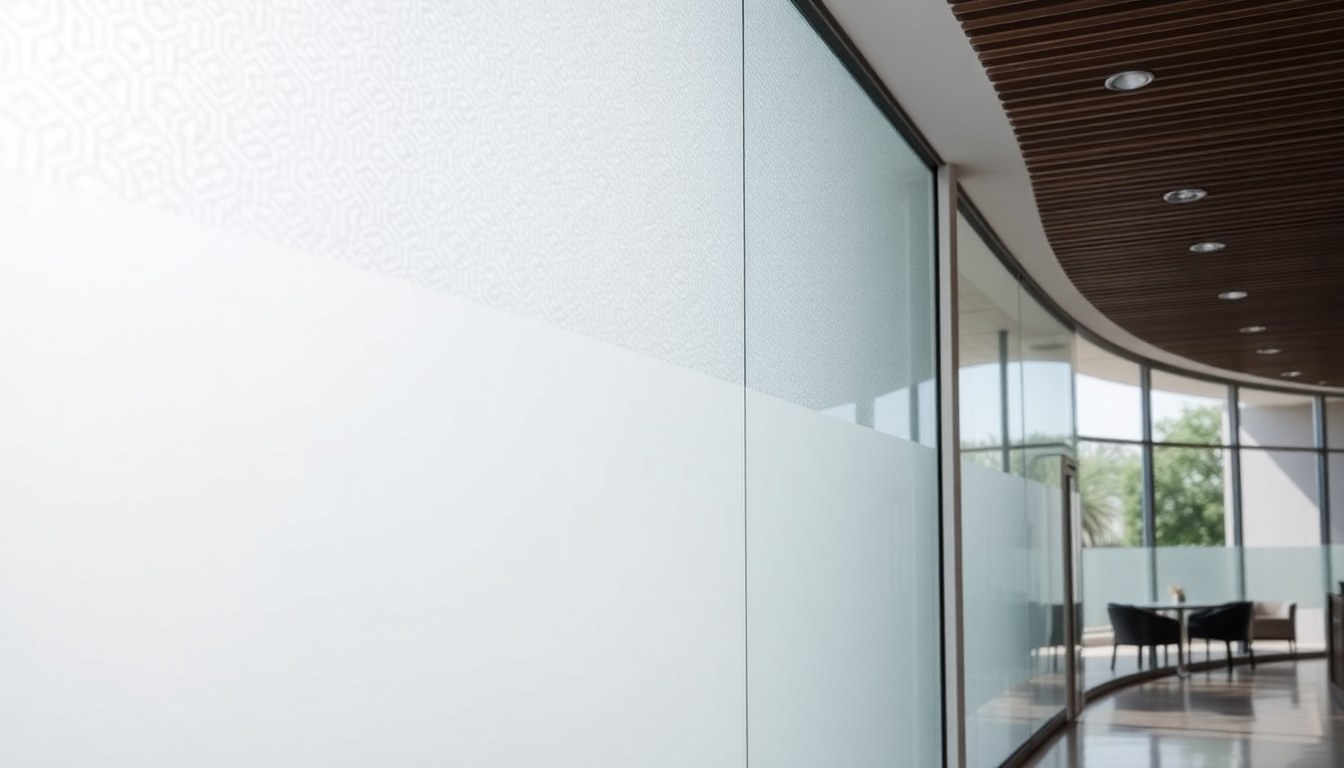
When designing privacy panels, partitions, or decorative glass features, the choice between frosted and acid-etched finishes can make or break your project's aesthetic and longevity. Both treatments create that desirable translucent, privacy-focused appearance, but they're applied using fundamentally different methods and offer distinct advantages in durability, maintenance, and visual appeal. Understanding these differences helps you select the right finish for bathrooms, office partitions, storefronts, and residential applications across Indian homes and commercial spaces.
What Is Frosted Glass and How Is It Made?
Frosted glass refers to any glass with a translucent, non-transparent surface that diffuses light while blocking direct visibility. The term "frosted" describes the visual result rather than a single manufacturing method. In India, frosted finishes are typically achieved through three primary techniques: adhesive frosted film, sandblasting, or chemical etching. Each method produces the characteristic milky appearance but with different durability profiles.
Frosted film is the most affordable and quickest option. A polyester or vinyl film with a frosted pattern is applied to existing glass using adhesive backing. This method requires minimal installation time and can be applied to both sides of the glass. However, the film's lifespan is typically 5–10 years before peeling, bubbling, or yellowing occurs, especially in humid climates like those found in coastal Indian cities such as Mumbai or Kochi.
Sandblasting creates frosted glass by forcing fine sand particles at high pressure against the glass surface, creating tiny pits that scatter light. This mechanical abrasion is permanent and cannot be reversed. The surface feels slightly rough to the touch and offers excellent durability, often lasting 20–30 years or more without degradation. Sandblasted glass is popular for high-traffic commercial applications and premium residential projects.
Understanding Acid-Etched Glass
Acid-etched glass is created by applying hydrofluoric acid or other chemical etchants to the glass surface, which chemically dissolves the top microscopic layer. This creates a frosted appearance similar to sandblasting but through a chemical process rather than mechanical abrasion. The result is a smooth, uniform finish with a refined aesthetic that many designers prefer for upscale projects.
The acid-etching process is highly controlled and produces consistent results across large glass sheets. The glass surface remains smooth to the touch, unlike sandblasted finishes, making it easier to clean and maintain. Acid-etched glass is particularly popular in India's growing luxury residential and hospitality sectors, where the sophisticated appearance justifies the higher cost.
Chemical etching is a permanent alteration to the glass itself, not a surface coating. This means the frosted effect cannot wear away or peel off over time. The durability of acid-etched glass is exceptional—typically 25–40 years or longer—making it a long-term investment for homeowners and businesses in Indian cities like Bangalore, Delhi, and Pune.
Durability Comparison: Which Lasts Longer?
Frosted Film Durability
Frosted adhesive films are the least durable option, with a typical lifespan of 5–10 years in temperate climates and potentially shorter in India's hot, humid regions. The adhesive deteriorates under UV exposure, temperature fluctuations, and moisture. In cities with high humidity like Kolkata or coastal areas, films may fail within 3–5 years. Once degradation begins, peeling and bubbling become visible, and the film must be replaced entirely, adding long-term costs.
Sandblasted Glass Durability
Sandblasted finishes are highly durable and can last 20–30 years or longer without significant degradation. The mechanical pitting is permanent and cannot be reversed by UV light, moisture, or temperature changes. However, the slightly rough surface can trap dust and dirt, requiring more frequent cleaning. In dusty Indian environments, this can be a maintenance consideration. The finish remains stable and uniform throughout its lifespan.
Acid-Etched Glass Durability
Acid-etched glass offers superior longevity, with durability comparable to or exceeding sandblasted glass—typically 25–40 years or more. The chemical alteration is permanent and immune to environmental degradation. The smooth surface resists dust accumulation better than sandblasting, reducing maintenance burden. This makes acid-etched glass the best choice for long-term installations where durability is paramount.
Design Finish and Aesthetic Differences
Visual Appearance
Frosted film produces a translucent, milky appearance with visible pattern lines where the film edges meet. The finish can appear slightly plastic or artificial, particularly in lower-quality films. The opacity and clarity vary depending on film thickness and quality. Budget films may show slight color tints or inconsistencies.
Sandblasted glass creates a uniform, natural-looking frosted finish with excellent light diffusion. The slightly textured surface catches light beautifully and feels authentic. The finish has a premium appearance that works well in both modern and traditional design schemes. However, the rough texture can make it appear less refined compared to chemical etching.
Acid-etched glass offers the most sophisticated aesthetic. The finish is smooth, uniform, and has a subtle elegance that appeals to high-end design projects. The glass appears refined and premium, making it the preferred choice for luxury hotels, corporate offices, and upscale residential properties across Indian metros. The smooth surface reflects light evenly, creating a polished appearance.
Pattern and Customization Options
Frosted films come in numerous patterns and designs—geometric patterns, nature motifs, logos, and custom designs are all possible. This flexibility makes films ideal for branded environments or decorative applications. However, once applied, the pattern is fixed and cannot be easily modified without complete replacement.
Sandblasting allows for custom patterns and designs by masking areas before blasting. Complex logos, decorative borders, and artistic designs are achievable. The customization is permanent and becomes part of the glass itself. This makes sandblasting excellent for branded storefronts and artistic installations.
Acid-etching also permits custom designs through masking techniques. The chemical process can create intricate patterns with sharp detail. Designers often prefer acid-etching for fine, detailed work where precision is essential. The smooth finish preserves design clarity better than sandblasting.
Cost Comparison and Budget Considerations
Frosted film is the most budget-friendly option, costing ₹150–₹400 per square meter for material and installation in India. This affordability makes it ideal for temporary installations, rental properties, or budget-conscious projects. However, the short lifespan means higher replacement costs over 20–30 years.
Sandblasted glass costs ₹800–₹2,000 per square meter, depending on complexity and glass thickness. Custom designs and large installations may cost more. The high upfront cost is offset by exceptional durability and minimal maintenance, making it cost-effective over the long term.
Acid-etched glass typically costs ₹1,200–₹3,500 per square meter, making it the most expensive option initially. However, the superior durability, elegant appearance, and minimal maintenance requirements justify the investment for permanent installations. Over 25–40 years, the cost per year becomes very reasonable compared to frosted film replacement cycles.
Maintenance and Cleaning Requirements
Frosted film requires gentle cleaning with soft cloths and mild soap solutions. Abrasive cleaners or rough scrubbing can damage the film. In humid climates, moisture can accumulate under the film, promoting mold or mildew growth. Regular inspection for peeling or bubbling is necessary.
Sandblasted glass is durable but requires regular cleaning because the textured surface traps dust and dirt easily. Microfiber cloths and mild detergents work well. The rough surface can be scratched by very hard objects, though this is rare in normal use. Professional cleaning is recommended annually for high-traffic commercial installations.
Acid-etched glass is the easiest to maintain. The smooth surface resists dust and dirt accumulation. Standard glass cleaning solutions and squeegees work perfectly. No special care is required, and the finish remains pristine with minimal effort. This low-maintenance characteristic is valued by commercial building managers and busy homeowners.
Frequently Asked Questions
Can frosted film be removed and reapplied?
Frosted film can be removed, but it's difficult to reuse the same film without damage. The adhesive deteriorates during removal, and the film often tears. Removal typically requires heat guns and careful scraping, which can leave residue on the glass. Reapplication with new film is usually more practical than attempting to reuse old film.
Is acid-etched glass more expensive than sandblasted glass?
Acid-etched glass is generally 20–40% more expensive than sandblasted glass, depending on design complexity and supplier. However, the superior aesthetic appeal and easier maintenance often justify the additional cost for premium projects. For budget-conscious applications, sandblasting remains an excellent choice.
Can you reverse acid-etched or sandblasted finishes?
No, both acid-etching and sandblasting are permanent alterations to the glass that cannot be reversed. Once applied, the finish is permanent. If you change your mind about the design, the glass must be replaced. This permanence is why careful planning and design approval are crucial before treatment.
Which finish is best for bathrooms in humid climates?
Acid-etched glass is ideal for humid bathrooms because it's immune to moisture damage and requires minimal maintenance. Sandblasted glass is also suitable but may trap moisture in its textured surface. Frosted film is the least suitable choice for bathrooms due to adhesive failure in high-humidity environments common in Indian coastal cities.
How long does installation take for each method?
Frosted film installation is quickest—typically 1–3 days for standard installations. Sandblasting and acid-etching require 3–7 days depending on glass size, design complexity, and curing time. Acid-etching may require longer curing periods before the glass can be handled or installed, typically 24–48 hours after treatment.
Conclusion
The choice between frosted film, sandblasted glass, and acid-etched glass depends on your budget, timeline, durability needs, and aesthetic preferences. Frosted film offers affordability and quick installation but requires replacement every 5–10 years. Sandblasted glass provides excellent durability and a premium appearance for 20–30 years. Acid-etched glass delivers the most sophisticated finish and longest lifespan, making it ideal for permanent, high-value installations across India's growing commercial and residential sectors.
For permanent installations in homes, offices, and commercial properties, acid-etched or sandblasted finishes are superior investments. For temporary solutions or budget-limited projects, frosted film remains practical. Whatever your choice, connect with experienced glass suppliers and installers through the glassy.in directory to ensure professional application and lasting results for your privacy glass project.