
Glass Guides
Frosted vs Acid-Etched Glass: Which Finish Lasts Longer?
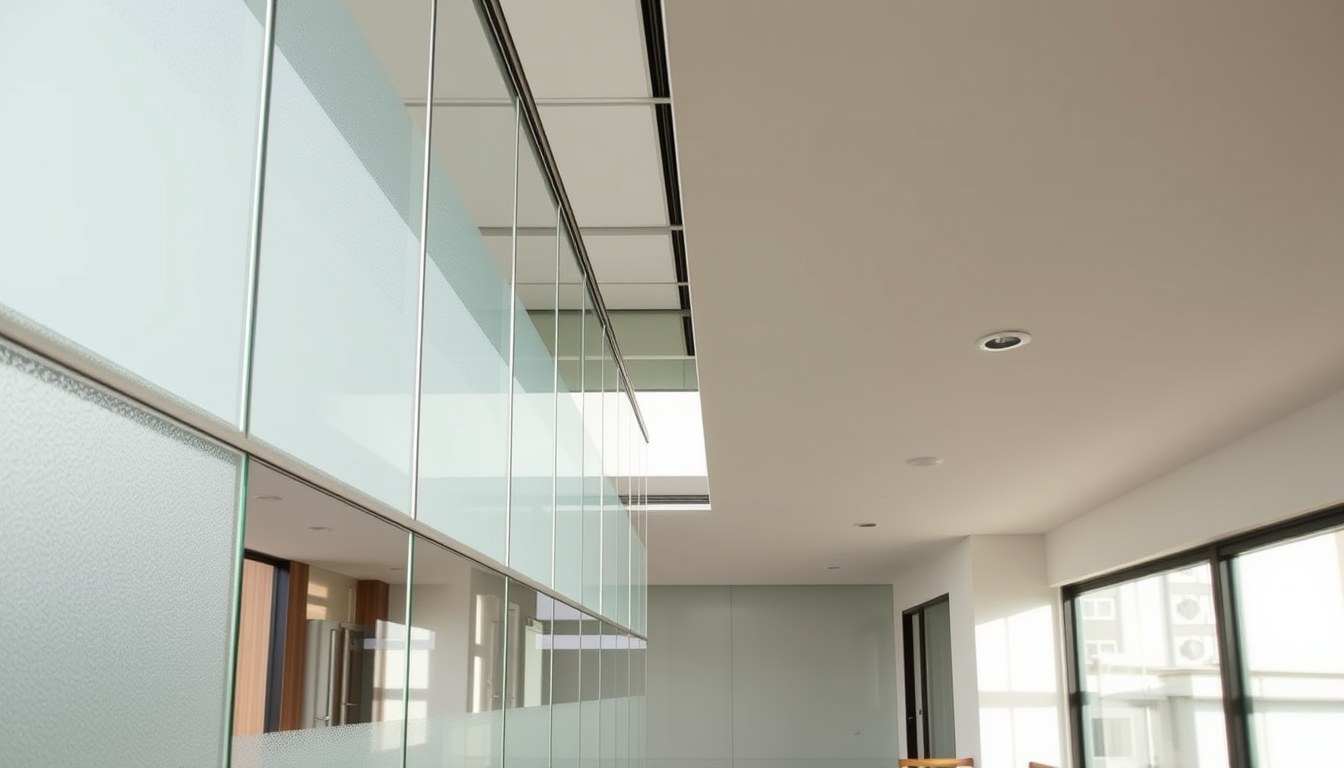
Frosted and acid-etched glass are popular choices for privacy, aesthetics, and concealing fingerprints, but they're not created equal. While both produce a similar cloudy appearance, the methods used to achieve these finishes—and how they hold up over years of use—differ significantly. Understanding the durability of each will help you make the right choice for bathroom partitions, office doors, kitchen cabinets, or decorative panels.
Understanding the Two Finishes
Frosted glass and acid-etched glass are often used interchangeably in casual conversation, but they are technically different products created through distinct manufacturing processes. The confusion arises because both produce a translucent, non-reflective surface that obscures visibility while allowing light through. However, the durability and maintenance requirements of each finish depend heavily on how the effect is achieved.
The key difference lies in the method: frosted glass is typically created through sandblasting or mechanical abrasion, while acid-etched glass uses chemical processes to alter the glass surface. Each approach has distinct advantages and drawbacks when it comes to longevity, maintenance, and performance in various environments.
What is Frosted Glass?
Frosted glass is produced by sandblasting the surface of clear glass with fine particles at high pressure. This mechanical process creates tiny, uniform pits and valleys across the glass surface, scattering light and creating the characteristic milky appearance. The frosting effect penetrates only a thin layer of the glass—typically less than a millimeter—but is permanent once created.
Common applications for frosted glass in India include:
- Bathroom partitions and shower enclosures
- Office partition walls and glass doors
- Kitchen cabinet glass panels
- Decorative window treatments in residential and commercial spaces
- Signage and branding on storefronts
The frosted finish is created purely through mechanical means, with no chemical treatment involved. This makes the process straightforward and allows manufacturers to control the depth and intensity of the frosting effect by adjusting sandblasting pressure and duration.
What is Acid-Etched Glass?
Acid-etched glass is produced by applying hydrofluoric acid or other chemical etchants to the glass surface in a controlled manner. The acid chemically reacts with the silica in the glass, creating a frosted appearance similar to sandblasted glass. The process can be applied uniformly across the entire surface or in specific patterns, depending on the masking technique used.
Acid-etching offers several advantages in terms of control and customization:
- Ability to create intricate patterns and designs
- More uniform and consistent finish across large panels
- No dust or particles generated during production
- Suitable for creating decorative effects and branding
- Can be applied to already-installed glass in some cases
The chemical etching process is reversible to some degree, though reversing an acid-etched finish is impractical for most applications. The etched layer is typically deeper and more uniform than sandblasted frosting, which can affect durability characteristics.
Durability Comparison: Which Lasts Longer?
Frosted (Sandblasted) Glass Durability
Frosted glass created through sandblasting is extremely durable under normal conditions. The mechanical process creates a permanent alteration to the glass surface that does not degrade with time, moisture, or temperature fluctuations. The frosted finish will not fade, yellow, or lose its opacity over decades of use. Once sandblasted, the glass maintains its appearance indefinitely unless the surface is polished or re-treated.
However, frosted glass has one notable vulnerability: the pitted surface can accumulate dirt, dust, and mineral deposits more easily than smooth glass. In high-moisture environments like bathrooms, hard water deposits can become visible on the frosted surface, requiring more frequent cleaning. The microscopic pits also provide surface area for mold and mildew to develop in poorly ventilated spaces.
Acid-Etched Glass Durability
Acid-etched glass is also highly durable and permanent. The chemical alteration of the glass surface is as permanent as sandblasting, and the finish will not degrade or fade over time. Acid-etched glass is generally more resistant to dirt accumulation because the etched surface is smoother and less porous than sandblasted glass. This makes it easier to clean and maintain in most environments.
The chemical etching process creates a more uniform and consistent finish, which can actually enhance durability by distributing wear evenly across the surface. Acid-etched glass performs particularly well in high-moisture environments because the smoother surface resists mineral deposit buildup better than frosted glass.
Performance Under Daily Use and Environmental Factors
Moisture and Humidity
Both finishes are equally resistant to moisture damage since the alteration occurs at the glass level and neither process creates a coating that can peel or delaminate. However, frosted glass's rougher surface texture means it can trap moisture and mineral deposits more readily. In bathrooms and kitchens across Indian cities with hard water—such as Delhi, Bangalore, and Mumbai—frosted glass may show water spotting and mineral buildup more visibly than acid-etched glass.
Acid-etched glass's smoother surface allows water to dry more evenly, reducing the appearance of water marks and mineral deposits. This makes acid-etched glass a better choice for high-moisture environments where water spotting is a concern.
Cleaning and Maintenance
Frosted glass requires more frequent and careful cleaning due to its porous surface. Dust, fingerprints, and soap residue can settle into the microscopic pits, requiring scrubbing or specialized cleaning products. While the finish itself is durable, the maintenance burden is higher. Regular cleaning with a soft brush or microfiber cloth is recommended to prevent buildup.
Acid-etched glass is significantly easier to maintain. The smoother, more uniform surface allows standard glass cleaners and soft cloths to work effectively. Most dirt and water marks wipe away cleanly without scrubbing, making it the lower-maintenance option for busy households and commercial spaces.
Temperature Fluctuations and Thermal Stress
Both frosted and acid-etched finishes are completely unaffected by temperature changes. The alteration occurs at the molecular level of the glass itself, not through any coating or surface treatment that could be compromised by thermal stress. Whether used in a heated office building or a naturally ventilated space, neither finish will degrade due to temperature fluctuations.
Cost and Practical Considerations in India
Frosted glass is generally less expensive to produce than acid-etched glass, making it the more budget-friendly option. In Indian markets, frosted glass typically costs ₹150–₹400 per square foot depending on thickness and quality, while acid-etched glass may range from ₹200–₹600 per square foot. The price difference reflects the more controlled and chemical-intensive process of acid etching.
For large-scale projects or residential applications where cost is a primary concern, frosted glass offers excellent durability at a lower price point. However, for spaces requiring easier maintenance and superior performance in high-moisture environments, the additional investment in acid-etched glass often pays off through reduced cleaning effort and better long-term appearance.
Both finishes are widely available across Indian cities. Major glass suppliers in Delhi, Mumbai, Bangalore, Pune, and Hyderabad stock both options, and custom orders can typically be fulfilled within 2–3 weeks.
Which Finish Should You Choose?
The choice between frosted and acid-etched glass depends on your specific needs and environment:
Choose frosted glass if:
- Budget is the primary concern
- You're willing to clean more frequently
- The application is in a low-moisture environment
- You prefer maximum opacity and light diffusion
- You need rapid turnaround on custom orders
Choose acid-etched glass if:
- You want minimal maintenance requirements
- The glass will be exposed to moisture or hard water
- You prefer a consistent, uniform appearance
- You need decorative patterns or custom designs
- Long-term appearance and ease of cleaning are priorities
In terms of pure durability and longevity, both finishes are essentially equal—both will last for decades without degradation. The practical difference lies in maintenance ease and performance in specific environments. Acid-etched glass has a slight edge in high-moisture, high-traffic settings, while frosted glass remains an excellent choice for cost-conscious applications with moderate maintenance expectations.
Frequently Asked Questions
Can frosted glass be converted to acid-etched glass?
No, conversion between the two is not practical. Once glass is sandblasted, it cannot be chemically etched to improve its properties. Similarly, acid-etched glass cannot be re-treated to change its characteristics. Each finish is permanent and designed to last the lifetime of the glass.
Does frosted glass yellow or fade over time?
No, frosted glass does not yellow or fade. The frosting is a permanent alteration to the glass surface and will maintain its appearance indefinitely. Any discoloration that appears is typically from dirt, dust, or mineral deposits on the surface, not from degradation of the frosting itself.
Which finish is better for a bathroom shower enclosure?
Acid-etched glass is generally the better choice for bathroom shower enclosures because it resists mineral deposit buildup and water spotting more effectively than frosted glass. However, both finishes are durable and suitable for bathrooms—the choice depends on your willingness to maintain the surface regularly.
Is acid-etched glass toxic or unsafe?
No, acid-etched glass is completely safe once the manufacturing process is complete. The chemical etching occurs during production, and the finished glass contains no residual chemicals or toxins. Both frosted and acid-etched glass are safe for food contact, drinking glasses, and any residential application.
How long do frosted and acid-etched finishes last?
Both finishes are permanent and will last the entire lifetime of the glass—potentially 50+ years or more with proper care. Neither finish degrades, peels, or fades over time. The glass itself may break or crack, but the frosted or etched finish will not deteriorate independently.
Ready to find the perfect frosted or acid-etched glass for your project? Browse trusted glass suppliers and manufacturers across India on glassy.in, India's largest glass-business directory. Compare prices, read reviews, and connect with local glass specialists in your city today.