
Wardrobe Shutters
Wardrobe Glass Shutters vs Laminate Shutters: Complete Comparison for Indian Homes
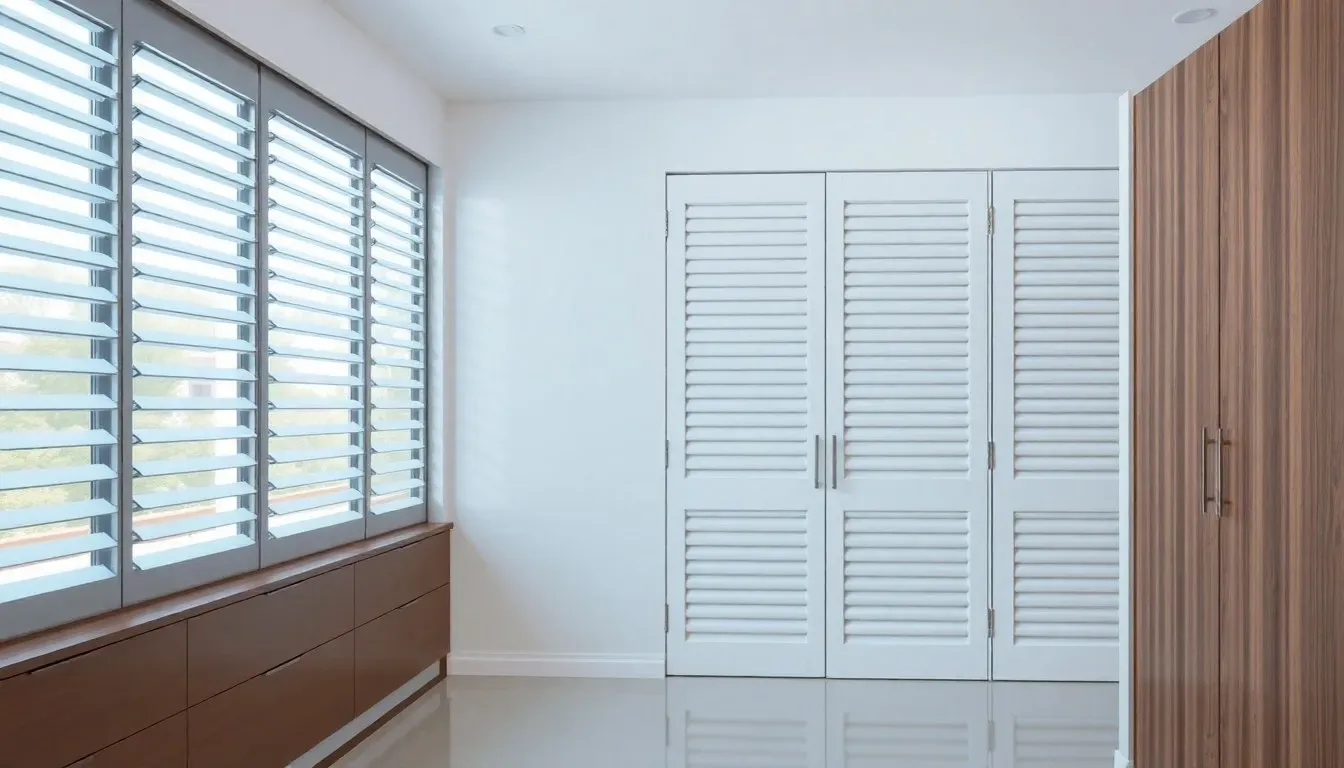
Wardrobe Glass Shutters vs Laminate Shutters: Complete Comparison for Indian Homes
When designing or renovating your bedroom wardrobe, one of the most critical decisions you’ll face is choosing between glass shutters and laminate shutters. Both materials offer distinct advantages and limitations that can significantly impact your wardrobe’s functionality, appearance, and longevity. This comprehensive comparison will help you make an informed choice based on your budget, lifestyle, climate, and aesthetic preferences.
Aesthetic Appeal and Design Versatility
Glass shutters bring a contemporary, luxurious feel to any bedroom. They create an illusion of space, making even compact rooms appear larger and more open. Frosted, tinted, or lacquered glass options allow you to balance visibility with privacy while maintaining a sophisticated look. Glass shutters work exceptionally well in modern, minimalist, and Scandinavian-inspired interiors, reflecting light beautifully and adding depth to your space.
Laminate shutters, on the other hand, offer unmatched versatility in design. Available in hundreds of finishes—from wood grains and solid colors to abstract patterns and textures—laminates can mimic expensive materials like walnut, oak, or marble at a fraction of the cost. They suit virtually any interior style, from traditional and rustic to contemporary and eclectic. Laminates also provide complete privacy, which many homeowners prefer for bedroom wardrobes.
For bedrooms with limited natural light, glass shutters can help distribute available light more effectively. However, if your bedroom receives harsh direct sunlight, especially in cities like Delhi, Ahmedabad, or Hyderabad, laminate shutters won’t fade or discolor as quickly as some glass finishes might over extended periods.
Durability and Lifespan
Tempered glass shutters are remarkably durable when properly installed and handled. They resist scratches better than most laminate surfaces and won’t warp, peel, or delaminate over time. Quality glass shutters can easily last 15-20 years or more without significant deterioration. However, they are susceptible to impact damage—a hard knock from furniture during rearrangement or accidental impact can cause cracks or shattering, though tempered glass breaks into relatively safe, blunt pieces.
Laminate shutters typically last 10-15 years depending on the quality of the substrate and laminate sheet used. High-pressure laminates (HPL) are more durable than low-pressure options, offering better resistance to scratches, stains, and daily wear. The edges of laminate shutters are vulnerable points—if not properly sealed, they can chip, peel, or allow moisture ingress that causes the underlying board to swell.
Impact Resistance Considerations
In households with children or high activity levels, laminate shutters generally prove more forgiving. A bump or knock might leave a small dent or chip but won’t compromise the entire shutter. Glass, while strong, requires more careful handling during use and any relocation of bedroom furniture. If you frequently rearrange your bedroom or move homes, laminate shutters offer practical advantages.
Maintenance Requirements and Ease of Cleaning
Glass shutters are exceptionally easy to clean—a simple wipe with glass cleaner or a damp cloth removes fingerprints, dust, and smudges within minutes. This makes them ideal for busy households where quick maintenance is valued. However, glass does show fingerprints and dust more readily than laminates, requiring more frequent cleaning to maintain their pristine appearance. In cities with high pollution levels like Mumbai, Kolkata, or Bengaluru, you may find yourself cleaning glass shutters more often.
Laminate shutters require minimal maintenance beyond occasional dusting and wiping with a damp cloth. They don’t show fingerprints as prominently as glass and can go longer between cleanings. However, laminates are more susceptible to staining from certain substances, and once stained, the marks can be difficult or impossible to remove completely. Avoid using abrasive cleaners or scrubbers on laminate surfaces as these can damage the finish.
- Glass shutters: Clean weekly with glass cleaner for best appearance
- Laminate shutters: Dust regularly, deep clean monthly with mild detergent
- Both materials: Avoid harsh chemical cleaners that can damage surfaces
- Glass edges and laminate edges: Check periodically for chips or damage
Cost Comparison and Budget Considerations
Laminate shutters are generally more budget-friendly, with prices typically ranging from ₹350 to ₹800 per square foot depending on the laminate brand, substrate quality, and hardware used. Premium laminates from brands like Merino, Greenlam, or Formica fall on the higher end of this spectrum but offer superior durability and finish quality.
Glass shutters command a premium, usually costing between ₹600 to ₹1,500 per square foot or more. The price varies based on glass thickness (typically 5mm to 8mm for wardrobe shutters), finish (clear, frosted, lacquered, or tinted), frame material (aluminum or wooden), and hardware quality. Specialized finishes like back-painted glass or decorative patterns increase costs further.
When budgeting for your wardrobe, remember to factor in installation costs. Glass shutters often require more specialized installation expertise, potentially adding to labor charges. However, their longer lifespan and lower replacement frequency can offset the higher initial investment over time.
Moisture Resistance and Climate Suitability
India’s diverse climate zones present different challenges for wardrobe materials. Glass shutters excel in moisture resistance—they’re completely impervious to water, humidity, and moisture-related damage. This makes them excellent choices for coastal cities like Mumbai, Goa, Chennai, or Kochi where humidity levels remain high year-round. Glass won’t warp, swell, or develop mold even in damp conditions.
Laminate shutters perform reasonably well in moderate humidity but can be vulnerable in extremely humid or moisture-prone environments. The substrate beneath the laminate—typically particle board, MDF, or plywood—determines moisture resistance. Boiling water resistant (BWR) or marine-grade plywood substrates offer better moisture protection than standard particle board but increase costs. Even with moisture-resistant substrates, exposed edges remain vulnerable and must be properly sealed.
Regional Climate Recommendations
For homes in high-humidity coastal regions or areas with monsoon exposure, glass shutters provide superior long-term performance. In drier climates like Rajasthan, Gujarat, or parts of Maharashtra, both materials perform well, making the choice more dependent on aesthetics and budget. In regions with extreme temperature variations, ensure proper sealing and quality hardware regardless of which material you choose.
Weight and Structural Considerations
Glass shutters are significantly heavier than laminate alternatives. An 8mm glass shutter weighs approximately 20kg per square meter compared to 8-10kg for a laminate shutter of similar size. This weight difference has important implications for your wardrobe structure. Glass shutters require robust frames, stronger hinges or sliding mechanisms, and potentially reinforced wardrobe carcasses to support the additional load safely.
Laminate shutters place less stress on hardware and structural components, allowing for larger shutter dimensions without concerns about sagging or hinge failure. They’re also easier to handle during installation and any future modifications. If you’re retrofitting shutters to an existing wardrobe, laminate options may be more practical unless the structure was originally designed for glass.
Privacy and Light Control
Laminate shutters provide complete privacy and light blocking, making them ideal for bedrooms where you want to keep wardrobe contents completely hidden. This total opacity also prevents any light from entering or escaping the wardrobe, which can be advantageous if you store light-sensitive items or prefer complete darkness while sleeping.
Glass shutters offer varying levels of privacy depending on the finish chosen. Clear glass provides full visibility—great for displaying curated clothing collections or accessories but impractical for most bedrooms. Frosted or tinted glass offers a middle ground, obscuring contents while maintaining the aesthetic benefits of glass. Fully lacquered or back-painted glass provides complete privacy similar to laminates while retaining glass’s reflective and space-enhancing properties.
Frequently Asked Questions
Which is more durable for long-term use: glass or laminate wardrobe shutters?
Glass shutters typically outlast laminate options when properly maintained, with lifespans of 15-20 years versus 10-15 years for quality laminates. Glass resists scratches, won’t peel or delaminate, and maintains its appearance longer. However, glass is vulnerable to impact damage while laminates are more forgiving of bumps and knocks. For maximum durability in high-humidity environments, glass is the superior choice.
Are glass wardrobe shutters safe for homes with children?
Yes, when tempered glass is used, which is the standard for wardrobe applications. Tempered glass is 4-5 times stronger than regular glass and breaks into small, relatively blunt pieces rather than dangerous shards if shattered. However, laminate shutters eliminate breakage concerns entirely and may be preferable for households with very young children or high activity levels.
How much more expensive are glass shutters compared to laminate?
Glass shutters typically cost 1.5 to 2 times more than laminate shutters. Expect to pay ₹600-₹1,500 per square foot for glass versus ₹350-₹800 per square foot for laminates. The exact price difference depends on glass finish, laminate brand, substrate quality, and hardware specifications. While glass requires higher upfront investment, its longer lifespan and lower maintenance can provide better value over time.
Which option is better for humid climates like coastal cities?
Glass shutters are significantly better for high-humidity environments. They’re completely moisture-proof and won’t warp, swell, or develop mold regardless of humidity levels. Laminate shutters can perform adequately in humid climates if built with moisture-resistant substrates like BWR plywood and properly sealed edges, but glass remains the superior choice for coastal areas.
Can I combine glass and laminate in the same wardrobe?
Absolutely. Many homeowners create visually interesting wardrobes by combining both materials—for example, using glass shutters for display sections or upper cabinets and laminate for main storage areas. This hybrid approach balances aesthetics, functionality, and budget while allowing you to leverage the strengths of both materials in a single wardrobe design.
Whether you choose glass or laminate shutters for your wardrobe ultimately depends on your specific requirements, budget, and personal preferences. Both materials have proven track records in Indian homes when properly selected and installed. For expert guidance and to connect with verified wardrobe manufacturers and glass suppliers in your city, explore the comprehensive business directory at glassy.in—your trusted resource for all glass and interior solutions.