
Buying Guides
Top 10 Architects in Kochi for Glass Bridge and Skywalk Design Projects
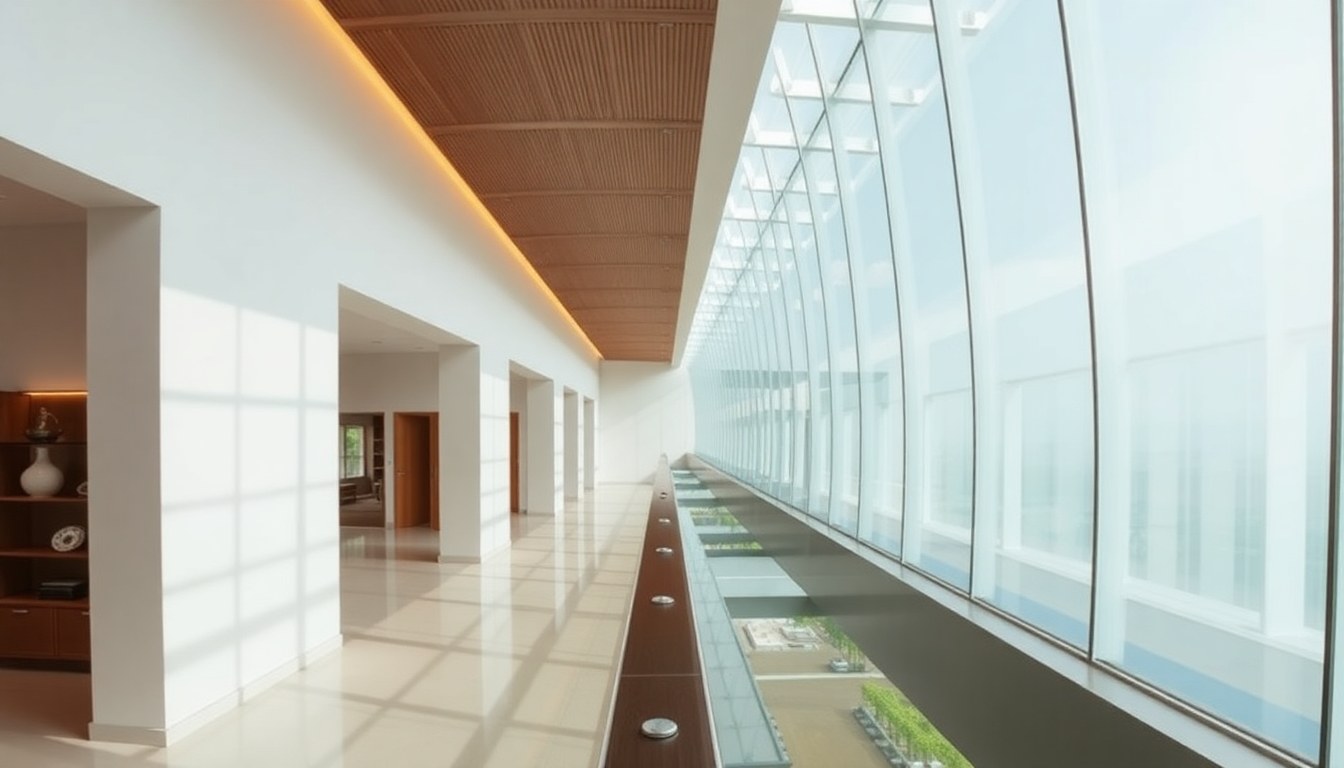
Glass bridges and skywalks have transformed urban landscapes across Kerala, offering breathtaking transparent walkways that combine structural innovation with architectural elegance. If you're searching for architects in Kochi who specialize in designing these spectacular structures—whether for commercial complexes, tourist attractions, or public infrastructure—this comprehensive guide connects you with the region's most qualified professionals. These specialists bring together expertise in structural engineering, glass technology, and contemporary design to create safe, stunning elevated walkways.
Understanding Glass Bridge and Skywalk Architecture
Glass bridge and skywalk design represents one of the most challenging disciplines in contemporary architecture. These structures demand a unique combination of structural engineering prowess, material science knowledge, and aesthetic vision. Unlike conventional pedestrian bridges, glass walkways must address psychological factors—many users experience vertigo or anxiety when walking on transparent surfaces—while maintaining absolute structural integrity and safety standards.
In Kerala's climate, architects must account for monsoon conditions, high humidity levels, and temperature fluctuations that affect glass performance. The design process involves selecting appropriate glass types (typically laminated tempered glass with anti-slip coatings), engineering robust steel or concrete support frameworks, and ensuring compliance with IS codes for pedestrian bridge design. Cantilevered skywalks, which extend beyond their support structures, require particularly sophisticated load calculations and wind resistance analysis.
Modern glass bridge projects in India increasingly incorporate smart glass technologies, LED lighting systems, and real-time structural health monitoring. Architects working in this niche must collaborate closely with structural engineers, glass manufacturers, and safety consultants to deliver projects that are both visually spectacular and engineered to last decades with minimal maintenance.
Key Credentials to Look for in Glass Bridge Architects
When selecting an architect for your glass bridge or skywalk project, specific qualifications and experience markers separate true specialists from general practitioners. First, verify their structural engineering collaboration history—glass bridges require PE-certified structural engineers who understand load distribution, deflection limits, and dynamic loading from pedestrian traffic and wind forces.
Portfolio verification is essential. Request case studies of completed glass walkway projects, paying attention to span lengths, cantilever distances, and complexity of the installations. Architects experienced with ZX Architects and similar firms often showcase projects with detailed engineering drawings, material specifications, and post-installation performance data.
Essential Technical Competencies
- Glass specification expertise: Knowledge of laminated glass systems, interlayer materials (PVB, SGP), and appropriate thickness calculations for pedestrian loading
- Connection detailing: Proficiency in designing point-fixed glass systems, frameless balustrades, and weatherproof sealing methods
- Safety compliance: Familiarity with NBC (National Building Code) requirements, IS 875 loading standards, and local building authority regulations
- Material sourcing: Established relationships with certified glass suppliers who can provide test certificates and warranty documentation
- 3D modeling capabilities: Advanced BIM (Building Information Modeling) skills for visualization and clash detection before construction begins
Top Architectural Firms Specializing in Glass Structures in Kochi
Kochi's architectural landscape includes several firms that have successfully delivered glass bridge and skywalk projects across Kerala and southern India. While comprehensive project portfolios vary, certain practices have established reputations for transparent structure design through commercial complex installations, hospitality projects, and public infrastructure work.
Firms like Associate Designers - Best Architects and Interior Designers in Kochi, Kerala bring multidisciplinary capabilities that prove valuable when glass walkways form part of larger development projects. Their integrated approach ensures that skywalk designs harmonize with overall architectural vision while meeting stringent engineering requirements.
Evaluating Architect Portfolios
When reviewing potential architects, examine their portfolio for diversity in glass applications. The best glass bridge designers demonstrate experience across multiple project types—retail atriums with suspended walkways, hotel lobby features, observation decks, and outdoor pedestrian bridges. This breadth indicates adaptability and deep material knowledge rather than one-off project experience.
Request references from previous clients and, if possible, visit completed installations. Observe glass clarity after years of use, check for any visible deflection or movement, and inquire about maintenance requirements. Well-designed glass bridges should require minimal upkeep beyond routine cleaning and periodic seal inspections.
The Design and Approval Process for Glass Walkway Projects
Glass bridge projects in Kerala follow a structured approval pathway that typically spans six to twelve months before construction begins. The process starts with conceptual design, where architects develop preliminary layouts, establish span requirements, and create visualization renderings for stakeholder approval. This phase includes site analysis to assess foundation conditions, existing structure integration points, and accessibility compliance.
Following concept approval, the detailed engineering phase begins. Structural engineers perform finite element analysis to model stress distribution, deflection under various load scenarios, and dynamic response to pedestrian movement. Glass specifications are finalized based on these calculations, typically resulting in laminated assemblies ranging from 40mm to 60mm total thickness for pedestrian bridges, with thicker sections for longer spans or cantilevered sections.
Regulatory Approvals and Safety Certifications
Kerala building authorities require comprehensive documentation for glass bridge projects. Architects must submit structural calculations certified by licensed engineers, glass test certificates demonstrating compliance with IS 2553 standards, and detailed construction methodology statements. For projects in municipal areas, additional approvals from town planning departments and fire safety officers may be mandatory.
Safety testing protocols include mock-up assembly testing, where representative sections undergo load testing to verify design assumptions. Many architects also specify ongoing monitoring systems—strain gauges, accelerometers, or visual inspection protocols—to ensure long-term structural performance and provide early warning of any issues.
Cost Considerations and Budget Planning
Glass bridge and skywalk projects represent significant investments, with costs varying dramatically based on span length, design complexity, and site conditions. As a general guideline, basic glass walkway installations in Kerala start around ₹15,000 to ₹25,000 per square foot of walking surface, including structural framework, glass assembly, and installation. This baseline covers straightforward designs with conventional support systems.
Cantilevered skywalks and architecturally complex designs command premium pricing, often reaching ₹40,000 to ₹60,000 per square foot. These figures reflect the engineering intensity required for cantilevered sections, specialized connection hardware, and often imported glass products with superior optical clarity and performance characteristics. Additional costs include foundation work, which varies based on soil conditions, and any necessary modifications to existing structures for integration points.
Long-Term Value and Maintenance Budgeting
Beyond initial construction costs, property owners should budget for ongoing maintenance. Annual glass cleaning for commercial installations typically costs ₹150 to ₹300 per square meter, depending on height and accessibility. Seal inspections and minor repairs should be scheduled every two to three years, with major structural inspections recommended every five years. Well-maintained glass bridges in Kerala's climate can exceed 25-year service lives with minimal degradation.
Emerging Trends in Glass Bridge Design
Kerala's glass bridge architecture is evolving rapidly, incorporating technologies and design approaches that enhance both user experience and structural performance. Electrochromic smart glass, which transitions from transparent to opaque on demand, addresses privacy concerns and reduces glare in high-sun installations. Some recent projects integrate photovoltaic glass panels that generate electricity while maintaining transparency, contributing to building sustainability goals.
Interactive lighting systems synchronized with pedestrian movement create dramatic nighttime experiences, transforming glass bridges into illuminated architectural features. Architects are also experimenting with curved glass geometries and non-linear pathways that enhance visual interest while presenting complex engineering challenges. These innovations require architects who remain current with material developments and maintain relationships with specialized glass fabricators.
Sustainability considerations increasingly influence design decisions. Architects now specify glass with recycled content, design for disassembly to enable future material recovery, and optimize structural efficiency to minimize material consumption. These approaches align with green building certifications while often reducing overall project costs through material efficiency.
Frequently Asked Questions
What is the typical timeline for designing and constructing a glass bridge in Kochi?
Complete glass bridge projects in Kochi typically require 12 to 18 months from initial design to final installation. This includes 2-3 months for conceptual design, 3-4 months for detailed engineering and approvals, 2-3 months for glass fabrication, and 4-6 months for on-site construction and installation. Complex cantilevered designs or projects requiring extensive foundation work may extend timelines by several months.
How safe are glass bridges and skywalks in Kerala's monsoon climate?
Properly engineered glass bridges are exceptionally safe in monsoon conditions. Architects specify laminated glass with anti-slip surface treatments that maintain traction even when wet. The laminated construction means that even if outer glass layers crack, the interlayer holds fragments in place, maintaining structural integrity. Drainage systems prevent water accumulation, and structural frameworks are designed with safety factors typically exceeding 4:1 for pedestrian loading.
Can glass bridges be added to existing buildings in Kochi?
Yes, glass bridges can be retrofitted to existing structures, though this requires careful structural assessment. Architects must evaluate the load-bearing capacity of connection points on existing buildings, often requiring structural reinforcement. Historic buildings may have restrictions limiting modifications, requiring creative engineering solutions like independent support columns. Experienced firms like PREVOIR Architects specialize in integrating contemporary glass elements with existing architecture.
What maintenance do glass bridges require?
Glass bridge maintenance involves regular cleaning (monthly to quarterly depending on exposure), annual seal inspections, and periodic structural assessments every five years. Professional cleaning services use specialized equipment and solutions that prevent scratching while removing environmental deposits. Structural inspections verify connection integrity, check for glass delamination, and ensure drainage systems function properly. Properly maintained installations require minimal repairs over their design life.
How much weight can a glass bridge safely support?
Glass bridges in India are typically designed to support live loads of 400 to 500 kg per square meter, following IS 875 Part 2 guidelines for pedestrian areas. This accommodates dense crowd conditions safely. The glass itself contributes to load distribution, but primary structural capacity comes from the steel or concrete framework. Architects perform detailed calculations considering static loads, dynamic effects from walking, and environmental factors like wind pressure to ensure comprehensive safety margins.
Whether you're planning a commercial skywalk, tourist attraction, or innovative pedestrian connection, selecting the right architect is crucial for project success. Explore the comprehensive directory at glassy.in to discover qualified architects, structural engineers, and glass specialists in Kochi who can transform your glass bridge vision into reality. Our verified listings include portfolio examples, contact information, and client reviews to help you make informed decisions for your next transparent walkway project.