
Buying Guides
Curved Laminated Glass Fabrication: Hot-Bending Process and Quality Control for Ahmedabad Showrooms
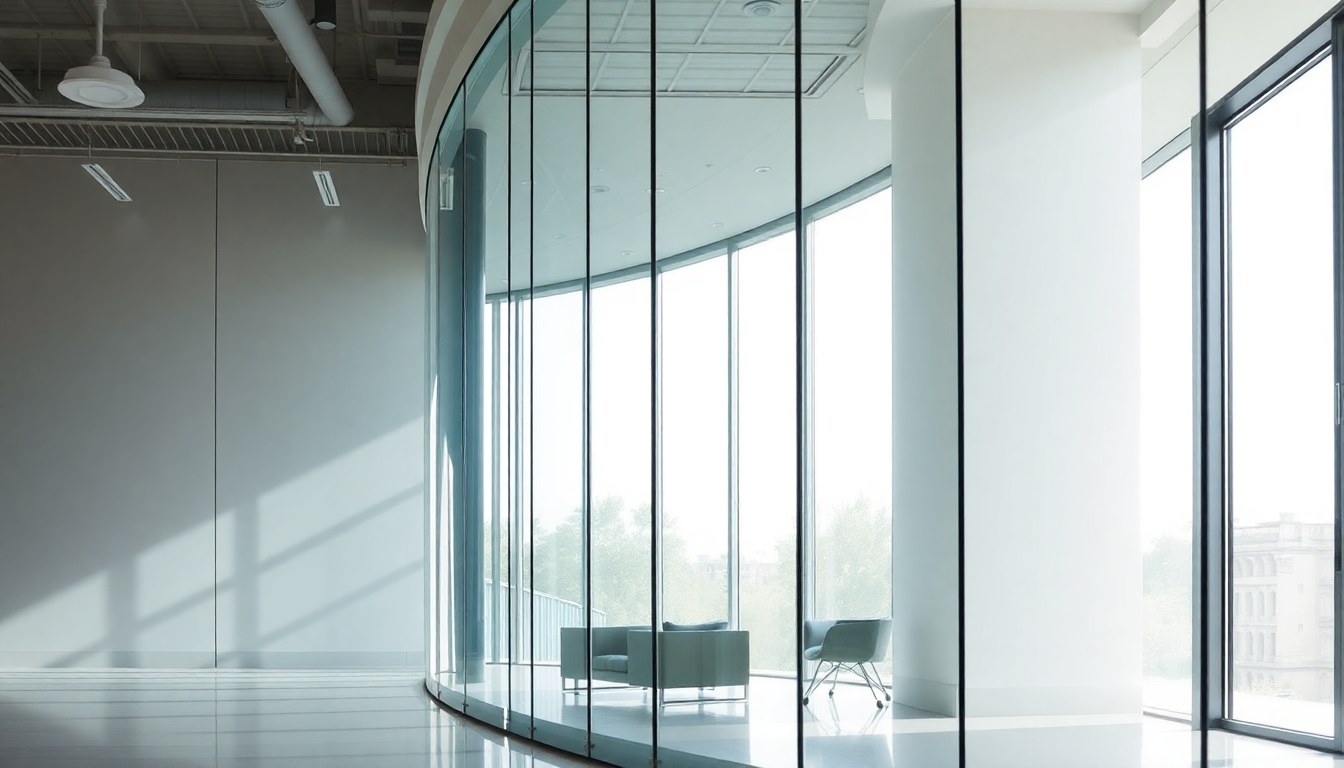
Curved laminated glass transforms ordinary retail spaces into architectural statements, but the manufacturing process demands precision at every step. This guide walks you through the complete hot-bending fabrication process, from initial glass selection to final quality inspection, helping Ahmedabad showroom owners and designers understand what goes into creating these striking curved glass installations and how to ensure they receive premium-quality products.
Understanding Curved Laminated Glass Construction
Curved laminated glass consists of two or more glass panes bonded together with an interlayer—typically polyvinyl butyral (PVB)—then shaped using controlled heat. Unlike flat laminated glass, the curved variety requires synchronized bending of all glass layers before lamination to ensure optical clarity and structural integrity. The curvature adds both aesthetic appeal and functional benefits, making it ideal for showroom facades, display cases, and architectural features.
The process differs fundamentally from cold-bending techniques, which apply mechanical force to flex glass within its elastic limits. Hot-bending permanently deforms the glass molecular structure at temperatures between 580°C and 620°C, creating stable curves that won't revert over time. This permanence makes hot-bent laminated glass suitable for load-bearing applications and exterior installations where temperature fluctuations occur.
For showroom applications in cities like Ahmedabad, curved laminated glass serves multiple purposes: creating seamless corner transitions, building cylindrical display columns, and crafting curved canopies that withstand both wind loads and thermal stress. Professionals like SSA DESIGN STUDIO often specify curved glass for projects requiring both visual impact and safety compliance.
The Hot-Bending Manufacturing Process
Glass Selection and Preparation
The process begins with selecting appropriate glass types and thicknesses. Most curved laminated glass uses annealed float glass ranging from 5mm to 12mm per layer. Thicker glass requires higher temperatures and longer heating cycles, while thinner glass bends more easily but offers less structural strength. Each glass pane must be cut precisely to size with edges seamed and polished to prevent stress concentrations during heating.
Surface preparation is critical—any contaminants, fingerprints, or residues will become permanent defects visible in the finished product. Fabricators wash glass with deionized water and inspect under controlled lighting to identify scratches, inclusions, or edge chips that could cause breakage during bending. Quality manufacturers reject any glass showing defects before proceeding to the bending stage.
Mold Preparation and Setup
Bending molds are typically constructed from stainless steel or ceramic materials that withstand repeated heating cycles without warping. The mold radius must account for glass thickness and thermal expansion—a 2000mm radius at room temperature may measure slightly different at bending temperature. Experienced fabricators maintain multiple mold sets for common radii and custom-fabricate molds for specialized projects.
The glass sits on the mold supported by heat-resistant materials that won't mark the surface. Some facilities use gravity-bending where glass sags naturally over a mold, while others employ press-bending with matched male and female molds for tighter radius control. The choice depends on the desired curve radius and production volume.
Heating and Bending Cycle
Glass enters a tempering furnace where temperature increases gradually at controlled rates—typically 5°C to 8°C per minute. Rapid heating causes thermal shock and breakage, while excessive heating duration can cause optical distortion. The glass reaches its softening point around 600°C, where it becomes pliable enough to conform to the mold shape under its own weight or applied pressure.
The bending phase lasts between 3 to 8 minutes depending on glass thickness and curve complexity. Operators monitor the process through furnace windows, watching for uniform sagging without ripples or waves. Once the desired curve is achieved, controlled cooling begins—too rapid and the glass develops internal stresses; too slow and production efficiency suffers. The entire cycle from cold glass to bent glass typically takes 45 minutes to 2 hours.
Lamination Process
After bending and cooling, individual glass panes are paired with PVB interlayers cut to match the curved profile. The assembly enters an autoclave where heat (around 140°C) and pressure (12-14 bar) bond the layers permanently. The autoclave cycle ensures complete adhesion without air bubbles or delamination zones that would compromise safety and appearance.
Some manufacturers use pre-lamination techniques, bending already-laminated glass assemblies in a single heating cycle. This approach works for gentle curves but risks interlayer degradation at higher temperatures. Most premium fabricators prefer post-lamination, bending individual panes then bonding them for superior optical quality.
Radius Limitations and Design Constraints
Minimum bending radius depends on glass thickness—a general rule suggests the minimum radius should be at least 100 times the glass thickness. A 6mm glass pane can bend to approximately 600mm radius, while 10mm glass requires 1000mm minimum radius. Attempting tighter curves risks breakage during bending or creates optical distortion that makes the glass unsuitable for display applications.
Maximum dimensions also face constraints. Most bending furnaces accommodate glass up to 2400mm x 3600mm, though curved glass rarely uses full furnace capacity due to handling difficulties. For large showroom installations, designers work with KOCHIKUNNEL ARCHITECTS and similar professionals to plan segmented installations where multiple curved panels join seamlessly.
Cylindrical curves (bending in one direction) are standard, but spherical or complex multi-directional curves require specialized equipment and significantly increase costs. Most Ahmedabad showroom applications use simple cylindrical curves for storefronts, display cases, and partition walls where the elegant single-axis curve provides sufficient visual impact.
Quality Control and Inspection Standards
Optical Quality Assessment
Inspectors examine curved laminated glass for optical distortion using grid patterns and controlled lighting. Acceptable distortion levels vary by application—display glass requires near-perfect clarity, while structural glass tolerates minor waviness. The inspection occurs from viewing distances matching the installed position, typically 1 to 3 meters for showroom applications.
Roller wave—a periodic distortion pattern—sometimes appears in bent glass, caused by uneven furnace roller support during heating. Premium manufacturers like SUPER GLASS WORKS use advanced furnace systems with closely-spaced rollers to minimize this defect. Buyers should specify maximum acceptable distortion levels in purchase agreements.
Dimensional Accuracy and Radius Verification
Fabricators measure the actual curve radius using radius gauges or laser measurement systems, comparing results against specifications. Tolerance typically ranges from ±2mm for radii under 1000mm to ±5mm for larger radii. Edge straightness and panel squareness are equally important—curved glass that doesn't fit precisely into frames causes installation headaches and potential safety issues.
Thickness variation across the curved surface should remain within 0.5mm. Excessive variation indicates uneven heating or inadequate mold support. Inspectors also verify lamination quality, checking for edge seal integrity, interlayer uniformity, and absence of bubbles or foreign matter between glass layers.
Safety and Structural Testing
Laminated glass must meet safety standards even after bending. Impact testing verifies the interlayer holds glass fragments together if breakage occurs. Some applications require additional testing for wind load resistance, thermal cycling, or UV exposure depending on installation location and local building codes in Ahmedabad.
Manufacturers provide test certificates documenting compliance with Indian Standards IS 2553 for laminated glass and IS 14900 for curved glass. Buyers should request these certificates and verify testing was performed on actual curved samples, not extrapolated from flat glass results.
Pricing Factors and Cost Considerations
Curved laminated glass costs significantly more than flat equivalents—typically 3 to 5 times the price per square meter. The premium reflects specialized equipment, skilled labor, longer production cycles, and higher rejection rates. In Ahmedabad markets, expect prices starting around ₹2,500 per square meter for simple curves with standard glass, increasing to ₹8,000 or more for complex curves, large panels, or specialty glass types.
Minimum order quantities affect pricing since mold setup represents substantial fixed costs. Custom radii require dedicated mold fabrication, adding ₹15,000 to ₹50,000 to project costs depending on size and complexity. Projects using standard radii (1000mm, 1500mm, 2000mm) benefit from existing molds and lower per-unit costs.
Additional factors influencing price include:
- Glass type: Low-iron glass for maximum clarity costs 40-60% more than standard float glass
- Interlayer options: Acoustic PVB, colored interlayers, or security-grade materials increase costs by 25-100%
- Edge finishing: Polished edges, holes, or cutouts require specialized processing after bending
- Delivery timeline: Rush orders may incur 20-30% surcharges due to production schedule disruption
- Installation complexity: Curved glass requires experienced installers; factor ₹800-1,500 per square meter for professional installation
Application-Specific Considerations for Ahmedabad Showrooms
Ahmedabad's climate presents specific challenges for curved glass installations. Summer temperatures exceeding 45°C create thermal stress, particularly for exterior applications. Designers should specify heat-strengthened or tempered glass for outer layers when curved laminated glass faces direct sun exposure. The laminated construction provides inherent thermal stress resistance better than monolithic glass.
Dust and pollution require consideration for maintenance accessibility. Curved glass surfaces are harder to clean than flat panels, especially in concave configurations where dirt accumulates. Showroom planners should ensure cleaning access or specify self-cleaning coatings that reduce maintenance frequency.
Local fabrication capabilities vary—while Ahmedabad has several glass processors, complex curved laminated glass may require sourcing from specialized facilities in Mumbai, Delhi, or international suppliers. Lead times extend from 3-4 weeks for local production to 8-12 weeks for imported curved glass. Projects should account for these timelines during planning phases.
Frequently Asked Questions
What is the minimum radius achievable for curved laminated glass?
The minimum bending radius depends on glass thickness, typically calculated as 100 times the thickness. For example, 6mm glass can achieve approximately 600mm radius, while 10mm glass requires a minimum 1000mm radius. Tighter curves risk breakage and optical distortion. Specialized techniques may achieve slightly tighter radii but at significantly higher costs and with greater quality risks.
How long does curved laminated glass fabrication take?
Standard curved laminated glass production requires 3-4 weeks from order confirmation, including glass preparation, bending, lamination, and quality inspection. Custom radii requiring new mold fabrication extend timelines to 6-8 weeks. Rush production is possible for premium charges but may compromise quality control. Plan showroom renovations with adequate lead time to avoid project delays.
Can curved laminated glass be tempered for additional strength?
Glass cannot be tempered after bending or laminating—tempering must occur before these processes. However, manufacturers can produce curved tempered laminated glass by tempering individual panes, then bending them using specialized techniques, and finally laminating the assembly. This increases costs by 40-60% but provides maximum strength and safety for high-traffic showroom applications.
What quality defects should I inspect before accepting curved laminated glass?
Inspect for optical distortion by viewing grid patterns through the glass from normal viewing distances. Check for roller wave (periodic ripples), interlayer bubbles, edge delamination, and surface scratches. Verify dimensional accuracy including radius measurement, edge straightness, and thickness uniformity. Request manufacturer test certificates confirming compliance with Indian Standards IS 2553 and IS 14900.
How much does curved laminated glass cost compared to flat glass?
Curved laminated glass costs 3-5 times more than equivalent flat laminated glass, with prices in Ahmedabad ranging from ₹2,500 to ₹8,000 per square meter depending on specifications. Custom radii, specialty glass types, complex curves, and tight tolerances increase costs further. Budget an additional ₹800-1,500 per square meter for professional installation by experienced glaziers familiar with curved glass handling.
Ready to source curved laminated glass for your Ahmedabad showroom project? Explore verified manufacturers, fabricators, and installation specialists in the glassy.in directory—India's most comprehensive glass business resource connecting you with trusted professionals who deliver quality curved glass solutions.