
Buying Guides
Glass Canopy vs Polycarbonate Canopy: Which is Better for Indian Commercial Entrances?
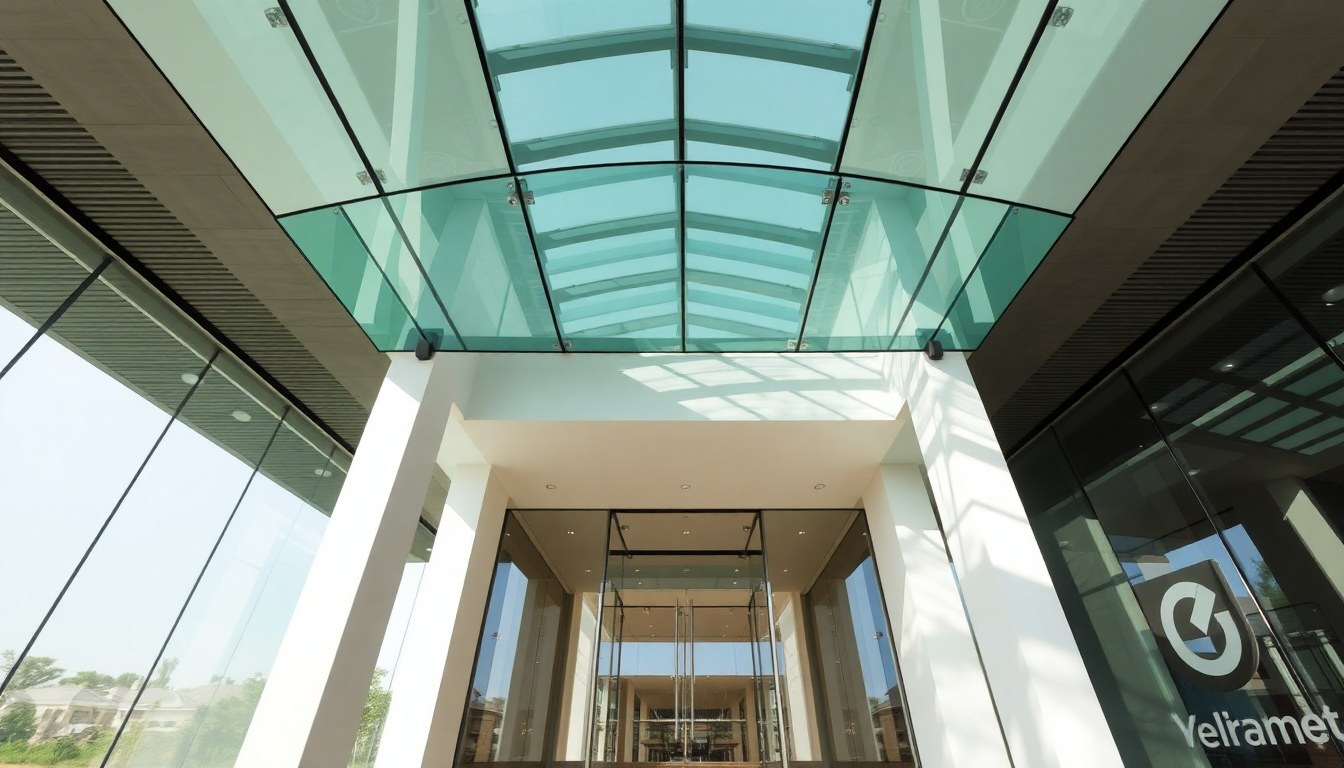
Commercial entrances create the first impression of any business, and the canopy above them plays a crucial role in both aesthetics and functionality. Glass and polycarbonate canopies dominate the Indian commercial construction market, each offering distinct advantages for different project requirements. Understanding the differences between these materials will help architects, builders, and property owners make informed decisions that balance budget, durability, and visual appeal for India's diverse climate conditions.
Material Composition and Structural Properties
Glass canopies typically use toughened or laminated safety glass ranging from 10mm to 19mm thickness, mounted on stainless steel or aluminum frameworks. The glass undergoes thermal or chemical treatment to increase its strength four to five times compared to ordinary glass. When laminated, it incorporates a polyvinyl butyral (PVB) interlayer that holds fragments together if breakage occurs, making it suitable for overhead applications.
Polycarbonate canopies utilize thermoplastic polymer sheets available in solid, multiwall, or corrugated profiles. The material weighs approximately one-sixth of glass while offering impact resistance up to 250 times greater than standard glass. Polycarbonate sheets for canopies typically range from 4mm to 16mm thickness, with multiwall variants providing better insulation properties through their cellular structure.
The structural requirements differ significantly between these materials. Glass canopies demand robust support systems due to their weight, often requiring steel or aluminum frames with load calculations accounting for 25-30 kg per square meter. Polycarbonate's lighter weight—around 1.2 kg per square meter for a 4mm sheet—permits simpler mounting systems and reduces the load on building structures, particularly beneficial for retrofitting projects in older commercial buildings.
Performance in Indian Climate Conditions
India's varied climate zones present unique challenges for canopy materials. Glass performs exceptionally well in coastal regions like Mumbai, Kochi, and Chennai where salt-laden air causes rapid degradation of many materials. Tempered glass resists corrosion and maintains clarity even with prolonged exposure to sea spray, requiring only periodic cleaning to maintain appearance.
In northern cities experiencing temperature extremes—Delhi, Chandigarh, and Jaipur—both materials face thermal stress. Glass canopies can withstand temperatures from -70°C to 250°C without degradation, though sudden temperature changes may cause thermal shock if not properly designed. Polycarbonate operates effectively between -40°C to 120°C but may experience slight thermal expansion and contraction, requiring appropriate installation techniques with expansion joints.
UV Resistance and Light Transmission
India's intense tropical sunlight demands materials with excellent UV stability. Standard glass blocks approximately 97% of harmful UV rays while maintaining 80-90% visible light transmission, creating bright, naturally lit entrance areas. Polycarbonate sheets require UV-protective coatings on both sides to prevent yellowing and brittleness; quality manufacturers provide co-extruded UV layers with warranties of 10 years or more.
The monsoon season tests material resilience across most Indian regions. Glass canopies shed water efficiently and resist moisture penetration completely. Polycarbonate also handles rain well, though the quality of edge sealing and fastener installation determines long-term water resistance. Poor installation can lead to water infiltration in multiwall polycarbonate sheets, potentially causing algae growth within the channels.
Aesthetic Appeal and Design Flexibility
Glass canopies deliver unmatched visual elegance that aligns with premium commercial establishments. The material's transparency creates an open, sophisticated appearance that complements modern architectural styles. Options include clear, tinted, frosted, or printed glass, allowing designers to match brand identities or architectural themes. The reflective quality of glass adds depth and dimension to entrance areas, particularly effective in high-end retail, corporate offices, and hospitality sectors.
Polycarbonate canopies offer practical aesthetics with improving design options. While they cannot match glass's premium appearance, modern polycarbonate products come in various tints—bronze, blue, grey, and opal—suitable for different architectural contexts. The material works well for functional commercial spaces like warehouses, loading bays, and industrial facilities where durability outweighs luxury aesthetics.
Customization capabilities differ between the materials. Glass can be curved, etched, sandblasted, or digitally printed with corporate logos and patterns, though these processes increase costs substantially. Polycarbonate bends more easily, allowing for curved or arched designs without specialized equipment, making it advantageous for unique architectural requirements at lower fabrication costs.
Cost Analysis for Indian Commercial Projects
Initial investment varies significantly between glass and polycarbonate canopies. A standard glass canopy installation costs between ₹1,200 to ₹2,500 per square foot, depending on glass type, thickness, and hardware quality. This includes toughened or laminated glass, stainless steel fittings, and professional installation. Premium projects using specialized glass or complex designs can exceed ₹3,500 per square foot.
Polycarbonate canopies present a more economical option, typically ranging from ₹400 to ₹900 per square foot for complete installation. Multiwall polycarbonate systems with aluminum frameworks fall in the ₹600-₹1,200 range, while solid polycarbonate approaches glass pricing at ₹1,000-₹1,500 per square foot but still offers cost savings on structural support requirements.
Long-term Value Considerations
Beyond initial costs, lifecycle expenses influence the true value proposition. Glass canopies require minimal maintenance—primarily cleaning—and retain their appearance for decades without degradation. The material doesn't yellow, scratch resistance is good, and replacement needs are rare unless physical damage occurs. Expected lifespan exceeds 25-30 years with proper installation.
Polycarbonate's lower upfront cost must be weighed against a shorter effective lifespan of 10-15 years in Indian conditions, even with UV protection. The material is prone to scratching during cleaning, may develop a hazy appearance over time, and UV coating degradation eventually leads to yellowing. Replacement costs every 10-15 years can offset initial savings, particularly for permanent commercial installations.
Maintenance Requirements and Durability
Glass canopies demand straightforward maintenance routines. Regular cleaning with standard glass cleaners and soft cloths maintains transparency and appearance. In urban areas with high pollution—Delhi, Mumbai, Bangalore—monthly cleaning prevents buildup of particulate matter. Coastal installations benefit from quarterly washing to remove salt deposits. Hardware inspection annually ensures mounting integrity, particularly checking for corrosion in stainless steel components.
Polycarbonate requires gentler maintenance approaches. Harsh chemicals, abrasive cleaners, or rough cloths cause surface scratching and damage UV coatings. Mild soap solutions and soft sponges are recommended, with cleaning frequency similar to glass. The material's scratch susceptibility means careful handling during maintenance, and scratched surfaces cannot be easily restored unlike glass which can be professionally polished.
Impact resistance differs dramatically between materials. While toughened glass is strong, severe impacts from falling objects, hail, or vandalism can cause catastrophic failure requiring complete panel replacement. Polycarbonate's exceptional impact resistance means it can withstand significant force without cracking, making it preferable for locations vulnerable to physical damage or in regions experiencing severe hailstorms.
Safety and Regulatory Compliance
Indian building codes increasingly mandate safety glass for overhead applications. The National Building Code of India specifies laminated or toughened glass for canopies and overhead glazing to prevent injury from falling shards. Laminated glass, despite higher costs, provides superior safety as the interlayer retains broken fragments, preventing them from falling on people below.
Polycarbonate inherently meets safety requirements due to its shatter-resistant nature. Upon impact, it may crack but doesn't produce dangerous shards, making it compliant with safety standards without additional processing. This characteristic proves valuable for high-traffic commercial entrances, schools, hospitals, and public buildings where safety is paramount.
Fire safety considerations also matter for commercial applications. Glass is non-combustible and doesn't contribute to fire spread, maintaining integrity at high temperatures. Polycarbonate is combustible with a flame-spread rating that requires consideration in fire safety planning. While it self-extinguishes when the flame source is removed, building regulations in some jurisdictions may restrict its use in certain commercial applications or require additional fire-safety measures.
Frequently Asked Questions
Which canopy material lasts longer in Indian weather conditions?
Glass canopies significantly outlast polycarbonate in Indian climates, maintaining their appearance and structural integrity for 25-30 years or more. Polycarbonate typically requires replacement after 10-15 years due to UV degradation, yellowing, and surface deterioration, even with protective coatings. For permanent commercial installations, glass offers better long-term value despite higher initial costs.
Are polycarbonate canopies suitable for coastal commercial properties?
Polycarbonate canopies can function in coastal areas but require high-quality UV-protected sheets and corrosion-resistant aluminum or stainless steel frameworks. However, glass canopies perform better in salt-air environments, resisting corrosion and maintaining clarity with minimal maintenance. Coastal commercial properties seeking longevity and premium aesthetics benefit more from glass installations.
How much weight difference exists between glass and polycarbonate canopies?
Polycarbonate weighs approximately one-sixth of glass for equivalent coverage area. A typical 10mm toughened glass panel weighs about 25 kg per square meter, while a comparable 6mm solid polycarbonate sheet weighs roughly 7 kg per square meter. This significant weight difference reduces structural load requirements and installation complexity for polycarbonate canopies, particularly beneficial for building retrofits.
Can polycarbonate canopies match the appearance of glass for upscale commercial buildings?
While modern polycarbonate products offer improved clarity and finish, they cannot fully replicate glass's premium aesthetic qualities. Glass provides superior transparency, reflectivity, and visual elegance essential for luxury retail, five-star hotels, corporate headquarters, and high-end commercial developments. Polycarbonate serves better for functional commercial applications where durability and cost-effectiveness outweigh premium appearance.
What is the maintenance cost difference between glass and polycarbonate canopies over ten years?
Glass canopies incur lower maintenance costs over a decade, primarily limited to periodic cleaning at approximately ₹15-₹25 per square foot annually. Polycarbonate requires similar cleaning frequency but demands gentler, often more expensive cleaning methods and products. Additionally, polycarbonate may need UV coating reapplication or complete replacement within ten years, adding ₹400-₹900 per square foot, while glass typically requires no such intervention.
Selecting the right canopy material for your commercial entrance depends on project priorities, budget constraints, and long-term vision. Whether you choose the timeless elegance of glass or the practical durability of polycarbonate, connecting with experienced suppliers ensures quality installation and performance. Explore verified glass and canopy suppliers across India on the Glassy.in directory to find the perfect partner for your commercial project.