
Buying Guides
Laminated vs Toughened Glass for Canopy Overhangs: Load and Safety Comparison for Surat
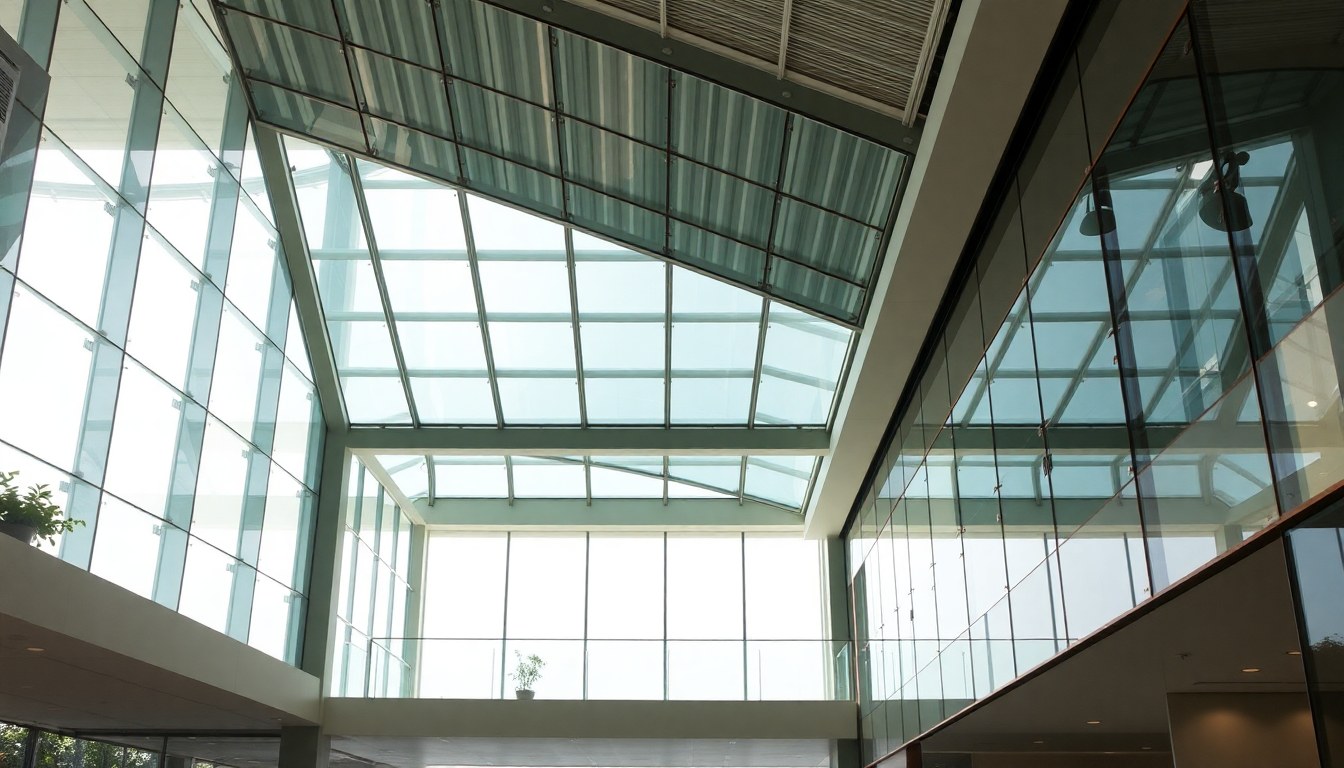
Canopy overhangs in Surat face unique challenges from intense monsoon rainfall, high humidity, and occasional hailstorms that demand careful glass selection. Both laminated and toughened glass offer distinct advantages for overhead applications, but understanding their structural behavior, safety characteristics, and performance under Surat's climatic conditions is essential for architects, builders, and property owners. This comprehensive comparison examines load-bearing capacity, deflection limits, impact resistance, and long-term durability to help you make an informed decision for your canopy project.
Understanding Glass Types for Overhead Applications
Toughened glass, also known as tempered glass, undergoes thermal treatment that creates surface compression, making it approximately four to five times stronger than ordinary annealed glass of the same thickness. When broken, it shatters into small, relatively harmless granular pieces rather than sharp shards. This characteristic makes it popular for applications requiring high strength and thermal resistance.
Laminated glass consists of two or more glass layers bonded together with an interlayer, typically polyvinyl butyral (PVB) or ethylene-vinyl acetate (EVA). When broken, the interlayer holds glass fragments in place, preventing them from falling. This post-breakage integrity is particularly critical for overhead installations where falling glass poses serious safety risks to people below.
For canopy applications in Surat, the choice between these options depends on factors including span length, support structure, expected loads, and specific safety requirements. The city's coastal proximity and heavy monsoon season add additional considerations that influence glass performance over time.
Load-Bearing Capacity and Structural Performance
The load-bearing capacity of glass canopies must account for dead loads (the weight of the glass itself and mounting hardware), live loads (maintenance personnel walking on the surface), wind loads, and importantly for Surat, substantial rain loads during monsoon season. Toughened glass typically demonstrates higher bending strength, ranging from 120 to 200 megapascals (MPa) compared to annealed glass at 40-50 MPa.
Laminated glass load capacity depends on both the total glass thickness and the interlayer properties. A common specification for canopies is 6mm+1.52mm PVB+6mm laminated glass, providing a total thickness of approximately 13.52mm. The interlayer contributes to load distribution but has limited structural contribution in long-duration loads due to its viscoelastic properties. For equivalent strength, laminated glass assemblies often require greater total thickness than single-pane toughened glass.
Deflection Limits and Span Considerations
Glass deflection under load is a critical design parameter, particularly for canopy overhangs. Industry standards typically limit deflection to 1/60th of the span for aesthetic reasons and to prevent water pooling. In Surat's heavy rainfall conditions, excessive deflection can create ponding that increases load beyond design parameters, potentially leading to progressive failure.
For a typical 1.5-meter canopy projection supported on one edge, 12mm toughened glass might deflect approximately 8-10mm under a uniform load of 100 kg/m², while an equivalent laminated assembly (6+6mm) could show 10-12mm deflection due to the interlayer's reduced stiffness. These calculations must account for Surat's specific wind zone classification and the increased load factors from monsoon precipitation.
Impact Resistance and Safety Characteristics
Impact resistance testing reveals fundamental differences between these glass types. Toughened glass excels in resisting impact from the striking face but remains vulnerable to edge damage and point impacts on the tension face. Once the surface compression is compromised, the entire pane disintegrates into small pieces. While these fragments are less dangerous than large shards, complete failure means the canopy loses all protective function immediately.
Laminated glass provides superior post-breakage performance. Even when both glass plies crack, the interlayer maintains structural integrity, keeping the canopy functional and protecting people below from falling glass. This characteristic is particularly valuable in Surat where occasional hailstorms during pre-monsoon months can cause sudden impact damage. The laminated assembly continues to provide weather protection even after glass fracture until replacement can be scheduled.
Human Impact Safety Standards
Indian Standard IS 2553 and international standards like EN 12600 classify glazing materials based on their performance in human impact tests. For overhead applications, regulations often mandate materials that prevent dangerous glass fall. Laminated glass typically achieves the highest safety classifications, with the interlayer preventing fragment drop even under severe impact.
Toughened glass, while producing safer fragments when broken, does not prevent glass fall in overhead applications. Building codes in many Indian cities increasingly require laminated or laminated-toughened combinations for canopy installations above public areas. Property owners in Surat should verify local building regulations, as requirements may specify laminated glass for canopies over entrances, walkways, and gathering spaces.
Monsoon Performance and Weather Resistance
Surat receives average annual rainfall exceeding 1200mm, with the monsoon season from June to September delivering intense precipitation. Canopy glass must withstand not only the water load but also the thermal shock from sudden temperature drops during heavy rainfall. Toughened glass demonstrates excellent thermal stress resistance due to its heat treatment process, typically withstanding temperature differentials of 200-250°C.
Laminated glass thermal performance depends on the interlayer material. Standard PVB interlayers can experience reduced adhesion in prolonged high-temperature, high-humidity conditions typical of Surat's climate. However, modern ionoplast interlayers (such as SentryGlas) offer superior performance in hot, humid environments while maintaining excellent post-breakage integrity. For Surat applications, specifying ionoplast interlayers for laminated canopies may justify the additional cost through improved long-term performance.
UV Degradation and Clarity Retention
Both glass types maintain optical clarity well, but the interlayer in laminated glass can yellow over time with UV exposure. Standard PVB interlayers may show noticeable yellowing after 10-15 years in high-UV environments. Surat's tropical location means significant UV exposure, making this a consideration for aesthetic longevity. UV-stabilized PVB or ionoplast interlayers resist yellowing much better, maintaining clarity for 20-25 years or more.
Toughened glass itself does not degrade under UV exposure, maintaining optical properties indefinitely. However, the edge seals and gaskets used in mounting systems can deteriorate, potentially allowing moisture ingress that affects appearance. Regular maintenance of mounting hardware is essential for both glass types in Surat's humid coastal environment.
Cost Analysis and Long-Term Value
Initial material costs in Surat typically show toughened glass priced at ₹350-500 per square foot for 12mm thickness, while comparable laminated glass (6+6mm with PVB) ranges from ₹450-650 per square foot. Laminated-toughened combinations, offering maximum safety and strength, cost ₹650-900 per square foot. These prices vary based on glass quality, interlayer type, and supplier but reflect general market rates.
Long-term value considerations extend beyond initial costs. Laminated glass typically requires less frequent replacement after minor damage, as small cracks don't necessitate immediate replacement if the interlayer remains intact. Toughened glass must be replaced entirely once broken. For commercial properties in high-traffic areas of Surat, the reduced replacement frequency of laminated glass can offset higher initial costs over a 15-20 year service life.
Installation and Maintenance Factors
Installation complexity affects total project costs. Laminated glass assemblies weigh more than single-pane toughened glass of equivalent strength, potentially requiring more robust support structures. However, laminated glass is more forgiving during installation, as minor edge damage is less likely to cause catastrophic failure compared to toughened glass where edge chips can propagate into complete breakage.
Maintenance requirements for both types in Surat's environment include regular cleaning to remove salt deposits from sea breeze and inspection of mounting hardware for corrosion. Laminated glass requires additional attention to edge seals, as moisture ingress between plies can cause delamination, appearing as cloudy areas or bubbles. Quality installation with proper edge sealing minimizes this risk.
Regulatory Compliance and Building Codes
The National Building Code of India provides guidelines for glazing in overhead applications, emphasizing safety glazing requirements for areas where human impact is possible. Many municipal corporations, including those in Gujarat, have adopted stricter requirements for overhead glazing following incidents involving glass failure.
For commercial buildings and public spaces in Surat, architects and builders should consult with local building authorities regarding specific requirements for canopy installations. Many jurisdictions now require laminated glass or laminated-toughened combinations for canopies exceeding certain dimensions or located above public access areas. Compliance documentation, including load calculations and safety certifications, may be required during building permit approval.
Making the Right Choice for Your Surat Project
For residential canopies with limited span and low traffic underneath, 12mm toughened glass often provides adequate performance at reasonable cost. The key is ensuring proper design with adequate safety factors for Surat's monsoon loads and maintaining clear areas below where glass fragments would fall in case of breakage.
Commercial projects, canopies over entrances or gathering spaces, and installations with spans exceeding 1.5 meters should strongly consider laminated or laminated-toughened glass. The superior post-breakage performance justifies the additional investment, particularly given liability concerns and the enhanced safety for building occupants and visitors. For optimal performance in Surat's climate, specify UV-stabilized interlayers and ensure edge sealing meets manufacturer specifications to prevent delamination in the humid environment.
Frequently Asked Questions
Which glass type is better for canopies in Surat's monsoon season?
Both laminated and toughened glass can perform well during monsoon season if properly designed for the expected loads. Laminated glass offers superior safety as it won't shed dangerous fragments if broken by hail or debris during storms. However, toughened glass has better inherent strength and thermal shock resistance. For canopies over public areas, laminated glass is generally the safer choice, while residential applications with clear zones below may use toughened glass with appropriate thickness and support.
What thickness of glass is required for a 2-meter canopy overhang in Surat?
A 2-meter canopy overhang in Surat typically requires minimum 12mm toughened glass or 6mm+6mm laminated glass, though exact specifications depend on support conditions, wind loads, and local building codes. Engineering calculations must account for Surat's wind zone classification and monsoon precipitation loads. Longer spans or point-supported systems may require 15mm or thicker glass, or laminated-toughened combinations. Always consult a structural engineer for proper load calculations specific to your project.
How long does laminated glass last in Surat's humid climate?
Quality laminated glass with proper edge sealing can last 20-25 years or more in Surat's humid coastal environment. Standard PVB interlayers may show some yellowing after 10-15 years but typically maintain structural integrity. Ionoplast interlayers offer superior performance in hot, humid conditions with minimal yellowing. The key to longevity is proper installation with complete edge sealing to prevent moisture ingress between glass plies, which can cause premature delamination.
Is laminated-toughened glass worth the extra cost for canopies?
Laminated-toughened glass combines the high strength of toughened glass with the post-breakage safety of lamination, making it ideal for critical applications. For commercial buildings, high-traffic areas, or large canopy installations in Surat, the additional cost of ₹200-400 per square foot over standard laminated glass is often justified by the enhanced safety and reduced liability risk. Residential applications with smaller canopies may not require this premium option unless building codes mandate it.
Can I replace toughened glass with laminated glass in an existing canopy?
Replacing toughened glass with laminated glass in an existing canopy is possible but requires verification that the support structure can handle the increased weight of laminated assemblies. Laminated glass of equivalent strength typically weighs 10-15% more than single-pane toughened glass. Additionally, mounting systems designed for toughened glass may need modification to accommodate the different edge characteristics of laminated glass. Consult with a glazing professional to assess structural adequacy and mounting compatibility before replacement.
Selecting the right glass for your canopy project in Surat requires balancing safety, performance, and budget considerations specific to local climate conditions. Whether you choose laminated or toughened glass, working with experienced suppliers ensures proper specification and installation. Visit the glassy.in directory to connect with qualified glass suppliers, fabricators, and installation professionals serving Surat and surrounding areas who can provide expert guidance for your specific canopy application.