
Glass Partitions
Fire-Rated Glass Partition Cost Guide for Ahmedabad Hospitals in 2026
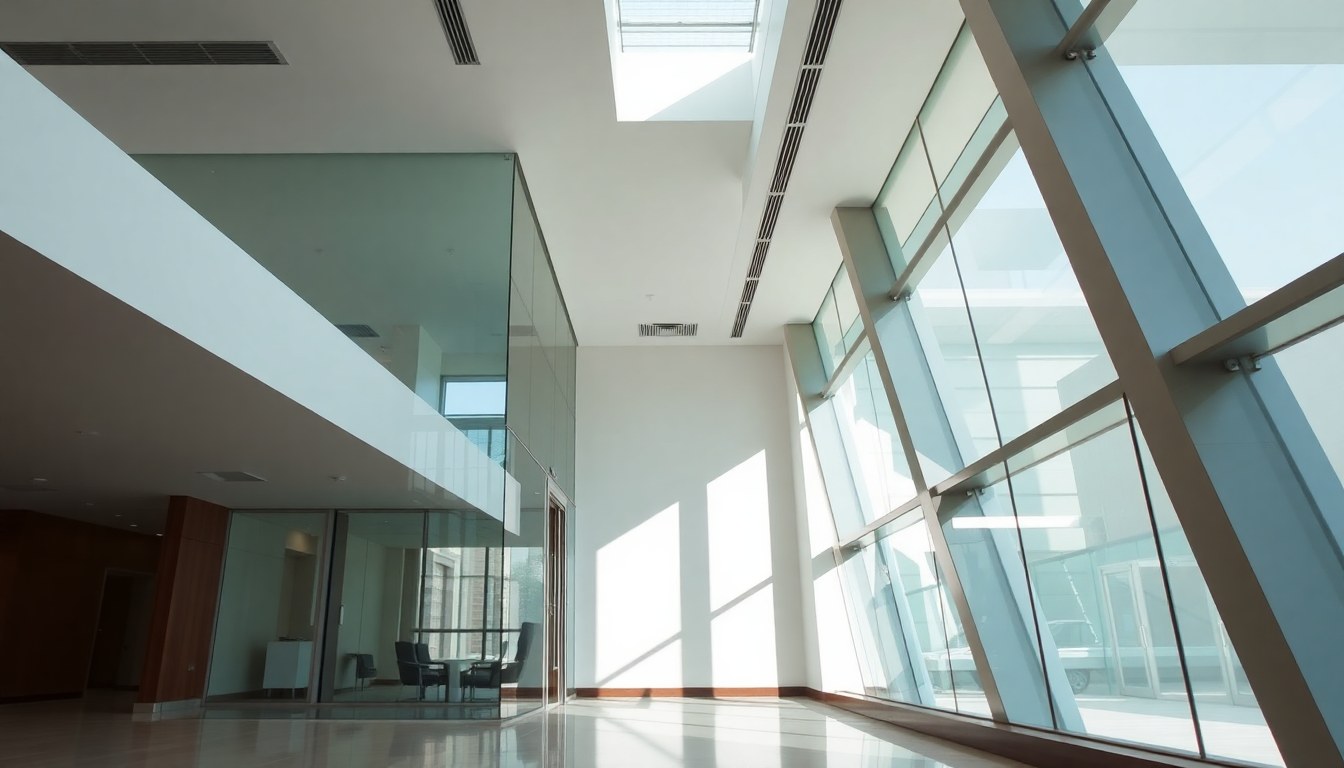
Fire-rated glass partitions have become essential safety features in Ahmedabad's modern healthcare facilities, combining life-saving fire protection with the transparency needed for patient monitoring and natural light transmission. In 2026, hospitals across Ahmedabad can expect to invest between ₹2,800 to ₹8,500 per square foot for fire-rated glass partition systems, depending on fire resistance rating, framing specifications, and installation complexity. This guide breaks down every cost component to help hospital administrators, architects, and facility managers make informed decisions that balance safety compliance with budget considerations.
Understanding Fire-Rated Glass Classifications and Their Cost Impact
Fire-rated glass partitions are classified by their ability to withstand fire and heat transmission, measured in minutes of resistance. The three primary ratings used in Indian healthcare facilities—E30, E60, and E90—directly influence material costs and installation requirements. The "E" designation indicates integrity protection, meaning the glass prevents flame and smoke passage for the specified duration.
E30-rated glass partitions, offering 30 minutes of fire resistance, represent the entry-level option for hospitals and typically cost between ₹2,800 to ₹4,200 per square foot including basic aluminum framing. E60 systems, providing 60 minutes of protection, range from ₹4,500 to ₹6,800 per square foot and are commonly specified for corridor partitions and departmental separations. E90-rated partitions, the highest standard for most hospital applications, cost between ₹6,200 to ₹8,500 per square foot and are mandatory for critical areas like operation theaters, ICUs, and fire escape routes.
The cost differential stems from glass composition—higher ratings require specialized intumescent interlayers or gel-filled cavities that expand when exposed to heat, maintaining structural integrity longer. Projects working with experienced firms like Vihar Fadia Architects often benefit from optimized fire rating specifications that meet National Building Code requirements without over-engineering less critical zones.
Material and Component Cost Breakdown
The total cost of fire-rated glass partition systems comprises several distinct components beyond the glass itself. Understanding this breakdown helps hospitals identify potential areas for cost optimization while maintaining safety standards.
Glass Panel Costs
Fire-rated glass panels constitute 45-55% of total system costs. Standard clear fire-rated glass ranges from ₹1,400 to ₹4,200 per square foot depending on rating and thickness. Specialty options like frosted or tinted fire-rated glass add ₹350-₹650 per square foot. Wired glass, once common but now largely phased out due to safety concerns and aesthetic limitations, costs ₹1,200-₹1,800 per square foot but is rarely specified in modern hospital projects.
Framing System Costs
Fire-rated framing systems account for 25-35% of project costs. Aluminum frames with thermal breaks cost ₹850-₹1,400 per running meter for E30/E60 applications, while steel frames required for E90 systems range from ₹1,600-₹2,400 per running meter. Stainless steel frames, preferred in operation theaters and sterile environments, command premium pricing of ₹2,800-₹4,200 per running meter. All framing must include fire-rated gaskets and intumescent seals, adding ₹180-₹320 per linear meter.
Hardware and Accessories
Fire-rated doors, panic hardware, and access control integration represent significant additional costs. A single fire-rated glass door with panic bar hardware costs ₹45,000-₹85,000 depending on size and rating. Electromagnetic locks compatible with fire alarm systems add ₹12,000-₹18,000 per door. Vision panels, sidelights, and transom configurations increase costs by 15-25% compared to full-height fixed partitions.
Installation and Labor Costs in Ahmedabad
Installation labor for fire-rated glass partitions in Ahmedabad typically represents 20-30% of total project costs, though this percentage can vary significantly based on site conditions and project complexity. Specialized installation teams charge ₹450-₹750 per square foot for standard installations in new construction, where structural openings are properly prepared and access is straightforward.
Renovation projects in existing hospital buildings often incur higher labor costs—₹650-₹1,100 per square foot—due to challenges like working around operational departments, night and weekend installation schedules to minimize disruption, and the need to integrate with existing fire alarm and building management systems. Hospitals should budget an additional 10-15% for projects requiring asbestos abatement, structural reinforcement, or modifications to existing fire suppression systems.
Installation timelines directly impact labor costs. A typical 100-square-meter fire-rated partition installation requires 8-12 working days with a crew of 4-6 specialized glaziers and installers. Rush installations or phased implementations that accommodate hospital operations may increase labor costs by 25-40%. Reputable contractors and designers such as Design Core can provide detailed project schedules that balance installation efficiency with minimal operational disruption.
Compliance and Certification Requirements
Fire-rated glass partitions in Ahmedabad hospitals must comply with National Building Code of India 2016 requirements, Gujarat state building regulations, and specific healthcare facility standards. Compliance-related costs, while not immediately visible, represent critical budget items that cannot be compromised.
All fire-rated glass products must carry valid test certifications from NABL-accredited laboratories demonstrating compliance with IS 3614 standards for fire resistance. Certification documentation costs ₹8,000-₹15,000 per product line but is typically included in supplier pricing. However, project-specific certification for custom configurations may add ₹25,000-₹45,000 to overall costs.
Third-party inspection and certification during installation adds ₹35,000-₹65,000 for typical hospital projects. These inspections verify proper installation of intumescent seals, correct frame anchoring, and integration with fire alarm systems. Ahmedabad Municipal Corporation fire department inspections are mandatory before occupancy certificates are issued, and remediation of any deficiencies can cost ₹50,000-₹150,000 if installation quality is inadequate.
Hospitals should also budget for ongoing compliance costs including annual fire safety inspections (₹15,000-₹25,000), maintenance of fire-rated door closers and seals (₹8,000-₹12,000 annually per 100 square meters), and periodic recertification every five years (₹20,000-₹35,000).
Cost Optimization Strategies for Hospital Projects
While fire safety cannot be compromised, strategic planning can significantly reduce fire-rated glass partition costs without sacrificing compliance or performance. The most effective cost optimization begins during the design phase, where thoughtful fire rating zoning can minimize the use of expensive E90 systems.
Conduct a detailed fire compartmentation analysis to identify which areas genuinely require E90 protection versus those where E60 or E30 ratings suffice. Many hospitals over-specify fire ratings uniformly across entire floors, when NBC requirements only mandate higher ratings for specific occupancy types and egress paths. This analysis alone can reduce project costs by 15-25%.
Consider hybrid partition strategies that combine fire-rated glass in critical visibility zones with more economical fire-rated gypsum board partitions in areas where transparency is not essential. This approach maintains safety while reducing costs by 20-30% compared to all-glass solutions. Working with experienced architectural firms like Dilip Soni Architects ensures these hybrid solutions maintain aesthetic coherence while optimizing budgets.
Bulk procurement strategies also yield significant savings. Hospitals planning multi-phase expansions or multiple floor installations should negotiate comprehensive supply agreements that can reduce material costs by 12-18%. Standardizing on specific frame profiles and glass dimensions across the project minimizes custom fabrication charges and reduces installation time.
Long-Term Value and Total Cost of Ownership
While initial installation costs dominate budget discussions, hospitals should evaluate fire-rated glass partitions through a total cost of ownership lens spanning 15-20 years. Quality fire-rated glass systems require minimal maintenance compared to alternative partition types, with properly installed systems typically needing only seal inspection and door hardware servicing.
Annual maintenance costs for fire-rated glass partitions average ₹85-₹140 per square meter, primarily for cleaning, hardware lubrication, and seal inspection. This compares favorably to fire-rated drywall partitions that often require repainting, repair of impact damage, and eventual replacement due to moisture issues in healthcare environments.
Energy efficiency represents another long-term value factor. Modern fire-rated glass with low-E coatings reduces HVAC costs by maintaining thermal separation between fire compartments while allowing natural light penetration that reduces artificial lighting loads. Hospitals report 8-12% reductions in department-level cooling costs in areas with fire-rated glass partitions compared to solid wall alternatives.
The transparency of fire-rated glass also delivers operational benefits that translate to cost savings—improved staff supervision efficiency, reduced patient anxiety in isolation areas, and enhanced wayfinding that reduces staffing requirements. While difficult to quantify precisely, these operational benefits typically justify premium costs within 5-7 years of installation.
Frequently Asked Questions
What is the minimum fire rating required for hospital partitions in Ahmedabad?
The National Building Code of India 2016 mandates minimum E60 fire rating for partitions separating different fire compartments in hospitals, while corridors serving as exit access require E60 rated construction. Operation theaters, ICUs, and areas storing flammable medical materials require E90 rated partitions. However, specific requirements vary based on building height, occupancy load, and proximity to exit stairs, so consultation with local fire authorities and qualified architects is essential for compliance.
How much does fire-rated glass partition installation cost for a typical 50-bed hospital in Ahmedabad?
A 50-bed hospital typically requires 400-600 square meters of fire-rated glass partitions for corridor separations, nursing stations, and critical care areas. Total project costs range from ₹18-35 lakhs depending on fire rating specifications, with E60 systems averaging ₹22-28 lakhs and E90 systems for critical areas pushing costs toward the higher end. This includes materials, installation, hardware, and basic compliance certification but excludes specialized features like radiation shielding or blast resistance.
Can existing glass partitions be upgraded to fire-rated specifications?
Standard glass partitions cannot be retrofitted to achieve fire ratings, as fire resistance depends on specialized glass composition and tested system assemblies. Upgrading requires complete removal and replacement with certified fire-rated systems. However, existing frames may sometimes be reused if they meet fire rating structural requirements, potentially saving 15-20% compared to complete replacement. A structural assessment by qualified professionals is necessary to determine frame suitability.
What is the typical lifespan of fire-rated glass partitions in hospital environments?
Quality fire-rated glass partition systems properly installed and maintained typically last 20-30 years in hospital environments. The glass itself rarely degrades, though intumescent seals require replacement every 10-15 years at a cost of ₹180-₹280 per linear meter. Door hardware and closers need replacement every 8-12 years. Regular inspection and maintenance as per manufacturer specifications ensures systems maintain their fire rating throughout their service life.
Are there government subsidies or incentives for fire safety upgrades in Ahmedabad hospitals?
While direct subsidies for fire-rated glass installation are limited, hospitals may access broader healthcare infrastructure development schemes. The Gujarat government's healthcare facility upgrade programs occasionally include fire safety improvements in funding eligibility. Additionally, hospitals achieving Green Building certifications through improved daylighting and energy efficiency from fire-rated glass installations may qualify for reduced property tax rates and expedited approval processes. Consult with the Ahmedabad Urban Development Authority for current program availability.
Selecting the right fire-rated glass partition system requires balancing safety compliance, aesthetic requirements, and budget constraints. For hospitals in Ahmedabad planning fire safety upgrades or new construction projects, connecting with experienced glass suppliers, architects, and contractors is essential. Visit the glassy.in directory to find qualified professionals specializing in fire-rated glass systems, compare options, and request detailed quotations tailored to your specific healthcare facility requirements.