
Smart Glass
Electrochromic Smart Glass vs PDLC Smart Glass: Technology Comparison for Offices
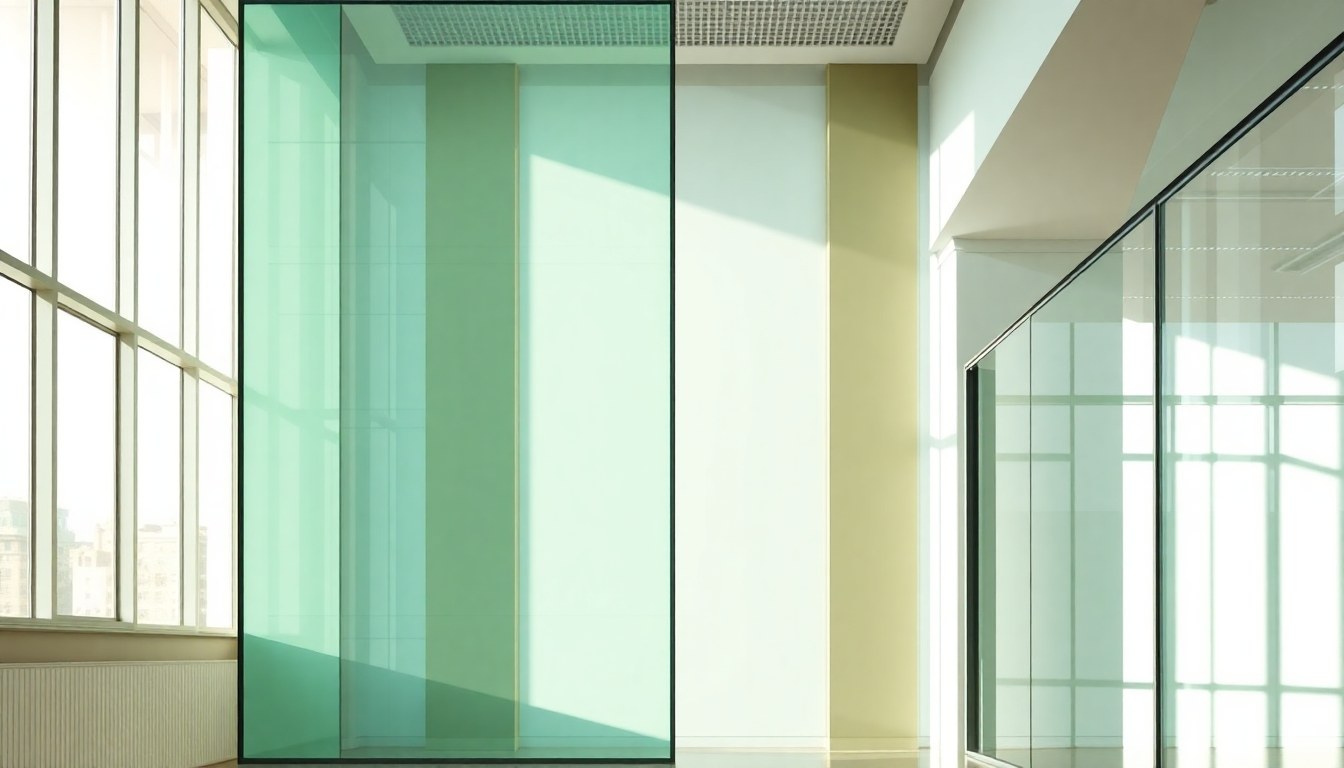
Smart glass technology has revolutionized modern office design, but choosing between electrochromic and polymer-dispersed liquid crystal (PDLC) solutions can be challenging. While both technologies allow dynamic control over glass transparency, they operate on fundamentally different principles and serve distinct purposes in commercial environments. This comprehensive comparison will help you determine which technology best suits your office requirements, budget, and operational priorities.
Understanding the Core Technologies
Electrochromic glass uses a multi-layer coating system that changes tint when a low-voltage electrical current is applied. The technology works through electrochemical reactions that cause ions to move between layers, gradually darkening or lightening the glass. This process allows for precise control over the amount of light and heat entering a space, with the glass retaining its tinted state even after power is disconnected.
PDLC smart glass, on the other hand, contains liquid crystal droplets suspended in a polymer matrix between two transparent conductive layers. In its natural state without power, the liquid crystals are randomly oriented, scattering light and making the glass opaque or translucent. When voltage is applied, the crystals align, allowing light to pass through and making the glass transparent. The technology requires continuous power to maintain transparency.
The fundamental difference lies in their primary function: electrochromic glass controls light transmission and solar heat gain while maintaining transparency, whereas PDLC glass switches between transparent and opaque states for privacy control. This distinction shapes every other aspect of their performance and suitability for different office applications.
Switching Speed and Visual Performance
PDLC smart glass offers near-instantaneous switching, transitioning from opaque to transparent in less than one second. This rapid response makes it ideal for conference rooms, executive cabins, and partition walls where immediate privacy is required. The switch is binary—either fully transparent or fully opaque—with no intermediate states in standard configurations.
Electrochromic glass transitions much more slowly, typically requiring three to twenty minutes to complete a full tint cycle depending on the glass size and manufacturer. However, this gradual transition is actually advantageous for solar control applications, as it prevents sudden changes in interior lighting that could cause discomfort to occupants. The technology offers multiple tint levels, allowing users to fine-tune the amount of visible light transmission from approximately 60% in the clear state down to 1-5% in the fully tinted state.
For visual clarity, electrochromic glass maintains excellent optical quality in all tint states with minimal color distortion. PDLC glass, when transparent, may have a slight haze factor ranging from 2-5%, and in its opaque state, it typically appears as a milky white or light gray translucent surface that still allows diffused light transmission.
Power Consumption and Operating Costs
Power consumption represents a significant operational difference between these technologies. Electrochromic glass requires power only during the transition phase, consuming approximately 1-3 watts per square meter while changing states. Once the desired tint is achieved, the glass holds that state without any continuous power draw, making it extremely energy-efficient for applications where tint changes are infrequent.
PDLC glass requires continuous power to remain transparent, typically consuming 5-10 watts per square meter depending on the specific product and voltage requirements. For an office with 100 square meters of PDLC glass operating in transparent mode for 10 hours daily, this translates to approximately 5-10 kilowatt-hours per day. At average commercial electricity rates in Indian metros (₹8-12 per unit), this amounts to ₹15,000-36,000 annually in operating costs.
However, electrochromic glass delivers substantial energy savings through reduced air conditioning loads. By blocking up to 98% of infrared heat while maintaining daylight, electrochromic installations in Indian office buildings can reduce cooling costs by 20-30%, potentially saving ₹50-150 per square meter annually depending on the climate zone and building orientation.
Installation and Total Cost of Ownership
Initial procurement costs for PDLC smart glass in India typically range from ₹8,000 to ₹15,000 per square meter for standard products, with premium offerings reaching ₹20,000 per square meter. Installation is relatively straightforward, requiring electrical connections to each glass panel or partition. The technology is well-suited for retrofit applications and can be applied as a film to existing glass, though laminated glass panels offer superior durability and performance.
Electrochromic glass commands a premium price point, typically ranging from ₹15,000 to ₹30,000 per square meter in the Indian market. Installation complexity is higher, as the system requires specialized controllers, low-voltage wiring, and often integration with building management systems. However, the technology is primarily available as insulated glass units (IGUs) designed for exterior facade applications, which limits retrofit options but provides superior thermal performance.
Long-Term Maintenance and Reliability
PDLC glass has fewer maintenance requirements with a typical lifespan of 10-15 years. The main concern is the continuous power requirement and the potential for failure in the liquid crystal layer, though modern products have significantly improved reliability. Warranty periods typically range from 5-10 years for commercial installations.
Electrochromic glass offers longer operational lifespans of 20-30 years, matching the typical replacement cycle for commercial building facades. The technology has proven durability in harsh climates, though edge seal integrity is critical to prevent moisture ingress that can damage the electrochromic coatings. Manufacturers typically provide 10-15 year warranties on commercial installations.
Optimal Applications for Indian Office Environments
PDLC smart glass excels in interior applications where instant privacy control is the primary requirement. Conference rooms, meeting pods, executive cabins, and glass partition systems benefit from the immediate on-demand opacity. The technology is particularly valuable in open-plan offices where flexible space utilization requires rapid privacy adjustments. Additionally, PDLC glass works well as projection screens when in opaque mode, adding functionality to presentation spaces.
Electrochromic glass is the superior choice for exterior facades, skylights, and large window installations where solar heat gain control is critical. In cities like Mumbai, Delhi, Bangalore, and Hyderabad, where cooling loads dominate office energy consumption, electrochromic windows can significantly reduce HVAC requirements while maintaining natural daylight and exterior views. The technology is especially beneficial for west and south-facing facades that experience intense afternoon sun exposure.
For comprehensive office renovations, a hybrid approach often delivers optimal results: electrochromic glass for the building envelope to manage solar loads, and PDLC glass for interior partitions to provide privacy flexibility. This combination addresses both thermal comfort and spatial adaptability, though it requires higher capital investment.
Control Systems and Integration Capabilities
Modern electrochromic systems offer sophisticated control options including manual switches, automated sensors responding to sunlight intensity, scheduling based on time of day, and full integration with building management systems (BMS). Advanced installations can coordinate with HVAC systems to optimize both natural lighting and thermal comfort. Cloud-based controls allow facility managers to monitor and adjust settings across multiple buildings from centralized dashboards.
PDLC glass systems range from simple wall switches for individual panels to centralized control systems managing entire floors. Integration with meeting room booking systems can automatically adjust privacy settings based on room occupancy. Some advanced products offer intermediate opacity levels through voltage modulation, though this is not standard across all manufacturers.
Both technologies can be integrated with smart building platforms, though electrochromic systems typically offer more sophisticated integration options due to their role in energy management strategies. For offices pursuing green building certifications like LEED or IGBC, electrochromic installations contribute significantly to energy performance credits.
Frequently Asked Questions
Which smart glass technology is more energy-efficient for Indian offices?
Electrochromic glass is significantly more energy-efficient overall, despite higher initial costs. While PDLC glass requires continuous power to remain transparent (5-10 watts per square meter), electrochromic glass only consumes power during transitions and delivers substantial cooling cost reductions by blocking solar heat. In Indian climates with high cooling demands, electrochromic glass typically achieves payback within 5-8 years through reduced air conditioning costs.
Can PDLC smart glass be retrofitted to existing office partitions?
Yes, PDLC technology is available as a switchable film that can be applied to existing glass panels, making it suitable for retrofit projects. However, laminated PDLC glass panels offer superior durability, optical quality, and longevity compared to film applications. For new construction or major renovations, purpose-built PDLC panels are recommended. The technology works well with standard glass thicknesses used in office partitions (10-12mm).
How do these technologies perform in high-humidity coastal cities like Mumbai?
Both technologies can perform reliably in humid coastal environments when properly specified. Electrochromic glass requires hermetically sealed IGUs with proper edge sealing to prevent moisture ingress that could damage the coatings. PDLC glass is less sensitive to humidity but should still use quality lamination processes. For coastal installations, specify marine-grade electrical components and ensure proper ventilation around control systems to prevent corrosion.
What is the typical lifespan difference between electrochromic and PDLC glass?
Electrochromic glass typically lasts 20-30 years, matching the replacement cycle of commercial building facades. PDLC glass has a shorter lifespan of 10-15 years, primarily due to the organic materials in the liquid crystal layer. However, for interior partition applications where PDLC is commonly used, this lifespan aligns well with typical office renovation cycles. Both technologies have improved significantly in durability over the past decade.
Which technology offers better return on investment for a 5000 square foot office in Bangalore?
For a typical Bangalore office, the ROI depends on application. If the requirement is primarily interior privacy partitions, PDLC glass offers better ROI due to lower initial costs and immediate functionality benefits, despite ongoing power consumption. For facade applications with significant glass area facing east, west, or south, electrochromic glass delivers superior ROI through cooling cost reductions, typically achieving payback in 6-8 years while providing 20+ years of service life. A hybrid approach—electrochromic for exterior, PDLC for interior—often maximizes overall value.
Choosing between electrochromic and PDLC smart glass requires careful evaluation of your specific office requirements, budget constraints, and long-term operational goals. Both technologies offer distinct advantages for modern workspaces. To explore verified suppliers and installers of smart glass technologies across India, visit the glassy.in directory where you can connect with experienced professionals who can assess your project requirements and provide detailed quotations tailored to your office specifications.