
Buying Guides
Anti-Slip Coating for Glass Floors: Application Methods and Safety Standards
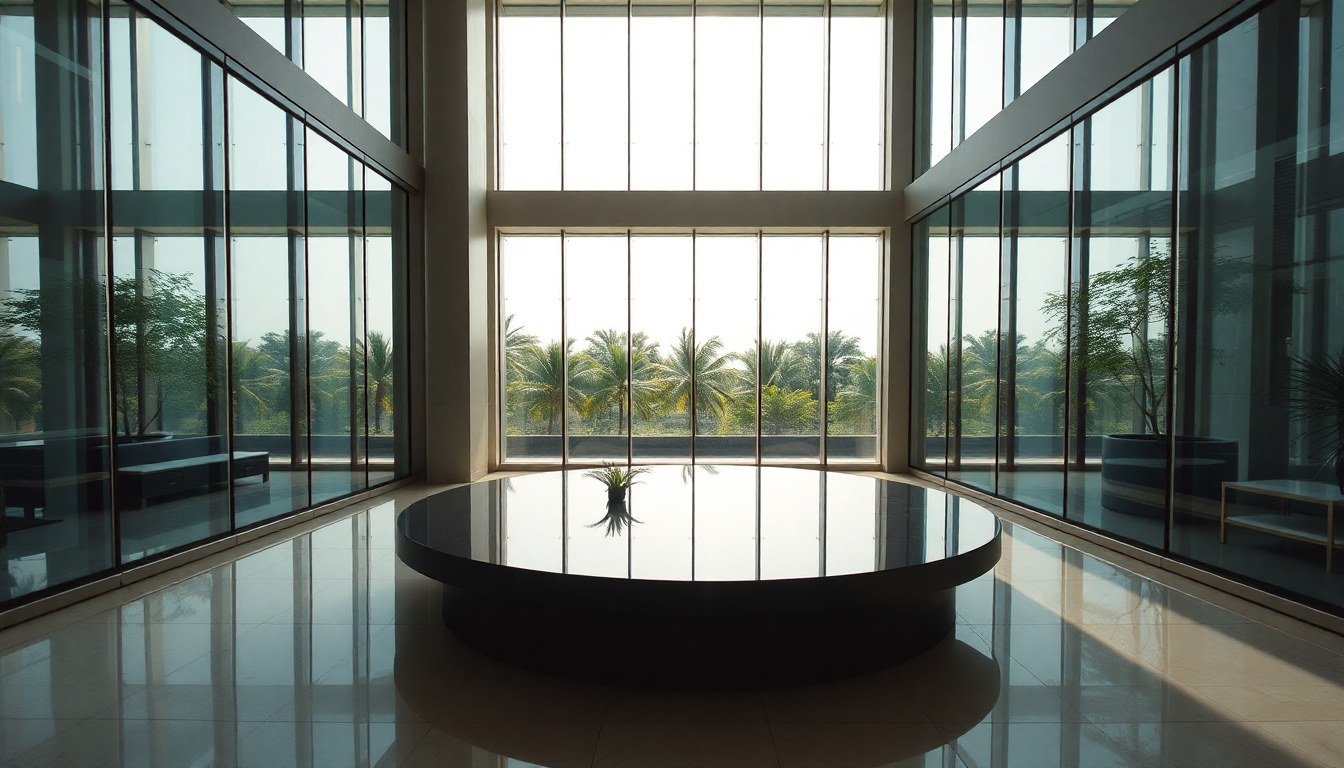
Glass floors create stunning architectural statements in modern homes, offices, and commercial spaces across India, but their inherent slipperiness poses serious safety risks. Anti-slip coatings transform these beautiful surfaces into safe, functional flooring systems without compromising transparency or aesthetic appeal. This comprehensive guide explores the coating options, application methods, safety standards, and maintenance requirements essential for anyone considering or maintaining glass flooring installations in India.
Understanding Anti-Slip Coating Technology for Glass
Anti-slip coatings for glass floors work by altering the surface texture at a microscopic level while maintaining optical clarity. These specialized treatments create friction between the glass surface and footwear, dramatically reducing slip hazards in both dry and wet conditions. The technology has evolved significantly, offering solutions that preserve the visual appeal of glass while meeting stringent safety requirements.
Modern anti-slip treatments fall into three main categories: chemical etching solutions that permanently alter the glass surface structure, polymer-based coatings that add a textured layer, and ceramic particle suspensions that bond to the glass. Each type offers different levels of slip resistance, durability, and visual impact. The choice depends on factors including foot traffic volume, exposure to moisture, cleaning protocols, and aesthetic preferences.
When working with professionals like A TO Z GLASS WORK, you can evaluate which coating technology best suits your specific installation requirements. Factors such as whether the glass floor is interior or exterior, the expected maintenance schedule, and budget constraints all influence the optimal solution.
Application Methods and Process Requirements
Proper application is critical to achieving effective, long-lasting anti-slip performance. The process begins with thorough surface preparation, including deep cleaning to remove all contaminants, oils, and residues. Any imperfection in this initial stage can compromise coating adhesion and effectiveness. Professional installers typically use specialized glass cleaners followed by solvent wipes to ensure pristine surfaces.
Chemical Etching Application
Chemical etching involves applying acidic solutions that microscopically roughen the glass surface. The process requires precise timing—typically 3 to 8 minutes depending on the product and desired slip resistance level. The etching solution is applied uniformly using foam applicators or spray equipment, then neutralized and thoroughly rinsed. This method creates permanent slip resistance that cannot wear off, though it does slightly reduce transparency.
Coating Application Techniques
Polymer and ceramic coatings are applied using roller, spray, or trowel methods depending on the product viscosity and desired texture. Multiple thin layers generally perform better than single thick applications. Each layer must cure completely—usually 2 to 4 hours—before the next application. Total curing time before the floor can handle foot traffic ranges from 24 to 72 hours. Temperature and humidity during application significantly affect curing and final performance, making climate control essential in Indian conditions where monsoon humidity can extend curing times.
- Surface must be completely dry before coating application
- Ambient temperature should be between 15°C and 30°C for optimal curing
- Relative humidity below 75% prevents coating defects
- Adequate ventilation is essential for solvent-based products
- Test applications on sample pieces help verify compatibility and appearance
Indian and International Safety Standards
Slip resistance is measured using standardized testing protocols that assign numerical ratings to flooring surfaces. In India, the Bureau of Indian Standards (BIS) provides guidelines, though many projects also reference international standards for comprehensive safety assurance. Understanding these standards helps ensure your glass floor meets legal requirements and provides genuine safety.
The most commonly referenced standard is the coefficient of friction (COF) measurement. A COF of 0.60 or higher for level surfaces is generally considered safe for pedestrian traffic. Ramps and inclined surfaces require higher COF values. The pendulum test (per BS 7976) and the ramp test (per AS 4586) are widely used methodologies. Treated glass floors should achieve a minimum Pendulum Test Value (PTV) of 36 for wet conditions to be classified as low slip risk.
For commercial installations in India, compliance with National Building Code (NBC) requirements is mandatory. The NBC specifies that flooring in public areas must have adequate slip resistance, particularly in wet areas like building entrances during monsoon season. Architects and designers working with firms such as BN design studio should verify that anti-slip treatments meet these regulatory requirements before installation.
Testing and Certification
Independent testing laboratories in major Indian cities offer slip resistance testing services. These tests should be conducted on actual treated samples before full installation and periodically during the floor's service life. Documentation of test results provides legal protection and assurance to building occupants. Reputable coating manufacturers provide test certificates showing compliance with relevant standards.
Maintenance Requirements and Longevity
Anti-slip coatings require specific maintenance protocols to preserve their effectiveness. Regular cleaning is essential, but harsh chemicals or abrasive methods can degrade the slip-resistant surface. The maintenance approach varies depending on the coating type, with permanent etched surfaces generally requiring less specialized care than applied coatings.
For daily maintenance, pH-neutral cleaners designed for glass surfaces work best. Microfiber mops prevent scratching while effectively removing dirt and oils that can reduce friction. Weekly deep cleaning should include degreasing agents to remove body oils and cosmetic residues that accumulate in high-traffic areas. Avoid ammonia-based cleaners, which can break down polymer coatings over time.
Coating longevity depends on traffic volume and maintenance quality. Chemical etching provides permanent slip resistance lasting the lifetime of the glass. Polymer coatings typically last 3 to 7 years in commercial settings before requiring reapplication, while residential installations may see 8 to 12 years of effective performance. Ceramic particle coatings fall between these ranges, offering 5 to 10 years of service life.
- Inspect slip resistance quarterly in commercial installations
- Retest COF annually or after any refinishing work
- Address scratches or damage promptly to prevent coating failure
- Maintain cleaning logs to track maintenance compliance
- Schedule professional deep cleaning bi-annually
Cost Analysis for Indian Market
Anti-slip coating costs in India vary significantly based on coating type, application area, and project complexity. Understanding the complete cost structure helps in budgeting and comparing options effectively. Prices have remained relatively stable, though raw material costs can fluctuate with international chemical prices.
Chemical etching treatments typically cost between ₹180 to ₹350 per square foot, including surface preparation and application labor. This represents a one-time investment since the treatment is permanent. Polymer-based coatings range from ₹120 to ₹280 per square foot for initial application, but require periodic reapplication, adding to lifetime costs. Ceramic particle coatings occupy the middle ground at ₹200 to ₹400 per square foot with moderate longevity.
Additional costs include surface preparation (₹50-₹100 per square foot if extensive cleaning or repairs are needed), testing and certification (₹8,000-₹25,000 per test depending on laboratory and test type), and ongoing maintenance products (₹30-₹60 per square foot annually). For large commercial projects, economies of scale can reduce per-unit costs by 15-25%. Consulting with experienced glass specialists like Tuffen Glass work can provide accurate project-specific quotations.
Return on Investment Considerations
While anti-slip treatments represent a significant upfront investment, the costs of slip-and-fall accidents far exceed coating expenses. Legal liability, medical costs, insurance premiums, and reputational damage make safety treatments financially prudent. Commercial property owners should view anti-slip coatings as essential risk management rather than optional upgrades.
Selecting the Right Solution for Your Project
Choosing the optimal anti-slip treatment requires evaluating multiple factors specific to your installation. Interior residential glass floors with minimal moisture exposure have different requirements than exterior commercial installations in Mumbai's monsoon climate or Delhi's dusty conditions. A systematic evaluation process ensures you select the most appropriate and cost-effective solution.
Begin by assessing the environment: Will the floor be exposed to water, oils, or other slippery contaminants? What is the expected foot traffic volume? Are there specific aesthetic requirements that limit visible texture? Next, consider maintenance capabilities—can you commit to specialized cleaning protocols, or do you need a more forgiving solution? Finally, evaluate budget constraints across both initial installation and lifetime costs including reapplication and maintenance.
Working with experienced architects and interior designers who understand glass flooring requirements is invaluable. Professionals like Yash architect can integrate anti-slip requirements into the overall design vision, ensuring safety doesn't compromise aesthetics. They can also coordinate with specialized glass contractors to ensure proper product selection and application.
Frequently Asked Questions
How long does anti-slip coating application take for a typical residential glass floor?
For an average residential glass floor of 100-200 square feet, the complete process takes 3 to 5 days. This includes 1 day for surface preparation and cleaning, 1-2 days for coating application (depending on the number of layers required), and 1-2 days for curing before the floor can be used. Chemical etching processes may be faster, requiring only 1-2 days total, while multi-layer polymer coatings may extend to 7 days for complete curing in humid conditions.
Can anti-slip coatings be applied to existing glass floors, or only during installation?
Anti-slip treatments can be successfully applied to existing glass floors at any time. In fact, many property owners add anti-slip coatings to glass floors installed without them after recognizing safety concerns. The existing floor must be thoroughly cleaned and assessed for any damage or contaminants that might affect coating adhesion. Retrofitting existing floors is common and often more cost-effective than replacing the entire flooring system.
Will anti-slip coating make my glass floor cloudy or change its appearance significantly?
The visual impact varies by coating type. Chemical etching creates a subtle frosted appearance that slightly reduces transparency—typically 5-15% light transmission reduction. High-quality polymer coatings remain nearly invisible when properly applied, with minimal visual change. Ceramic particle coatings create a faint texture visible upon close inspection but generally maintain the glass's clarity. Most treatments are imperceptible from normal viewing distances while providing substantial slip resistance. Always request sample applications to evaluate appearance before treating the entire floor.
What is the minimum coefficient of friction required for glass floors in Indian commercial buildings?
While the National Building Code doesn't specify exact COF values for glass floors specifically, it requires adequate slip resistance for all flooring in public areas. Industry best practice recommends a minimum dry COF of 0.60 and wet COF of 0.50 for level commercial floors. For ramps or inclined glass surfaces, higher values of 0.70-0.80 are advisable. Many commercial projects adopt international standards like BS 7976 or AS 4586, which classify surfaces with Pendulum Test Values above 36 as low slip risk in wet conditions.
How do I maintain anti-slip coatings to ensure they remain effective over time?
Regular cleaning with pH-neutral, non-abrasive cleaners is essential. Use microfiber mops or soft cloths to avoid scratching the treated surface. Avoid harsh chemicals, particularly ammonia-based products that degrade polymer coatings. Remove spills immediately to prevent residue buildup that reduces friction. Schedule professional deep cleaning every 6 months for commercial installations. Test slip resistance annually using standardized methods to verify the coating remains effective. Address any damage or worn areas promptly—small touch-ups prevent larger coating failures and maintain consistent safety performance.
Ready to make your glass floors safer? Visit glassy.in to connect with experienced glass specialists, architects, and coating professionals across India who can assess your project requirements and provide expert anti-slip solutions tailored to your specific needs.