
Buying Guides
How to Select Glass for Greenhouse Construction in North Indian Climate
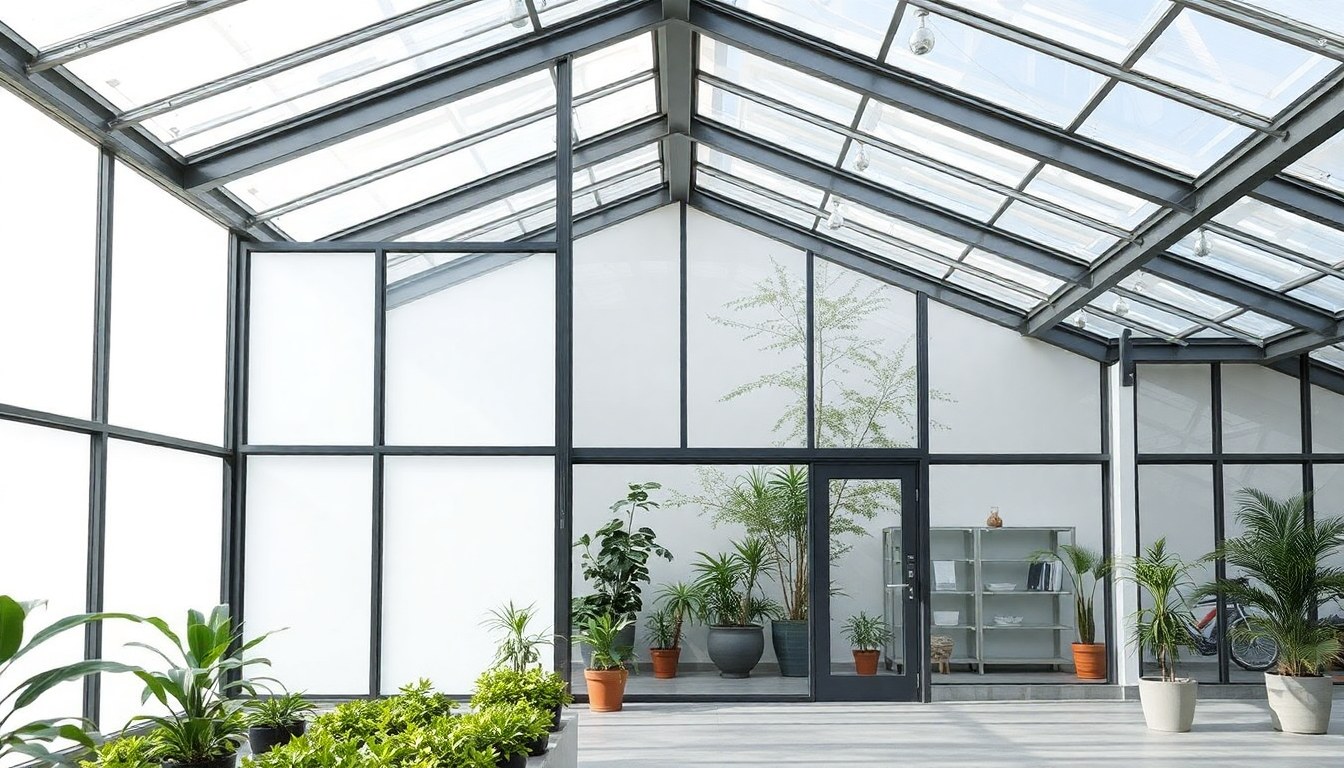
Selecting the appropriate glass for greenhouse construction in North India's challenging climate can make the difference between a thriving agricultural venture and costly crop failures. The region's extreme temperature variations, intense summer heat, dense winter fog, and occasional hail storms demand specialized horticultural glass that balances light transmission with thermal management. This comprehensive guide will help greenhouse builders and farmers in Punjab, Haryana, and Uttar Pradesh choose glass specifications that maximize crop yields while minimizing energy costs and maintenance challenges.
Understanding North India's Unique Greenhouse Challenges
North Indian states experience one of the world's most demanding climates for greenhouse operations. Summer temperatures routinely exceed 45°C, while winter nights can drop to near-freezing levels. The region also faces dense fog during December and January that drastically reduces natural light availability, and sudden hailstorms during pre-monsoon months can destroy inadequately protected structures.
These conditions require glass that performs multiple functions simultaneously: transmitting maximum photosynthetically active radiation (PAR) for plant growth, blocking excessive infrared radiation during summer, retaining heat during winter nights, and withstanding physical impacts from hail. Standard window glass simply cannot meet these specialized requirements, making proper glass selection critical for greenhouse viability.
The intensity of solar radiation in North India also means that greenhouse glass must manage heat gain effectively. Without proper glass specifications, internal temperatures can soar to levels that stress or kill plants, forcing operators to invest heavily in cooling systems that dramatically increase operational costs.
Light Transmission Requirements for Optimal Plant Growth
Light transmission is the most critical factor in greenhouse glass selection. Plants require specific wavelengths in the 400-700 nanometer range for photosynthesis, and your glass must transmit at least 85-90% of this photosynthetically active radiation. Standard float glass typically transmits around 80-85% of visible light, but specialized horticultural glass can achieve 90-92% transmission through anti-reflective coatings and optimized iron content.
Low-iron glass, also called ultra-clear or extra-clear glass, is the preferred choice for greenhouse applications. Regular glass contains iron oxide impurities that give it a greenish tint and absorb light energy, reducing transmission to around 83-84%. Low-iron glass removes these impurities, achieving transmission rates of 90-91% while maintaining clarity. For North Indian greenhouses where winter fog already reduces available light, this 6-8% improvement in transmission can significantly impact crop productivity.
Diffused vs. Clear Glass Considerations
Diffused glass scatters incoming light, distributing it more evenly throughout the greenhouse and reducing harsh shadows. This can benefit crops like tomatoes, cucumbers, and ornamental flowers by providing more uniform light distribution. However, diffused glass typically reduces overall transmission by 2-3% compared to clear glass. In fog-prone areas of Punjab and Haryana, this trade-off may not be worthwhile during winter months when every percentage of light transmission matters.
Thermal Performance and Energy Efficiency
North India's extreme temperature swings demand careful attention to thermal properties. During summer, greenhouse glass must minimize heat gain while during winter, it should retain warmth generated during the day. The U-value (thermal transmittance) and Solar Heat Gain Coefficient (SHGC) are the key metrics to evaluate.
Single-pane glass typically has a U-value of 5.8 W/m²K, meaning it loses heat rapidly during winter nights. Double-glazed units reduce this to 2.8-3.0 W/m²K, cutting heating costs substantially in regions like Amritsar, Ludhiana, or Meerut where winter temperatures drop significantly. However, double glazing also reduces light transmission by approximately 10%, creating a trade-off that must be carefully evaluated based on your specific crops and location.
For summer heat management, look for glass with selective coatings that transmit visible light while reflecting infrared radiation. Low-E (low-emissivity) coatings can reduce summer heat gain by 30-40% compared to uncoated glass. Some manufacturers offer specialized greenhouse coatings that maintain 88-89% visible light transmission while blocking infrared wavelengths, providing the best of both worlds for North Indian conditions.
Calculating Return on Investment
While high-performance glass costs more upfront—typically ₹180-280 per square foot compared to ₹80-120 for standard glass—the energy savings and increased yields often justify the investment. A well-designed greenhouse in Karnal or Panipat using optimized glass can reduce cooling costs by 35-45% and heating costs by 50-60% compared to standard glazing. For commercial operations, this translates to payback periods of 2-4 years depending on crop value and growing cycles.
UV Filtering and Plant Protection
Ultraviolet radiation presents both opportunities and challenges for greenhouse cultivation. While some UV exposure can enhance certain plant characteristics like color intensity and compact growth, excessive UV-B radiation can damage plant tissues and reduce yields. North India's high-altitude regions and intense summer sun deliver particularly strong UV radiation.
Most standard float glass naturally blocks UV-B radiation (280-315 nm) while transmitting some UV-A (315-400 nm). For crops sensitive to UV damage, consider glass with enhanced UV-blocking coatings that filter 95-98% of all UV wavelengths while maintaining visible light transmission. Conversely, if you're growing ornamental flowers where UV exposure enhances color, select glass that transmits 30-40% of UV-A radiation.
UV filtering also affects pest management strategies. Many insects navigate using UV light, and UV-blocking glass can reduce certain pest populations naturally. This biological control aspect can reduce pesticide requirements, an important consideration for organic farming operations increasingly common in areas around Dehradun and Saharanpur.
Hail Resistance and Structural Durability
Pre-monsoon hailstorms pose a serious threat to greenhouse operations across North India, particularly in Punjab and western Uttar Pradesh. A single severe hailstorm can destroy an entire greenhouse covered with standard 4mm glass, resulting in catastrophic crop losses and expensive repairs.
For hail-prone areas, consider these protective options. Tempered glass is four to five times stronger than standard annealed glass and is the minimum recommended specification for greenhouse roofs. When tempered glass does break, it shatters into small, relatively harmless pieces rather than dangerous shards. Standard 4mm tempered glass costs approximately ₹120-160 per square foot, while 6mm tempered glass ranges from ₹180-240 per square foot.
Laminated glass offers even greater protection by sandwiching a plastic interlayer between two glass panes. Even when broken, the glass fragments adhere to the interlayer, maintaining structural integrity and protecting crops below. Laminated glass with a 0.76mm PVB interlayer can withstand hailstones up to 25-30mm diameter. Though more expensive at ₹280-380 per square foot, laminated glass provides the highest level of protection for valuable crops in high-risk areas.
Alternative Protection Strategies
Some greenhouse operators in Jalandhar and Ambala install hail netting above glass roofs as an additional protective layer. While this reduces light transmission by 8-12%, it can prevent total loss during severe storms. This approach works particularly well when combined with 5-6mm tempered glass, creating a cost-effective multi-layer protection system.
Glass Thickness and Support Structure Considerations
Glass thickness affects both structural performance and cost. For greenhouse applications in North India, 4mm glass is the absolute minimum for vertical walls, while roofs should use 5mm or 6mm glass depending on span distances and snow load considerations in northern areas. Thicker glass provides better hail resistance and allows longer spans between support members, but increases structural load and material costs.
When working with architects and builders—whether consulting with Muhurtham Builders or other professionals—ensure your glass selection coordinates with the structural design. Heavier glass requires stronger framing members, potentially increasing overall construction costs. The structural engineer must calculate wind loads, snow loads, and dead loads based on your chosen glass specification.
Support spacing also impacts glass selection. Standard greenhouse designs with rafters spaced 1-1.2 meters apart can accommodate 4-5mm glass, while wider spans require 6mm or thicker glass to prevent deflection and potential breakage. Some modern greenhouse designs use minimal framing to maximize light transmission, but these require careful engineering and higher-grade glass specifications.
Maintenance and Longevity Factors
Glass longevity in North Indian greenhouses depends heavily on maintenance practices and environmental factors. Dust accumulation is a particular challenge in Punjab and Haryana, where agricultural activities and dry winds can reduce light transmission by 15-25% within weeks if glass isn't cleaned regularly. Some greenhouse operators report cleaning requirements every 10-15 days during peak dust seasons.
Self-cleaning glass with hydrophilic coatings can reduce maintenance frequency by allowing rain to wash away dirt more effectively. While these coatings add ₹40-60 per square foot to glass costs, they can reduce annual cleaning labor costs by 40-50% for large commercial operations. The return on investment is particularly strong for roof glazing, which is more difficult and dangerous to clean manually.
Quality glass from reputable manufacturers should maintain 95% of its original light transmission for 20-25 years with proper maintenance. Avoid low-cost glass with poorly applied coatings that may degrade within 5-7 years, requiring premature replacement. When sourcing glass, request warranty information specifically covering coating durability and light transmission maintenance.
Frequently Asked Questions
What is the best glass thickness for greenhouse roofs in North India?
For greenhouse roofs in North India, 5mm tempered glass is the recommended minimum, with 6mm tempered or laminated glass preferred in hail-prone areas of Punjab and western UP. While 4mm glass costs less initially, it offers insufficient hail protection and may require more frequent replacement. The additional cost of 5-6mm glass (approximately ₹60-100 more per square foot) is justified by improved durability and reduced risk of catastrophic failure during storms.
Should I choose single or double glazing for a greenhouse in Haryana?
Single glazing with high-transmission low-iron glass is typically better for most Haryana locations. While double glazing reduces heating costs in winter, it also reduces light transmission by 10% year-round, which negatively impacts crop yields more than the energy savings justify. Double glazing makes sense only for year-round operations growing high-value crops in the coldest parts of northern Haryana where winter heating costs are substantial.
How much does quality greenhouse glass cost in North India?
Quality horticultural glass in North India ranges from ₹120-180 per square foot for standard 4mm tempered low-iron glass, ₹180-240 per square foot for 5-6mm tempered glass, and ₹280-380 per square foot for laminated glass with hail protection. These prices include basic coatings but exclude installation, framing, and transportation. Always obtain quotes from multiple suppliers and verify that specifications meet horticultural standards, not just building glass requirements.
Does greenhouse glass need UV protection in Punjab and UP?
Most crops benefit from partial UV filtering rather than complete blocking. Standard float glass naturally blocks harmful UV-B radiation while transmitting some beneficial UV-A. Complete UV blocking (95-98% of all UV wavelengths) is only necessary for extremely UV-sensitive crops or research applications. For most commercial greenhouse operations in Punjab and UP, standard low-iron glass without additional UV coatings provides appropriate protection while maintaining optimal light transmission for photosynthesis.
How often does greenhouse glass need cleaning in North Indian conditions?
Dust accumulation varies by location and season, but most North Indian greenhouses require cleaning every 2-4 weeks during dry seasons and monthly during monsoon periods. Areas near major roads or agricultural fields may need more frequent cleaning. Regular cleaning is essential because dust layers can reduce light transmission by 15-25%, significantly impacting crop growth. Self-cleaning glass coatings can extend cleaning intervals to 4-6 weeks in most conditions, reducing labor costs for large commercial operations.
Selecting the right glass for your North Indian greenhouse requires balancing multiple performance factors with budget constraints. Whether you're planning a small family operation or a large commercial facility, consulting with experienced greenhouse designers and glass suppliers will help optimize your specifications for local conditions. Visit the glassy.in directory to connect with glass suppliers, architects, and greenhouse specialists across Punjab, Haryana, and Uttar Pradesh who understand regional climate challenges and can provide expert guidance for your specific project requirements.