How Toughened Glass is Made: A Step-by-Step Guide
Toughened glass, also known as tempered glass, is a technological marvel that blends strength, safety, and sleek aesthetics, making it an essential element in modern architecture, design, and art installations. Popular for its durability and shatter-resistant properties, toughened glass is a preferred material for everything from expansive glass facades to contemporary interiors.
If you’ve ever marveled at the beauty of a glass staircase or the elegance of frameless shower enclosures, you’ve witnessed toughened glass at work. But how is this extraordinary material created? Dive in to explore a step-by-step guide on how toughened glass is made.
Step 1: Selection of Raw Glass
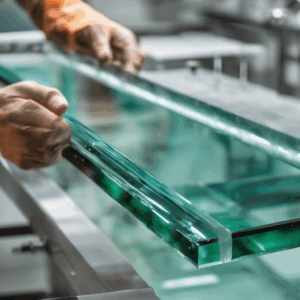
The journey of toughened glass begins with standard or annealed glass, which serves as the raw material. This base glass is typically manufactured from a mixture of silica sand, soda ash, and limestone. To ensure the production of high-quality toughened glass, the raw glass must be free of impurities, air bubbles, and defects that could later compromise its strength or clarity.
Standard annealed glass is chosen for toughening based on its desired end-use, with factors such as thickness, transparency, and thermal resistance taken into consideration. Whether you’re designing a sleek glass coffee table or a durable glass balcony, the raw glass establishes the foundation for the final product’s functionality and aesthetic appeal.
Step 2: Cutting and Shaping
Once the raw glass is selected, the next step involves cutting and shaping it according to specific dimensions and designs. Precision is key here, as toughened glass cannot be altered after the toughening process is complete. Using advanced cutting tools and CNC machines, the glass is shaped into the required size and form, whether it’s a geometric windowpane or a decorative glass art installation.
Many architectural and artistic projects incorporate custom designs and intricate glass shapes, requiring expert craftsmanship at this stage. For instance, the art of glass mosaics or partitions often demands laser-focused attention to detail during cutting and shaping.
Step 3: Edge Polishing
After shaping the glass, the edges are polished to enhance both safety and aesthetics. Unpolished glass edges can be sharp and brittle, making them prone to cracks and chips. Edge polishing not only smooths out rough surfaces but also ensures the material can endure the thermal stress of the toughening process.
This stage is particularly significant for applications in art and design. For example, polished edges lend a refined, seamless finish to glass used in art sculptures or as part of interior design elements.
Step 4: Pre-Inspection
At this stage, the glass undergoes a careful inspection to ensure it meets strict quality standards. Any surface imperfections, scratches, or inconsistencies are identified and addressed. In the world of art and architectural glass, achieving visual perfection is paramount, as the tiniest flaw can compromise the overall aesthetic or structural integrity.
Step 5: The Heating Process
Now comes the crux of toughened glass production: the heating process. The glass is placed inside a specially designed tempering furnace where it is heated to extremely high temperatures, typically between 620–650°C. At this stage, the glass reaches its “softening point,” making it more malleable while retaining its shape.
The uniform heating within the furnace is vital for producing a high-quality toughened glass sheet. Uneven heating can result in weak spots that undermine the material’s strength, which is why stringent temperature controls are maintained throughout the process.
Step 6: Rapid Cooling (Quenching)
Once the glass is sufficiently heated, it is rapidly cooled using high-pressure air jets in a process known as quenching. This cooling process creates a state of tension within the glass: the outer surfaces cool faster than the interior, resulting in compressive stresses on the surfaces and tensile stresses inside.
This contrast in stress composition is the defining characteristic of toughened glass. It’s the reason toughened glass is up to five times stronger than standard glass and shatters into small, blunt-edged fragments rather than dangerous shards—making it an ideal choice for safety-focused designs like glass railings or frameless glass doors.
Step 7: Post-Inspection and Quality Testing
After the thermal toughening process, the glass is subjected to rigorous quality tests to ensure its strength, durability, and overall safety. Advanced testing techniques are used to check the glass’s resistance to impact, load stress, and temperature variations.
For designs that push the boundaries of glass craftsmanship, such as intricate glass sculptures or art installations, post-inspection is especially critical to verify the glass’s ability to withstand environmental factors and prolonged use without losing its structural integrity or aesthetic value.
Step 8: Final Touches and Customization
Depending on its intended application, the toughened glass might undergo further customization techniques, such as sandblasting, UV bonding, or decorative lamination. These processes enhance its visual appeal, making it suitable for use in projects that merge function with art.
For instance, sandblasting can create frosted finishes that add a privacy element to glass, while decorative lamination allows for stunning visuals in glass art walls or ceilings. The creative possibilities are endless, especially in industries that celebrate art & glass, such as modern architecture and interior design.
Applications of Toughened Glass in Design and Architecture
Beyond its practical benefits, toughened glass has revolutionized the way we think about design. Architects and artists leverage its strength and transparency to create stunning statements in homes, offices, and public spaces. From floating glass stairs that exude modern minimalism to panoramic glass railings seamlessly blending indoor and outdoor aesthetics, toughened glass represents the perfect marriage of durability and artistic freedom.
For design enthusiasts and professionals alike, the versatility of toughened glass is an endless source of inspiration. If you’re looking for cutting-edge ways to incorporate glass into your interiors or architectural projects, consider exploring Glassy’s range of premium glass solutions. Their expertise and eye for innovation make them a go-to resource in the world of contemporary design.
Conclusion
Toughened glass isn’t just a material—it’s a canvas of strength and creativity. From its rigorous manufacturing process to its boundless design potential, toughened glass continues to play a pivotal role in shaping modern art, architecture, and interiors. Each step in its creation reflects a meticulous blend of science and craftsmanship, ensuring its performance and aesthetic appeal in even the most demanding applications.
For those passionate about integrating glass into their spaces, choosing the right glass plays a key role in achieving your vision. To explore high-quality options tailored to your design needs, don’t hesitate to visit Glassy and discover how toughened glass can transform your space into a masterpiece.# How Toughened Glass is Made: A Step-by-Step Guide
When it comes to modern architecture, interior design, and art, glass has become one of the most versatile and beloved materials. Among the various types of glass available, toughened glass (also known as tempered glass) stands out due to its strength, safety, and aesthetic appeal. Its use spans different realms—whether it’s furnishing high-rise buildings, creating intricate glass artwork, or enhancing interior spaces with sleek decorative elements. But how exactly is toughened glass made? Here’s a step-by-step guide to understanding this marvel of engineering and design innovation.
What is Toughened Glass?
Before diving into the manufacturing process, let’s briefly understand what toughened glass is. Toughened glass is a type of safety glass that undergoes a specialized heat treatment process to enhance its strength. Unlike regular annealed glass, toughened glass is resistant to impacts and temperature changes, making it ideal for both functional and artistic applications. When broken, it shatters into small, blunt-edged pieces, reducing the risk of injury and enhancing safety.
Whether it’s used in frameless glass doors, kitchen backsplashes, or as a canvas for stunning glass art, toughened glass contributes significantly to contemporary design trends.
The Five-Step Process of Making Toughened Glass
Creating toughened glass is both an art and a science. The process involves precision, cutting-edge technology, and an understanding of the material’s behavior under extreme conditions. Let’s explore the step-by-step journey of how toughened glass is made.
Step 1: Cutting to Size
The first step in producing toughened glass involves cutting the raw glass to the desired size and shape. The material used is usually annealed glass in its standard form. Designers and architects often specify precise dimensions based on their project requirements, whether it’s a minimalist glass table or a stunning stained glass installment.
Once the glass is cut, technicians smoothen the edges to minimize the chances of fractures during the subsequent toughening process. At this stage, any decorative elements, such as engraving or patterns, can also be added to enhance the artistic value of the glass.
Step 2: Heating
After the glass is prepped, it’s placed into a specially designed furnace where it is heated to extremely high temperatures—typically around 620–650 degrees Celsius (1,148–1,202 degrees Fahrenheit). This is the threshold where the glass becomes soft and pliable, allowing it to undergo the transformation process.
The heating stage is critical. Any uneven temperature distribution can cause imperfections or weaken the glass. Advanced furnaces equipped with precision temperature controls ensure uniformity, making the glass both strong and visually flawless.
Step 3: Rapid Cooling (Quenching)
The third step involves rapidly cooling the heated glass through a process called quenching. High-pressure air jets are directed onto the surface of the glass while its core remains relatively warm. This technique creates a balance of compressive stress on the surface and tensile stress inside the glass, resulting in its enhanced strength.
This delicate balance is the cornerstone of toughened glass. The rapid cooling not only increases durability but also ensures that the glass meets safety standards. For projects demanding artistic finesse, such as customized glass art or architectural elements, attention to detail in this step is crucial.
Step 4: Quality Inspection
Not all glass that goes through the toughening process makes the cut. Once the quenching is complete, the glass is subjected to a rigorous quality inspection. This includes examining its visual clarity, strength, and surface finish to ensure it meets both industry standards and the client’s expectations.
For designers and clients working in the realms of art and glass, the final product must not only be robust but also exhibit aesthetic excellence. Faults like bubbles or scratches can affect the visual appeal and structural integrity, making this step essential.
Step 5: Final Customization
After the glass passes quality checks, it’s ready for final customization. At this stage, additional treatments like tinting, frosting, or lamination may be applied to suit the specific needs of the project. For example, glass used in sunlit spaces might require UV protection, while decorative toughened glass could benefit from frosted patterns for privacy.
Artisans and designers often collaborate to transform toughened glass into artistic masterpieces, incorporating it into sculptures, interior panels, or even stained glass windows. Thanks to its durability and adaptability, toughened glass is as much a medium for creativity as it is a functional material.
Why Toughened Glass is the Material of Choice for Designers
From modern interiors to avant-garde art installations, toughened glass enhances both functionality and aesthetics in creative projects. Its strength makes it ideal for high-traffic areas, such as office partitions, while its ability to reflect light transforms spaces into airy, sophisticated environments.
Furthermore, by adding custom designs, textures, and finishes, toughened glass allows for infinite possibilities in art and architecture. Projects like decorative wall panels or intricate etched designs showcase how this material seamlessly blends style and practicality.
Read more about how glass artistry can elevate your living spaces.
Applications of Toughened Glass in Art and Architecture
Toughened glass opens up exciting opportunities for creativity:
- Architectural Installations: Used in skylights, glass facades, and balustrades, it offers structural integrity with unmatched elegance.
- Interior Design: Think sleek tabletops, frameless shower enclosures, and kitchen countertops that make a statement.
- Artistic Projects: Toughened glass serves as a durable canvas for stained glass windows, engraved panels, or even bold sculptures.
By combining function with artistic flair, toughened glass continues to shape how we perceive contemporary design.
Learn how toughened glass can transform your projects. Explore more here.](https://glassy.in)
Conclusion
The process of making toughened glass is a fascinating blend of technology, craftsmanship, and creativity. By understanding its creation, you gain insight into why it’s a preferred choice for countless applications—from architectural marvels to artistic masterpieces.
Whether you’re an art enthusiast, an architect, or a homeowner looking to add a touch of sophistication to your space, toughened glass offers both beauty and resilience. Its journey—from being ordinary annealed glass to becoming a robust, versatile material—ensures it remains an invaluable component in modern design.
Looking for inspiration for your next glass project? Explore the possibilities toughened glass can offer and redefine your creative landscape.