
Glass Roof Safety: Key Structural Facts Explained
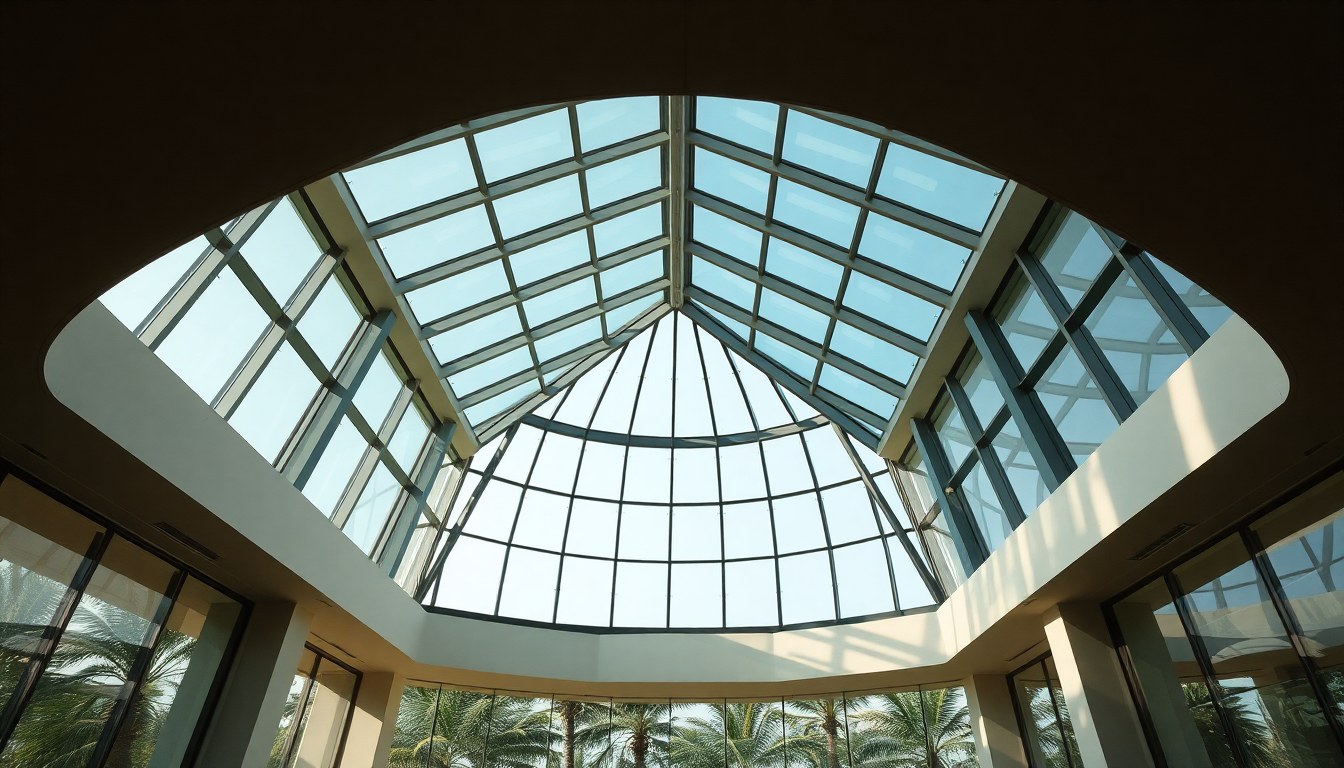
How Safe Are Glass Roofs? Structural Facts Explained
Glass roofs are some of the most stunning architectural choices in modern design. Whether enhancing residential homes, commercial spaces, or public structures, their aesthetic appeal and ability to connect interiors with the outdoors create spaces that feel open, bright, and inspiring. However, one frequently asked question when considering glass roofs for a building project is: “How safe are glass roofs?” In this article, we’ll delve into the structural facts, safety measures, and artistic potential of glass roofs to help you make an informed decision.
The Rise of Glass Roofing Systems in Modern Architecture
Glass roofs represent more than just functionality; they embody art in architecture. With the evolution of glass technology, architects and designers now view glass as not just a material but a canvas. The interplay of light through glass roofs allows artistic expression, transforming interiors with luminous textures and dynamic shadows. Glass roofs are particularly popular in spaces that celebrate art and design, such as galleries or studios, where natural light enhances the aesthetics of the surroundings.
Whether used in traditional greenhouse settings or ultra-modern buildings, the beauty of glass roofs lies in their ability to blend creativity with practicality. However, beyond aesthetics, understanding their structural reliability is crucial.
Are Glass Roofs Structurally Safe?
The safety of glass roofs largely depends on the materials and engineering behind their installation. Here are some structural facts that underline their security:
1. The Strength of Modern Glass Materials
Architectural glass used for roofs is designed to withstand substantial weight, pressure, and environmental elements. Tempered glass, also called toughened glass, is a common choice for roof installations. It undergoes thermal treatments that make it up to four to five times stronger than regular glass. Similarly, laminated glass is another excellent option, often preferred for safety purposes. Laminated panels consist of two layers of glass bonded with an interlayer that prevents shattering in case of breakage, thereby reducing the risk of injury.
Not only are these materials robust, but innovations in glass technology also allow glass roofs to resist high winds, hailstorms, and even heavier snowfall loads.
2. Structural Framework and Design
The structural integrity of glass roofs doesn’t solely rely on the glass itself—it’s also about the support structures surrounding them. Steel, aluminum, wood, and other frameworks are strategically used to reinforce glass panels, ensuring that the entire roof system remains stable under duress.
When designing glass roofs, architects often calculate the load-bearing capacity of both the glass and its supporting systems. Factors such as building location, climatic conditions, and intended usage influence the structural choices. This ensures that glass roofs can provide safety without compromising on style.
3. Safety Standards and Regulations
Like any architectural element, glass roofs are subject to safety codes and building regulations to guarantee their reliability. Specialized testing and certifications for structural glass ensure that the materials can endure impacts, thermal expansion, and UV radiation over time. Developers often work closely with suppliers to ensure the highest standards of durability are met.
So, whether you’re creating a skylight for a smaller residential space or curating a grand roof for a museum, rest assured that glass roofs today can be trusted when installed professionally according to official standards.
Understanding the Risks
While modern safety measures make glass roofs highly dependable, it’s essential to acknowledge potential risks to fully understand their functionality:
-
Thermal Stress
Extensive changes in temperature can cause thermal stress cracks in glass. To mitigate this, many modern roofs utilize low-emissivity (low-E) glass that minimizes heat absorption. -
Impact Resistance
Even though tempered and laminated glass can withstand significant force, deliberate impacts by heavy or sharp objects may damage the panels. For this reason, some applications may use a combination of plastic and glass layers for added reinforcement. -
Slippage Risks
Glass can become slippery when wet, so proper designs must account for angles, slopes, or drainage systems to prevent water pooling and enhance safety.
The Artistic Appeal of Glass Roofs: A Fusion of Art and Functionality
Glass roofs are not just about safety and functionality—they are about creating beauty through design. From intricate geometric patterns to etched engravings, glass roofs bring an artistic dimension to spaces that few other materials can match.
Spaces like greenhouses or conservatories use glass roofs to create immersive environments, enabling natural light to cascade throughout. Similarly, retail spaces and urban office buildings maximize light while showcasing innovative layouts. Designers have even begun experimenting with tinted or digitally-printed glass panels to elevate visual interest, turning an ordinary roof into a piece of structural art.
Such designs are not only captivating but also highly functional—art can enhance energy-efficiency by using various glazing techniques to reduce heat transfer or ultraviolet radiation.
For incredible examples of how art and glass have converged in modern architecture, explore inspired structures at Glassy. This site offers unparalleled insights into how glass can transform a space—whether for practical use or artistic imagination.
Maintenance and Longevity
Proper care is essential to maintaining the safety and aesthetics of glass roofs. Regular inspections, cleaning, and minor repairs can keep the material intact for decades. Using specialized cleaning agents and ensuring the drainage system is free of debris plays a crucial role in preserving the clarity and resilience of glass panels.
Moreover, where applicable, protective coatings such as UV-blocking films or anti-shatter layers can enhance durability and ensure peace of mind.
Conclusion: Are Glass Roofs Safe? Absolutely!
Incorporating glass roofs into architecture is a celebration of strength, artistry, and innovation. With advancements in glass technology and structural engineering, modern glass roofs offer both safety and remarkable design possibilities.
If you’re considering glass roofs for your next project, it’s essential to collaborate with experienced professionals to align aesthetics with safety features. Explore expert perspectives, material options, and inspiring architectural solutions at Glassy to bring your dream design to life.
By combining beauty and practicality, glass roofs are more than safe—they represent a transformative element that redefines modern architectural spaces.# How Safe Are Glass Roofs? Structural Facts Explained
Glass roofs are undoubtedly stunning architectural elements that blend functionality with artistic flair. Their transparent design floods interiors with natural light, offers unobstructed views of the sky, and often serves as a dynamic statement piece in modern architecture. However, if you’re considering installing a glass roof or simply curious about its safety and structural aspects, you’ve come to the right place. This article dives deep into the facts — demystifying the effectiveness, durability, and security of glass roofs while exploring their connection to art and design.
Glass as a Structural Marvel
Glass roofs might seem fragile at first glance, but they are much more robust and reliable than many assume. Modern technology has enabled the production of architectural-grade glass, specifically engineered for structural integrity. This isn’t your everyday windowpane; structural glass is reinforced under controlled conditions to withstand various environmental factors like wind loads, temperature fluctuations, and physical impacts.
-
Tempered Glass for Superior Durability
One key material used in glass roofs is tempered glass, which undergoes a rapid heating and cooling process to make it approximately five times stronger than regular glass. This makes tempered glass an ideal choice for overhead installations, as it is far less likely to shatter on impact. Moreover, if it does break, it crumbles into small, blunt-edged granules rather than sharp shards, significantly reducing the risk of injury. -
Laminated Glass for Added Security
Laminated glass, another popular choice for glass roofs, is created by sandwiching layers of glass around a flexible plastic interlayer like polyvinyl butyral (PVB). This interlayer holds the pieces together even if the glass cracks, maintaining structural integrity and offering excellent impact resistance. Laminated glass is frequently used for applications requiring high safety standards, such as skylights or panoramic glass roofs in cars.
Safety Regulations and Testing
To ensure their effectiveness in structural applications, glass roofs undergo rigorous testing and must comply with stringent safety standards globally. These factors include resistance to weather conditions like heavy rains, snow accumulation, and extreme heat. Additionally, proper installation practices play an essential role in ensuring the safety of a glass roof. Certified engineers follow guidelines to account for structural loads, weight distribution, and reinforced framing, so the glass is supported securely.
Modern advancements also incorporate features such as self-cleaning technology, thermal insulation, and reinforced edges to further enhance safety and upkeep. Homeowners seeking peace of mind can enjoy glass roofs knowing they have been vetted under highly controlled conditions by professionals in the industry.
Addressing Common Concerns about Glass Roofs
It’s natural for people to question the safety of glass roofs, especially when considering their transparency and perceived delicacy. Below are insights addressing some of the most common concerns:
-
What About Extreme Weather?
Many worry about how glass roofs will fare against hail storms or high winds. Fortunately, structural glass is tested to resist even extreme weather conditions. Laminated glass in particular excels here, as the plastic interlayer prevents complete failure if the external surface fractures. -
Temperature Control
Glass roofs have evolved to include features such as thermal insulation coating and double glazing. These advancements help maintain indoor temperatures by filtering harmful UV rays and reducing heat transfer. In fact, glass roofs often contribute to energy efficiency, enhancing overall comfort within the building. -
Privacy Issues
While glass roofs celebrate openness, privacy can sometimes be a concern. The solution lies in innovative design — frosted or tinted glass, for example, can mitigate visibility while preserving the aesthetic charm of natural light. Alternatively, retractable covers or smart glass technology (which enables opacity at the push of a button) offer flexible privacy options.
Glass Roofs: A Connection Between Art and Design
One of the most fascinating aspects of glass in architecture is its dual role — functional structure and artistic medium. Glass roofs transcend mere shelter to unify interior and exterior spaces, blur boundaries, and create a connection to the natural world.
When integrated thoughtfully, glass designs can elevate the aesthetics of interiors by creating an atmosphere filled with light and shadows that evolve throughout the day. Glass roofs have inspired generations of architects and designers, serving as canvases for creativity in both modern and traditional styles.
Take, for instance, the iconic glass roof of The Louvre Pyramid in Paris. Its dazzling geometric design and intricate interplay of light and space showcase how glass can challenge conventional notions of architecture and evolve into a form of artistic expression.
If you’re a lover of art and glass, you’ll appreciate how glass roofs bring texture, dimension, and light into interior spaces, transforming buildings into living masterpieces. Whether you’re curating an artistic home, designing a serene conservatory, or simply admiring structural innovations, glass roofs effortlessly fuse functionality with art.
Choose Safety and Style with Certified Solutions
Ultimately, the safety of glass roofs boils down to the quality of materials, engineering precision, and professional installation. By partnering with trusted professionals like Glassy, you can rest assured that your glass roof will be beautifully designed and structurally sound. Their range of architectural glass solutions showcases the perfect intersection of safety, design, and art — proving that glass is as versatile as it is secure.
Whether you’re dreaming of a modern glass extension or a statement skylight, Glassy makes it possible to achieve your vision without compromising safety. Invest in innovation and allow glass to redefine your spaces.
Final Thoughts
From durability to design, glass roofs are safer and more reliable than ever before, thanks to innovative technology and improved standards. Structural glass can bring beauty, light, and openness to your space while adhering to strict guidelines that guarantee safety. Combine functionality, artistry, and security by exploring glass roof solutions tailored to your architectural needs.
Remember, the next time you marvel at a skylight or admire the interplay of sunlight in a spectacular glass conservatory, you’re witnessing the perfect union between art and glass — where nature meets ingenuity and structure becomes art.