
Top 10 Types of Glass for Modern Building Designs
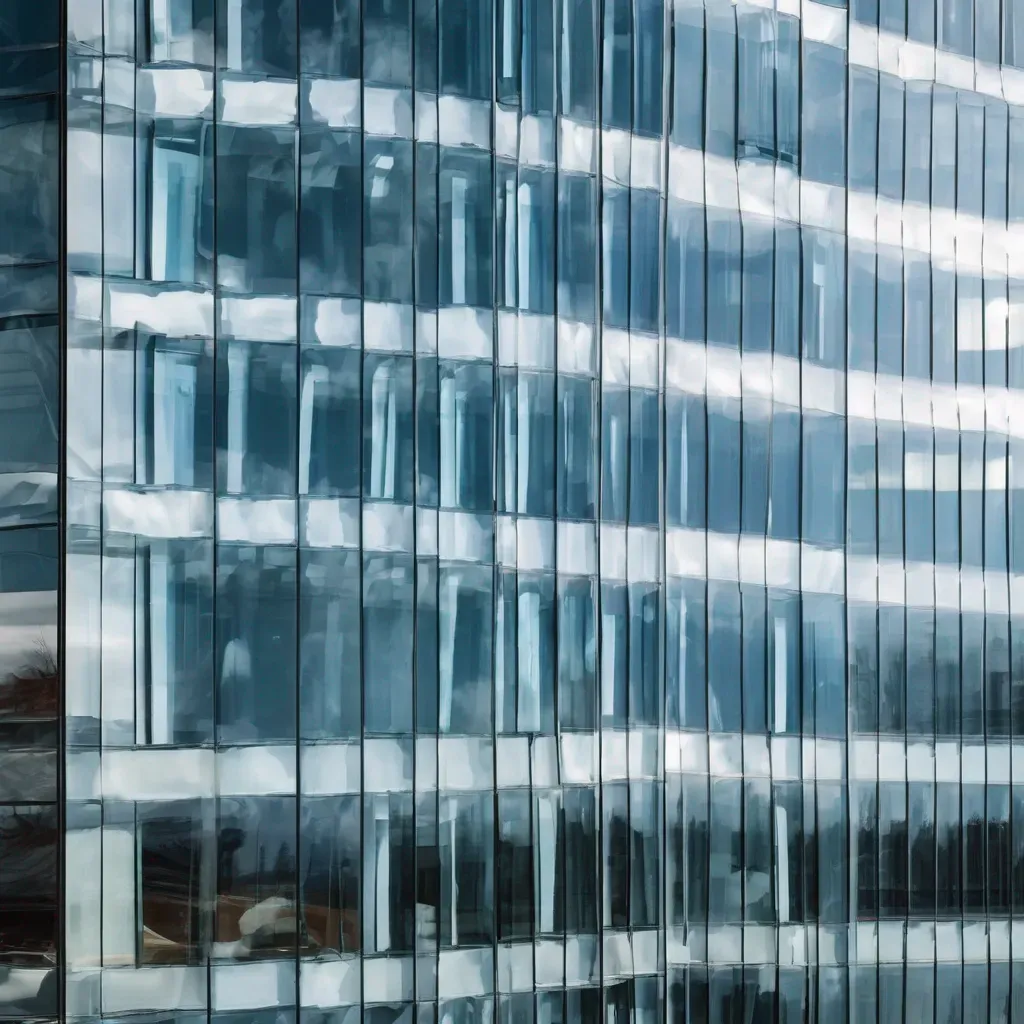
Top 10 Types of Glass Used in Modern Buildings
Glass has become one of the defining elements of modern architecture. Its versatility, aesthetic appeal, and functionality have inspired a fusion of science and artistic expression, transforming how we design urban spaces today. From towering skyscrapers to artistic interiors, different types of glass serve specialized purposes, ensuring safety, sustainability, and beauty. This article explores the top 10 types of glass used in modern buildings, shedding light on their unique attributes and applications.
1. Tempered Glass
Tempered glass, also known as toughened glass, is a popular choice in modern construction. It undergoes a heat-treatment process to enhance its strength. Unlike regular glass, when tempered glass breaks, it shatters into tiny, relatively harmless granules, making it a safer option for windows, doors, and glass facades. Its durability and versatility make it an integral material for projects ranging from commercial high-rises to interior art installations.
2. Laminated Glass
Laminated glass is widely recognized for its safety and ability to block harmful UV rays. It consists of multiple glass layers bonded together with a plastic interlayer, ensuring it stays intact when shattered. This is a common choice for skylights, office partitions, and storefronts, aligning functionality with aesthetics. Moreover, architects can incorporate tinted or decorative laminated glass to elevate a structure’s visual appeal, enabling the perfect blend of art and glass in contemporary designs.
3. Tinted Glass
In the world of sustainable architecture, tinted glass holds a significant place. Infused with additives during manufacturing, it reduces the amount of sunlight penetration, effectively lowering heat gain inside buildings. Available in various colors, it allows architects to experiment with designs while ensuring energy efficiency. Tinted glass is frequently used for curtain walls, windows, and decorative glazing.
4. Insulated Glass Units (IGUs)
As sustainability takes center stage, insulated glass units (IGUs) have become a standard in green construction. These double or triple-glazed panels trap air or inert gas between layers, providing excellent thermal insulation. By minimizing heat loss and external noise, IGUs are ideal for creating eco-friendly buildings that emphasize energy efficiency without compromising on design.
5. Low-E Glass
Low-Emissivity, or Low-E glass, is celebrated for its energy-saving properties. This glass has a microscopically thin coating that reflects infrared light, keeping interiors warm during winters and cool during summers. Many modern buildings incorporate Low-E glass in their windows and facades to improve energy efficiency without sacrificing natural light. Its subtle yet impactful role in green building design makes it a popular choice.
6. Smart Glass (Switchable Glass)
Imagine a window that darkens at the touch of a button or automatically adjusts its tint based on sunlight. Welcome to the future of glass! Smart glass, or switchable glass, uses technologies like electrochromics or liquid crystal to change its transparency instantly. It’s increasingly used in office buildings, conference rooms, and luxury homes to enhance privacy while maintaining a sleek, modern look. For architects and interior designers, smart glass is a testament to the perfect marriage of technology and artistry.
Discover more about innovative glass solutions and applications at Glassy – where functionality meets modern design.
7. Reflective Glass
Reflective glass offers a dual benefit: It reduces solar glare and enhances privacy by creating a mirrored exterior. Widely used in commercial spaces, high-rise buildings, and malls, this glass is both functional and stylish. The reflective coating also adds an element of intrigue, making buildings stand out as modern works of art while promoting energy efficiency.
8. Acoustic Glass
For busy urban environments, noise pollution is a common challenge. Enter acoustic glass, a specialized material designed to reduce sound transmission. Consisting of two or more layers of glass fused together with an acoustic interlayer, it’s an ideal choice for residential and commercial projects where peace and privacy are paramount.
9. Frosted Glass
Frosted glass offers privacy without entirely blocking light, making it a favorite in interior spaces such as bathrooms, offices, and partition walls. With its subtle, translucent finish, frosted glass brings an airy, textured look to any design. Intricately incorporated patterns or designs on frosted glass can enhance its visual impact, blurring the lines between functional glass and artistic expression.
10. Textured and Patterned Glass
For architects and designers who want to bring a touch of creativity to their projects, textured and patterned glass offers an incredible avenue of exploration. This type of glass features unique designs, making it ideal for decorative purposes in windows, doors, ceilings, or as part of artful installations. Patterns can range from geometric elements to intricate florals, providing endless possibilities for customization. Its ability to diffuse light beautifully makes it a popular choice for spaces that value artistry.
The Role of Glass in Art and Architecture
In modern architecture, glass is much more than a building material; it’s an artistic medium. Its transparency, ability to interact with light, and adaptability allow designers to craft unique spaces full of creativity and innovation. Whether through stained glass installations that tell a story or the sleek, modern panels of opaque and tinted glass in urban skyscrapers, glass bridges the gap between functionality and art. It adds character, embodying the spirit of contemporary architectural movements that focus on the harmony of structure, sustainability, and design.
For a closer look at how architects and artists are breaking creative boundaries with unique glass solutions, explore the innovative options offered by Glassy.
Final Thoughts
The modern architectural landscape owes much of its allure and functionality to the evolving use of glass. From the robustness of tempered and laminated glass to the sophistication of smart and Low-E glass, these materials meet design and environmental demands in equal measure. For architects, designers, and even art enthusiasts, these top 10 types of glass used in modern buildings demonstrate the boundless potential of glass to transform mundane structures into works of art.
The key lies in selecting the right type of glass to align with your project’s design goals and functional requirements. Whether for energy efficiency, striking aesthetics, or incorporating elements of art and glass, today’s glass technologies promise endless opportunities for innovation. # Top 10 Types of Glass Used in Modern Buildings
Glass has long been a favored material in architecture for its ability to blend functionality with striking aesthetics. Modern buildings increasingly rely on innovative types of glass for not only their visual appeal but also for enhancing energy efficiency, safety, and comfort. Whether it’s the subtle interplay of natural light or creating bold, reflective façades, glass is the unsung hero of contemporary architecture. Here, we delve into the top 10 types of glass used in modern buildings and how they contribute to innovative design trends, particularly in the realms of artistic expression and structural excellence.
1. Tempered Glass
Tempered glass is renowned for its strength and safety features. It is heated and rapidly cooled during manufacturing, making it four to five times stronger than ordinary annealed glass. Its shatterproof characteristic is particularly crucial for buildings that prioritize safety, such as schools, hospitals, and commercial spaces. Beyond its strength, tempered glass is used creatively in structures to provide transparency while maintaining robustness, making it ideal for staircases, balustrades, and even artistic installations.
2. Laminated Glass
Laminated glass ushers in a blend of functionality and aesthetics. It is created by layering two or more glass panels with an interlayer, such as polyvinyl butyral (PVB), to enhance its durability and prevent shattering. Due to its soundproofing qualities and resistance to UV rays, laminated glass is often a preferred choice for office façades and museums. The material is also prized in the realm of Art & Glass, where vivid images or gradients can be introduced into the interlayer, enhancing the appeal of an architectural feature with an artistic twist.
3. Low-E Glass
Low-emissivity, or Low-E, glass is a game-changer in energy efficiency. With a thin metallic coating that reflects infrared and UV rays while letting in natural light, Low-E glass helps reduce energy bills and maintains a comfortable indoor temperature. Its dual functionality of aesthetics and sustainability has made it a go-to choice for green buildings. Architectural designers and glass artisans alike often explore its potential for creating dynamic, light-filtering effects in modern structures.
4. Frosted Glass
Frosted glass is a popular option for spaces requiring privacy without compromising on the dispersion of natural light. It is created by sandblasting or acid-etching on one surface of the glass, producing a translucent, matte finish. From office partitions to bathroom windows, frosted glass brings a chic sophistication to interiors. Designers often utilize frosted glass in intricate patterns, making it equivalent to an art piece integrated right into architecture.
5. Toughened Glass
Often confused with tempered glass, toughened glass undergoes a similar heat treatment process but is designed specifically to withstand sudden temperature variations. This makes it ideal for environments such as rooftops, swimming pool enclosures, and skylights. Toughened glass is also frequently used in solar panels, joining the sustainability revolution seen in modern buildings. Its crystalline surfaces echo artistic precision, bridging the gap between aesthetics and performance.
6. Smart Glass
Smart glass embraces the essence of cutting-edge innovation. Also known as switchable glass or dynamic glass, it can change its transparency at the flick of a switch. Using technologies such as electrochromic or suspended particle devices, it is widely used in high-tech office spaces, luxury hotels, and residential projects. This type of glass not only creates adaptive environments but also has immense potential for creative Art & Glass installations, opening up a world of possibilities for interactive design.
7. Tinted Glass
Tinted glass is another energy-efficient option that reduces glare and minimizes heat absorption. Available in a palette of colors like bronze, green, and grey, tinted glass is often used for facades, skylights, and curtain walls to create dramatic effects. Its earthy tones add a subtle yet compelling artistic dimension to modern structures. In addition to functional benefits, tinted glass has become synonymous with contemporary architectural aesthetics.
8. Float Glass
The foundation of virtually all architectural glass, float glass is produced by floating molten glass on a bed of molten tin to achieve uniform thickness and clarity. While basic in its unaltered state, float glass is versatile and can be processed further into tempered, laminated, or insulated glass. It serves as the starting canvas for more sophisticated products, much like a blank sheet might act as the base for artistic masterpieces.
9. Insulated Glazing Units (IGUs)
Energy efficiency is one of the central concerns in contemporary architecture, and IGUs (commonly called double-glazed or triple-glazed windows) are a vital solution. By sandwiching a layer of air or inert gas between two or more glass panes, these units provide excellent thermal insulation and noise reduction. IGUs are frequently seen in skyscrapers and residential high-rises, combining innovation, functionality, and the potential for inclusion in ornate façade patterns.
10. Patterned Glass
Patterned glass provides a tactile and visual depth that distinguishes it from other types of glass. Created via processes such as rolling molten glass between rollers with patterns, this type of glass is often employed for decorative purposes in homes and commercial buildings. Patterned glass allows architects to blur the line between construction and art, making it a key player in the evolution of Art & Glass.
The Role of Glass in Art, Design, and Architecture
Glass has become much more than just a utilitarian material in modern buildings. It is now a medium for artistic expression, transforming ordinary spaces into vibrant works of art. For example, stained or painted glass installations can add bursts of color and create striking light effects. Additionally, textured glass and innovative coatings have opened pathways for entirely new design languages that evoke emotions and aesthetics previously unimaginable. A balance between energy-efficient solutions and visual artistry has made glass indispensable in contemporary architecture.
For a deeper dive into the intricacies of architectural glass and its use in design, visit Glassy Inc. to explore more insights and innovations.
If you’re on the hunt for creative inspiration or high-quality glass solutions tailored to modern building needs, check out the amazing glass designs and applications at Glassy Inc..
In Closing
Modern architects and designers are embracing glass not just as a utilitarian material but as a platform for bold artistic statements and sustainable solutions. Through innovations like smart glass and the artistic utility of stained glass, advancements in the field continue to elevate how we interact with our urban landscapes. By combining beauty, function, and environmental consciousness, glass is firmly cemented as an irreplaceable element in architectural design.
Whether you admire the mesmerizing play of light through colored glass installations or appreciate the functional brilliance of insulated and reflective panes, there’s no denying the transformative power of this versatile material in elevating modern buildings to greater heights.