
Signs You Need to Replace Your Building Glass Now
Signs It’s Time to Replace Your Building Glass
Glass, often referred to as the “soul” of modern architecture, is more than just a functional component of a building. Whether in striking skyscrapers, cozy homes, or artful installations, glass shapes how we perceive and interact with spaces. But even the most timeless materials need attention—and glass is no exception. Damaged or outdated building glass can compromise aesthetics, safety, and energy efficiency. So how do you know when it’s time to replace your building glass?
In this article, we’ll explore the key signs that signal it’s time for an upgrade. Whether you’re managing a residential property, curating a space with artistic glasswork, or overseeing a large commercial building, this guide will help you preserve both form and function.
1. Visible Damage: Cracks, Chips, or Scratches
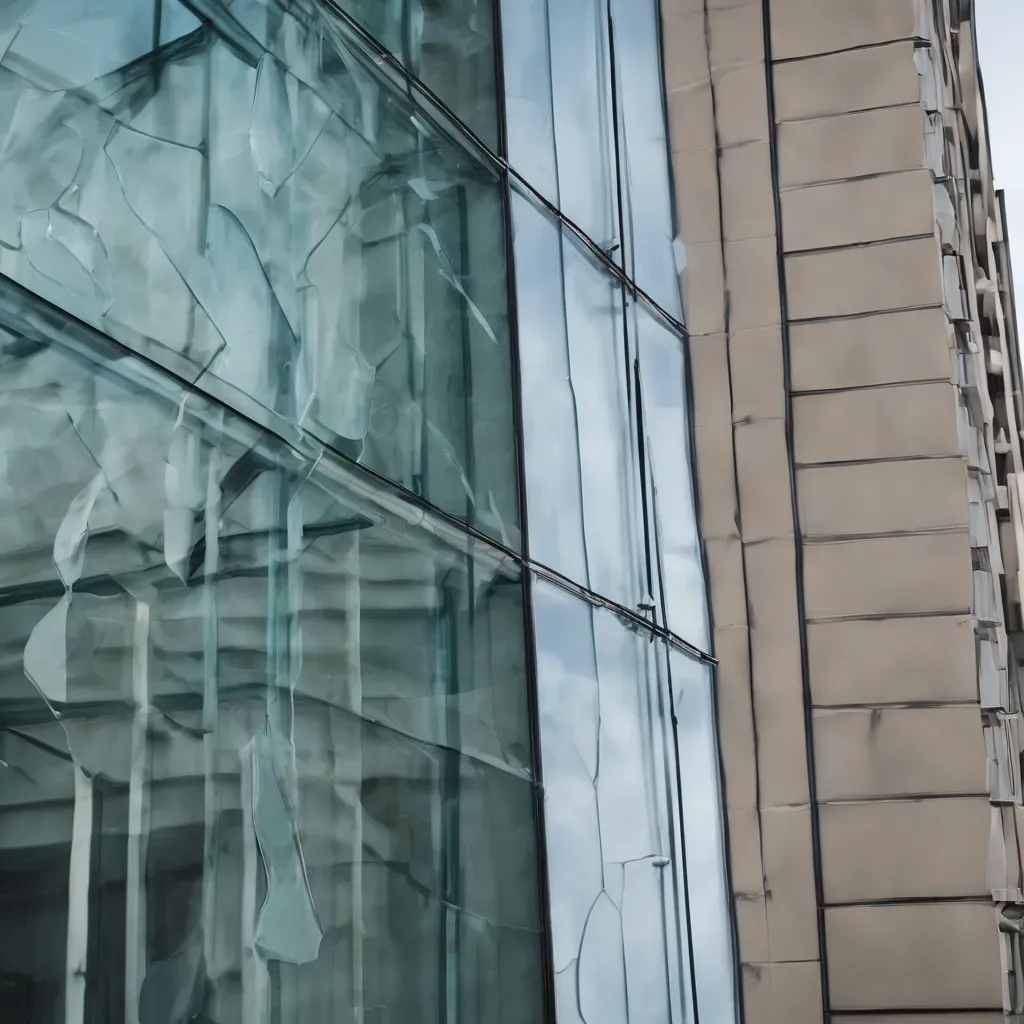
The most obvious sign that it’s time to replace your building glass is visible damage. Cracks, chips, or deep scratches not only ruin the beauty of the glass but can also compromise its structural integrity. Over time, even small cracks can expand due to temperature changes, physical stress, or exposure to moisture.
More importantly, damaged glass is a safety hazard. A single impact at a weak point could lead to shattering. To avoid potential harm or accidents, consider replacing damaged glass as soon as possible. For spaces that rely heavily on creative and fun design features—such as art galleries, studios, or modern offices—flawless glasswork is essential. Investing in pristine glass helps maintain the polished aesthetic your building deserves.
2. Fogging or Condensation Between Glass Panels
Double- or triple-glazed windows are celebrated for their superior insulation qualities. However, when condensation or fog appears between the layers of the glass, it’s a red flag. This typically indicates a seal failure, where the gas-filled cavity between panes has been compromised.
Not only does this reduce your building’s energy efficiency, but it also diminishes the clarity of the glass. If your building incorporates artistic glass panels, the clouding effect can severely detract from the design’s vibrancy and visual appeal. Moreover, replacing the glass will restore both functionality and artistry to your space.
3. Drafts and Increased Energy Bills
Glass plays a pivotal role in maintaining a building’s energy efficiency, especially in modern structures where glass often dominates the facade. If you’re noticing drafts around your windows or an unexplained spike in utility bills, your building glass may be to blame. Faulty or aged glass is less effective at insulating interiors from outdoor temperatures.
Upgraded glass options, such as insulated or low-emissivity (Low-E) glass, not only enhance energy savings but also look sleek and stylish. In architecturally intricate spaces that blend function and artistic expression, energy-efficient glass ensures comfort without sacrificing aesthetics.
4. Noise Pollution
Do you hear traffic, construction noise, or other outdoor disturbances creeping into your space despite closed windows? Poor acoustic insulation is a telltale sign that your glass needs replacing. This is particularly important for commercial buildings located in bustling urban centers or homes near busy roads.
Modern glass innovations, such as laminated or acoustic glass, can drastically reduce noise penetration. If your building’s design incorporates Art & Glass concepts—where creativity and tranquility meet—enhancing soundproofing with replacement glass can elevate the entire experience of the space.
5. Evident Discoloration or Warping
Discoloration or warping in building glass can be caused by prolonged UV exposure, environmental factors, or aging materials. Tinted and specialty glass used for artistic or dramatic design elements can lose their luster over time, detracting from the overall charm of the building.
For those who value craftsmanship in architectural glass, maintaining clarity and vibrancy is key. Whether it’s a beautifully stained-glass window or a modern etched-glass installation, replacing glass that shows signs of aging will ensure your building remains a work of art.
6. Outdated Design or Technology
Time moves on, and so do design trends and technological advancements. Glass that once felt contemporary can start to appear dated or fail to meet current building standards. For instance, single-pane windows may no longer align with energy codes or green building initiatives. Additionally, the market now offers artistic glass options that incorporate advanced technology, such as switchable smart glass or solar control glass.
Replacing outdated glass is an opportunity to reimagine your space. A contemporary upgrade, perhaps with a nod to artistic elements, can transform a building’s interior and exterior appeal. For inspiration on designing with glass, feel free to explore Glassy’s offerings, a hub of ideas for artful and functional glass solutions.
7. Compromised Security
Older glass panels may lack the robust security features available in modern glazing. Laminated safety glass, toughened glass, or even bullet-resistant glass are now commonly used in buildings where security is paramount. If you manage a property housing priceless artwork or sensitive materials, upgrading to higher-security glass is essential.
Additionally, incorporating custom-designed glass can combine aesthetics with function, ensuring a secure environment without sacrificing artistic appeal. For curated window designs that balance style and security, Glassy is a resource worth exploring.
8. Desire to Create a More Artistic or Inviting Space
Glass is a versatile medium for expressing creativity and enhancing ambiance. If your building’s current glass does little to inspire or impress, it might be time to upgrade to a more artistic alternative. Frosted designs, etched patterns, stained glass, and even abstract installations can add a layer of visual storytelling to your property.
Art & Glass are natural partners—both celebrate light, form, and texture in ways that elevate our perception of space. Whether it’s a home improvement project or a larger architectural refresh, investing in artistically crafted glass can transform any building into a masterpiece.
Final Thoughts
Glass is not just a backdrop; it’s an integral element of modern design and architecture. Recognizing when to replace it is essential for enhancing both the functionality and beauty of your building. From visible damage and reduced energy efficiency to outdated designs, the signs are often clear—and addressing them promptly is always worthwhile.
Whether you prioritize energy savings, enhanced security, or introducing a touch of artistry, upgrading your building glass creates a noticeably positive impact. With professional glass solutions available, like those offered by Glassy, reimagining your building’s glass has never been easier.
Keep your building looking elegant, functioning efficiently, and feeling secure by replacing its glass when the time is right. After all, superior glass doesn’t just protect—it reflects innovation, creativity, and care for the spaces we live and work in.# Signs It’s Time to Replace Your Building Glass
Building glass plays a vital role in modern architecture and interior design, impacting both the aesthetics and functionality of a space. Whether it’s a sleek glass façade that reflects the skyline, vibrant art glass installations, or floor-to-ceiling windows in your home, glass adds elegance, light, and a contemporary edge to any structure. However, like all architectural elements, building glass doesn’t last forever.
Knowing when to replace your building glass is crucial for maintaining safety, efficiency, and design integrity. Below, we explore the key signs that it’s time for a replacement and why replacing outdated glass might refresh not only the appearance but also the performance of your building.
1. Visible Damage or Cracks
One of the most obvious signs it’s time to replace your building glass is visible damage, such as cracks, chips, or scratches. These seemingly small imperfections aren’t just an aesthetic issue—they can also compromise the structural integrity of the glass. Over time, cracks may worsen due to environmental stressors like temperature changes, leading to potential hazards.
Additionally, damaged glass can ruin the visual harmony of a space. For instance, in art and glass designs, even a minor flaw can disrupt the intended patterns or shapes, undermining the creative vision behind the installation. Promptly replacing damaged glass ensures safety while restoring the beauty of your architecture or interiors.
2. Foggy or Cloudy Appearance
Does your glass have a persistent foggy or cloudy appearance that can’t be cleaned away? This issue is common with double-glazed windows and indicates a failure in the seal. When the seal between the panes breaks, moisture and condensation can form between the layers, leading to a permanently fogged glass.
This condensation not only obstructs views but also reduces the insulating properties of the glass. Replacing the foggy glass not only resolves the visual hindrance but also enhances energy efficiency—a must for residential and commercial buildings alike.
3. Energy Efficiency Concerns
Building glass plays an integral role in regulating indoor temperature by insulating against heat and cold. Older or single-pane glass may not have the thermal efficiency needed for modern energy standards, leading to higher heating and cooling bills. If your interior feels too cold in winter or unbearably hot in summer despite a functioning HVAC system, outdated glass could be the culprit.
When replacing your building glass, consider energy-efficient options like double or triple-glazed glass with low-E coatings. These not only boost insulation but also contribute to sustainable design practices, reducing your carbon footprint while delivering long-term energy savings.
4. Compromised Security
Security is an essential consideration for any building, and aging or weak glass could pose a significant risk. Outdated glass is often more susceptible to breakage compared to modern, high-performance alternatives like laminated or tempered glass.
For commercial spaces or homes in high-traffic areas, upgrading to security glass not only enhances safety but can also reduce the risk of burglaries or accidental injuries. Additionally, incorporating art glass elements into your secure fixtures can add a personalized, decorative touch without sacrificing durability.
5. Outdated Aesthetic
Design trends evolve rapidly, and architectural elements like glass are no exception. If your building features dull, outdated glass panels that no longer complement modern design sensibilities, it may be time for an upgrade.
For design enthusiasts, replacing outdated glass creates an opportunity to experiment with creative solutions like frosted finishes, tinted shades, or stunning art glass that elevates your décor. Whether it’s adding a splash of color or introducing intricate textures, the possibilities with glass are endless, allowing you to refresh your space while adding a touch of artistic flair.
Feeling inspired? Discover innovative glass design solutions today at Glassy.
6. Increased Noise Levels
If you’ve started to notice more outdoor sounds infiltrating your interiors, your building glass might no longer be providing the acoustic insulation it once promised. Modern glass technologies—such as double-glazed or laminated acoustic glass—can significantly reduce noise pollution, creating a more serene environment.
This is especially important in urban spaces, where peace and quiet are hard to come by. Replacing outdated glass with soundproof alternatives achieves a dual purpose: enhanced comfort and a refined atmosphere within your building.
7. Warping or Uneven Frames
Sometimes, the signs you need to replace building glass don’t come from the glass itself but from the surrounding framework. Warped or misaligned frames can place uneven pressure on the glass, leading to stress fractures or inefficient sealing.
Replacing your glass along with a proper restoration of the framework ensures your windows and doors function optimally. Moreover, improvements like sleek, modern frames paired with high-performance glass can significantly enhance a building’s curb appeal.
8. Moisture Problems in Interiors
Leaky or outdated glass can result in moisture infiltration, leading to bigger concerns like mold growth, warped flooring, and structural damage. If you notice damp patches near windows or condensation forming on the interiors of your glass, it’s time to address the problem.
Newer glass installations with advanced sealing systems can offer a watertight solution while improving overall insulation. This replacement is not just about maintenance; it’s about protecting your investment in the long run.
9. Desire for Enhanced Functionality
Sometimes, replacing your building glass isn’t about damage—it’s about upgrading to meet modern needs. Transitioning to smart glass or switchable privacy glass, for instance, allows you to control light and visibility at the flick of a switch. These advancements blend technology and functionality, making glass a more interactive feature of your space.
For those drawn to design innovations, there’s also the avenue of incorporating art glass into functional elements like partitions, skylights, or doors—seamlessly merging functionality with exquisite artistry.
Explore cutting-edge glass technology and artistic concepts at Glassy.
Embracing Change with Building Glass
The decision to replace building glass is not merely about troubleshooting—it’s about embracing new opportunities for innovation in design, functionality, and sustainability. Whether you’re dealing with damaged panes, rising energy bills, or simply outgrowing the aesthetic of your current setup,