
Technology
How Bend Glass is Made: Step-by-Step Guide
How Bend Glass is Made: A Step-by-Step Guide
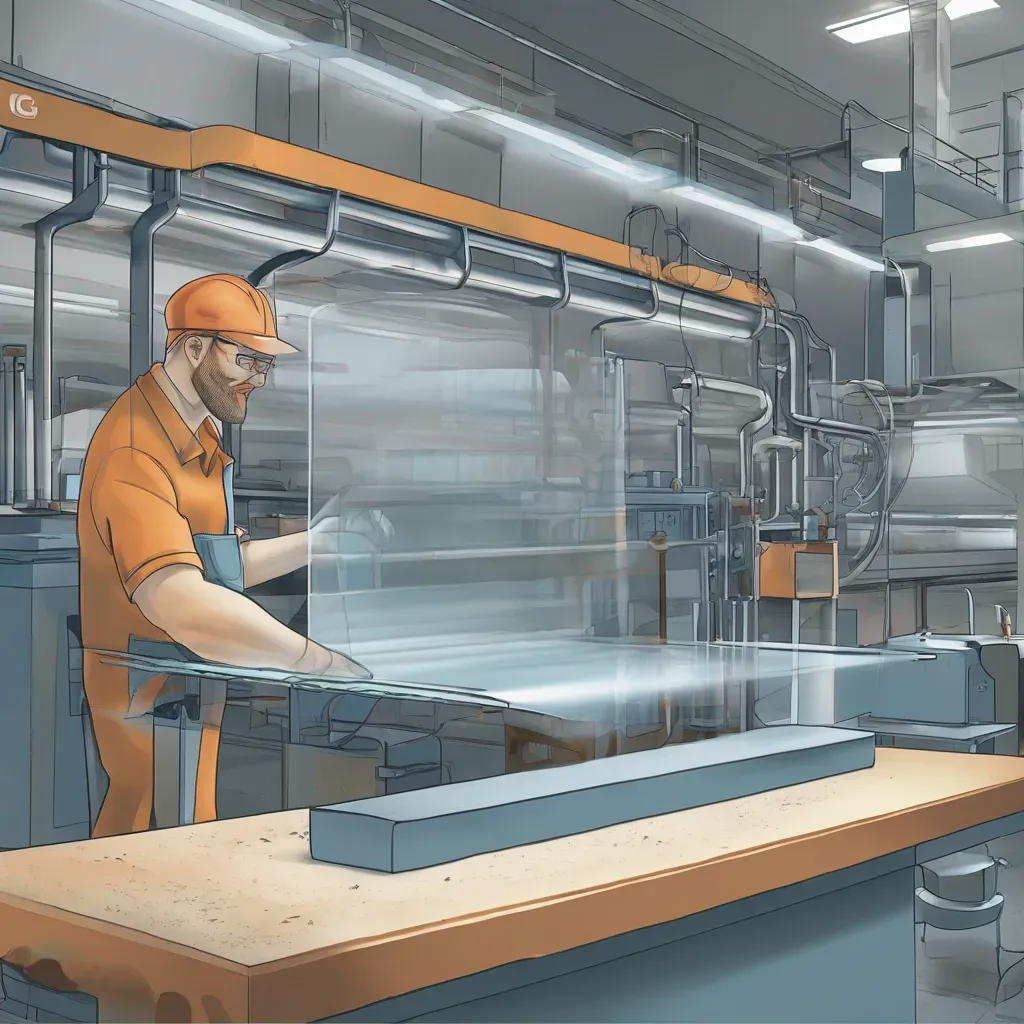
Glass is an incredibly versatile material, used in everything from elegant interior designs to complex architectural projects. Among its many artistic applications, bend glass stands out as a unique and stunning element in the world of art and glassmaking. Its curved, sculptural forms offer endless possibilities for creative expression and functionality. But how exactly is bend glass created? In this guide, we’ll take you through the detailed process of how bend glass is made and explore why it’s such a fascinating medium for both designers and artists.
What Is Bend Glass?
Bend glass, often referred to as curved or curved-in-planar glass, is flat glass that has been heated and shaped into a desired curvature. It’s commonly used in applications like furniture design, architectural structures, decorative art pieces, and even automotive components. The process combines the science of heat and precision with the artistry of design, making it a respected craft in the world of art and glass.
The Step-by-Step Process of Making Bend Glass
The production of bend glass may seem like magic, but it’s actually a highly controlled, technical process. Here’s an inside look at the step-by-step procedure that transforms flat glass into beautiful curved masterpieces.
1. Selecting the Right Glass
The journey of bend glass begins with selecting the appropriate type of flat glass. The choice depends on the end use – whether it’s for architectural panels, intricate sculptures, or functional items like curved shelves or tabletops. Common options include tempered glass, laminated glass, and float glass. Each of these materials behaves differently under heat and stress, so careful consideration is a must in this initial step.
2. Cutting the Glass to Size
Once the glass has been selected, it is cut to the precise dimensions specified in the design. This ensures that the bending process achieves the exact shape needed without unnecessary complications. High-precision tools like CNC cutters (computer numerical control) are often used to achieve sharp and accurate results.
3. Preparation and Cleaning
The glass surface must be meticulously cleaned before moving further. Any dust, grease, or imperfections on the glass could impact the quality of the final product. Cleaning prevents potential flaws like air bubbles or structural weakness during the bending process.
4. Placing the Glass Into the Mold
At the heart of creating bend glass lies the use of molds. These molds are specially designed forms that define the curvature of the final glass piece. The glass sheet is carefully placed onto or into the mold, depending on whether gravity or pressure will achieve the shaping during the heating process. The mold must be engineered to withstand extreme heat while maintaining its structural integrity.
5. Heating in a Furnace
The magic truly begins inside the furnace. The mold, along with the glass sheet, is heated to a high temperature—typically between 600-700°C (1,112-1,292°F). This is the temperature range where glass transitions into a softened state, making it malleable enough to take on the shape of the mold. Experts carefully control the heating process to avoid overheating, which could lead to deformation, or underheating, which might yield incomplete curves.
6. Bending the Glass
Once the right temperature is reached, gravity or mechanical devices gently shape the now-soft glass along the contours of the mold. This stage requires finesse and careful timing to ensure the curve is smooth and uniform. For certain designs or projects, artisans may manually assist in shaping the glass, combining technical expertise with the artistry of handcrafting.
7. Cooling and Annealing
After being shaped into the desired curve, the glass undergoes a process called annealing. Here, it is slowly cooled in a controlled environment to relieve internal stresses that form due to heating and shaping. This stage is critical to ensuring the durability and safety of the finished bend glass. Improper annealing can result in the glass cracking or breaking.
8. Finishing Touches
Once the annealing process is complete, the curved glass is removed from the mold and inspected for quality. Any rough or sharp edges are smoothed out using grinding or polishing techniques. Depending on the intended application, additional treatments such as lamination, UV coating, or sandblasting might be applied to enhance the functionality or appearance of the glass.
9. Final Assembly and Use
When all the finishing touches are complete, bend glass is ready for its purpose. Whether it becomes part of a stunning architectural feature, a contemporary design element, or a work of art, the result is a perfect example of how science and creativity unite in glassmaking.
Applications of Bend Glass: Marrying Art and Functionality
Bend glass isn’t just about aesthetics; its practicality makes it a sought-after material in various applications:
- Interior Design: Curved glass balustrades, shower enclosures, and tabletops elevate modern interiors with their sleek, elegant look.
- Architectural Designs: From building facades to skylights, bent glass allows for innovative structures that break the monotony of straight lines.
- Art and Sculptures: Artists often use bend glass to craft unique sculptures, installations, or display cases that catch light and create mesmerizing effects. Explore more artistic possibilities in glass design here.
Why Bend Glass Is Special
Bend glass is a testament to how age-old materials can be transformed into modern design masterpieces. It’s a medium where art and glass meet, offering endless potential for creativity. With its ability to combine beauty and functionality, it opens new doors for architects, interior designers, and artists alike.
Looking for original, high-quality bend glass for your next project? Discover innovative designs and solutions with Glassy.
In conclusion, whether you’re an artist looking for inspiration, an interior designer crafting modern spaces, or an architect aiming to push boundaries, the process of bending glass is both a technical marvel and a celebration of artistry. With the right techniques and vision, bend glass transforms ordinary spaces into something truly extraordinary. # How Bend Glass is Made: A Step-by-Step Guide
Bend glass, also referred to as curved glass, is a stunning material that combines functionality with artistic expression. It plays an increasingly vital role in architecture, interior design, and art installations due to its versatility and aesthetic appeal. From bespoke furniture pieces to striking architectural elements, bent glass captures the imagination of architects, designers, and artists alike. If you’ve ever marveled at gracefully curved glass in a storefront, a luxury interior, or an art exhibit, you might wonder how such elegant forms are created. Let’s dive into the step-by-step process of how bend glass is made, unraveling this fascinating art and science.
The Science of Bending Glass
Before we explore the step-by-step guide, it’s important to understand the basic science behind bending glass. Glass, in its solid state, is brittle and inflexible. However, when heated to high temperatures—between 500°C and 750°C—it becomes malleable and can be shaped into almost any form. This process, known as “glass bending” or “slumping,” requires precision, skill, and advanced equipment to maintain the glass’s clarity, strength, and structural integrity.
Whether used in art installations or architectural design, the bent glass manufacturing process is intricately engineered to balance creativity with technical prowess.
Step-by-Step Guide to Making Bent Glass
Step 1: Planning and Design
The process of creating bend glass begins with a detailed design plan. Designers, architects, or clients collaborate with glass manufacturers to determine the size, curvature, thickness, and desired end use of the glass. Tools like CAD (Computer-Aided Design) software are often employed to create digital models that ensure every detail is accounted for. The design blueprint is crucial, as even slight variations in specifications can alter the success of the finished product.
This step is where the artistry meets functionality. Designers envision how the bent glass will complement the surrounding space—whether it’s part of a gallery installation, a sculptural centerpiece, or a contemporary façade in architecture.
Step 2: Selecting the Glass
Once the design is confirmed, the type of glass must be chosen. Most bend glass is made using soda-lime glass due to its excellent transparency and durability. For specific projects, other types of glass, like borosilicate (known for its heat resistance) or specialty low-iron glass (renowned for its ultra-clear finish), might be selected.
The thickness of the glass is another important consideration. Thicker glass is often used for structural or load-bearing purposes, while thinner glass works well for decorative or artistic elements.
Step 3: Cutting the Glass to Size
The raw glass sheets are precisely cut to size using advanced tools and techniques. Exactness is paramount during this step, as any error in cutting can compromise the end result. The edges of the glass are often smoothed or polished to prevent cracking and ensure a seamless finish.
Step 4: Heating the Glass in a Furnace
The magic of bending glass truly begins in the furnace. The precut glass is placed in a bending mold—a carefully crafted template that dictates the shape and curvature of the final product. The mold can be made of heat-resistant materials like ceramic, metal, or refractory plaster.
The assembled mold and sheet are loaded into a kiln or furnace, where the temperature is gradually increased. Controlled heating is crucial to avoid thermal stress, which can cause the glass to crack or shatter. Depending on the complexity of the project, the glass may be heated to temperatures between 500°C and 750°C.
As the furnace temperature rises, the glass reaches its “plastic state”—a phase where it becomes soft and can effortlessly conform to the mold’s contours. This stage exemplifies the perfect intersection of science and art.
Step 5: Cooling (Annealing)
Once the desired shape is achieved, the glass must be cooled gradually, a process known as annealing. Rapid cooling can lead to internal stresses within the glass, causing cracks or brittleness. During annealing, the temperature inside the furnace is slowly reduced over several hours to allow the glass to stabilize and harden evenly.
This meticulous cooling process ensures that the final bent glass is both durable and resistant to thermal shock, making it suitable for long-term use in demanding applications such as architecture and interiors.
Step 6: Finishing and Customization
After annealing, the bent glass is ready for finishing touches. This step involves grinding, polishing, or beveling the edges to achieve a flawless surface. Additional customizations, such as sandblasting, coating, or painting, can be applied to match the creative vision of the client or artist.
For example, bent glass used in artistic projects may feature textured patterns or colored layers, while glass for industrial or architectural purposes may have UV protection or anti-reflective coatings.
Step 7: Installation
The final step is installing the finished product in its designated space. Whether integrated into a modern staircase, used as part of a luxury shower enclosure, or displayed in a public art gallery, bent glass always adds a sense of sophistication and beauty to its surroundings.
Applications of Bent Glass in Art and Design
Bent glass is celebrated for its ability to merge aesthetics with functionality. Architects incorporate curved glass into modern structures to achieve dynamic shapes and maximize natural light. Interior designers use it in furniture pieces, such as elegant coffee tables, dividers, or decorative sculptures. In the realm of art, bent glass becomes an expressive medium, allowing artists to push creative boundaries and craft breathtaking installations.
For example, a gallery might feature curved glass panels etched with intricate designs, blurring the line between functional architecture and fine art.
Why Bent Glass is a Game-Changer in Design
The versatility of bent glass lies in its ability to transform rigid geometry into fluid elegance. It introduces a sense of movement and dimension to spaces, making it a sought-after element in contemporary architecture and interior design. Additionally, its strength and sustainability as a material mean that it can be reused or repurposed, resonating with environmentally conscious practices.
To explore a wide array of stunning glass solutions for your next project, visit Glassy. Their expertise in custom glass fabrication ensures that your creative vision comes to life.
For more innovative glass applications and inspirations, check out the latest collections at Glassy.
Bent glass is more than just a material; it’s a canvas for artistry and a cornerstone of modern design. By mastering the technical and creative aspects of glass bending, manufacturers and designers create timeless works that continue to inspire and captivate. Whether you’re an artist, designer, or simply an admirer of fine craftsmanship, bend glass opens up a world of aesthetic possibilities.