
Heat Resistant Glass vs Normal Glass: Key Differences
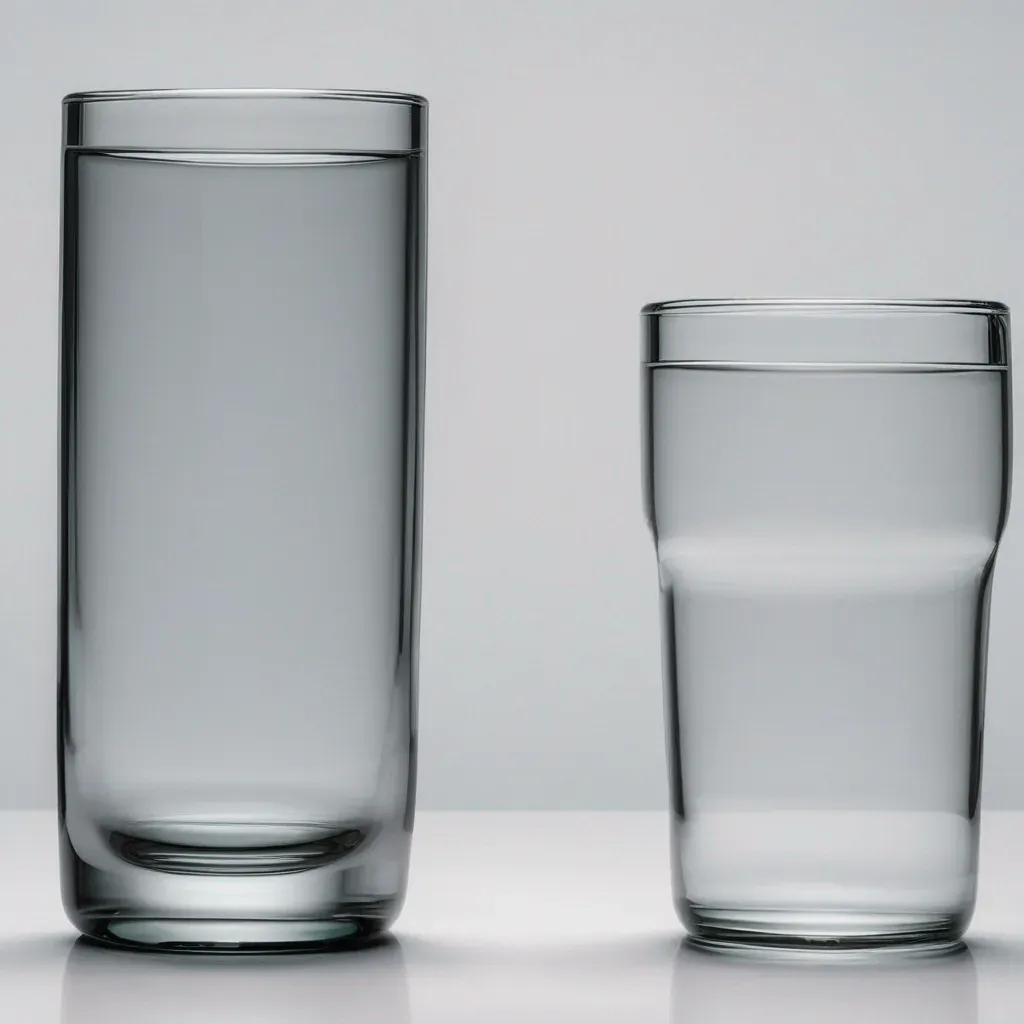
Heat Resistant Glass vs Normal Glass: Choosing the Right Option for Your Needs
Glass plays a vital role in our modern world, both as a functional material and an artistic medium. From its presence in homes as a utilitarian product to its transformative role in creating aesthetic masterpieces, glass is a true marvel of design and engineering. When it comes to choosing the right glass for a specific purpose, especially in the realms of interior design, architecture, and the art world, understanding the differences between heat resistant glass and normal glass can make all the difference.
Whether you’re a homeowner seeking safety and style or an artist crafting unique creations with glass, this guide dives deep into the comparison of these two types of glass, with a focus on their applications, durability, and versatility.
What is Normal Glass?
Normal glass, often referred to as “annealed glass,” is the standard glass you’ll find in everyday applications — think windows, mirrors, drinking glasses, and decorative pieces. It’s manufactured by cooling molten glass slowly to ensure there are no internal stresses. This creates a smooth, transparent sheet that is ideal for general-purpose use.
While it has its strengths, normal glass is not designed to endure high heat or sudden temperature fluctuations. Its molecular structure is stable only under moderate conditions, and it is prone to cracking or shattering when exposed to extreme changes in temperature.
For example, if a standard glass pane is exposed to direct sunlight and then splashed with something cold, thermal shock could cause it to break. In artistic glass installations or certain design projects, this brittleness can limit its use in specific settings.
The Rise of Heat Resistant Glass
On the other hand, heat resistant glass is engineered for situations where high temperatures or rapid temperature changes are likely. Often crafted from borosilicate materials or tempered glass, heat-resistant glass boasts superior strength and durability compared to its normal counterpart.
Borosilicate glass, for example, contains silica and boron trioxide, which reduces the glass’s thermal expansion. This composition allows it to withstand sudden fluctuations in temperature without breaking, making it a popular choice in cookware, laboratory equipment, and even contemporary art installations that explore themes of fire or heat.
Similarly, tempered heat-resistant glass undergoes a thermal process that strengthens it. Not only is it more resistant to temperatures, but if it does break, it crumbles into small, blunt pieces rather than dangerous shards, improving safety.
Heat Resistant Glass vs Normal Glass: Key Differences
1. Heat Resilience
- Normal Glass: Fails to withstand high heat or sudden temperature fluctuations, making it unsuitable for environments exposed to heat.
- Heat Resistant Glass: Designed for high-temperature environments, making it a safer choice for applications like stove-tops, ovens, and architectural features exposed to the sun’s rays.
2. Durability
- Normal Glass: Prone to cracking or shattering under stress.
- Heat Resistant Glass: Highly durable, with greater resistance to impact and thermal shock.
3. Applications
- Normal Glass: Suitable for windows, picture frames, decorative panels, and everyday objects like glasses and plates.
- Heat Resistant Glass: Ideal for architectural purposes such as skylights, facades, and even intricate art and sculpture projects requiring heat tolerance.
4. Thickness and Weight
- Heat resistant glass is generally more robust and often slightly heavier, depending on its application. This means it might require special installation techniques, especially in architectural contexts.
5. Artistic Potential
- In the world of art & glass, heat resistant glass offers a wider spectrum of creative freedom. Glassblowers, for instance, often rely on borosilicate and tempered glass to mold fiery art pieces because of this material’s ability to endure extreme heat. Normal glass might limit an artist’s ability to explore bold designs that incorporate fire or other heating processes.
Why Choose Heat Resistant Glass?
If your project involves even a small amount of heat exposure or requires robust durability, heat resistant glass is a worthwhile investment. Its benefits go beyond just functionality — it also adds significant value to architectural and artistic endeavors.
For instance, in modern interior design, heat resistant glass is often used to craft sophisticated partitions, countertops, and fireplace panels that combine elegance with practicality. Imagine a sleek, flame-resistant glass table or a transparent fireplace screen that doubles as a work of art. These are just a few possibilities that highlight the interplay between design and durability.
Additionally, customers are increasingly valuing safety alongside aesthetics, particularly in household environments. Tempered heat-resistant glass can be both visually stunning and child-friendly, making it an ideal fit for modern homes aiming to blend beauty with function.
When Does Normal Glass Make Sense?
Of course, there’s no denying that normal glass has its place. It’s cost-effective, light, and ideal for low-stress environments. A great deal of art & glass installations feature normal glass for its crystal-clear transparency and ease of manipulation in simpler designs. For smaller decorations or where thermal conditions are constant, normal glass shines as an affordable and reliable solution.
However, if you’re creating something that must endure the elements — or baking in the ideas of heat and danger into your artistic works — heat resistant glass is the medium that truly lets you push boundaries.
Where to Find Heat Resistant Glass
When it comes to sourcing high-quality, durable glass for your next project, be it architectural or artistic, it’s important to rely on trusted suppliers. Glassy offers an excellent range of glass products, tailored to both functional and aesthetic needs. With a focus on quality craftsmanship, they provide solutions that cater to innovative design and modern architecture.
To elevate your creative vision or build safer, more durable interiors, check out their product range and discover how the right glass can transform your spaces and projects.
Final Thoughts
Choosing between heat resistant glass and normal glass is not just a technical decision — it’s a creative and functional one. For architects, designers, or artists working on projects requiring heat tolerance, durability, and beauty, heat resistant glass is the undeniable winner. Its ability to withstand extremes while offering aesthetic flexibility ensures that it has a place in both practical applications and artistic exploration.
However, for classic applications or areas with minimal exposure to stress and heat, normal glass holds its ground as a timeless, cost-effective material.
Whether your focus is on art, interiors, or innovative architectural design, understanding the strengths of both glass types will guide you in making the right decision every time.# Heat Resistant Glass vs Normal Glass: A Comprehensive Guide to Choosing the Right Material
When it comes to glass, its aesthetic appeal and versatility are undisputed, capturing the imagination of artists, architects, and designers alike. Whether it’s the sleek lines of modern interiors or intricate art installations, glass plays a vital role in enhancing both form and function. However, not all glass types are created equal. For projects requiring durability and heat resistance, understanding the differences between heat resistant glass and normal glass is crucial. Let’s dive into the key distinctions, use cases, and qualities of these two types of glass.
What is Heat Resistant Glass?
Heat resistant glass, as the name suggests, is specifically engineered to withstand high temperatures without cracking, warping, or losing its structural integrity. This type of glass is made by incorporating compounds like borosilicate, which provide superior thermal endurance compared to normal glass. You’ll often find heat resistant glass in applications such as fireplaces, cookware, industrial settings, and even contemporary art installations where both functionality and design count.
What is Normal Glass?
Normal glass—commonly referred to as annealed glass—is what most people encounter in everyday applications, such as windows, picture frames, and decorative mirrors. While visually appealing, this type of glass is not designed to handle extreme temperature fluctuations or pressure. Its manufacturing process renders it susceptible to thermal shock, making it prone to cracking or shattering under high heat or rapid temperature changes.
Key Differences Between Heat Resistant Glass and Normal Glass
Below are some of the primary factors that set heat resistant glass apart from normal glass:
1. Thermal Endurance
- Heat Resistant Glass: Designed to handle temperatures ranging between 300°C and 700°C (depending on the type), making it ideal for applications like stovetops, oven doors, and fireplaces. It won’t crack or shatter under extreme heat conditions.
- Normal Glass: Normal glass usually begins to soften when subjected to temperatures above 100°C and can shatter when exposed to sudden temperature shifts.
2. Durability
- Heat resistant glass is significantly stronger in terms of withstanding stress, even in adverse environments. It undergoes a specialized annealing or tempering process to enhance its robustness.
- Normal glass, while functional in controlled environments, is less durable and can break under pressure or sudden impact.
3. Applications
- Heat Resistant Glass: Found in industrial plant equipment, lab environments, and architectural fixtures like skylights and glass walls where high temperatures are a factor.
- Normal Glass: Best suited to low-impact, everyday applications like residential windows, decorative displays, and small artistic projects.
4. Artistic and Decorative Potential
- Heat resistant glass not only ensures safety but is also frequently used in avant-garde art & glass installations. Artists and designers working on functional art pieces often prefer it for its thermal stability and strength.
- Normal glass is excellent for traditional art forms such as stained glass windows, mirrors, or framed wall art, where heat resistance is not a primary concern.
Why It Matters for Art, Interiors, and Architecture
Glass is not just a practical material but also an artistic medium capable of transforming spaces. When designing bespoke architectural installations or creating glass sculptures, understanding the nature of your medium is essential. Heat resistant glass and normal glass each bring unique strengths to the table.
In Art
For artists working with heat-related processes—such as glassblowing, kiln work, or sculpture—heat resistant glass is a medium of choice. Its ability to withstand high temperatures aligns perfectly with the demands of artistic creation, particularly for large-scale structures.
Normal glass, on the other hand, remains a staple for decorative artworks like mosaics, leaded glass, and hand-painted panels. Its accessibility and affordability allow for endless creative experimentation.
In Design and Interiors
In modern interior design, the choice between heat resistant glass and normal glass often comes down to functionality and aesthetics. Consider these examples:
-
Heat Resistant Glass: Perfect for functional design elements such as fireplace screens, kitchen backsplashes, or glass countertops that are exposed to heat. For instance, heat-resistant glass backsplashes have become a contemporary design feature, combining practicality with clean lines.
-
Normal Glass: An excellent choice for interior partitions, shower enclosures, and table tops where heat or thermal stress is not a concern.
For more inspiration on how to incorporate different types of glass into your design, visit Glassy, a resource dedicated to all things glass, from creative installations to functional uses.
Environmental Implications
Another aspect worth considering is the environmental impact of these glass types. Heat resistant glass generally requires a more energy-intensive production process, but its durability and long lifespan can make it a more sustainable option for specific applications. Normal glass, while easier to produce and recycle, is less robust, often leading to replacement sooner.
Upcycling and repurposing glass—whether heat resistant or not—has also become a growing trend in today’s eco-conscious art and interior designs. By giving discarded glass a second life, creative professionals can contribute to sustainable art and design.
Final Thoughts: Choosing Between Heat Resistant Glass and Normal Glass
Selecting the right type of glass ultimately depends on your intended use and specific project requirements. If your project involves significant exposure to high temperatures, such as in kitchens, fireplaces, industrial setups, or large-scale art installations, heat resistant glass should be your go-to choice. Its superior strength and thermal endurance allow it to handle intense environments gracefully.
However, for projects emphasizing aesthetics, like decorative art or interior design where heat resistance is not a factor, normal glass is often sufficient. Its affordability and versatility make it a popular option for a wide variety of creative and functional applications.
For more insights on choosing the right glass for your next project, explore Glassy, a comprehensive guide for homeowners, artists, and designers looking to elevate their spaces with innovative glass solutions.
Whether you’re an artist crafting your next masterpiece or an architect redefining spaces, understanding the key differences between heat resistant glass and normal glass ensures your creation is as durable as it is beautiful. Glass truly is a canvas for expression, combining art, function, and inspiration seamlessly.