
Glass Solutions for Enhanced Natural Ventilation
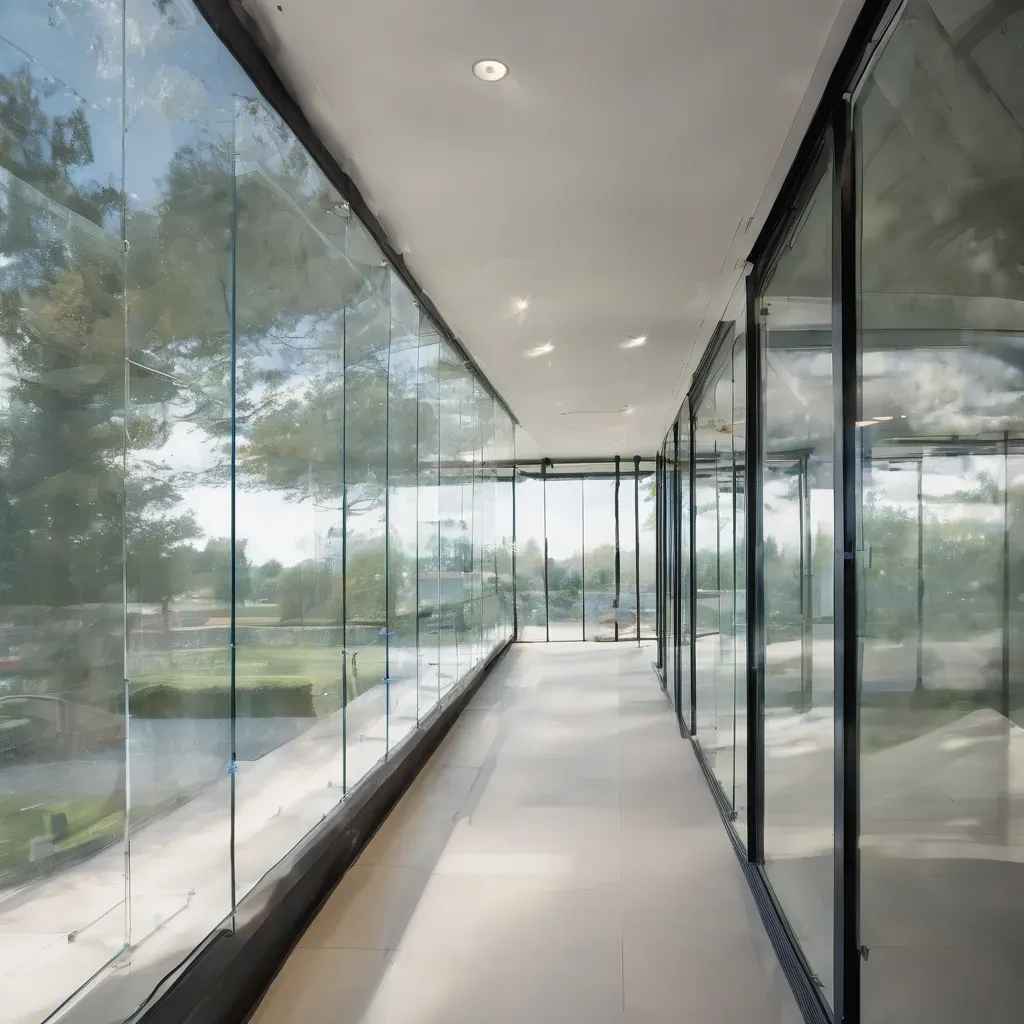
How Glass Improves Natural Ventilation in Buildings
In the world of art and architecture, glass has long been celebrated for its aesthetic appeal, functionality, and ability to bridge the gap between the indoors and outdoors. Beyond its beauty and versatility in design, glass plays a vital role in improving natural ventilation in modern buildings. Whether it’s for homes, offices, or public spaces, incorporating glass strategically into architectural design can redefine how we optimize air circulation and create sustainable spaces. Let’s dive into the mechanics and artistry behind how glass enhances natural ventilation in buildings, offering both practical benefits and opportunities for creative expression.
The Role of Glass in Ventilation and Airflow
Natural ventilation is a critical element of green building design, helping regulate indoor air quality and temperature without overreliance on energy-intensive systems like air conditioning. Glass allows architects to achieve this efficiently by acting as a conductor of light and air movement when combined with the right design elements, such as operable windows, louvered panels, or sliding glass doors. Its innate transparency doesn’t just create a visual connection to the outdoors but also facilitates airflow in ways that traditional materials cannot replicate.
When strategically positioned, glass allows for cross-ventilation, where air flows freely through a structure, reducing humidity and heat buildup. By leveraging glass in window design, skylights, or even innovative art-inspired architectural installations, architects and designers can create buildings that breathe, literally and figuratively.
Designing for Optimal Natural Ventilation with Glass
-
Operable Glass Windows
One of the simplest yet most effective ways to incorporate natural ventilation is through operable glass windows. Sliding, awning, or casement glass windows are not only visually appealing but also maximize airflow when opened. They provide flexibility in adjusting the level of ventilation, depending on weather conditions or individual needs. With advancements in glass technology, modern windows also ensure energy efficiency by maintaining insulation when closed. -
Glass Facades and Cross-Ventilation
Large glass facades and curtain walls are often associated with contemporary architectural aesthetics. However, they also play a functional role in creating healthy airflow. By integrating vent openings at strategic locations within these structures, architects can facilitate cross-ventilation where fresh air is drawn in from one side of the building and stale air exits from another. The result is a continuous flow that naturally cools and refreshes the interior spaces. -
Skylights and Roof Ventilation
Skylights made of glass are more than just a source of natural light. When designed as part of a ventilation strategy, vented skylights act as “chimneys” by allowing warm, rising air to escape at the roof level. Cooler air is then drawn in at lower levels, creating a natural cooling system. These overhead installations also add an artistic dimension, infusing spaces with soft, filtered lighting and an open, airy ambiance. -
Louvered Glass Panels
Perfectly blending functionality with artistic design, louvered glass panels offer another effective way to enhance natural ventilation. Beyond their ability to promote airflow, their sculptural appearance can contribute to building aesthetics — a true testament to the intersection of art and glass.
Benefits of Glass for Ventilation: A Balance Between Utility and Beauty
By integrating glass into building design for natural ventilation, architects and designers unlock a host of benefits that go well beyond its practicality.
-
Improved Indoor Air Quality: Proper ventilation removes harmful pollutants and allergens, ensuring healthier indoor environments. Glass windows and panels offer effective ways to keep the air circulating while maintaining visual openness.
-
Energy Efficiency: Structures designed for natural ventilation reduce the dependence on mechanical cooling systems. In this regard, glass plays a dual role by promoting airflow and enhancing natural lighting, which reduces energy consumption for artificial illumination.
-
Biophilic Design: Glass helps incorporate biophilic principles by connecting the indoors to outdoor elements. Amplifying natural airflow while providing views of trees, gardens, or open skies fosters better mental health and well-being for occupants.
-
Artistic Potential: Art & glass often come together to elevate functional design into a genuine form of expression. From stained glass windows that filter light in mesmerizing patterns to custom glass installations that blend whimsy with practicality, the creative possibilities with glass are endless.
Overcoming Challenges: Glass and Climate Control
While glass improves ventilation and adds unmatched visual appeal, poorly planned installations can lead to overheating during summer months or heat loss in winter. This is where advancements in glass technology come to the rescue. High-performance glazing solutions, such as double-glazed or low-emissivity (Low-E) glass, improve insulation while retaining all the benefits of natural light and ventilation. Incorporating shading elements like glass fins or blinds further enhances climate control without compromising airflow.
For more inspiration on how glass is transforming modern architectural practices, check out Glassy, where creativity and innovation converge to redefine what glass can do in building design.
Glass and Environmental Sustainability
Using glass to design for natural ventilation contributes directly to sustainable architecture. By reducing reliance on artificial cooling systems, buildings consume less energy, leaving a smaller carbon footprint. When combined with eco-friendly materials and renewable energy sources, glass becomes a cornerstone of green architecture.
Moreover, the versatility of glass allows for upcycling and recycling in artistic applications. Imagine transforming architectural glass panels into bespoke, functional art pieces that inspire and rejuvenate interior spaces — another way that art & glass continue to shape sustainable design practices.
Final Thoughts
Glass is not merely a construction material — it’s an integral part of the language of modern architecture. Its ability to improve natural ventilation in buildings showcases its practical benefits, while its aesthetic flexibility highlights its artistic potential. Designers and architects can experiment with an array of glass types — from transparent to frosted and stained — to strike a perfect balance between form and function.
Whether you’re embarking on a residential, commercial, or artistic project, understanding the role of glass in ventilation can empower you to craft spaces that are not only beautiful but also sustainable and breathable. To explore the latest in glass designs and ideas, visit Glassy — your destination for art, innovation, and architectural inspiration in glass.
By embracing glass as both a functional and artistic medium, we can create healthier, energy-efficient interiors that harmonize beautifully with the world around us. After all, in the art of architecture, the simplest materials — like glass — often inspire the most revolutionary ideas. # How Glass Improves Natural Ventilation in Buildings
In the world of architectural design, glass has long been celebrated for its aesthetic appeal and functionality. Beyond its capability to introduce light, enhance views, and amplify spaces, glass plays a critical role in optimizing natural ventilation within buildings. By combining art-inspired design with strategic functionality, glass transforms modern interiors and exteriors, merging beauty with purpose.
In this article, we’ll explore how glass improves natural ventilation in buildings, its impact on energy efficiency, and how it blends the art of design with science.
The Crucial Role of Glass in Natural Ventilation
Natural ventilation is a sustainable solution to regulate indoor temperatures, improve air quality, and reduce reliance on mechanical systems like air conditioning. Glass, with its versatile properties, is an ideal material for facilitating the exchange of fresh air while maintaining the integrity of a building’s aesthetic appeal.
1. Transparent Barriers That Invite Fresh Air
One of the most innovative uses of glass in architecture is its integration into vented systems, such as operable windows, skylights, or glass louvers. These glass installations allow spaces to “breathe” by enabling airflow while creating a seamless barrier between the indoors and outdoors.
For example, floor-to-ceiling glass windows can be operable, allowing occupants to control airflow and indoor climate naturally. When paired with strategic cross-ventilation designs, glass promotes optimal airflow pathways. This eliminates stale air, introduces fresh air, and maintains a healthier and more comfortable indoor environment without excessive dependence on artificial ventilation systems.
Energy Efficiency Through Glass
Glass is not only instrumental in ventilation but also in maintaining energy efficiency. When used thoughtfully, it acts as an ally to sustainable building practices. The use of high-performance glazing ensures that buildings remain naturally ventilated yet energy-efficient.
2. Double-Glazed and Smart Glass
Double-glazed or energy-efficient glass works in tandem with ventilation to improve thermal insulation. While operable glass windows allow airflow, energy-efficient glass ensures heat isn’t easily transferred between the building’s interior and exterior.
Moreover, innovations such as smart glass can adjust their opacity based on environmental conditions, providing shade during sunny days while enabling ventilation when needed. These features work toward reducing energy consumption in climate control systems.
By incorporating glass that serves both as ventilation access and an energy-saving component, architects are pushing the boundaries of sustainable design. As homeowners and designers embrace eco-friendly interiors, glass becomes an indispensable material that bridges the gap between beauty and utility.
How Glass Shapes Artful Ventilation Design
Incorporating glass does not merely elevate functionality; it also caters to the artistic sensibilities that define modern architecture. For centuries, glass has been at the forefront of art and architecture, celebrated for its ability to transmit light and enhance spatial dynamics. Now, with its role in improving ventilation, glass is cementing its place as a central element in the confluence of art and science.
3. Artistic Glass Installations with Practical Airflow
Ventilation elements, such as pivoting glass walls, stained-glass panels with ventilation options, or glass sliding doors, add character to a building. These installations not only enhance the aesthetics of a space but also maintain proper air circulation. For instance:
- Skylights Push Boundaries: Skylights made of glass bring natural ventilation into play by capturing cool outdoor air at higher levels while allowing hot air to escape. This combination creates an artful thermal exchange that transforms interiors into breezy, sun-lit sanctuaries.
- Custom Patterns in Glass Ventilation Panels: Architectural projects involving artful etching or colored glass panels for windows or doors balance aesthetics and airflow. Ventilation is never dull when paired with artistic glasswork that reflects light in vivid patterns.
Such designs demonstrate the multifaceted application of glass, marrying art and science to create sustainable masterpieces.
Practical Applications of Glass for Airflow in Contemporary Architecture
4. Glass Louvers: Modern Elegance Meets Functionality
Glass louvers are vertical or horizontal panels often built into windows, facades, or doors. These allow precise control over air circulation while adding a streamlined, modern aesthetic. When open, glass louvers permit unrestricted airflow and natural cooling. They also double as an artistic embellishment, enhancing architectural beauty.
5. Sliding Glass Walls: Connecting Indoors and Outdoors
Sliding glass walls create expansive openings that blur the line between interior and exterior spaces. When rolled open, they permit maximum airflow, turning living areas into breezy havens. Additionally, these walls dramatize the artistic interplay of natural light and fresh air, embodying elegance and practicality in one stroke.
The Confluence of Art and Glass for Ventilated Spaces
Glass plays an integral role in combining functionality, sustainability, and style. In spaces where art meets the practicality of glasswork, interiors come alive with designs that prioritize human comfort. Architects today are rethinking traditional building ventilation by using modern glass techniques that elevate the experience of natural airflow.
Whether it’s a sculptural stained glass panel that doubles as a window or operable glass partitions conveying open spaces, these solutions reflect a harmonious relationship between art, sustainability, and engineering.
Glass has transcended being a mere structural or decorative material—it’s a medium for innovation. With its capacity to elevate ventilation without compromising design, glass proves its worth as one of architecture’s most versatile tools.
Incorporating glass into your building design is not just about improving the aesthetics—it fundamentally enhances the livability of your space. If you’re inspired to explore the possibilities, visit Glassy to discover how glass can reshape your architectural vision, enabling natural ventilation and sustainable living solutions.
Alternatively, you could explore their creative range of glass solutions for artistic or functional needs—check it out right here at Glassy and let their expertise in art and glass take your project to the next level!
By offering both utility and beauty, glass is a material that embodies the promise of modern architecture for healthier, greener, and artistically enriched spaces. Adding glass to your building spaces isn’t just about style—it’s about rethinking the way we live, breathe, and interact with our surroundings. With its ability to enhance natural ventilation while creating inspiring aesthetics, glass truly redefines how we experience buildings.
So why settle for less when glass can help you create artful, breathable, and sustainable spaces?