
Daylighting with Glass: Cut Artificial Lighting Costs
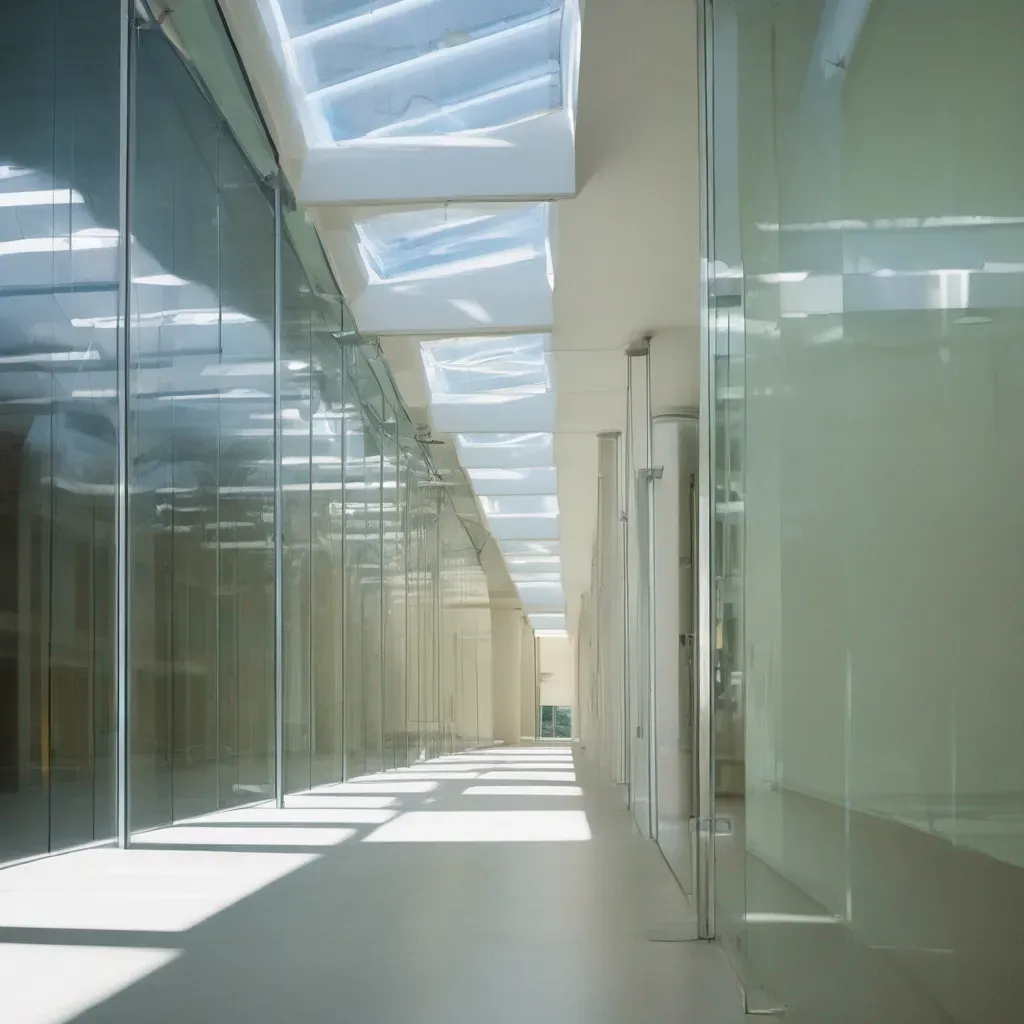
Daylighting with Glass: Reduce Artificial Lighting Costs
The interplay of natural light and glass has always captivated architects and designers, not just for its aesthetic appeal but also for its incredible functionality. Daylighting, the process of optimizing natural light in buildings, is more than just the latest trend in architectural design—it’s a sustainable solution that can drastically reduce artificial lighting costs, improve the quality of our indoor spaces, and even enhance well-being.
At the heart of this innovation lies the use of glass, an artistic and versatile material capable of transforming indoor environments. This article explores how “daylighting with glass” can revolutionize interior design, save energy, and imbue spaces with a sense of creativity and purpose.
What Is Daylighting and Why Does It Matter?
Daylighting involves designing spaces to maximize the use of natural light during daytime hours, thereby minimizing reliance on artificial lighting. Modern architectural trends are moving toward energy efficiency, eco-friendliness, and human-centric spaces. Daylighting fits perfectly within this framework as it introduces health benefits, reduces energy bills, and enhances productivity.
One key component of effective daylighting is the integration of high-performance glass, serving both an artistic and functional purpose. From large panoramic windows to strategically placed skylights, glass plays a crucial role in distributing, controlling, and optimizing daylight indoors. It turns lighting into an art form while contributing to cost reduction and environmental sustainability.
How Glass Enhances Daylighting
Glass has the unique ability to filter, channel, and amplify sunlight, making it indispensable in creating luminous interiors. By incorporating artistic glass elements into design, home and building owners can strike the perfect balance between aesthetic beauty and energy efficiency. Here’s how glass makes daylighting a reality:
1. Glass Maximizes Natural Illumination
High-quality glass enables ample daylight to flood indoor spaces while maintaining thermal comfort. Advances in glass technology, such as low-e (low-emissivity) coatings, minimize glare and regulate heat, ensuring a comfortable and well-lit indoor environment.
2. Artistic Glass as a Design Element
Incorporating artistic elements into glass features, like decorative panels or stained-glass windows, not only brings an aesthetic edge but also refracts and disperses light in unique ways. This transforms sunlight into dynamic art that animates interiors with shifting colors and patterns.
3. Energy and Cost Efficiency
One of the most significant advantages of daylighting with glass is its financial impact. By reducing the reliance on artificial lighting during daylight hours, buildings can cut down on energy consumption dramatically. Over time, this can lead to significant savings on electricity bills. Furthermore, daylighting reduces the need for complex artificial lighting systems, lowering the lifecycle costs of buildings.
4. Boosting Wellness through Daylight
Natural light has been scientifically proven to enhance mood, improve productivity, and regulate our body’s internal clock. By daylighting with glass, spaces feel open, inviting, and conducive to creativity—a game-changer for offices, homes, and public spaces alike.
Types of Glass for Daylighting Design
Modern innovations in glass design have opened a plethora of options to make the most of daylighting strategies. Here are some popular choices for enhancing both functionality and artistry:
- Tempered Glass: Durable and versatile, this type of glass is ideal for large windows, facades, and doors.
- Frosted or Textured Glass: Introduces privacy while diffusing natural light, creating a soft and inviting ambiance.
- Stained/Colored Glass: Perfect for artistic accents, stained glass infuses interiors with vibrant hues and patterns.
- Solar Control Glass: Minimizes heat gain while maximizing daylight entry, making it energy-efficient without sacrificing comfort.
- Photovoltaic Glass: A cutting-edge option that doubles as a solar energy collector while allowing light to pass through.
Each of these glass types can be customized to complement a space’s architectural identity while prioritizing daylight and energy efficiency.
Smart Design Tips for Daylighting with Glass
1. Strategic Placement of Windows
Positioning windows on the north and south sides of a building ensures consistent daylight throughout the day while avoiding the excessive heat gain associated with direct east or west sunlight.
2. Introduce Skylights
Skylights offer a brilliant way to bring natural light into areas that might otherwise remain dark, such as hallways or interiors without exterior-facing walls.
3. Large Glass Panels for Open Spaces
Floor-to-ceiling glass panels can create a seamless connection between indoor and outdoor spaces, allowing natural light to illuminate interiors while giving the illusion of greater spatial depth.
4. Integrate Reflective Surfaces
Pair glass with reflective surfaces like light-colored walls or polished furniture to amplify daylight, minimizing the need for artificial light.
For those seeking inspiration, Glassy offers creative and sustainable glass solutions that combine artistry with energy efficiency.
Daylighting With Glass: A Sustainable & Artistic Future
The integration of daylighting into architectural designs is not only about reducing artificial lighting costs but also about embracing a more harmonious relationship between built environments and nature. Glass serves as the ideal medium to achieve this balance, acting as a canvas for sunlight and an artistic statement.
By incorporating glass creatively—whether through large modern windows, intricate stained-glass designs, or energy-efficient materials—daylighting becomes more than a functional choice. It transforms interiors into dynamic, life-enriching spaces.
To explore high-quality glass solutions that combine art, functionality, and sustainability, visit Glassy.
Conclusion
Daylighting with glass holds transformative potential for interior design. It not only reduces artificial lighting costs but also revitalizes spaces, aligns with eco-friendly principles, and nurtures health and productivity. Whether you are designing a home, workspace, or public building, glass offers unmatched versatility and artistry, making it the star material of sustainable architecture.
Embrace the magic of daylighting with glass to elevate your space, reduce costs, and let natural light bring it to life. # Daylighting with Glass: Reduce Artificial Lighting Costs
Lighting is an integral component of every space, whether it’s a home, an office, or a public building. While artificial lighting can meet practical needs, it can come with hefty electricity costs and environmental implications. Fortunately, daylighting with glass offers an innovative, sustainable solution to reduce reliance on artificial lighting. Not only does it dramatically decrease energy bills, but it also adds a creative touch of elegance, merging functionality with aesthetic charm.
Modern architecture and interior design are increasingly recognizing the potential of natural light as not just a practical tool but as an artistic element. Let’s dive into how daylighting with glass works, its benefits, and how it integrates seamlessly into art and design while creating cost-effective, visually stunning interiors.
What is Daylighting?
Daylighting is the strategic use of natural sunlight to illuminate interiors. By utilizing glass elements, such as windows, skylights, and glass walls, daylighting invites sunlight into spaces, reducing the need for artificial lighting during daytime hours. Whether it’s the soft morning light glowing through your living room or the bright midday sun lighting up an open office floor, the creative use of glass enables designers to transform interiors into warm, inviting, and energy-efficient spaces.
Why Daylighting Matters
Beyond cost savings, daylighting creates energy-efficient buildings aligned with sustainable living principles. Artificial lighting accounts for a large share of energy consumption in both residential and commercial spaces. Daylighting reduces this demand, allowing homeowners and businesses to save significantly on utility expenses.
Additionally, incorporating natural light through glass designs enhances well-being. Research has shown that exposure to natural light boosts productivity, improves mood, and can even regulate sleep patterns. With modern design approaches tying aesthetics to functionality, glass elements are no longer mere materials—they’re expressions of art and sustainability.
How Glass Amplifies Daylighting
Glass, as both a material and a design tool, is pivotal in maximizing daylight. Its versatility allows architects and designers to merge science with art, creating structures that are both visually appealing and functional. The unique properties of glass, including its ability to refract and diffuse light, make it ideal for daylighting:
- Facilitating Natural Light Flow: Glass serves as a conduit to bring sunlight deep into interiors. Expansive glass windows, sliding glass doors, and glass curtain walls significantly amplify light transmission by reducing barriers. These features minimize the need for artificial lighting even in rooms located far from exterior walls.
- Controlled Brightness Levels: Leveraging coated or frosted glass balances light influx and prevents glare or overheating. This ensures that spaces remain brightly lit without sacrificing comfort.
- Creating an Artistic Edge: Designers often integrate glass art into daylighting systems, using textured, stained, or etched glass to blend functionality with creativity. The resulting interplay between sunlight and glass art turns the mundane into a dynamic visual spectacle, enhancing the ambiance.
- Skylights and Glass Ceilings: Skylights take advantage of overhead sunlight, often providing the most consistent natural light during the day. A strategically placed skylight not only illuminates interiors but also casts ever-changing patterns of light and shadow, adding a touch of ephemeral beauty to your space.
The Cost-Benefit Impact of Daylighting with Glass
One of the primary advantages of daylighting is cost savings. By minimizing the use of artificial lighting during daylight hours, businesses and homeowners can significantly reduce energy expenses. Over time, the cost of investing in glass installations, such as larger windows or skylights, can be offset by the ongoing savings on electricity bills.
In addition, glass installations often add long-term value to homes and commercial properties by enhancing their aesthetic appeal and energy efficiency. Design choices involving custom glass elements, such as glass-panel walls or decorative windows, can transform interiors, allowing light to become a dynamic design asset.
Incorporating Art & Glass in Daylighting Design
Daylighting doesn’t just serve as a practical mechanism for cutting costs; it’s also an opportunity to expand creative horizons. Glass is the perfect medium for expressing artistic creativity in functional ways.
Consider integrating stained glass panels into windows for a vibrant, colorful interior that’s illuminated by sunlight leaping through them. Alternatively, etched or frosted glass can offer privacy in a space while still allowing light to infiltrate softly. These artistic applications demonstrate the seamless marriage of glass and natural light to transform a simple feature into an artistic statement.
Glass can also be applied innovatively in public spaces to create breathtaking art installations that celebrate natural light. For example, large atriums in museums or cultural centers often feature translucent or reflective glass sculptures that refract sunlight, filling the entire room with cascading light patterns.
If you’re seeking additional inspiration for artistic and functional glass applications, platforms like Glassy offer a rich array of customizable solutions for your design needs.
Tips for Implementing Daylighting Systems with Glass
- Evaluate Orientation: The placement of glass installations depends significantly on the direction your space faces. South-facing windows capture maximum sunlight throughout the day, while east-facing openings optimize morning light.
- Layer Glass Types: Use a combination of clear, frosted, and reflective glass to balance light, improve privacy, and reduce heat gain.
- Incorporate Glass Art: Add aesthetic appeal with decorative glass elements, such as textured walls or glass balustrades, to create impactful yet functional designs.
- Choose Energy-Efficient Glass: Low-E glass (low-emissivity) helps manage solar heat, improving comfort and ensuring energy savings.
- Skylights in Unexpected Areas: Don’t limit skylights to living rooms. Add them to bathrooms or kitchens for a surprising influx of natural light in overlooked spaces.
For a broad range of glass products and tailored solutions, Glassy remains an excellent resource to explore.
A Brighter, Greener Future with Daylighting
Daylighting with glass offers more than just a functional upgrade—it’s an artistic and ecological leap forward. By thoughtfully incorporating glass elements, architects, designers, and homeowners can drastically cut down on artificial lighting expenses while infusing spaces with beauty, warmth, and vitality.
More than a design trend, this approach reflects a mindful commitment to sustainability, art, and human well-being. By pairing quality materials with creativity and vision, glass-based daylighting helps build not just spaces, but experiences—bright, beautiful, and sustainable.
Why settle for ordinary lighting when natural daylight and artful glass can flood your interiors with life? Through the thoughtful integration of glass, you can truly reimagine how light and art work together to enrich your spaces—and the way you live.