
Calculate Glass Needs for Large Projects: A Step-by-Step Guide
How to Calculate Glass Requirements for Large Projects
Glass has firmly established itself as a defining feature in modern architecture and interior design. From towering skyscrapers adorned with shimmering facades to intricate stained-glass panels that grace contemporary interiors, glass combines functionality with artistry. Yet, whether designing a dynamic office space or curating a bespoke residential aesthetic, one of the essential steps is accurately calculating your glass requirements for large projects. Misjudging these calculations can lead to waste, delays, and unexpected costs.
In this guide, we’ll walk you through how to estimate glass requirements effectively, touching on both the practical and artistic aspects that make glass such a versatile and inspiring material.
The Role of Glass in Modern Architecture and Interior Art
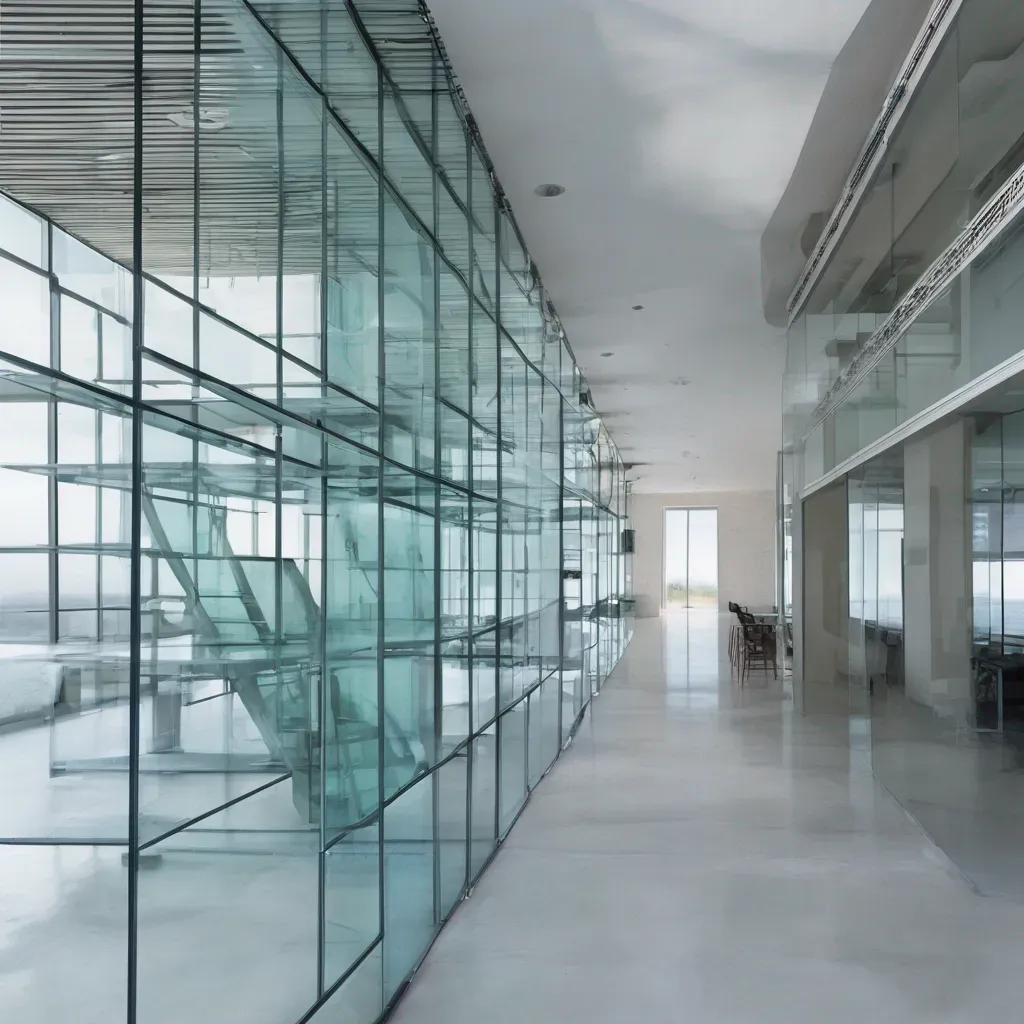
Before diving into the calculations, it’s essential to understand the transformative power of glass in architectural and design projects. Glass doesn’t just serve as a building material; it’s a medium for artistic expression. Its ability to transmit light, reflect surrounding environments, and create an illusion of openness makes it a popular choice for architects and designers alike.
From floor-to-ceiling windows providing panoramic city views to intricately designed glass furniture or sculptures, the applications of glass seamlessly blend function and art. By assessing these creative possibilities upfront, you are better equipped to align your glass requirements with your design goals. If you’re searching for premium-quality glass products tailored to your vision, platforms like Glassy offer a wide range of solutions for both standard and custom needs.
Step 1: Understand the Scope of Your Project
The size and complexity of your project will significantly impact how much glass is required. Start by clearly defining the following:
-
Project Type: Are you working on a commercial building, residential space, or an interior design project? Each requires different kinds of glass in varying amounts.
-
Applications: Where will glass be used? Examples include:
- Structural purposes: Windows, doors, curtain walls, facades.
- Decorative purposes: Stained glass, art installations, partitions, or tabletops.
- Functional elements: Skylights, balustrades, or glass floors.
-
Material Options: The type of glass—whether laminated, tempered, tinted, or frosted—affects your calculations.
Pro Tip: In projects where artistry plays a key role, pay careful attention to the types of glass. Incorporating unique textures, colors, or art glass can elevate your project’s aesthetic appeal, ensuring it blends beauty with purpose.
Step 2: Measure Dimensions Methodically
Precision is key when measuring glass requirements. A mistake here could mean cutting the glass incorrectly or ordering insufficient material. Follow these steps:
i. Gather Dimensions
- Measure the width and height of every opening or surface requiring glass.
- Don’t forget to account for allowances like hardware fittings (for windows or doors) or supportive frames.
ii. Don’t Overlook Thickness
Glass thickness must be carefully calculated based on its intended use. For example:
- 6–10 mm: Ideal for single-pane doors and partitions.
- 12–15 mm: Suitable for balustrades, stair treads, or large tabletops.
- 16 mm or more: Necessary for facades and glass floors to ensure strength and durability.
For design elements such as murals or stained art glass, additional layers or reinforcements may be needed depending on the scale and placement.
Step 3: Utilize Precise Formulas
To estimate the square footage of glass required:
- Area Formula: Width (in meters/ft) x Height (in meters/ft).
- Convert into the required units (square meters, square feet, etc.) for accuracy.
For example:
- A window with dimensions of 2 meters width by 1.5 meters height would require glass covering:
2 x 1.5 = 3 square meters.
Multiply this by the number of identical windows or other duplicated glass elements to adjust your calculations.
Step 4: Account for Glass Variability and Wastage
Always include a buffer when calculating requirements—typically between 5–10%. This accounts for on-site handling errors, trimming adjustments, or damage during transit.
Consider material-specific factors as well. For example:
- Tempered glass must be cut and formed to size before tempering, leaving no room for on-site alterations.
- Artistic designs utilizing etched or colored glass may involve intricate, time-consuming fabrication. Consulting with a supplier like Glassy can help you source materials that are both high-quality and precisely tailored to your artistic vision.
Step 5: Collaborate with Experts
Large projects often involve complex installation processes. Collaborating with architects, glass manufacturers, or installers ensures accurate budgeting and helps identify possible challenges early. Whether you’re integrating minimalistic design with clear glass or commissioning intricate custom art glass for a statement piece, experienced professionals add immense value.
Incorporating Art & Glass in Large-Scale Projects
One of the most awe-inspiring ways to make a project stand out is by incorporating art in your glass. Techniques such as sandblasting, etching, and enameling allow for personalized patterns, motifs, or even logos to be embedded within the glass. Stained or painted glass can turn ordinary interiors into breathtaking interventions of color and light.
Moreover, with advancements in technology such as smart glass, which adjusts transparency at the touch of a button, it’s easy to blend functionality and innovation into art-inspired ideas. For large projects, dedicating a section of your budget to art glass not only elevates the aesthetic but adds a distinct branding element, particularly for commercial spaces.
Conclusion: Transforming Measurements into Masterpieces
Accurately calculating glass requirements for large projects is both a technical and creative process. By understanding your design scope, measuring dimensions precisely, accounting for wastage, and considering artistic elements, you ensure every square meter of glass is used efficiently—without compromising on quality or beauty.
Whether your focus is on crafting expansive window walls or creating intricate glass art installations, the key is aligning calculations with vision. Through thoughtful collaboration and precise planning, you’ll capture both the functionality and expressive potential of glass. For superior materials and expert support, platforms like Glassy are indispensable partners in transforming designs into reality.
Embrace the beauty of glass, and let your projects shine.# How to Calculate Glass Requirements for Large Projects
Glass has long been a preferred material for architects, designers, and art enthusiasts alike, thanks to its versatility, elegance, and sustainability. When working on large projects, from commercial spaces to residential complexes, accurately calculating the amount of glass required is essential—but not just from an engineering perspective. Glass holds a vital place in art and design, seamlessly blending functionality with aesthetics. Misjudging glass requirements can lead to unnecessary expenses, wastage, or delays. Whether you’re planning a modern office façade or creating stunning art installations, this guide will take you through how to calculate glass requirements for large projects with precision and creativity.
Understanding Your Project Scope
Before diving into complex calculations, it’s essential to develop a full understanding of your project’s scope. Start by evaluating the following:
-
Design Intent: Is the project focused on creating awe-inspiring glass walls, artistic partitions, skylights, or decorative glass elements? Pinpoint where glass will be used as a functional or artistic feature.
-
Type of Glass: Decide the type of glass that suits the project’s purpose—tempered glass for safety, laminated for soundproofing, or stained glass for a decorative touch. For art installations, think about frosted, etched, or colored glass for added creativity.
-
Functional Requirements: Beyond visual appeal, consider factors like insulation, natural light, privacy, and strength. For instance, tall glass facades for skyscrapers often require advanced calculations to account for wind loads and solar control.
Factoring these inputs into your calculations will allow for greater precision and ensure the final result complements both form and function.
Essential Measurements for Calculating Glass Requirements
The calculations for determining your glass requirements should be approached systematically. Here are the key steps:
1. Measure the Surface Area
This is the most straightforward step. Start by measuring the height and width of every section where glass will be installed. Then, calculate the total surface area. The formula for rectangular sections is simple:
Surface Area = Height × Width
For non-rectangular shapes (like circles, triangles, or irregular artistic panels), integrate geometry formulas or consult a design planner.
Pro tip: Include a 5-10% margin for wastage, especially for custom designs or projects involving intricate cuts like stained-glass art.
2. Account for the Thickness of Glass
Glass thickness plays a significant role in both safety and visual impact. Standard thicknesses range from 3mm to 19mm, depending on the application. For larger projects, thicker glass may be more durable but also heavier and costlier.
For example:
- 3mm to 6mm is ideal for smaller decorative installations.
- 8mm to 12mm is preferred for large windows or partitions.
- 19mm (and beyond) suits heavy-duty usage like floors or structural glass walls.
Your glass supplier can guide you on thickness based on the stress tests required for your specific project.
3. Factor in Frames and Fixtures
Not all surface areas will be 100% glass; frames, spacers, and reinforcements will take up some space. Deduct the area taken by non-glass materials when calculating your total requirement. Collaborating with a contractor or glass manufacturer at this stage can help fine-tune dimensions.
4. Incorporate Waste and Breakage Margins
Glass is a delicate material, and during cutting, transportation, and installation, accidents can occur. Reserve extra glass for contingencies, especially for luxury projects or artistic designs where replacements might significantly vary in shade and texture.
Leveraging Glass in Artistic and Design Projects
Glass has evolved from being a mere building material to becoming a celebrated element in art and design. Stunning glass facades, captivating stained-glass murals, and custom glass sculptures are just a few examples of how architects and artists leverage glass to create dramatic, light-filled spaces.
When calculating glass requirements for artistic projects, precision is even more critical. For instance, making a contemporary stained-glass window involves not only calculating the area but planning for intricate designs that may increase material wastage. Similarly, encaustic glass installations may demand adjustments for unique designs and non-standard proportions.
By combining function and artistry, you can transform spaces into masterpieces. Platforms like Glassy provide expert insights into innovative uses of glass, helping elevate your project’s wow factor.
Working with Experts
Large projects often require collaboration between architects, designers, contractors, and glass vendors. Specialists can help refine your measurements, provide insights into the latest glass technologies, and advise on sustainability.
For example, if your project incorporates energy-efficient solutions or solar glass panels, different calculation methodologies might apply. Professionals can also help identify material constraints or recommend alternatives, such as lightweight acrylics in place of normal glass for transport considerations.
Tools and Technology for Glass Estimation
Today, various software programs and tools help make glass calculations easier and highly precise. Many CAD (Computer-Aided Design) programs include glass material estimations as part of their functionality. These programs take into account design nuances, non-rectangular dimensions, and even advanced factors like thermal efficiency and light refraction.
For artistic projects, visualization software allows designers to experiment with different kinds of glass textures, patterns, or colors digitally before sourcing materials. This not only saves costs but also reduces errors.
Final Tips for Glass Requirements Optimization
Here’s how to ensure your project remains budget-friendly while delivering outstanding aesthetics:
-
Bulk Ordering: Ordering glass in bulk often reduces per-unit costs, but it requires accurate calculations up front.
-
Limit Custom Cuts: Although intriguing, customized shapes for glass can dramatically increase costs and waste. Discuss alternatives with your designer.
-
Think Long-Term: For large projects, invest in high-quality glass that’s durable, scratch-resistant, and easy to maintain. This may cost more upfront but saves money in replacements.
-
Research Suppliers: Connect with experienced providers like Glassy, where art and function meet to offer cutting-edge solutions.
Conclusion
Accurately calculating glass requirements for large projects is a blend of art and science. While the practical aspects of measurement, thickness, and wastage require attention to detail, don’t forget the artistic potential of glass. Well-planned and creative use of glass can transform your project into a breathtaking space, balancing both utility and beauty.
Whether you’re drafting the blueprint for a sprawling commercial layout or creating a stained-glass feature that tells a story, remember that the success of your project lies in the details—and the right experts by your side. Explore modern glass solutions and inspiration to ensure your next big project glistens with precision and artistic flair!