
Builders Choose Recyclable Glass for Sustainable Projects
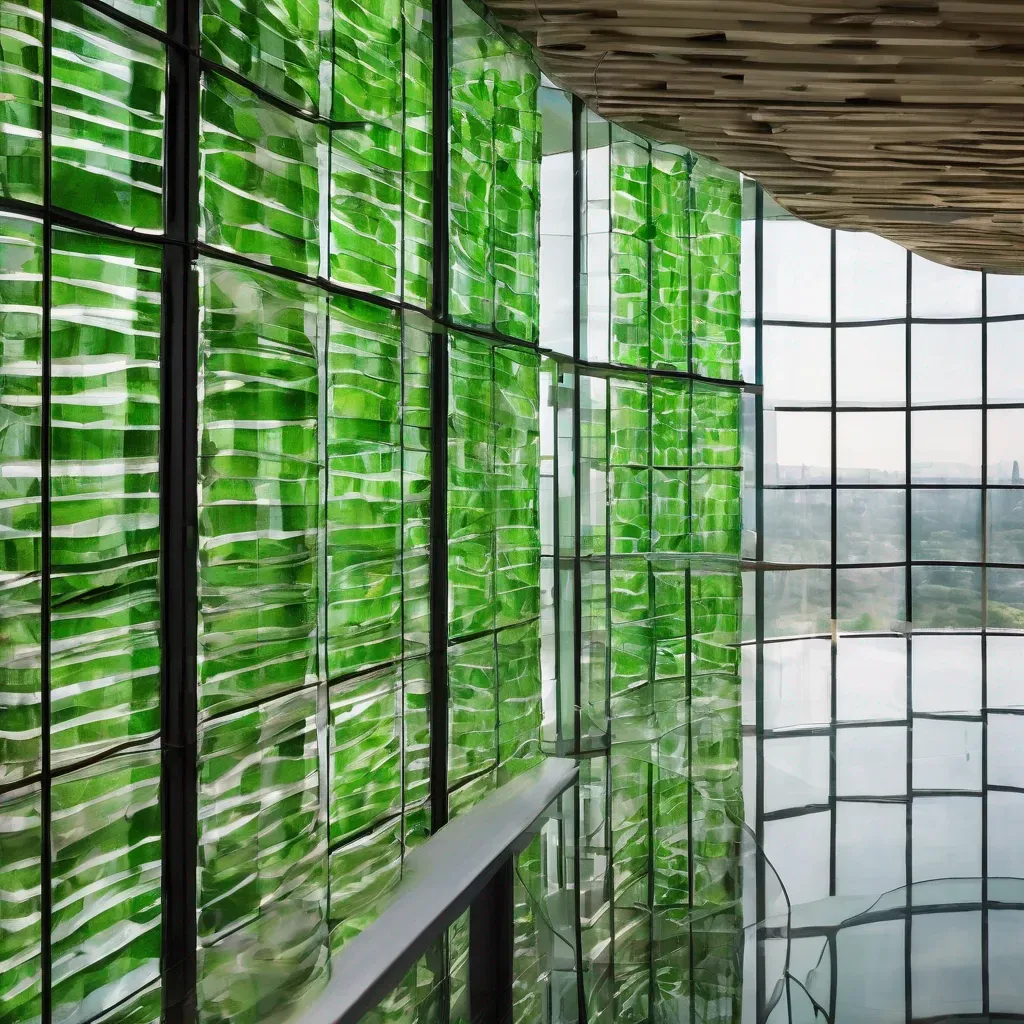
Why Builders Are Switching to Recyclable Glass Materials
As sustainable architecture and eco-focused design gain traction, recyclable glass materials have taken center stage in modern construction. Today, builders, architects, and interior designers are embracing recyclable glass for its unique combination of environmental benefits, aesthetic possibilities, and versatile functionality. From towering skyscrapers to cozy residential spaces, recyclable glass is transforming the way we envision art, design, and sustainable architecture. But why exactly is this material becoming so popular among builders? Let’s explore the reasons behind this growing trend and how recyclable glass is reshaping the construction landscape.
The Rise of Recyclable Glass in Sustainable Design
Builders are under increasing pressure to reduce their environmental impact while also meeting ever-changing design trends. Conventional construction often relies on non-renewable materials that leave a significant carbon footprint. Recyclable glass, however, emerges as a superior alternative, offering builders an eco-friendly choice that doesn’t compromise on style or strength.
Recyclable glass is manufactured from natural resources—primarily silica, soda ash, and limestone—combined with post-consumer recycled glass, such as bottles and windows. These materials can be melted down and reprocessed into new products multiple times, minimizing waste and conserving natural resources.
This circular approach not only reduces the strain on landfills but also lowers energy demands in glass production, making it a pivotal step toward sustainable development. Builders are increasingly drawn to recyclable glass as it aligns with green building certifications like LEED and BREEAM while catering to environmentally conscious clients.
Aesthetic Versatility for Contemporary Design
Beyond its sustainability, one of the most striking features of recyclable glass is its ability to deliver cutting-edge aesthetics. From minimalist to maximalist styles, recyclable glass embraces the world of “art & glass” with endless creative possibilities.
With customizable colors, finishes, and textures, recyclable glass can seamlessly enhance both interiors and exteriors. For example, frosted or etched glass can introduce a touch of elegance to modern interiors, while tinted or laminated glass can reflect an industrial or futuristic aesthetic. Large glass panels used as facades or partition walls are not only functional but also act as statement art pieces.
Incorporating recyclable glass into architectural projects often transforms ordinary structures into dynamic, light-filled masterpieces. Even when broken or replaced, the material can be recycled and reimagined into new artistic creations, often becoming a testament to the timeless union of sustainability and design.
If you’re interested in how versatile recyclable glass can be in enhancing architectural projects, explore innovative ideas and solutions at Glassy.
Durability and Efficiency
Although glass may traditionally be perceived as fragile, modern recyclable glass materials are engineered with durability in mind. Options such as tempered or laminated glass are designed to withstand significant forces, making them ideal for high-traffic areas or external facades exposed to harsh weather conditions.
What’s more, recyclable glass can significantly improve energy efficiency in buildings. Technologies such as Low-E (low emissivity) coatings reduce heat transfer, allowing for better thermal insulation and lower reliance on artificial heating or cooling systems. This aspect helps homeowners and businesses save on energy bills while reducing environmental impact.
Furthermore, by maximizing the use of natural light in building design, glass materials enhance the mood and productivity of inhabitants. This integration of nature-inspired elements resonates deeply with the biophilic design movement, which prioritizes harmonious connections between spaces and their natural surroundings.
Promoting Responsible Consumerism
Builders switching to recyclable glass materials are also driven by the strong demand for ethical, eco-conscious consumerism. Today’s buyers are no longer satisfied with disposable, resource-draining building products. Instead, they want materials that reflect their commitment to sustainability and balance functionality with artistic expression.
Recyclable glass effortlessly fulfills these expectations. Not only does it promote environmental conservation, but its timeless appeal ensures long-term satisfaction, whether it’s used in a sunlit atrium, a sleek office building, or an intricately designed glass sculpture. By capitalizing on this trend, builders can attract discerning buyers and set themselves apart as pioneers of sustainable artistry.
Challenges and Future Outlook
While recyclable glass offers a host of benefits, adoption is not without its challenges. The cost of recycling and manufacturing glass can sometimes deter smaller projects, although advancements in technology continue to drive down these expenses. Additionally, transportation logistics and infrastructure limitations in certain regions can pose hurdles.
However, the long-term value of recyclable glass greatly outweighs these initial difficulties. Its ability to merge sustainability with the elegance of “art & glass” positions it as a material that is here to stay. As awareness and demand grow, we can expect further innovation in recyclable glass technologies, making it even more accessible and widely used in future designs.
Conclusion
The shift towards recyclable glass materials in the construction industry is a testament to the evolving priorities of builders, architects, and consumers alike. Balancing environmental stewardship with artistic creativity, recyclable glass embodies the vision of sustainable design. It offers builders the tools to create modern, efficient, and aesthetically beautiful spaces that meet the demands of today’s eco-conscious world.
For builders and designers eager to bring this transformative material into their projects, the possibilities are virtually limitless. Not only does recyclable glass support environmentally responsible building practices, but it also adds a touch of sophistication and innovation that captivates clients and inspires future generations.
Looking to discover more about how recyclable glass can transform your projects? Visit Glassy for cutting-edge ideas and inspiring solutions in sustainability, art, and design.
With recyclable glass leading the charge, the future of sustainable construction is looking brighter—and much more beautiful.Why Builders Are Switching to Recyclable Glass Materials
In recent years, the construction industry has undergone a significant transformation, with sustainability taking center stage. Among the many eco-friendly innovations gaining traction, recyclable glass materials have emerged as a standout solution. Builders and architects across the globe are increasingly turning to this material for its remarkable ability to marry form and function. Combining environmental virtues with aesthetic versatility, recyclable glass is paving the way for a greener future – not just in construction but also in the realms of art and design.
1. Sustainability Meets Style
Recyclable glass materials bring a sustainable edge to modern construction without compromising on design potential. Unlike many other building materials, glass is infinitely recyclable, retaining its quality and integrity throughout the process. This means that old or discarded glass elements can be re-melted and repurposed into new designs without the need for virgin raw materials.
Builders aiming to reduce their carbon footprint find recyclable glass an attractive alternative to non-renewable options. Furthermore, the material’s transparent, sleek aesthetic plays a crucial role in enhancing interiors and exteriors alike. From expansive glass facades to intricate glass installations used in interior art, this material offers endless artistic opportunities while championing environmental responsibility.
Discover more about glass materials and construction innovation here.
2. A Versatile Canvas in Art & Glass Design
When it comes to combining function with creativity, recyclable glass is unparalleled. For artists and interior designers, glass serves as an adaptable medium that complements a variety of design styles. Whether it’s being used for custom glass sculptures or intricate partition walls, recyclable glass seamlessly bridges the worlds of art and architecture.
The transparent, reflective nature of glass allows light to play a vital role in transforming a space. Builders leverage this to craft visually arresting interiors that often incorporate unique glass art, such as frosted panels, stained glass, or textured surfaces. These artistic accents add elegance while reaping the sustainable benefits of recyclable materials. Especially in contemporary design movements, where minimalism and modernity overlap, glass’s adaptable aesthetic offers endless possibilities.
By pairing eco-conscious choices with creative expression, recyclable glass proves to be more than just a building material — it becomes the centerpiece of bold, innovative designs.
3. Energy Efficiency and Thermal Performance
Another driving factor behind the rising popularity of recyclable glass materials is their role in promoting energy-efficient construction practices. Builders now lean towards advanced glass technology, such as double-glazed or low-emissivity (Low-E) glass, which enhances thermal performance while minimizing energy consumption.
By reducing heating and cooling needs with efficient glass installations, structures built with recyclable glass not only benefit the planet but also offer significant energy cost savings for homeowners and businesses. Additionally, architects are increasingly incorporating natural lighting strategies by using large, recyclable glass windows and skylights. These design choices reduce dependency on artificial lighting, further lowering a building’s energy demand.
The combination of energy efficiency and eco-conscious sourcing makes recyclable glass materials a frontrunner in sustainable architecture.
4. A Circular Economy in Construction
The adoption of recyclable glass fuels the growing demand for circular economy practices in the construction sector. Traditional building materials like concrete and steel often come with high environmental costs — from resource extraction to disposal. In contrast, recyclability ensures that glass materials remain in use for decades, continuously reincarnated as new products.
For companies striving to meet green building certifications, such as LEED (Leadership in Energy and Environmental Design), recyclable glass is an excellent material choice. These materials help builders reduce construction waste, minimize landfill contributions, and decrease their ecological impact.
Learn more about sustainable glass solutions for your projects.
5. Resilience and Durability of Glass Materials
Modern recyclable glass production has yielded materials that are more durable than ever before. Tempered glass, for example, is up to five times stronger than standard glass, making it suitable for high-traffic areas such as commercial spaces and outdoor installations. Laminated glass, on the other hand, provides added safety by holding together in the event of breakage.
Builders now trust glass not just for decorative finishes but also as a core structural element. From load-bearing walls to reinforced balconies, recyclable glass is fast becoming a staple in construction. Even in its recyclable form, glass does not lose its physical properties, offering the same reliability and longevity as its non-recycled counterparts. This perfect blend of aesthetic appeal and robustness makes glass one of the most well-rounded materials for both practical and artistic applications.
6. Elevating Architectural Design
The versatility of recyclable glass extends far beyond environmental benefits. Architects and designers are harnessing its unique properties to elevate buildings into works of art. Creative applications such as sandblasted patterns, tinted panels, and etched art installations inject personality into otherwise mundane structures.
Moreover, recyclable glass allows for harmonious design integration where outdoor surroundings flow into indoor spaces. Floor-to-ceiling glass panels, for instance, create a seamless connection between architecture and nature, enriching the human experience within buildings.
In luxury spaces, glass forms the backbone of iconic designs, from shining atriums to intricate glass chandeliers that double as centerpieces of modern interiors. These elements illustrate that glass is not merely a sustainable choice but an artistic medium capable of transforming ordinary spaces into breathtaking environments.
Conclusion: Embracing the Future with Recyclable Glass
The shift towards recyclable glass materials highlights a growing commitment within the construction industry to prioritize sustainability without sacrificing quality or design. By incorporating environmentally-friendly materials into structures, builders are demonstrating a vision for greener, more innovative spaces.
Additionally, the connection between recyclable glass and art & glass design opens up a world of creative possibilities, paving the way for imaginative architectural works. From energy-efficient facades to intricate artistic accents, recyclable glass is redefining how we view materials in construction.
For builders, designers, and art enthusiasts alike, the increasing focus on recyclable glass is an exciting step forward. It represents not just the promise of sustainable innovation but also the potential to create aesthetic, functional spaces that inspire and endure for generations.