
BIS Standards for Building Glass: Key Guidelines Explained
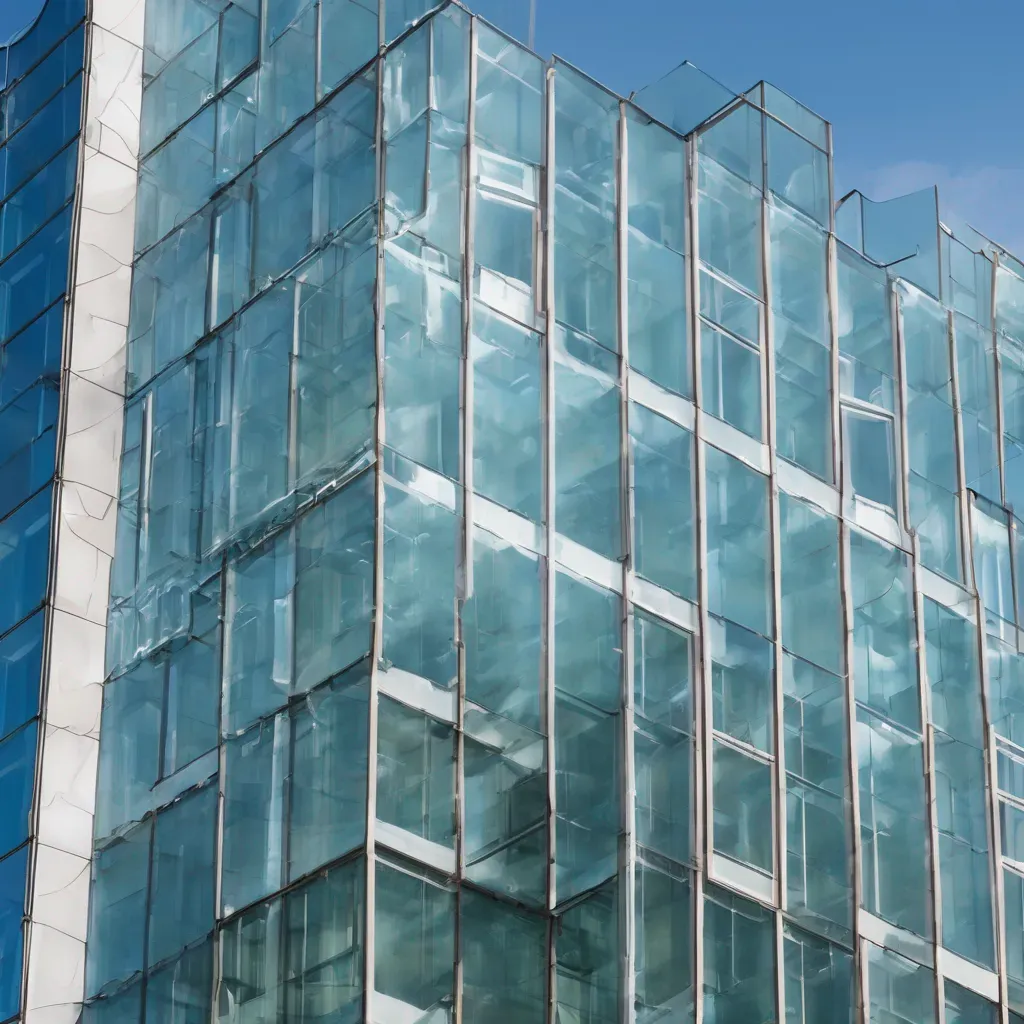
BIS Standards for Building Glass Explained: A Comprehensive Guide
Building glass is one of the most versatile and transformative materials in modern architecture and design. Its aesthetic flexibility, durability, and eco-friendly properties make it indispensable for contemporary structures, whether for artful interior installations or elegant skyscraper facades. However, when it comes to selecting building glass, safety, quality, and durability cannot be compromised. This is where the Bureau of Indian Standards (BIS) norms for building glass come into play.
In this article, we will demystify the BIS standards, explaining their importance in ensuring the structural integrity, safety, and visual appeal of glass used in construction. Whether you’re an architect, an interior designer, or an enthusiast exploring the fascinating interplay of art and glass in architectural design, understanding these standards is vital for making informed decisions.
What are BIS Standards for Building Glass?
BIS (Bureau of Indian Standards) governs the benchmarks for product quality in various sectors, including the glass and glazing industry in India. The BIS standards for building glass ensure that products meet specific safety, mechanical, optical, and thermal performance criteria. This guarantees not only the safety of end-users but also the efficient and aesthetic use of glass in construction projects.
For building glass, BIS has categorized standards across diverse parameters:
- Safety Standards – Focused on durability and user safety.
- Optical Standards – To measure visual quality and transparency.
- Thermal Performance Standards – Ensuring resistance to high and low-temperature conditions.
- Impact Resistance Standards – Ensuring glass can withstand accidental impacts.
- UV Radiation Control – Regulating transmission of harmful ultraviolet rays.
These norms help bring consistency to the rapidly evolving glass market, empowering architects and designers to choose materials with confidence.
Types of Glass Covered Under BIS Standards
The BIS standards touch upon multiple types of glass commonly used in structural and decorative contexts. These include:
1. Toughened Glass (IS 2553)
Toughened glass is widely used for its ability to withstand thermal stress and impact. The BIS standard IS 2553 ensures that the toughened glass used in interiors, windows, and facades meets stringent toughness benchmarks. This type of glass shatters into smaller, less harmful pieces upon breaking—significantly reducing safety risks.
2. Laminated Safety Glass (IS 2553)
Laminated safety glass, often found in areas requiring heightened security, like storefronts and railings, also falls under the purview of IS 2553. This type of glass remains intact even when shattered, thanks to its interlayer film that holds broken shards together.
3. Insulating Glass (IS 3716)
Energy-efficient insulating glass, designed to improve thermal regulation and reduce energy consumption, must adhere to BIS’s thermal performance parameters outlined in IS 3716. This type of glass plays a significant role in creating sustainable, energy-efficient buildings while enhancing thermal comfort.
4. Float Glass (IS 14900)
Float glass forms the foundation for many glass products, and BIS standard IS 14900 specifies the requirements for its transparency, surface quality, and resistance to breakage. It’s widely used in windows, partitions, and architectural glazing.
5. Heat-Strengthened Glass
With a strength that’s between annealed and toughened glass, heat-strengthened glass delivers a balance between durability and performance. Although not as common as other types, BIS regulations help define its specific applications.
6. Ceramic Glass
While not as commonly used in standard construction, ceramic glass has a growing presence in artistic contexts, especially where art and glass intersect. Its resilience against high temperatures makes it ideal for decorative installations, fireplaces, and industrial uses.
Why BIS Standards Matter for Glass in Construction
BIS standards for building glass are not just about meeting regulatory requirements—they directly impact the quality, safety, and sustainability of construction projects. Below are some of their essential benefits:
1. Increased Safety
Adherence to BIS safety standards ensures that the glass can endure impacts, weather conditions, and heat exposure, reducing risks of accidents, such as breakage or shattering. High safety standards are particularly critical for glass used in doors, windows, stair railings, and facades.
2. Energy Efficiency
Modern architecture often uses glass expansively due to its visual appeal, but excessive glass exposure can lead to higher energy consumption. BIS standards ensure efficient thermal insulation properties, helping to create more sustainable and eco-friendly buildings.
3. Aesthetic Enhancement
The precise optical standards outlined by BIS ensure pristine visual quality—eliminating irregularities like distortions or haze that can diminish the beauty of glass. Whether you’re crafting an avant-garde installation using stained glass or creating a sleek, minimalistic interior design, compliance with BIS norms ensures a flawlessly refined appearance.
4. Durability and Longevity
Glass that meets BIS benchmarks often has greater resistance to wear and tear, ensuring enduring quality even with significant environmental exposure. This not only adds value to projects but also contributes to the sustainability of architectural innovations.
BIS Standards in the Context of Art and Glass
Where functionality meets creativity, art and glass play a critical role in developing spaces that inspire and enchant. From stained-glass installations in interiors to contemporary glass sculptures adorning urban spaces, the integration of aesthetically superior and structurally sound materials is revolutionary.
BIS standards are integral to these artistic initiatives, ensuring that innovative designs maintain structural integrity and safety. For example, in glass etching or layered glass art, special attention must be paid to the strength and resilience of the materials—a key consideration governed by BIS regulations. Whether you’re crafting a frosted-glass partition or a shimmering facade, compliance ensures the art shines brightly without compromising on safety or performance.
For anyone passionate about merging creativity with functionality, Glassy provides cutting-edge resources and expert insights to explore further.
Conclusion: Investing in Quality through BIS Standards
BIS standards for building glass are more than just technical guidelines—they shape the future of architecture and design by ensuring safety, quality, and energy efficiency. Whether you’re envisioning a commercial skyscraper glimmering in sunlight or experimenting with intricate glass art for an interior, adhering to these standards guarantees heightened performance and enduring beauty.
Choosing BIS-compliant glass not only safeguards your projects but also reinforces your commitment to sustainable and high-quality construction practices. For designers, architects, and homeowners alike, transparency about these standards empowers better decision-making, resulting in designs that are as durable as they are stunning.
For a deeper dive into architectural trends, artistic glass projects, and quality material insights, visit Glassy today. Explore a world where innovation, art, and functional design converge seamlessly. Looking for more inspiration? Don’t miss out on Glassy’s extensive collection of resources tailored to your creative journey.# BIS Standards for Building Glass Explained
In the world of architecture and interior design, glass has emerged as more than just a practical construction material—it’s a canvas for creativity, a medium for innovation, and a portal to light and openness. Whether you’re designing striking facades for urban skyscrapers, breathtaking stained-glass windows for places of worship, or minimalist interiors flooded with natural light, building glass plays a pivotal role in shaping modern spaces. However, beyond its aesthetic appeal, it’s essential to ensure that building glass meets industry benchmarks for safety, quality, and performance. That’s where BIS standards for building glass come into play.
If you’re considering incorporating glass into your project, understanding these standards is critical—not just for compliance but also for maximizing the utility, beauty, and durability of this versatile material. In this article, we delve into the Bureau of Indian Standards (BIS) framework for building glass, while exploring its significance in the context of architecture, interiors, and art.
What Are BIS Standards for Building Glass?
The Bureau of Indian Standards (BIS) is a national body responsible for establishing quality benchmarks for products and services in India. For building glass, BIS provides an extensive suite of standards that ensure the glass used in construction is safe, reliable, durable, and suitable for its intended application.
BIS standards for building glass cover parameters like:
-
Mechanical Strength
Building glass must be structurally sound. Standards ensure the material can withstand wind pressure, load stress, and potential impacts without compromising safety. For example, tempered safety glass is manufactured under BIS guidelines to resist breakage and shatter into small, non-sharp fragments if broken. -
Thermal Performance
With rising energy-efficiency concerns, the thermal properties of glass are crucial. BIS standards address factors like insulation and solar heat gain, enabling architects to select energy-efficient options like double-glazed or low-emissivity glass. -
Optical Quality
Clarity and transparency are vital for the aesthetic value of glass. The BIS specifications ensure there are no distortions or defects that can detract from the visual appeal. -
Safety and Fire Resistance
Glass used in fire-prone areas must meet specific safety benchmarks. Fire-rated glass is subjected to BIS norms to ensure it performs effectively under extreme temperatures, adding a crucial protective layer to the structure. -
Sound Insulation
For urban environments, soundproofing is an architectural priority. BIS guidelines help verify the acoustic properties of laminated and insulated glass types, which are ideal for creating serene living or working environments.
The most widely used BIS standards for building glass include IS 14900 (General Guidelines on Glass in Buildings) and IS 2553 (Safety Glass—Specification), among others. These systems guide manufacturers, architects, and contractors in choosing the right glass for specific applications.
Applications of BIS-Standard Glass in Modern Design
The integration of BIS-standard building glass transforms spaces in more ways than one. From enhancing the artistic value of a project to improving safety and sustainability, glass elevates architectural and interior designs.
1. Art Meets Architecture
Glass has long inspired artists and architects to push creative boundaries. Consider stained-glass installations—a fusion of art and glass that elevates spaces into ethereal realms of light and color. When used in compliance with BIS standards, even such artistic undertakings can meet safety and quality benchmarks without compromising their visual brilliance. Architects working with glass art pieces can rest assured that their projects are both functional and breathtaking.
2. Modern Interiors and Energy Efficiency
Multi-functional spaces demand materials that offer flexibility and performance. BIS-compliant glass helps achieve design goals for modern interiors, particularly in office environments where partitions, doors, and windows maximize natural light without sacrificing acoustic privacy. Using energy-efficient glazing options ensures an eco-conscious design while reducing thermal loss and air conditioning loads.
3. Bold Facades
Bold, expansive glass facades define the skyline of every modern city today. From shopping malls and airports to corporate offices, exteriors clad in BIS-standardized structural glazing systems enhance not only the visual impact but also user comfort and energy efficiency.
Why BIS Standards Are Vital for Your Building Glass
BIS standards ensure that the glass used in architecture or interiors meets stringent requirements for safety, environmental impact, and functionality. Imagine a grand spiraling staircase with balustrades made of laminated glass, or a museum skylight with insulating glass to prevent UV damage to priceless artwork. Would you compromise on these installations? Probably not. BIS standards give architects, designers, and clients the assurance that the materials they are using can deliver elegance without jeopardizing safety.
Moreover, choosing BIS-certified glass isn’t just wise; it’s a requirement in many municipal building codes and regulations. Adhering to these standards minimizes the risk of accidents, legal liabilities, and structural failures, ensuring a secure environment for occupants.
Guidance on Using BIS-Standard Building Glass for Art and Design
To integrate artistry into architecture using glass, it’s essential to collaborate with trusted manufacturers who understand the intersection of design, functionality, and compliance. Platforms like Glassy provide valuable resources to navigate the world of building glass. From sourcing materials to discovering innovative applications, they can guide you in creating elegant yet practical spaces.
When working with art-inspired designs, it’s crucial to select the appropriate type of glass based on the BIS norms for mechanical strength, weather resistance, or visual characteristics. For instance, opt for laminated or tempered glass when creating installations that require high impact resistance, especially in high-traffic areas.
Furthermore, innovative coatings and textures can bring artistic visions to life, allowing designers to blend the practicality of BIS-compliant glass with the creative flair that defines awe-inspiring architecture.
The Intersection of Glass, Art, and Compliance
Glass, with its unique combination of strength, fragility, and transparency, is a medium that bridges the worlds of art and architecture. Featuring properties that can transform light into a design element, it opens endless creative opportunities. By adhering to BIS standards, architects and designers balance beauty with safety, creating sustainable environments that inspire awe while enduring the test of time.
Whether you’re bringing a bold artistic vision to life or designing functional yet sophisticated spaces, the right use of BIS-compliant building glass ensures your project meets every expectation of form, function, and safety. Explore trusted resources like Glassy to elevate your architectural journey with glass that truly reflects your vision.
Conclusion
The allure of building glass lies in its versatility to meld art with structure, light with form, and performance with elegance. BIS standards provide the framework to harness this potential while ensuring safety, longevity, and sustainability. As you design your next masterpiece, remember: high-quality glass isn’t just an option, it’s a necessity for modern architecture’s boldest and most beautiful ambitions.