
Best Glass Options for High-Rise Buildings Explained
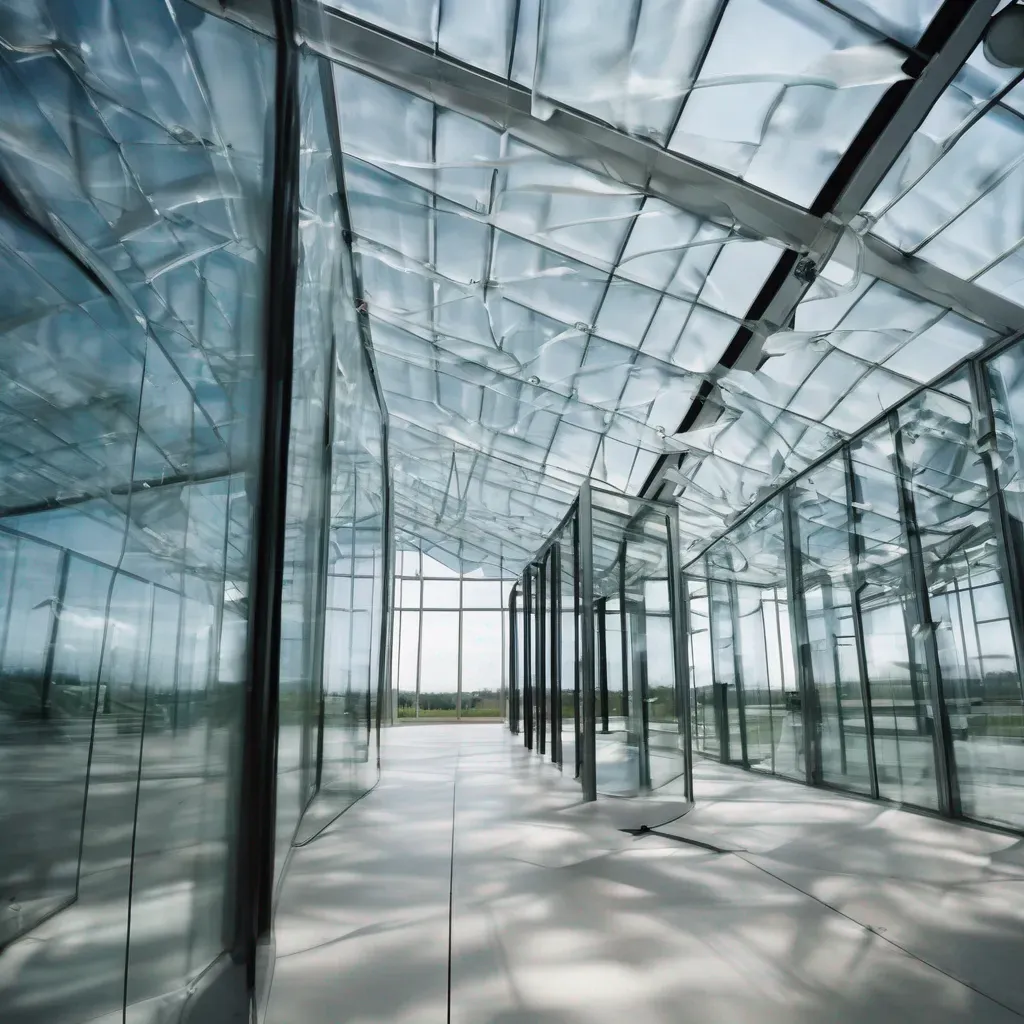
How to Select Glass for High-Rise Buildings: A Guide to Functionality and Aesthetics
High-rise buildings have been a symbol of modern architecture and urban development for decades. These towering structures dominate city skylines, showcasing the creative and practical integration of art, engineering, and materials. One of the most crucial aspects of designing any skyscraper is choosing the right type of glass. Glass not only enhances the aesthetics of a high-rise building but also plays a vital role in its structural integrity, energy efficiency, and safety. In this guide, we’ll walk you through how to select glass for high-rise buildings while considering both functionality and artistic expression.
1. Functionality Comes First: Assessing Building Requirements
The choice of glass for a high-rise building must align with the intended use of the space, the local climate, and architectural requirements. Consider the following factors:
a) Energy Efficiency:
High-rise buildings inevitably consume significant amounts of energy. Opting for energy-efficient glass can reduce cooling and heating loads, ultimately lowering utility costs. Low-emissivity (Low-E) glass is a top choice for high-rise structures as it minimizes heat gain while still allowing natural light to pass through.
b) Safety and Strength:
Given the height of skyscrapers, the glass used must be able to withstand high wind loads, temperature changes, and potential impacts. Laminated and tempered glass types are often utilized for their durability and shatter-resistance, ensuring safety for inhabitants and pedestrians below.
c) Acoustic Insulation:
One of the most pressing issues in urban high-rises is noise pollution. Acoustic glass, specially designed to minimize external noise, improves indoor comfort levels, making it particularly suitable for residential and office spaces situated in bustling city centers.
d) Sustainability Considerations:
If sustainability is a priority, look for glass products with recycled content or certifications such as LEED or IGCC. Sustainable materials contribute to reducing the carbon footprint of construction projects and are increasingly demanded in modern architectural practice.
2. Balancing Art and Science in Glass Design
Glass in high-rise buildings isn’t just a construction material—it’s also an artistic canvas. The interplay between form and function is crucial when selecting glass that offers structural integrity while also embodying creativity. After all, the facade of a skyscraper is often its most striking feature.
Here are some aspects where art & glass meet:
a) Visual Appearance:
Glass can significantly affect the aesthetic appeal of a high-rise building. Reflective glass, for instance, creates a mirror-like facade that can blend the architecture with its surrounding environment. Tinted glass can be used to give the building a distinct coloration while controlling glare and solar heat.
b) Integration with Lighting:
Modern architects often use glass to maximize natural light. Seamless glass designs featuring floor-to-ceiling windows, for example, can make interiors appear more spacious and inviting. Additionally, glass facades paired with artistic lighting design can transform a building into a dazzling landmark at night, reflecting a contemporary art sensibility.
c) Decorative Glass:
Engraved, frosted, or stained glass can add personality and visual intrigue. For example, incorporating custom-made art glass panels in specific sections of the building, like the lobby or conference rooms, can provide a sense of luxury and artistic refinement.
3. Common Glass Types for High-Rise Buildings
When selecting glass for skyscrapers, a blend of functionality and creative expression is essential. Below are a few glass types ideal for high-rise applications:
a) Double-Glazed Glass: Perfect for minimizing heat transfer and improving insulation. This type of glass consists of two layers with a gap in between, which reduces energy loss.
b) Low-E Glass: With its reflective coating, Low-E (low emissivity) glass improves energy efficiency while also providing UV protection.
c) Toughened (Tempered) Glass: Highly durable, toughened glass can withstand extreme weather conditions, making it a staple for high-rise facades.
d) Laminated Glass: Known for its safety features, laminated glass consists of two or more panes bonded with a resin layer. Even when broken, the glass holds together, making it a practical choice for skyscrapers.
If you’re looking to explore more about glass options and their creative uses in architectural design, Glassy is a great resource for inspiration and cutting-edge solutions.
4. Climatic and Regulatory Factors
When selecting glass for skyscrapers, it’s essential to consider regional climate and building codes. Buildings located in hot climates need solar control glass to prevent heat entry, while structures in colder climates may benefit from insulated glass panels that retain warmth.
Furthermore, local building codes often specify standards related to thermal performance, safety, and acoustics. Ensure compliance with these regulations before finalizing any glass type. Such considerations not only ensure proper functionality but also promote a sustainable and legally sound construction process.
5. The Role of Professionals in the Glass Selection Process
Selecting glass for high-rise buildings is far from a simple task. It requires collaboration between architects, structural engineers, and material suppliers to align requirements with possibilities. Factors such as wind load calculations, energy simulations, and artistic vision must all be carefully analyzed.
Moreover, brands and supplies play a vital role in executing designs successfully. Companies with expertise in high-performance glass solutions often offer advanced products tailored to both aesthetic and functional needs. For those looking to invest in top-quality architectural glass, Glassy’s professional services can prove invaluable.
6. Trends in High-Rise Glass Architecture
High-rise buildings are constantly pushing the limits of design. In recent years, innovations in art & glass have played a transformative role in skyscraper aesthetics.
Consider trends like smart glass, which can adjust opacity according to light, or facades that incorporate photogenic textures and patterns. These technologies allow architects and designers to add an extra dimension of creativity while ensuring energy efficiency and occupant comfort.
Glass as a material has evolved from being merely functional to a medium for artistic and sustainable expression, making it a centerpiece of cutting-edge architectural projects worldwide.
Conclusion: Making the Right Choice
Whether you’re designing a soaring office tower or a luxury residential skyscraper, choosing the right glass is pivotal. By carefully considering factors like energy efficiency, safety, sustainability, and artistic appeal, you can create a high-rise structure that is not just functional, but also a work of architectural artistry.
Remember that the glass you choose will be one of the most visible components of your building, leaving a lasting impression on those who see and interact with it. With the right blend of science and art, your high-rise can become an icon of the modern skyline.
If you’re seeking expert guidance, tools, or inspiration for your next architectural project, don’t hesitate to explore resources at Glassy. Their comprehensive solutions in architectural glass can help elevate your vision into reality.# How to Select Glass for High-Rise Buildings
High-rise buildings are modern marvels that dominate skylines, offering both functionality and artistic elegance. The glass used in these towering structures is not just a design choice but a crucial element that influences aesthetics, safety, energy efficiency, and sustainability. Selecting the right glass for high-rise buildings is both a science and an art, given its direct impact on the façade’s performance and visual appeal. Here’s a guide to help architects, designers, and developers make informed choices when it comes to glass selection.
Understanding the Role of Glass in High-Rise Architecture
Glass has always been a versatile material, blending practicality with beauty. In high-rise structures, it serves multiple functions:
- Thermal Insulation and Energy Efficiency: Modern glass technology offers solutions that reduce interior heat gain, while allowing natural light to flood the space.
- Aesthetics and Transparency: Glass shapes the visual identity of high-rises, creating iconic architecture that stands out or blends seamlessly into the environment.
- Structural Strength and Safety: With advances in tempered and laminated glass, high-rise windows can withstand environmental stresses such as wind loads, heat, and impact.
- Acoustic Control and Comfort: Noise insulation is especially critical in urban areas, making acoustic-rated glazing a top consideration for high-rises.
With so many roles to play, selecting the ideal glass requires balancing technical performance with artistic expression—a concept that sits at the intersection of “Art & Glass.”
Factors to Consider when Selecting Glass for High-Rise Buildings
When you’re choosing glass for a skyscraper, it’s not just its look that matters. The functionality of glass is heavily influenced by various conditions and requirements. Here’s a checklist:
1. Climatic Conditions and Energy Efficiency
High-rises are often exposed to different temperature extremes. Glass with Low-E (low-emissivity) coatings is designed to reflect heat, ensuring the building remains energy-efficient. Opting for insulated glass units (IGUs), which comprise two or more glass panes separated by a spacer, helps in thermally regulating the indoor environment.
Energy efficiency is crucial both for reducing overall operational costs and meeting sustainable building standards. A well-planned selection of energy-efficient glass can reduce heat transfer, minimize air-conditioning demands, and contribute to green building certifications, such as LEED.
2. Safety and Durability
Safety is a non-negotiable aspect in high-rise buildings. The use of tempered or laminated glass ensures the structure can withstand high wind pressure, accidental impacts, and even seismic activity. Laminated glass, in particular, is highly recommended as it holds the glass shards together if broken, preventing hazards.
Additionally, integrating heat-treated glass can provide greater strength and reliability, making it a preferred choice for the extreme demands of high-rise façades.
3. Acoustic Performance
In bustling urban centers, high-rise buildings must combat noise pollution. Acoustic glazing, achieved by using laminated glass with sound-dampening interlayers, ensures peace and tranquility for inhabitants amidst the city’s chaos. This feature is especially important for residential towers, hotels, and office buildings located near busy streets.
4. Aesthetic Appeal and Artistic Vision
The appearance of a high-rise’s glass façade is as critical as its functionality. Clear, tinted, and reflective glass options allow architects to articulate their creative vision while maintaining energy performance.
For an elevated sense of design, consider integrating artistic elements in the glass. Digital printing, fritting, or customized etched patterns bring in unique aesthetics, creating façades that are not only functional but a statement of “Art & Glass.” The use of creative themes or nature-inspired patterns can further help the building stand out in an urban jungle.
5. Glare Control and Visual Comfort
High-gloss or completely transparent glass often leads to unwanted glare, which can disrupt indoor comfort and productivity. Opt for glare-controlling solutions like partially reflective coatings, ultra-clear glass, or fritted designs to strike the perfect balance between visual comfort and architectural elegance.
6. Environmental Considerations
Sustainable building materials are in demand more than ever, and glass manufacturers have stepped up with eco-friendly and recyclable options. Selecting locally sourced or low-carbon-emission glass supports environmental goals and helps reduce the footprint of high-rise construction.
Best Practices for Glass Selection
To ensure the right choice of glass for your high-rise, here are some best practices to implement:
-
Work with Reliable Suppliers: Partner with established glass manufacturers who can provide high-performance sustainable options, technical support, and tailored recommendations. Sites like Glassy are excellent resources for sourcing innovative and quality glass products.
-
Focus on Façade Design Integration: Coordinate with architects, structural engineers, and façade specialists during the design phase to determine the most suitable glass configuration.
-
Test for Performance: Incorporate mock-up test installations to evaluate how the glass performs under real-world conditions, including light transmission, thermal resistance, and structural capacity.
-
Leverage Glass Technologies: Consider smart glass solutions, such as switchable or photochromatic glass, which can adapt to changing environmental conditions or user preferences automatically.
Inspiring Examples of Glass in High-Rise Buildings
Many famous high-rise buildings have used glass to push the boundaries of architecture and design:
- The Willis Tower (formerly the Sears Tower) in Chicago uses tinted glass to exude a bold urban aesthetic while enhancing solar control.
- The Shard in London utilizes glass panels with intricate angles, establishing a sculptural façade that harmonizes with the city skyline.
- India boasts its own architectural marvels, with buildings like One Horizon Center incorporating solar reflective glass, underscoring the importance of sustainability in tropical climates.
For more innovative inspirations and a deeper understanding of the possibilities for modern architectural glass, visit Glassy for creative solutions that combine technology with design.
Conclusion
Selecting the right glass for high-rise buildings requires a deep understanding of technical performance, environmental impact, and artistic value. Thoughtful choices lead to façades that blend safety, sustainability, and aesthetics, making the building a timeless example of design ingenuity.
Whether you’re an architect envisioning a creative masterpiece or an engineer prioritizing performance and durability, high-rise glass presents endless opportunities to innovate. By selecting high-quality, purpose-driven material, you ensure the building doesn’t just rise as a structure but as a statement of artistry and functionality for years to come.