Why Retail Stores Are Switching to Full-Glass Fronts
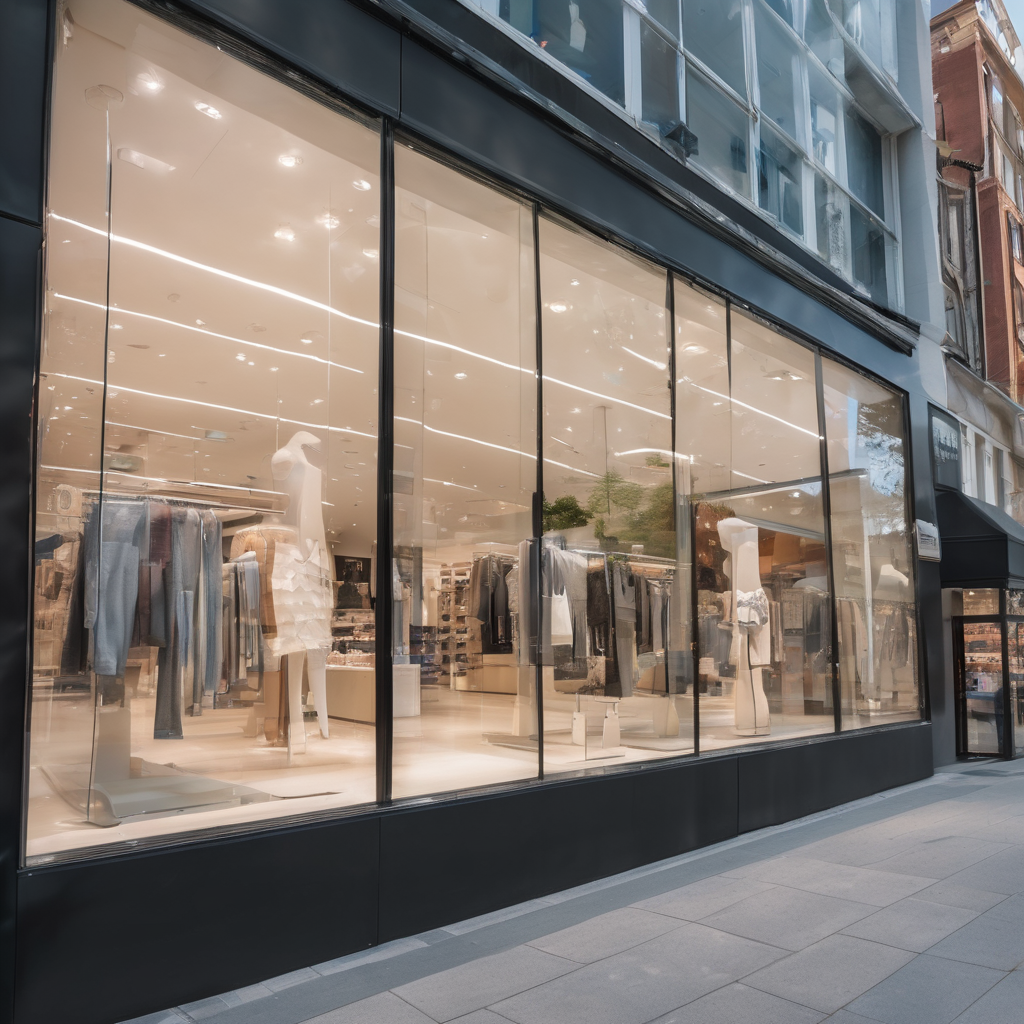
Retail spaces today are increasingly opting for full-glass storefronts—a trend that epitomizes contemporary design while serving as a strategic move for businesses. From charming boutiques to luxury flagship stores, full-glass fronts have become a defining architectural element, merging functionality and aesthetics. But why are so many retail stores shifting toward this striking design choice? Let’s explore the reasons behind this move and the artful appeal glass brings to the retail world.
1. Creating a Sense of Openness and Transparency
One of the primary reasons retail stores are switching to full-glass fronts is the unparalleled sense of openness they offer. Glass creates a transparent barrier that erases the sense of confinement between the interior and exterior spaces. For potential customers strolling by, a clear view into the store ignites their curiosity without stepping inside. This seamless flow between the outdoors and indoors is appealing, drawing customers in effortlessly. With trust increasingly being a deciding factor in consumer behavior, the transparency of glass fronts symbolically aligns with openness and honesty, reassuring shoppers before they even set foot inside.
2. Maximizing Natural Light
Natural light is a pivotal design element in creating inviting spaces. Full-glass storefronts allow sunlight to flood the interiors, eliminating the need for constant artificial lighting during the day. This not only helps retail businesses save on energy costs but also creates a warm and welcoming ambiance.
Retailers are beginning to understand how light influences customers’ buying psychology. Bright, naturally lit spaces amplify colors and enhance the appearance of products, making them more attractive to buyers. Whether it’s a dazzling display of artisanal jewelry or vibrant racks of designer clothing, the play of sunlight through glass can dramatically elevate the visual appeal, turning the store itself into a piece of art and design.
3. Showcasing Products Like Never Before
With full-glass fronts, retail stores essentially turn their space into a living, breathing advertisement. Their products, décor, and store layout are now part of the visual narrative that passersby encounter. Instead of relying solely on posters or static signage to bring people in, glass allows the store’s offerings to speak for themselves.
This approach works like a gallery in the world of art and glass—where every product on display becomes part of the exhibit. The store becomes a canvas, and the products align with the aesthetic sensibility of the brand. Whether it’s luxurious furniture or eye-catching art pieces, a full-glass facade ensures that marketing efforts start long before a customer enters.
4. Versatility in Design
Glass is no longer a one-dimensional building material. Over time, innovations in glass engineering have introduced retail designers to a wide range of possibilities, from frosted and etched styles to multi-panel setups and frameless designs. For high-end retailers, this versatility allows for sleek and minimalist storefronts that perfectly reflect their brand’s commitment to elegance and modernity.
Additionally, retailers who work within the realm of creativity and visual appeal, such as art galleries or stores specializing in unique handcrafted items, can take advantage of customized glass designs. Through clever usage, these businesses can turn their spaces into architectural masterpieces while making a statement about their commitment to both functionality and style.
For those interested in taking their storefront to the next level, companies like Glassy offer innovative solutions that blend artistry and practicality in glass design, enabling retail brands to express their individuality with bespoke systems.
5. Boosting Foot Traffic
First impressions matter in retail. A well-designed full-glass facade has the power to instantly grab attention and entice customers to explore what’s inside. Glass storefronts eliminate the visual barriers of opaque walls, creating an unobstructed view of the store’s interiors. This accessibility not only increases curiosity but also boosts foot traffic, which is critical for retail success.
Research shows that humans are instinctively drawn to well-lit, inviting spaces, which glass naturally provides. This architectural feature works wonders in high-density areas like malls or bustling streets, where competition for attention is the norm. A beautifully lit store interior, visible through a glass front, is likely to stand out in a crowded retail landscape.
6. Leveraging Trends in Modern Architecture
The growing interest in sustainability and elegant minimalism has fueled the adoption of glass in commercial and residential architecture. For many retailers, switching to a full-glass front signifies that they are embracing forward-thinking design practices. Pairing glass with other elements like steel or wood can add depth and personality, making it a versatile choice for architects.
A full-glass facade also communicates sophistication and modernity—qualities that resonate well with today’s design-conscious consumers. Shoppers perceive such stores as premium, and this perception can significantly influence brand loyalty and purchasing patterns. In the realm of art and glass, these stores are not just businesses; they are visual experiences.
7. Enhancing Security and Durability
Contrary to popular belief, modern storefront glass is both durable and secure. With innovations like tempered and laminated glass, security is no longer compromised for the sake of aesthetic value. These sturdy options are shatter-resistant and often come with UV-protective coatings to shield the interior and products from harmful sunlight.
For store owners worried about vandalism or extreme weather conditions, there are options like impact-resistant glass that come with an artful yet robust design. Leading glass providers such as Glassy ensure that businesses don’t have to compromise on safety while reaping the benefits of a sleek, contemporary facade.
8. The Artistic Allure of Glass
There’s an undeniable artistic quality to glass. Its ability to reflect, refract, and transform light makes it one of the most dynamic elements in architecture. When used for retail storefronts, glass becomes more than just a material—it becomes an experience.
Glass as an art form has always fascinated humans. It is both delicate and strong, functional yet decorative, grounding yet uplifting. Retailers who adopt full-glass storefronts are, in a sense, engaging in a form of visual communication, using light, shadows, and reflections to craft a unique invitation to their customers.
When paired with complementary architectural elements, glass can completely redefine how a brand expresses itself to the world—precisely why the shift toward full-glass fronts is more than a trend; it’s an evolution.
The Future is Transparent
Full-glass fronts are redefining retail spaces as more than just shops; they are becoming architectural statements that blend art, design, and functionality. By capitalizing on the transparency, openness, and sleek appeal of glass, retailers can create environments that not only maximize visibility but also evoke trust, sophistication, and inspiration.
For those seeking to upgrade their storefronts with this contemporary approach, understanding the art and science of glass is critical. Providers like Glassy can help businesses transform their visions into reality, ensuring their spaces captivate and delight customers at every turn. With so much to offer—spanning aesthetics, practicality, and customer psychology—it’s no wonder full-glass storefronts are here to stay.