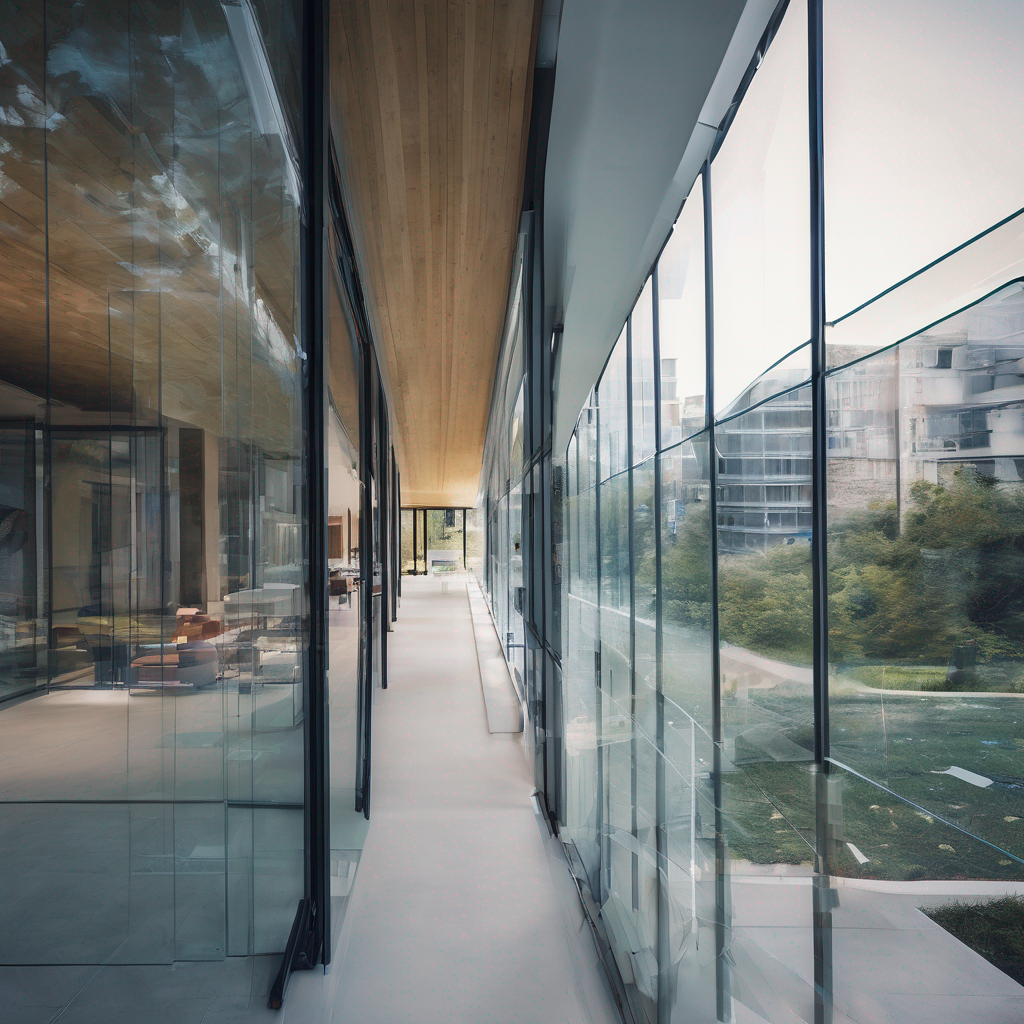
The Future of Smart Glass in Architecture
The architectural landscape is undergoing a significant transformation. With rapid advancements in technology and an increased focus on sustainable design, smart glass is emerging as one of the most innovative materials reshaping the relationship between structures and their environments. Smart glass, once considered a futuristic concept, is now a practical and increasingly desirable solution for architects and designers looking to blend functionality, aesthetics, and environmental mindfulness.
This article explores the profound impact and promising future of smart glass in architecture and its growing role in artistic, sustainable, and modern design.
Smart Glass: A Harmonious Blend of Technology and Art
Smart glass, also referred to as switchable glass or dynamic glass, is not just a utilitarian material—it is the perfect marriage of technology and art. Its ability to change opacity at a moment’s notice exemplifies the creative potential it offers architects and interior designers. Through innovations such as electrochromic, photochromic, and thermochromic technologies, smart glass can transition from transparent to translucent or opaque, effortlessly enhancing a structure’s visual appeal while maintaining practicality.
This adaptability enables smart glass to become a canvas for creative expression in art and architecture. Imagine intricate, stained glass-inspired designs enhanced with dynamic opacity shifts, or interiors where natural light behaves like an artist’s brush, accentuating textures, colors, and patterns.
Recent architectural trends also showcase the importance of blending functionality with beauty, allowing smart glass to carve a niche in spaces like museums, galleries, and modern art installations. For example, using smart glass partitions in an art gallery ensures both the preservation of delicate works and the seamless flow of natural light—two critical design goals achieved simultaneously.
Unlocking New Possibilities in Sustainable Design
As climate change remains a pressing global concern, sustainable architecture has become a cornerstone of modern design practices. Smart glass is a champion of eco-friendly innovation, promising energy-efficient solutions that benefit both homeowners and commercial architects.
One remarkable feature of smart glass is its ability to regulate indoor temperature by minimizing heat transfer. During hotter months, smart glass can reduce solar heat gain, keeping spaces cool without the need for excessive air conditioning. Similarly, in colder seasons, it reduces heat loss, cutting down on energy consumption for heating. By incorporating smart glass windows or facades, buildings achieve superior energy efficiency, lowering carbon footprints.
Moreover, sustainable buildings that embrace smart glass components often receive certifications like LEED (Leadership in Energy and Environmental Design), appealing to stakeholders who prioritize eco-consciousness. The integration of this dynamic material with solar panel technologies is another exciting development, pushing architecture towards a cleaner, greener future.
How Architects Are Redefining Space with Smart Glass
Modern urban spaces are increasingly characterized by glass-centric designs that blur indoor and outdoor boundaries. From sprawling skyscrapers to compact smart homes, smart glass is revolutionizing the way we interact with space and adapt to changing needs.
Dynamic Privacy Solutions
One of the most compelling applications of smart glass in architecture is its ability to transform spaces at the flick of a switch. Smart glass partitions, for example, allow architects and interior designers to create versatile spaces that can easily shift between open layouts and private environments. In the context of offices, smart glass facilitates collaboration by maintaining transparency when required, but can also ensure privacy during meetings or brainstorming sessions.
Similarly, in modern residential architecture, smart glass can be strategically placed in bathrooms, bedrooms, or shared spaces, amplifying comfort while enabling customizable privacy. Gone are the days of fixed window coverings or bulky curtains—smart glass offers privacy and illumination in perfect harmony.
Capturing Natural Light
Another standout feature of smart glass is its role in optimizing natural light within buildings. Architects understand the importance of daylighting for mental well-being, productivity, and overall ambiance. Structures equipped with smart glass can control how light interacts with interiors, reducing glare while welcoming sunlight. This delicate balance ensures indoor spaces remain vibrant yet functional, making smart glass an ideal material for art studios, creative workspaces, or homes designed for artistic purposes.
By maximizing natural light, smart glass not only supports energy efficiency but also fosters environments where creativity and inspiration can thrive—connecting visionaries in art and design with innovative materials.
Challenges and Opportunities: What Lies Ahead?
While smart glass has undoubtedly reshaped architecture, its future holds both challenges and opportunities. The cost of manufacturing smart glass can be a barrier for widespread adoption, especially for smaller-scale residential projects. However, as technology evolves, production costs are expected to drop significantly, encouraging broader use in buildings across diverse segments.
Another compelling opportunity is integrating smart glass with other emerging technologies, such as smart home systems and Artificial Intelligence (AI). Imagine windows that adjust opacity based on weather conditions, time of day, or even your mood—this convergence of smart glass with the Internet of Things (IoT) can further transform architecture, making structures more responsive and user-centric.
Furthermore, as we continue to appreciate the role of “art & glass” in inspiring architectural designs, designers can push smart glass applications into more creative realms. The combination of artistry, sustainability, and innovation sets the stage for iconic designs that will shape the age of modern and eco-conscious architecture.
Conclusion: Smart Glass as the Future of Architectural Expression
The future of smart glass in architecture is undeniably bright. Its transformative qualities are helping architects, designers, and visionaries build environments that seamlessly blend artistry, functionality, and sustainability. Whether it’s for achieving energy efficiency, redefining spatial privacy, or crafting mesmerizing art-inspired designs, smart glass is proving to be an indispensable material that breathes innovation into every project.
As modern architecture becomes increasingly focused on sustainability and dynamic aesthetics, embracing smart glass is not just an option—it’s a necessity for forward-thinking architects and designers around the globe.
To explore more about innovative glass technologies impacting architecture and design, visit Glassy to dive deeper into dynamic solutions for your creative spaces. Learn how smart glass can transform your next project into a masterpiece of modernity and sustainability.
The Future of Smart Glass in Architecture: A Symphony of Innovation and Design
In recent years, architectural design has embraced innovative materials and cutting-edge technologies at an extraordinary pace. From sustainable solutions to aesthetically mesmerizing concepts, one standout advancement is smart glass. Combining technology with artistry, smart glass is shaping the future of architecture, blurring traditional boundaries of form and function. Let’s explore how this fascinating material is transforming the landscape of modern architecture and interior design while catering to both sustainability and aesthetic appeal.
What is Smart Glass?
Smart glass, also known as switchable or dynamic glass, is a technologically advanced material capable of altering its transparency, opacity, or tint in response to external stimuli such as light, electricity, or temperature. This adaptability makes it a versatile choice for modern-day architects passionate about combining innovation with functionality. For spaces seeking a harmonious fusion of privacy, lighting control, and energy efficiency, smart glass is emerging as an indispensable tool.
Imagine a sleek skyscraper facade, shimmering under the sunlight, that intelligently adjusts its transparency to reduce heat gain inside the building. Or picture interiors where glass walls transform into opaque surfaces at the push of a button for privacy — all achieved without compromising artistry and design. This cutting-edge solution is redefining how architects and designers envision space.
The Artistic Appeal of Smart Glass in Architecture
Beyond its technological marvels, smart glass carries immense artistic value, allowing architects and designers to play with light, texture, and spatial fluidity. As the lines between architecture and art blur, smart glass becomes an essential medium for bringing together creative vision and functionality.
For example, incorporating smart glass into contemporary eco-friendly homes can create a dynamic interplay of light and shadow, changing throughout the day to create a living piece of art. In public galleries or museums where “Art & Glass” takes center stage, smart glass panels provide opportunities for interactive exhibits, offering visitors a unique experience of observing objects behind changing opacities.
Smart glass seamlessly integrates into both interiors and exteriors, enabling creative expression that aligns with sustainability goals. Architectural designs leveraging smart glass often combine its adaptability with artistic nuances, transforming any ordinary space into an immersive environment.
Applications of Smart Glass in Modern Architectural Spaces
The versatility of smart glass makes it an ideal choice in various architectural applications. Let’s examine the ways it’s being incorporated into modern designs:
1. Sustainable Buildings and Energy Efficiency
Smart glass contributes significantly to creating eco-friendly structures. Energy-efficient buildings benefit from glass facades that can modulate sunlight, reducing heating and cooling costs. This technology minimizes reliance on artificial light and HVAC systems, thereby shrinking carbon footprints. Architects focusing on environmentally conscious designs increasingly turn to smart glass as a practical yet elegant solution.
2. Interior Partitioning in Workspaces
Modern offices prioritize flexibility, collaboration, and openness without compromising privacy. Smart glass walls can convert open spaces into private meeting rooms instantly, providing design fluidity while maintaining employee productivity. This multi-functional feature enhances spatial flexibility and reflects the evolving needs of the corporate world.
3. Residential Spaces: Privacy Meets Aesthetics
Smart glass revolutionizes home interiors by combining aesthetic finesse and functional benefits. From bathroom partitions that switch between clear and frosted, to expansive living rooms where light streams through intelligent windows, residential applications balance privacy, comfort, and elegance.
How Smart Glass Enhances Sustainability
Smart glass has gained immense traction due to its alignment with sustainability — a concept that has become integral to architectural practices globally. Conventional glass windows often result in excess heat during summer months and poor insulation during colder seasons. Smart glass circumvents these challenges by adapting to environmental changes, reducing energy usage, protecting interiors from harmful UV rays, and improving overall thermal insulation.
In essence, smart glass promotes sustainable living by actively reducing energy consumption, making it a vital component in green building certifications like LEED. This fusion of technology and sustainability aligns perfectly with contemporary design philosophies, where functionality and environmental responsibility are paramount.
The Future of Smart Glass in Architecture
Smart glass is poised to redefine the architectural world further, especially with the integration of AI and IoT technologies. Imagine entire building facades equipped with smart glass that intuitively interacts with its surroundings, optimizing energy consumption based on weather patterns and occupant preferences. By working in synergy with smart home systems, residential spaces will gain unparalleled convenience, comfort, and efficiency.
Moreover, advancements in art-related applications of glass design are bound to soar. For instance, digital projections integrated with dynamic glass may turn ordinary structures into ever-evolving canvases, showcasing breathtaking visual art. Whether in urban landscapes or serene suburban homes, the possibilities are limitless.
Challenges to Address
Despite its immense potential, widespread adoption of smart glass still faces certain challenges. Manufacturing costs, technological scalability, and end-user accessibility are among the hurdles. However, as the demand for sustainable architectural solutions continues to rise, innovations in production processes are likely to bring prices down, making smart glass more accessible for both large-scale commercial buildings and individual homeowners.
Architects and designers today are actively collaborating with industry leaders to push the boundaries of what smart glass can achieve. The growing interest in this technology is paving the way for exciting development.
Smart Glass: A Medium for Art and Innovation
Architecture has always revolved around the harmonious blend of aesthetics and functionality, and smart glass encapsulates this balance beautifully. As it becomes more widely adopted, contemporary architects and designers are increasingly pushed to think outside the box — incorporating it into structures that are not only technologically advanced but also artistically inspiring.
Whether it’s the reflective facade of a high-tech building or an interactive cultural exhibit, smart glass is becoming synonymous with innovation. If you want to explore premium glass design ideas and dive into innovative solutions for architecture, Glassy offers insights and solutions to inspire your next creative venture.
Conclusion
Smart glass is not merely a material of the future; it’s a testament to how technology and artistry can coexist seamlessly in architecture. As the demand for sustainable, dynamic, and aesthetically compelling designs rises, smart glass represents a unique opportunity to transform spaces into living art forms. By merging functionality with creativity, architects are turning to this marvel to redefine modern spaces.
For those exploring architectural innovations rooted in glass design, visiting Glassy can be your gateway to uncovering the endless possibilities of art and glass in architecture.# The Future of Smart Glass in Architecture
The architecture world is evolving rapidly, fueled by innovation, technology, and growing demands for functionality and sustainability. One standout development poised to redefine modern design is the integration of smart glass — a remarkable material offering transformative possibilities in contemporary architecture. Combining aesthetics and technology, smart glass is fast becoming a staple for builders, designers, and even artists seeking versatility, efficiency, and an enhanced user experience.
Whether complementing interiors, creating dynamic facades, or revolutionizing artistic expressions through art and glass, smart glass carries tremendous potential to shape the future of architectural design.
What Is Smart Glass?
At its core, smart glass is a sophisticated type of material that can change its properties — like transparency or opacity — through external stimuli, such as light, heat, or electricity. Known by various names like “switchable glass” or “dynamic glass,” this technology empowers architects and designers with the ability to control the ambiance, lighting, and privacy levels of spaces seamlessly.
From residential projects to commercial complexes, smart glass is redefining usage possibilities, marrying aesthetic appeal with practical benefits for everyday living and working environments.
How Smart Glass Is Impacting Architecture
1. Elevating Energy Efficiency
Sustainability is at the heart of modern architecture, and smart glass is leading the charge in energy-efficient building designs. This innovative material often integrates advanced technologies like electrochromic coatings that regulate heat and light transmission. For example, windows constructed with smart glass can minimize the influx of heat during summer while trapping warmth during colder months — reducing the need for excessive air conditioning or heating systems.
Architects are embracing this eco-friendly solution not just for its thermal benefits but also for its ability to meet sustainability goals without compromising aesthetics.
2. Enhancing Interiors with Adaptive Spaces
Interior spaces gain limitless possibilities with the inclusion of smart glass. Designers increasingly opt for this material in offices, homes, and public venues to create fluid environments. Smart glass partitions can transform transparent areas into private zones at the flick of a switch, allowing spaces to adapt to users’ needs dynamically.
In particular, installations combining art and glass have unlocked possibilities for more personalized designs. Creative professionals are using smart glass as a canvas to create decorative panels and interactive art forms that respond to light or movement. Such innovations dramatically enhance interiors, fostering functionality while delivering unique, artistic appeal.
3. Revolutionizing Exterior Designs
Modern-day facades are witnessing extraordinary transformations thanks to smart glass advancements. The ability to create dynamic exterior presentations enables architects to design structures that visually evolve throughout the day. Smart glass buildings can feature reflective exteriors during daylight that maximize light diffusion while transitioning to glowing, transparent surfaces in the evening, showcasing interiors or vibrant artistic elements.
Additionally, smart glass facades significantly reduce glare, improve visibility, and create a harmonious indoor-outdoor experience. These features are particularly appealing for urban spaces where maximizing natural light without compromising energy efficiency is a priority.
The Artistic Implications of Smart Glass
Smart glass isn’t solely about functionality; its potential as an artistic medium deserves attention. The fusion of art and glass has always been an iconic pairing in architectural design, and the introduction of smart technology to glass magnifies the possibilities.
Interactive art installations using smart glass enable entirely new ways of storytelling and engagement. From corporate spaces displaying brand narratives to cultural institutions showcasing dynamic exhibitions, smart glass opens the door to immersive and innovative digital art experiences.
Furthermore, many designers and glass artists view smart glass as a medium that bridges utility and creativity. By experimenting with color, texture, and adaptability, artistic integrations of smart glass can redefine traditional notions of static installations, offering works that are as functional as they are mesmerizing.
Smart Glass in Residential Spaces
Another exciting realm for smart glass innovation lies within residential architecture. Homeowners seek increasingly personalized solutions that combine comfort, style, and sustainability, and smart glass delivers just that.
Privacy glass for bathrooms or bedrooms, switchable windows to improve natural lighting, and skylights that self-adjust to weather conditions are just a few practical examples. Beyond functionality, architects are embracing smart glass installations to introduce visually stunning effects — creating awe-inspiring experiences within modern homes.
For those who value aesthetic design as much as technological prowess, smart glass enriches the experience of living spaces, often doubling as a decorative feature.
Challenges and Opportunities
While the future of smart glass in architecture is bright, a few challenges remain. Costs associated with dynamic glass can deter small-scale projects, and durability concerns can sometimes slow its widespread adoption. However, ongoing innovations in production methods and increasing demand are paving the way for more affordable yet high-quality solutions.
As these challenges are overcome, architects and designers will find even more compelling reasons to choose smart glass for future projects. From integrating digital art installations to redefining concepts of privacy, the opportunities are limitless.
Looking Ahead
The future of architectural design lies in the seamless blend of technology, sustainability, and creativity — and smart glass is well-positioned to lead the charge. Beyond its practical applications, this innovative material sparks the imagination of artists and designers alike, showcasing how art and glass can flourish in dynamic ways.
Smart glass is not merely a tool; it’s a design language. As more professionals recognize the ability to create customizable, sustainable, and visually engaging environments, smart glass will cease being a trend and establish itself as a foundational architectural element.
If you’d like to explore innovative solutions in modern glass design or gain inspiration for your next architectural project, visit Glassy for insights. Discover how the integration of smart glass can help achieve elegant, efficient, and sustainable spaces.
Additionally, consider exploring more trends in architectural glass at Glassy to elevate your designs to the next level.
In conclusion, smart glass is not just a material of the future — it is the inevitable evolution of architecture itself.# The Future of Smart Glass in Architecture: Bridging Innovation and Art
In the ever-evolving realm of architectural design, the integration of cutting-edge technology is transforming spaces into functional works of art. Among these innovations, smart glass is garnering widespread attention as a versatile material with the power to redefine not just aesthetics, but also functionality in modern architecture. As architects and designers push boundaries, the future of smart glass is shining brighter than ever, making it a key player in shaping sustainable, dynamic environments.
What is Smart Glass?
Smart glass, or switchable glass, is a technologically advanced material that can change its properties — such as opacity or transparency — according to external stimuli, like light, electricity, or temperature. With a simple push of a button or in response to environmental conditions, smart glass can transition from clear to frosted, offering enhanced privacy, energy efficiency, and aesthetic excellence.
This technology is not just utilitarian; it is increasingly aesthetic, allowing architects and interior designers to create spaces that feel alive, connected, and adaptable. In many ways, smart glass is carving out a new intersection between science and art, especially when it comes to its applications in architecture.
Revolutionizing Architecture: From Functionality to Art
The fusion of smart glass with architectural design brings unparalleled flexibility to spaces while driving sustainability. However, its role transcends functionality; it also adds an element of artistic expression. Imagine a façade that shifts its opacity to reveal glimpses of the sky or an indoor sculpture encased in dynamic, light-reactive glass. These possibilities elevate architecture to a form of living art, blurring the lines between structural innovation and creative flair.
This artistic interpretation of glass is often inspired by traditional applications in stained-glass windows, mosaics, and other decorative glasswork — but with a 21st-century twist. Designers today are leveraging smart glass to curate immersive experiences, such as interactive walls or partitions that combine practicality and artistic finesse.
For architectural enthusiasts who view design as both science and art, this seamless incorporation of smart materials into interiors isn’t just about aesthetics; it represents how technology can transform our experiences of space.
Embracing Sustainability with Smart Glass
As sustainability becomes an integral consideration in architectural planning, smart glass offers energy-efficient solutions without sacrificing artistic expression. Its ability to adjust transparency enables better control of natural lighting and heat retention, lessening the reliance on artificial temperature regulation. When applied to windows, skylights, and façades, smart glass minimizes energy consumption, helping buildings meet stringent environmental standards.
This blend of green architecture and modern design is paving the way for eco-friendly structures that contribute to a healthier planet. Moreover, smart glass promotes biophilic design principles, allowing structures to harmonize with natural environments by enhancing sunlight access and providing views outside.
At its core, smart glass is a testament to how form and function can coexist to serve both practical and aesthetic goals.
Innovations Driving the Future of Smart Glass
The future of smart glass is promising, with exciting advancements underway:
- Dynamic Decorative Designs: Manufacturers are now incorporating patterns, colors, and textures into smart glass, making it a tool for artistic storytelling while meeting privacy demands. Architects could soon have access to smart glass that mimics contemporary art or replicates traditional glass patterns found in historical landmarks.
- Smart Glass in Smart Cities: As urban areas strive for sustainability, smart glass is becoming an important element of energy-efficient cityscapes. Imagine entire building façades equipped with smart glass technology that shifts transparency based on time, sunlight, or heat.
- Interactive Experiences: The rise of augmented reality and interactive displays opens possibilities for turning smart glass into digital canvases. In art galleries, museums, or even homes, this could lead to spaces where glass serves as both a protective casing and dynamic medium for storytelling.
For those keen to explore modern design trends, Glassy is an excellent resource for understanding how innovative glass solutions, including smart glass, are reshaping contemporary interiors and architecture.
Smart Glass Meets Art & Glass
Incorporating smart glass in art installations and exhibitions is a growing frontier that merges creativity with technology. From kinetic sculptures encased in light-responsive panels to museum walls that shift transparency to highlight curated works, smart glass brings an engaging element into the world of “Art & Glass.”
Among notable use cases are spaces designed to feel alive — where walls become dynamic displays or private sanctuaries appear in open offices with frosted partitions. With smart glass, artists and architects alike are empowered to experiment boldly with light, depth, and storytelling.
For those seeking more insights on how smart glass and art intertwine, Glassy’s blog explores the fascinating applications of modern glass designs within art-focused spaces.
The Road Ahead
The future of smart glass in architecture is undeniably promising, offering a captivating combination of utility, sustainability, and aesthetic brilliance. Whether embedded in ultra-modern skyscrapers or used as a canvas for avant-garde artistic endeavors, the material has become a cornerstone for forward-thinking architects and designers.
As this technology becomes more accessible, architects will have greater opportunities to shape spaces that interact seamlessly with their environment while serving practical needs. From residential projects to cultural landmarks, smart glass is set to play a pivotal role in transforming conventional architecture into spaces that reflect dynamic, living art.
The architectural world is, undoubtedly, poised for a paradigm shift — one where smart glass illuminates the path towards a future where innovation and creativity thrive in harmony.