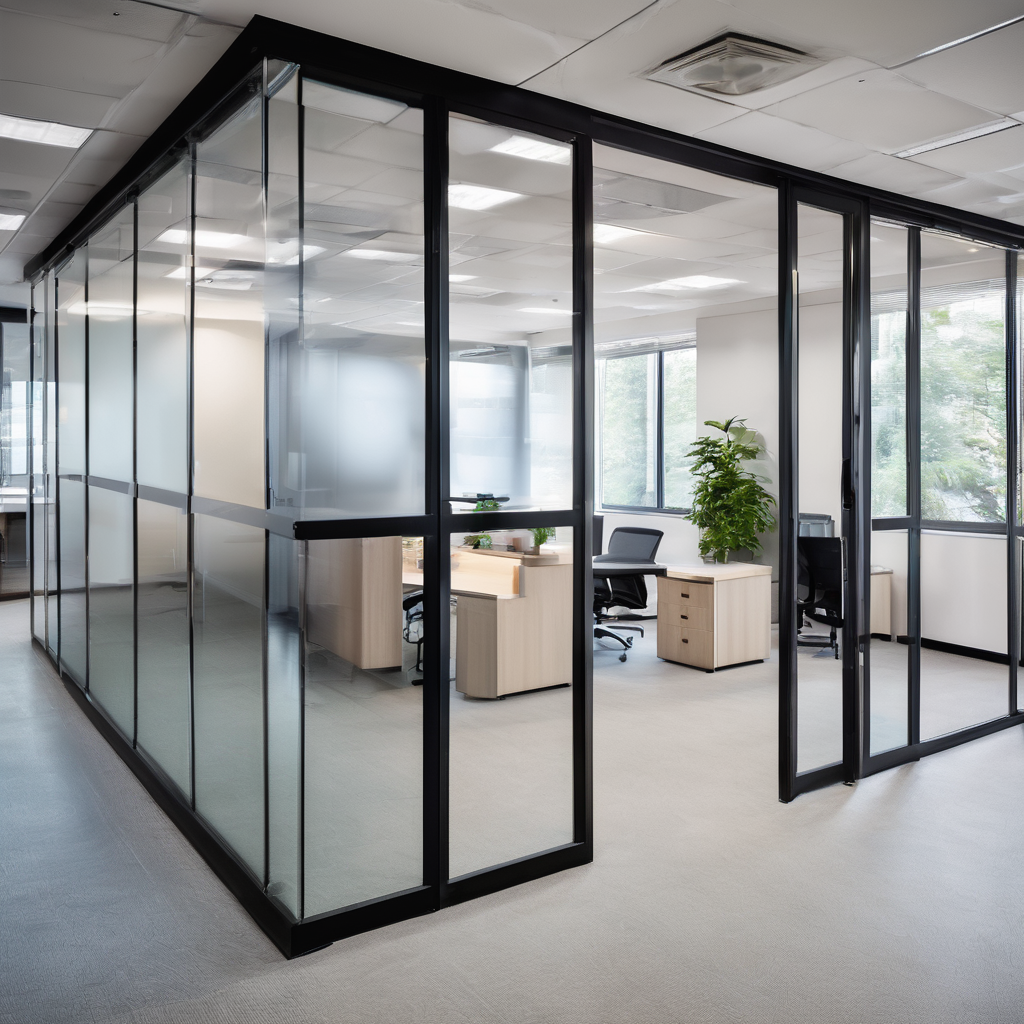
Why Builders Prefer Glass Partitions in Offices
In the bustling realm of modern office design, glass has emerged as the material of choice, redefining spaces with its sleek and functional appeal. Builders and interior designers worldwide increasingly choose glass partitions as a preferred tool to create dynamic, versatile, and aesthetically pleasing workspaces. But why is this trend flourishing? Let’s explore the reasons why glass partitions have become an architectural favorite while also delving into their unique connection with art and design.
1. Aesthetic Elegance Meets Functionality
Glass partitions are not just functional dividers; they are an artistic statement. Modern workplaces have evolved into more than just spaces for productivity — they are hubs of creativity, collaboration, and innovation. The transparency of glass creates a seamless blending of spaces, allowing natural light to flow through, which brightens up the interiors while contributing to a spacious, airy feel.
For builders, this dual-purpose functionality—combining aesthetics with practicality—is a significant draw. Glass partitions offer clean lines, minimalist vibes, and the opportunity to incorporate art-inspired finishes, such as frosted patterns, etched designs, or even colored glass panels that amplify the creative energy of the office space.
Art Meets Glass in Design
The integration of art with glass design further enhances its appeal. Many designers are now using decorative glass to transform office partitions into works of art while maintaining their practicality. From etched geometric patterns to custom branding or even abstract art-inspired motifs, glass is now a medium through which art and architecture can seamlessly merge.
2. Enhanced Natural Light and Energy Efficiency
Natural light is increasingly prioritized in modern office designs, and for good reason. Exposure to daylight has been shown to improve mood, boost productivity, and even positively influence overall employee well-being. Glass partitions allow light to flow freely from one area of the office to another, creating consistently bright and inviting interiors.
For builders, this is a win-win situation. Not only do glass partitions reduce the reliance on artificial lighting (leading to lower energy consumption), but they also cultivate an environment that feels open and inspiring. Builders who aim to create sustainable and energy-efficient office spaces often turn to glass as their material of choice, ensuring both ecological responsibility and long-term savings for clients.
Additionally, organizations striving for modern green building certifications benefit from the energy efficiency that glass partitions bring, further positioning glass as a vital component of eco-friendly construction.
3. Flexible Space Planning
One of the standout features of glass partitions is their versatility. Today’s work environments require flexibility to accommodate diverse tasks, teams, and projects. Glass partitions allow office layouts to be easily reconfigured, ensuring that the space can adapt to changing needs without requiring substantial alterations.
For builders, this flexibility makes glass partitions an invaluable tool. Instead of committing to permanent structures that limit the potential for redesign, glass partitions allow for dynamic space planning. Whether creating private offices, collaborative zones, or meeting rooms, these partitions can be incorporated seamlessly into any design concept. Many advanced systems today even include sliding or movable glass walls, which add an extra layer of adaptability.
4. Acoustic and Privacy Solutions Without Sacrificing Connectivity
While transparency is one of the most celebrated features of glass, concerns about privacy and noise control often arise. Luckily, modern glass partition systems are designed to strike a balance. With options such as double-glazed or laminated glass, offices can enjoy enhanced acoustic insulation, ensuring productive conversations and undisturbed focus in private spaces.
Furthermore, privacy doesn’t have to mean sacrificing design. Frosted glass, gradient films, or even tinted partitions can provide privacy while still allowing natural light to filter through. Builders and designers appreciate how these privacy solutions elevate the visual appeal of a space—adding artistic flair even in functional aspects of design.
5. Creating Collaborative and Connected Workspaces
In the age of open-plan offices, glass partitions have become a go-to material for fostering collaboration. While traditional walls often create a sense of isolation, glass bridges the gap between open and closed spaces, maintaining a sense of connection even when physical barriers exist.
Builders understand the importance of balance—offices need to be collaborative but not chaotic. Glass partitions encourage teamwork by visually connecting employees while offering the option for quiet, independent work when needed. This harmonious workplace dynamic, facilitated by glass, is a critical reason why it’s favored by both builders and business leaders alike.
Where Design Becomes Art with Glassy
For those seeking inspiration or practical solutions in the realm of glass art and office partitions, platforms like Glassy provide an exceptional blend of creativity and functionality. Through their innovative designs and commitment to quality, they elevate the concept of glass from a mere material into a medium of modern artistic expression.
Builders and designers who collaborate with professional providers like Glassy gain access to customized solutions that cater to diverse requirements—whether it’s branding through etched motifs or ensuring optimal acoustics with specialized glass systems. To explore more possibilities and bring your vision into reality, check out their product offerings and gallery of transformative projects.
6. Durability and Maintenance
While the sleek appearance and transparency of glass might suggest delicacy, modern glass partitions are built to last. With advanced safety features such as tempered or laminated glass, these partitions offer excellent durability, making them safe even in high-traffic office environments.
Maintenance, too, is straightforward. Glass does not warp, corrode, or accumulate dust like other materials. Builders find this longevity and ease of upkeep particularly advantageous as it ensures that their projects stand the test of time.
A Future-Proof Choice Rooted in Art and Design
As modern offices continue to emphasize creativity, collaboration, and employee well-being, glass partitions perfectly align with these priorities. Builders, designers, and architects recognize the unmatched versatility, functionality, and aesthetic elegance that glass brings to workspaces.
Moreover, glass, as a medium, blends seamlessly with artistic elements. Whether through intricate patterns, contemporary designs, or imaginative uses of film and etching, art and glass continue to reshape office interiors in innovative ways. By embracing the transformative power of glass, builders not only meet but often exceed the expectations of their clients, delivering offices that are as inspiring as they are practical.
In essence, the rise of glass partitions signals an exciting intersection of design, art, and architecture—where function meets beauty and where spaces come alive.# Why Builders Prefer Glass Partitions in Offices
In today’s ever-evolving world of office design, functionality is just as important as aesthetics. Builders and designers consistently seek materials that offer versatility, practicality, and style. Among the many options available, glass partitions have emerged as the top choice for modern office spaces. Their ability to seamlessly blend artistry, functionality, and contemporary design makes them a clear winner in both commercial office buildings and coworking spaces. So, why exactly do builders prefer glass partitions in offices? Let’s explore the vital reasons behind their widespread popularity.
1. Enhances Natural Light Flow
One of the most compelling benefits of using glass partitions in offices is their ability to maximize natural light flow. Unlike solid walls that block light, glass allows sunlight to travel freely across the workspace, creating a brighter and more welcoming environment. Natural light does more than just brighten a room—it’s proven to boost productivity, enhance employee well-being, and even reduce energy bills.
Builders and architects often prioritize natural light when designing spaces because it provides long-term value to clients. Additionally, employees working in well-lit spaces are known to feel more energized and focused. Integrating glass partitions creates a seamless connection between areas without sacrificing light, making it a cornerstone of modern office design.
2. Creates a Sense of Openness
Gone are the days of cubicles and boxy office layouts. Today, companies are opting for open, collaborative environments that foster creativity and communication. Glass partitions offer the perfect balance between openness and privacy. They help maintain the visual flow of an office while still offering functional division of space.
Unlike traditional partitions that can make a space feel confined or claustrophobic, glass partitions create a sense of openness, making rooms feel larger and more inviting. Builders see this as an opportunity to merge clean architectural designs with an airy, elegant look, which appeals to many businesses aiming to create dynamic work environments.
3. They’re the Future of Flexible Workspaces
The modern workplace needs to keep up with evolving methods of collaboration, hybrid work models, and the ever-changing demands of office layouts. Glass partitions give builders and designers the freedom to reconfigure spaces without the hassle of tearing down walls or executing time-consuming construction.
Wall systems crafted from glass are highly modular. Builders turn to this material because installation is fast, and changes can be made with minimal disruption. With the rising demand for adaptive, multi-use office spaces, glass partitions support the flexible work culture effortlessly.
For those who wish to explore creative ways to incorporate glass in their interiors, companies like Glassy offer tailored, high-quality solutions that bring visionaries’ ideas to life while maintaining professionalism.
4. A Perfect Blend of Functionality and Art
Glass is not just a material—it is an artistic medium that holds endless design possibilities. For companies that wish to make a bold statement, glass partitions allow the infusion of art and creativity into office interiors.
Builders and designers know they can enhance the aesthetic appeal by incorporating frosted, etched, or patterned glass into partitions. These designs can reflect a company’s identity or brand ethos while maintaining functionality. For instance, frosted or tinted glass ensures privacy without sacrificing elegance, while clear glass conveys transparency and inclusivity within the workforce.
Because of its design versatility, glass transforms spaces into a fusion of art and functionality. For businesses that pride themselves on being modern or forward-thinking, such details contribute to creating a lasting first impression on clients and visitors alike.
5. Easy Maintenance and Durability
From a practical perspective, glass partitions are easy to clean and maintain, which makes them incredibly durable and very cost-effective in the long run. Unlike drywall that requires frequent repairs, paint touch-ups, or even replacement due to wear and tear, glass remains strong and resistant to damage with minimal upkeep.
Additionally, advanced glass-manufacturing techniques have made glass highly resilient and safe. Tempered or laminated glass, for instance, has a robust build that withstands heavy usage while adhering to strict safety and building codes. It’s qualities like these that make glass partitions a preferred choice for builders who value longevity and low-maintenance costs.
6. Fosters Transparency and Communication
In the art of building workplace culture, transparency is often a symbolic and literal goal. Glass partitions act as a metaphorical bridge between teams by breaking down physical barriers, fostering better communication, and promoting an open culture.
Incorporating glass fosters a collaborative spirit—employees can see and engage with each other while ensuring their privacy for focused tasks. Builders often use the trend of “transparency through design” as a selling point for their corporate clients, aligning the physical environment with the business’s cultural ethos.
7. Sustainability and Eco-Friendliness
Sustainability is no longer a buzzword; it’s a necessity in architecture and building projects today. Glass partitions appeal to eco-conscious builders because they are recyclable, durable, and help reduce a building’s carbon footprint. By enhancing natural light flow, businesses can significantly cut down on artificial lighting, making it an energy-efficient choice over time.
Collaborating with innovative glass solution providers, such as Glassy, allows builders to create office spaces that are not only visually stunning but also aligned with green building practices. These glass elements help in achieving eco-friendly certifications and demonstrate a commitment to environmental responsibility.
Final Thoughts
The reason builders prefer glass partitions in office spaces lies in the sheer flexibility, aesthetic appeal, and practicality they bring to modern workplaces. From fostering natural light and design ingenuity to creating open and transparent spaces, glass partitions blend art with functionality in an exquisite way. They cater to businesses’ evolving needs while also ensuring a timeless and sustainable architectural element.
For inspiration on how to utilize the artistic potential of glass partitions in new or pre-existing spaces, businesses can turn to trusted partners like Glassy, whose innovative solutions are redefining glass design in offices worldwide.
Whether you’re building a new office or simply upgrading an existing one, it’s clear: glass partitions are here to stay—and the possibilities they offer are as transparent as the material itself.