Acoustic Glass vs Regular Glass – What’s the Difference?
Glass has long been a versatile material in architecture, interior design, and art, bringing functionality, elegance, and creativity to countless projects. Whether it’s expansive windows framing panoramic views or decorative installations that elevate interiors, glass plays a pivotal role in both beauty and practicality. However, when it comes to choosing the right type of glass for a project, many people find themselves weighing their options between acoustic glass and regular glass.
If you’re curious about the difference between these types of glass, the advantages they offer, and how they can shape your living space or creative vision, this guide will walk you through the key distinctions.
What is Acoustic Glass?
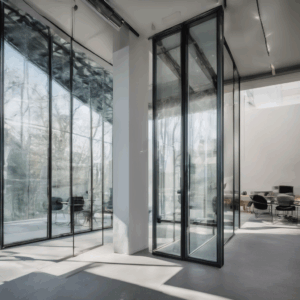
Acoustic glass is a specially engineered type of glass designed to reduce noise transmission. It consists of two or more layers of glass, bonded together with a special acoustic interlayer, usually made of polyvinyl butyral (PVB). This interlayer significantly reduces vibrations from sound waves, thereby minimizing the transfer of noise through the glass.
This makes acoustic glass an ideal solution for modern spaces where silence or sound control is a priority, such as homes near busy streets, office buildings, or even contemporary art galleries that demand a serene and contemplative atmosphere.
What is Regular Glass?
By contrast, regular glass refers to the standard, single-pane glass commonly used in windows, doors, and decorative features. While it fulfills basic functional needs—such as allowing light to pass through or forming a barrier between interior and exterior environments—it lacks the specialized properties of acoustic glass, particularly when it comes to controlling noise or enhancing energy efficiency.
Despite its limitations, regular glass is still widely used due to its affordability and versatility in art and design projects.
Key Differences Between Acoustic Glass and Regular Glass
1. Noise Reduction
One of the most notable differences between acoustic glass and regular glass is noise insulation. While regular glass offers minimal soundproofing, acoustic glass excels in blocking external noise. This makes it a better choice for residential or commercial properties located in urban environments or near sources of loud sounds such as airports, train stations, or highways.
For example, if you’re crafting a serene reading nook with artistic glass partitions, using acoustic glass can create a tranquil oasis while still offering the aesthetic appeal you’re aiming for.
2. Thickness and Layers
Regular glass is usually a single layer of material, which is sufficient for basic applications. On the other hand, acoustic glass incorporates multiple layers bonded together by the PVB interlayer. This not only enhances soundproofing but also makes acoustic glass slightly thicker and more robust compared to standard glass.
3. Safety and Durability
The interlayers in acoustic glass not only help it reduce noise but also add a layer of safety. In the event of breakage, the glass tends to remain bonded to the interlayer, reducing the risk of injury. Regular glass, on the other hand, tends to shatter into sharp pieces, posing a potential hazard.
4. Cost
Unsurprisingly, the advanced technology and manufacturing involved in producing acoustic glass make it more expensive than regular glass. However, the cost is often offset by the long-term benefits, such as improved indoor comfort, energy efficiency, and even potential savings on heating or cooling costs.
For more details on modern glass solutions for architecture or art projects, check out this resource on modern glass designs.
5. Applications
Both acoustic glass and regular glass find their place in different settings. While regular glass is often employed for general purposes like windows, picture frames, or decorative art installations, acoustic glass is a sought-after solution for environments that demand both functionality and aesthetics, such as hotels, museums, and creative workspaces.
For instance, if you’re enhancing a modern building that incorporates Art & Glass as key design elements, acoustic glass panels can optimize visual appeal while delivering peace and quiet.
Benefits of Acoustic Glass
Choosing acoustic glass over regular glass isn’t just about reducing noise; it’s about elevating your entire living or working environment. Let’s take a closer look at the unique advantages of acoustic glass:
- Comfort: Enjoy a space free from outside noise, making acoustic glass perfect for home offices, bedrooms, or relaxation rooms.
- Energy Efficiency: Many acoustic glass products also improve thermal insulation, helping regulate indoor temperatures and potentially reducing energy bills.
- Creative Design Potential: With customizable sizes, shapes, and finishes, acoustic glass can be seamlessly integrated into creative or artistic interiors without compromising on functionality.
- Value Addition: Homes and buildings that incorporate advanced glazing solutions like acoustic glass often experience an increase in resale value due to the comfort and practicality they offer.
Is Regular Glass Still Valuable?
For those on a tight budget or working on artistic installations that don’t demand advanced features, regular glass continues to be a practical and affordable option. Its simplicity lends itself to a wide array of uses, from decorative window designs to customized hanging artwork.
Which One Is Right for You?
Choosing between acoustic glass and regular glass depends on the specific needs and priorities of your project. If noise control and enhanced durability are essential—particularly in urban areas or spaces where tranquility is paramount—acoustic glass is worth the investment. However, for simpler, cost-effective solutions, regular glass can still deliver beauty and functionality.
If you’re looking for inspiration to incorporate stunning glass designs in your architectural or artistic projects, explore creative solutions on Glassy.
The Marriage of Art & Functionality with Glass
In the world of modern design and architecture, glass is more than just a building material—it’s a canvas for innovation, aesthetics, and creativity. From the versatility of regular glass in artistic displays to the advanced functionality of acoustic glass in noise-sensitive environments, both types of glass bring unique advantages to the table.
By understanding their differences, you can make informed choices that enhance your spaces and turn your artistic visions into reality.# Acoustic Glass vs Regular Glass – What’s the Difference?
Glass has been an integral part of human architectural and artistic endeavors for centuries. Whether shaping the windows of majestic cathedrals or accentuating modern interiors with unique, minimalistic aesthetics, glass provides endless opportunities for creativity. However, not all glass is created equal. In particular, the choice between acoustic glass and regular glass is critical for anyone investing in soundproofing, energy efficiency, or design.
In this article, we’ll explore the fundamental differences between acoustic and regular glass, while also addressing how these two types are shaping the realms of art and interior design. Whether you’re designing a modern home or an elegant workspace, understanding the unique characteristics of each can make all the difference.
What Is Regular Glass?
Before diving into acoustic glass, let’s discuss regular glass—the type found in most everyday applications, from basic windows to decorative items. Regular glass, often referred to as annealed glass, is a simple and inexpensive material widely used in construction and design. It is created by cooling molten glass naturally, leading to a smooth, clear, and versatile finish.
Key characteristics of regular glass include:
- Clarity: Regular glass is typically exceptionally transparent, making it perfect for use in almost any setting where natural light and visibility are key.
- Cost-effectiveness: Its affordability makes it a popular choice for residential projects as well as in artistic installations.
- Versatility: This type of glass forms the basis for more advanced varieties, like tempered and laminated glass.
While regular glass plays an important role in design and architecture, it has its limitations. It offers little in terms of soundproofing, something that can be a challenge in busy urban environments—this is where acoustic glass steps in.
What Is Acoustic Glass?
Acoustic glass is a specialized form of laminated glass designed to reduce noise pollution. It features multiple panes of glass bonded together by an internal layer of acoustic polyvinyl butyral (PVB). This unique construction dampens sound waves, reducing the transmission of external noise into a building or space.
Key characteristics of acoustic glass include:
- Soundproofing: Its primary advantage, acoustic glass significantly minimizes sound levels from busy roads, airports, or even adjacent rooms.
- Energy efficiency: By creating an additional thermal barrier, acoustic glass often enhances insulation, reducing energy costs for heating and cooling.
- Durability: The layered structure of acoustic glass also makes it stronger and more resistant to impact compared to regular glass.
Acoustic Glass vs Regular Glass: The Key Differences
1. Noise Reduction
The most crucial difference lies in soundproofing. Regular glass, due to its simpler construction, does not effectively dampen sound, making it less suitable for environments where noise reduction is a priority. In contrast, acoustic glass acts as a sound barrier—perfect for urban apartments, recording studios, or buildings near high-traffic areas.
2. Design Applications
While both types of glass play a vital role in interiors and architecture, they cater to distinct needs. Regular glass shines in artistic installations, where clarity, light transmission, and decorative potential are essential. It finds versatile applications in contemporary interiors, such as decorative panels, mirrors, and even stained-glass artworks—a hallmark of creativity and craftsmanship.
Acoustic glass, however, is more functional and ideal for windows, facades, or partitions in spaces focused on privacy and serenity. Imagine sitting in an art gallery, unbothered by city noise, thanks to the carefully placed acoustic panels.
3. Cost
As expected, regular glass is more affordable, making it the go-to option for budget-conscious projects. However, while acoustic glass comes at a premium, it is often worth the investment for properties in noise-heavy areas or for creating an insulated, energy-efficient environment.
4. Strength and Safety
Acoustic glass edges ahead on strength because its laminated structure ensures it doesn’t shatter into harmful shards like regular glass can. This safety feature is particularly important in public spaces, schools, and high-end architecture where durability is non-negotiable.
Why the Choice Matters in Art and Design
Glass is not just a material; it’s a medium of creativity and architectural storytelling. Choosing the right glass can transform spaces—inviting light, enhancing tranquility, and adding visual intrigue.
From a design perspective:
- Regular glass offers unfiltered transparency, ideal for creating light-filled spaces or showcasing intricate art forms, such as hand-etched or sandblasted motifs.
- Acoustic glass, on the other hand, serves both form and function by enabling seamless designs in serene spaces. For example, modern art studios or exhibition galleries adjacent to noisy streets often incorporate acoustic glass to ensure a peaceful environment for visitors while maintaining aesthetic appeal.
How to Choose the Right Glass for Your Needs
When deciding between acoustic glass and regular glass, asking yourself the following questions may help:
- Is the space located in a noisy area?
- Will the space be used for quiet work or leisure activities?
- What’s the budget, and how important is sound insulation?
- How crucial is visual appeal or artistic embellishments in your project?
For those keen on creating inspiring interiors or works of artistic brilliance, glassy.in offers top-notch solutions that balance form and functionality. Check out their amazing collection of customized and high-quality glass designs to bring your ideas to life.
The Takeaway
In the world of design and architecture, glass is more than just a transparent surface—it’s a tool for expression, a shield against the outside world, and a canvas for creativity. Choosing between acoustic glass and regular glass boils down to your specific needs. While regular glass is perfect for clearly embracing natural light and decorative endeavors, acoustic glass excels where sound reduction and energy efficiency are critical.
Whether working on artistic masterpieces or designing spaces with tranquility in mind, an informed choice can elevate aesthetics and functionality in equal measure. Explore more options and inspirations for art and glass design at Glassy.in and transform your vision into reality.
By understanding the difference between acoustic and regular glass, you’re already one step closer to creating beautiful, serene, and efficient environments—because choosing the right material isn’t just practical; it’s an art form in itself.# Acoustic Glass vs. Regular Glass – What’s the Difference?
Glass has long been an essential material in architecture, design, and art. From elegant sculptures to sprawling windows in modern architecture, it serves a dual purpose: functionality and aesthetic appeal. However, with the evolution of glass technology, different types of glass are designed to meet specific needs. Among the most talked-about variations are acoustic glass and regular glass. While both may look similar at first glance, their properties and applications set them apart substantially. In this article, we’ll dive deep into both types, exploring their differences, uses, and why you might opt for one over the other.
What Is Acoustic Glass?
Acoustic glass is a specialized type of glass developed to minimize sound transmission. Unlike traditional glass, which may allow sound to pass through easily, acoustic glass is designed to reduce noise by using advanced layering technology. It consists of two or more glass panes with a thin, transparent acoustic layer in between, often known as a PVB (polyvinyl butyral) interlayer. This layer effectively absorbs and dampens sound waves, making acoustic glass an ideal solution for noise reduction in homes, offices, and other commercial spaces.
Additionally, acoustic glass contributes to energy efficiency and safety, providing a robust barrier against outside disturbances while enhancing interior harmony. It’s especially popular in urban landscapes, where environmental noise pollution can pose significant challenges.
What Is Regular Glass?
Regular glass, often referred to as float glass or annealed glass, is the most basic and commonly used type of glass. It’s created by floating molten glass over molten tin to produce smooth, flat sheets. While it’s widely used in windows, doors, and decorative accents, regular glass lacks the specialized properties of acoustic alternatives. It provides minimal sound insulation and is generally more susceptible to breakage compared to laminated or treated variants.
Though it’s not ideal for soundproofing, regular glass remains a favorite in art installations, architectural designs, and interior décor because of its simplicity and versatility. Its clarity and adaptability allow designers to create stunning pieces that add elegance and light to any space.
Key Differences Between Acoustic Glass and Regular Glass
Now that we’ve defined these two types of glass, let’s break down their distinctions:
1. Sound Insulation
- Acoustic Glass: Made specifically to provide superior soundproofing, acoustic glass can reduce noise levels by up to 35 decibels (dB) or more. This makes it an excellent choice for places requiring a serene environment, such as recording studios, libraries, or bedrooms in noisy urban areas.
- Regular Glass: On the other hand, regular glass offers little to no noise reduction. Sound waves easily pass through, which may lead to disturbances when used in areas exposed to heavy traffic or other sources of loud noise.
2. Construction and Composition
- Acoustic Glass: As mentioned, acoustic glass features multiple layers bonded together with a sound-dampening interlayer, increasing its density and soundproofing capabilities.
- Regular Glass: It is a single pane of