How to Choose the Right Toughened Glass Thickness for Your Home
Choosing the right toughened glass thickness for your home isn’t just about aesthetics—it’s a critical decision that affects safety, structural integrity, and long-term performance. Whether you’re installing glass doors, windows, partitions, or balustrades, selecting the appropriate thickness ensures your installation meets safety standards while staying within budget. This comprehensive guide breaks down everything you need to know about toughened glass thickness options and helps you make informed decisions for your residential project.
Understanding Toughened Glass and Its Thickness Options
Toughened glass, also known as tempered glass, undergoes a controlled thermal treatment process that makes it four to five times stronger than ordinary annealed glass. When it breaks, it shatters into small, relatively harmless granular chunks instead of dangerous shards. This safety feature makes it the preferred choice for most residential applications across Indian homes.
Toughened glass is commonly available in five standard thickness options: 4mm, 6mm, 8mm, 10mm, and 12mm. Each thickness serves specific applications and offers different levels of strength, load-bearing capacity, and cost. Understanding these differences is essential before making your purchase decision.
The thickness you choose depends on several factors including the size of the glass panel, the application type, wind load considerations, safety requirements, and whether the glass will be used in a load-bearing capacity. Indian Standard IS 2553 provides guidelines for safety glass in buildings, and adhering to these standards ensures compliance and safety.
4mm and 6mm Toughened Glass: Light-Duty Applications
The 4mm toughened glass is the thinnest option commonly used in residential settings. It’s suitable for small cabinet doors, photo frames, small decorative panels, and internal partitions where the glass panels are relatively small (typically under 2 square feet). This thickness is cost-effective but has limited structural applications and shouldn’t be used where safety or load-bearing is a primary concern.
The 6mm thickness is more versatile and represents the minimum recommended thickness for most functional residential applications. It works well for medium-sized windows, internal office partitions, shower enclosures, and small glass doors. In cities like Mumbai, Bangalore, and Delhi, 6mm toughened glass is frequently used for bathroom partitions and internal glazing where the panels don’t exceed 15-20 square feet.
Cost-wise, 6mm toughened glass typically ranges from ₹150 to ₹250 per square foot depending on quality, finish, and your location. While it’s more affordable than thicker options, don’t compromise on thickness if your application demands greater strength—the long-term safety risks outweigh the initial savings.
8mm Toughened Glass: The Versatile Mid-Range Option
The 8mm thickness strikes an excellent balance between strength, cost, and versatility, making it one of the most popular choices for Indian homes. This thickness is ideal for standard-sized windows, sliding doors, office partitions, table tops, and shelving units. It can comfortably handle panels up to 30-40 square feet depending on the support structure.
For exterior applications, 8mm toughened glass provides adequate wind load resistance for most residential buildings in non-coastal areas. However, if you live in high-wind zones or coastal regions like Chennai or Goa, you may need to consider thicker options or consult with a structural engineer to ensure compliance with local building codes.
Common Applications for 8mm Toughened Glass
- Standard sliding doors and windows up to 6 feet in height
- Glass partitions in living rooms and offices
- Shower enclosures and bathroom doors
- Glass table tops and furniture applications
- Kitchen cabinet shutters and display units
Expect to pay between ₹200 and ₹350 per square foot for 8mm toughened glass in most Indian cities. The price varies based on whether you choose clear, tinted, frosted, or low-E coated options, with specialty finishes commanding premium pricing.
10mm and 12mm Toughened Glass: Heavy-Duty and Structural Applications
When you need maximum strength and safety, 10mm and 12mm toughened glass are your go-to options. The 10mm thickness is commonly specified for large glass doors, frameless glass partitions, glass railings, and balustrades. It can support larger panels (40-60 square feet) and provides enhanced security and sound insulation properties.
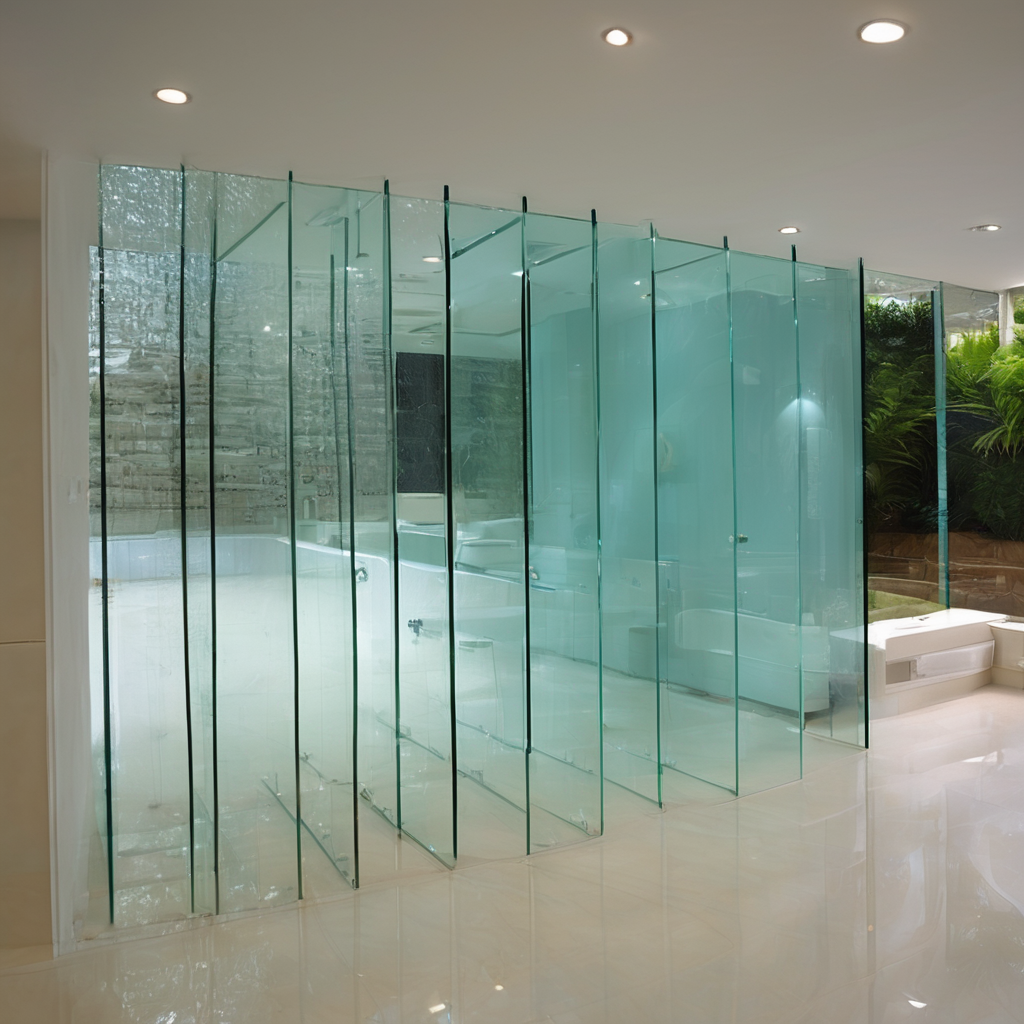
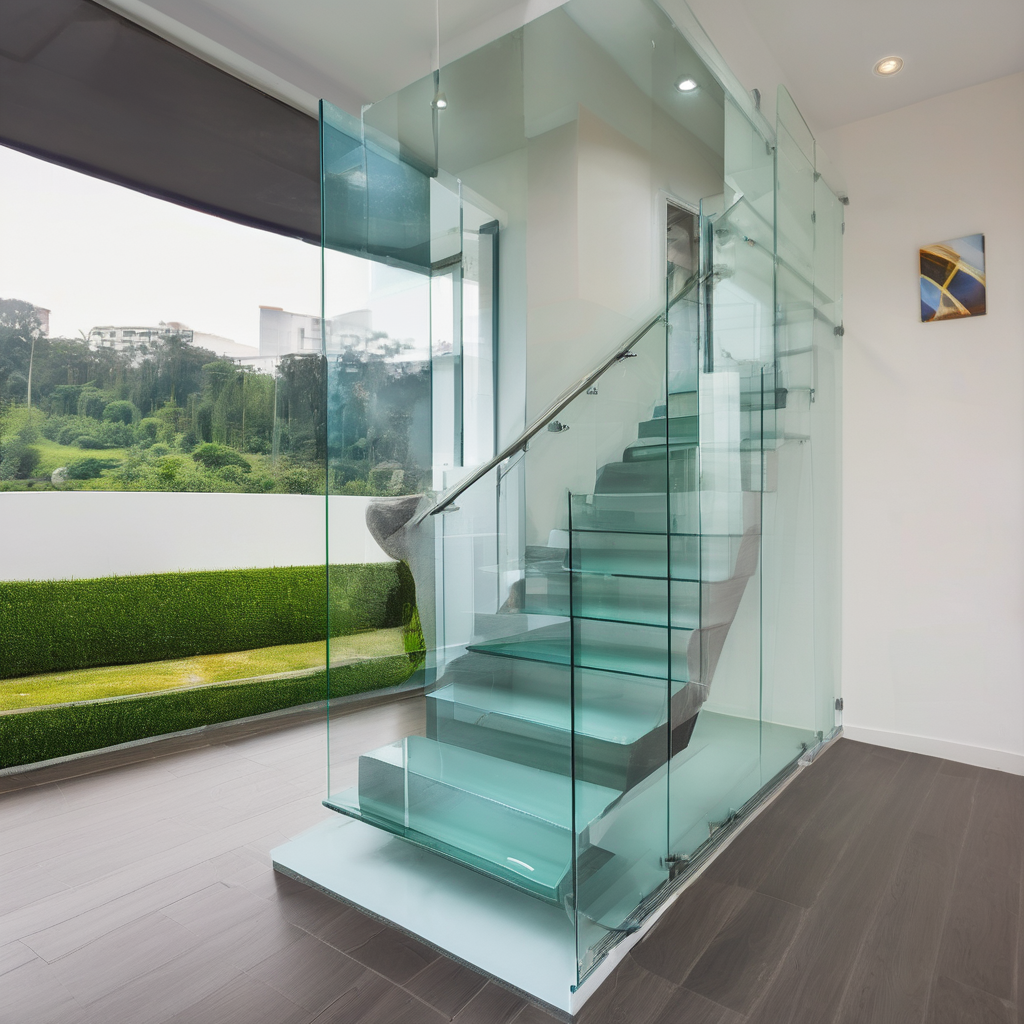
The 12mm thickness represents the premium end of residential toughened glass applications. It’s essential for floor-to-ceiling glass walls, structural glass fins, heavy glass doors, staircase balustrades, and any application where the glass serves a structural role. Many luxury apartments and villas in cities like Gurgaon, Hyderabad, and Pune use 12mm toughened glass for their impressive floor-to-ceiling installations.
Load-Bearing Considerations
Thicker glass doesn’t just offer better impact resistance—it also has superior load-bearing capacity. For balustrades and railings, Indian building codes typically require a minimum of 10mm toughened glass, with 12mm being preferred for added safety margins. The glass must withstand horizontal loads without excessive deflection, and thicker glass performs significantly better in this regard.
The cost for 10mm toughened glass ranges from ₹300 to ₹500 per square foot, while 12mm can cost between ₹400 and ₹650 per square foot. While the initial investment is higher, these thicknesses offer unmatched durability and safety for critical applications.
Factors That Influence Your Thickness Choice
Beyond the basic application type, several other factors should guide your thickness selection. Panel size is perhaps the most critical consideration—larger panels require thicker glass to prevent excessive deflection and potential failure. As a general rule, as the unsupported area increases, so should the thickness.
Wind load is another crucial factor, especially for exterior applications. High-rise apartments, coastal properties, and buildings in open areas experience greater wind pressure. A structural engineer can calculate the required glass thickness based on your specific location, building height, and exposure conditions. Don’t skip this professional consultation for exterior glazing.
Additional Considerations
- Safety requirements: Areas with high human traffic, child-accessible zones, or locations near bathrooms and swimming pools need thicker glass for enhanced safety
- Acoustic performance: Thicker glass provides better sound insulation, important for homes near busy roads or in noisy neighborhoods
- Thermal performance: While thickness alone doesn’t dramatically affect thermal insulation, thicker glass is often paired with low-E coatings for better energy efficiency
- Frame compatibility: Your existing or planned frame system may limit thickness options, so verify compatibility before finalizing your choice
- Budget constraints: Balance safety and performance requirements with your available budget, but never compromise on minimum safety standards
Expert Recommendations for Common Home Applications
Based on industry best practices and Indian building standards, here are expert-recommended thickness guidelines for typical residential applications. For windows up to 15 square feet, 6mm is acceptable, but 8mm is recommended for better durability. Larger windows between 15-30 square feet should use 8mm, while anything larger requires 10mm or professional structural assessment.
For doors, use 8mm for internal glass doors and 10mm for main entrance doors or large sliding systems. Shower enclosures work well with 8mm, though 10mm offers a more premium feel and better long-term durability. Glass partitions can use 8mm for standard office-height installations, but floor-to-ceiling partitions benefit from 10mm thickness.
Balustrades and railings should never use less than 10mm toughened glass, with 12mm being the preferred choice for enhanced safety margins. For glass table tops, 8mm suffices for coffee tables, while dining tables should use 10mm or 12mm depending on size. Kitchen applications like backsplashes can use 6mm, but cabinet shutters perform better with 8mm.
Quality Standards and Certification
When purchasing toughened glass for your home, always verify that the product meets Indian Standard IS 2553 for safety glass. Reputable manufacturers provide certification documentation and permanently mark their glass with stamps indicating compliance. This stamp, usually located in a corner, includes the manufacturer’s name, IS mark, and thickness information.
Quality toughened glass should have uniform thickness throughout, smooth polished edges, and no visible defects or distortions. The tempering process should be properly executed to ensure the glass breaks into small, safe fragments if shattered. Request samples or visit completed projects to assess quality before making large purchases.
Don’t compromise on quality to save costs—substandard toughened glass may not provide adequate safety protection and could fail prematurely. Working with established suppliers and manufacturers ensures you receive genuine toughened glass that meets safety standards and performs as expected throughout its lifespan.
Frequently Asked Questions
What is the minimum thickness of toughened glass recommended for home windows?
For most residential windows, 6mm is the minimum recommended thickness for small windows up to 15 square feet. However, 8mm is the better choice for standard-sized windows as it offers improved durability, better wind load resistance, and enhanced safety. Larger windows exceeding 30 square feet typically require 10mm thickness or a structural engineer’s assessment to ensure safety and compliance with building codes.
Can I use 6mm toughened glass for a balcony railing?
No, 6mm toughened glass is not suitable for balcony railings or balustrades. Indian building standards and safety regulations require a minimum of 10mm toughened glass for railing applications, with 12mm being the preferred thickness. Railings must withstand horizontal loads and provide adequate safety barriers, which thinner glass cannot reliably deliver. Always consult with a qualified professional for balustrade installations.
How much does toughened glass cost per square foot in India?
Toughened glass costs vary by thickness and location. Generally, 6mm costs ₹150-250 per square foot, 8mm ranges from ₹200-350, 10mm costs ₹300-500, and 12mm ranges from ₹400-650 per square foot. Prices fluctuate based on finish type (clear, tinted, frosted), special coatings, your city, and the supplier. Metro cities typically have more competitive pricing due to higher availability and competition among suppliers.
Does thicker toughened glass provide better sound insulation?
Yes, thicker toughened glass generally provides better acoustic insulation than thinner options. The increased mass helps block sound transmission more effectively. However, for optimal soundproofing, laminated glass or double-glazed units are more effective than simply increasing toughened glass thickness. If noise reduction is a primary concern, consider 10mm or 12mm toughened glass combined with proper sealing and installation techniques.
How do I know if my toughened glass meets safety standards?
Genuine toughened glass meeting Indian safety standards will have a permanent stamp in one corner indicating the manufacturer’s name, IS 2553 certification mark, and thickness. This stamp cannot be removed and serves as proof of compliance. Always purchase from reputable suppliers who provide certification documents. You can also request the manufacturer’s test certificates and verify their BIS license for added assurance of quality and compliance.
Choosing the right toughened glass thickness for your home requires balancing safety requirements, application needs, and budget considerations. Whether you’re renovating an apartment in Mumbai or building a new home in Pune, understanding these thickness options helps you make informed decisions. For expert guidance and to connect with certified toughened glass suppliers in your area, explore the comprehensive business directory at glassy.in—India’s largest glass industry resource connecting homeowners with trusted glass professionals.