How Architectural Glass Enhances Building Aesthetics
When it comes to modern architecture, nothing captures the intersection of form and function quite like architectural glass. Its transformative power lies not just in its physical properties but also in the way it seamlessly integrates art and design with practical utility. Whether you’re an architect, interior designer, or simply a lover of innovative spaces, understanding how architectural glass enhances building aesthetics can spark inspiration and elevate design intent.
1. The Artistic Versatility of Glass in Architecture
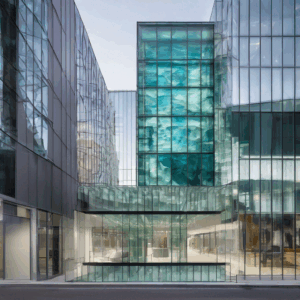
Architectural glass offers an unlimited canvas for creative expression. From sleek, minimalist facades to intricate and decorative panels, glass plays a pivotal role in defining a building’s personality. The inherent flexibility of glass allows for a variety of treatments, including tinted, frosted, etched, or even stained surfaces. These treatments add layers of color, texture, and light manipulation to a space.
For example, etched glass designs can create stunning patterns that are both functional and decorative, guiding natural light into interiors while providing privacy. Similarly, stained glass imbues buildings with a sense of timeless artistic beauty. These artistic elements breathe life into spaces, transforming ordinary buildings into works of art.
Architects increasingly view glass not just as a building material but as a medium for storytelling. By combining glass with art, designers can create facades or interiors that evoke emotion and narrate a unique aesthetic journey.
2. Illuminating Spaces with Glass and Light
One of the most extraordinary attributes of architectural glass is its ability to harness natural light. Glass opens up interiors to sunlight, blurring the boundary between the indoors and outdoors. Large window panels, skylights, and glass walls allow buildings to glow with natural illumination, reducing the need for artificial lighting.
But the appeal of glass goes beyond practicality. The way it captures, reflects, and refracts light creates an ever-changing visual dynamic within a space. For instance, laminated or patterned glass can create mesmerizing light-and-shadow plays throughout the day. This integration of light and architecture turns buildings into artistic experiences, elevating both their aesthetic and functional value.
Additionally, strategically placed glass panels can frame stunning outdoor views, creating a visual connection to nature. This not only enhances the aesthetic appeal but also nurtures a sense of tranquility and openness within the building.
3. Transparency Meets Elegance for Modern Designs
In contemporary design, minimalism reigns supreme, and glass has become a staple for achieving sleek, understated elegance. Transparent glass facades enhance the perception of space, making even compact buildings appear more expansive and open. This is a powerful design tactic commonly used for urban skyscrapers, retail complexes, and residential projects.
Moreover, the clean, continuous lines offered by glass create a sense of transparency that aligns with modern architectural philosophies. It symbolizes openness, progress, and innovation—qualities that resonate with today’s audience. Pairing glass with other materials like steel, wood, or stone can create striking visual contrasts that further accentuate its beauty.
For readers constantly drawn to the harmony between art & glass, projects that fuse sophisticated transparency with bold artistic elements illustrate how designs can blur the boundaries between conventional functionality and artistic refinement.
4. Sustainability and Architectural Glass
Beyond aesthetics, glass also contributes to sustainable building practices. Low-emissivity (Low-E) glass, for example, minimizes heat loss and reduces energy consumption, keeping interiors cool during summers and insulated during winters. High-performance glass can incorporate UV-blocking technologies or solar-control coatings, aligning with eco-friendly building trends.
As environmental consciousness becomes a key driver in architectural design, the combination of aesthetic and sustainable benefits makes glass an essential material in contemporary design. This dual-purpose approach ensures that buildings are not only beautiful but also environmentally responsible.
5. Custom Glass Contributions to Art-Inspired Spaces
One of the most exciting developments in architecture is the growth of custom-designed glass applications, perfect for art-centric projects. From decorative partitions in luxury hotels to interactive glass installations in public spaces, the opportunities to blend art & glass are endless.
Consider, for instance, textured or printed glass that features bespoke designs or motifs inspired by art. These add character to buildings, transforming commercial spaces like offices or shopping galleries into visual spectacles. Architectural glass also enables creative explorations like murals, geometric patterns, or even photographic imprints, broadening the scope for artistic innovation.
For those looking to infuse their projects with unique, awe-inspiring elements, custom glass offers the perfect medium to bring artistic concepts to life.
6. Creating Iconic Designs with Architectural Glass
Many of the world’s most iconic structures owe their distinct identities to innovative uses of glass. Whether it’s the Louvre Pyramid in Paris or the Burj Khalifa in Dubai, architectural glass has played a starring role in their aesthetic appeal. The shimmering facades and light-filled interiors of these structures have redefined how we perceive buildings, making them transformative not only for the urban landscape but also for cultural and artistic narratives.
To explore a curated range of premium glass solutions that seamlessly combine art and function, visit Glassy.in.
7. Inspiration for Your Next Design
Whether you’re designing a small home or a sprawling commercial complex, architectural glass offers unparalleled opportunities to innovate and inspire. By integrating glass thoughtfully into your designs, you can create interiors that are naturally well-lit, visually impactful, and artfully engaging.
To discover architectural glass solutions that blend functional design with aesthetic appeal, check out Glassy.in. With their innovative approaches and an eye for artistic detail, you can turn any concept into a masterpiece.
Conclusion
Architectural glass has revolutionized how we think about design. Its ability to balance aesthetics, functionality, and sustainable benefits makes it a cornerstone of modern architecture. From creating luminous, open interiors to offering limitless artistic possibilities, glass enhances building aesthetics in profound and transformative ways. When paired with artful craftsmanship, as showcased in many of today’s cutting-edge projects, the result is nothing short of breathtaking.
So, if you’re looking to elevate your design projects with materials that combine beauty, resilience, and sustainability, architectural glass may just be your perfect muse. Explore the world of art & glass, and see how this versatile material continues to shape the future of architecture.# How Architectural Glass Enhances Building Aesthetics
In the world of contemporary architecture and interior design, glass has emerged as more than just a functional material – it is now a pivotal element of artistic expression. With its ability to seamlessly blend functionality and beauty, architectural glass transforms ordinary spaces into visually stunning masterpieces, redefining how we perceive buildings’ aesthetics. Whether it’s in towering skyscrapers, bespoke interiors, or heritage conservation, architectural glass has revolutionized the art of design. But how exactly does this material enhance building aesthetics, and why has it become indispensable to architects and designers worldwide?
Transparency and Openness: Redefining Space
One of the unique qualities of architectural glass is its transparency, which fosters a sense of openness and connection to the surrounding environment. By inviting natural light into a building, glass eliminates the need for exposed artificial lighting during the day, creating spaces that feel bright, airy, and alive. Glass walls, facades, and windows dissolve the boundaries between the interior and the exterior, offering stunning views and enhancing the feeling of spaciousness while maintaining functionality.
For example, modern office buildings often employ expansive glass facades to create open environments where employees feel connected to nature. This connection is not only aesthetically appealing but also enhances well-being, an important consideration for sustainable architecture. The artful interplay of light and shadow through glass elevates even the most mundane spaces into captivating environments.
When executed thoughtfully, incorporating architectural glass can transform a building into an artistic sculpture that interacts with its surroundings. Websites like Glassy have embraced the potential of glass in art and architecture, offering cutting-edge solutions that marry innovation with design.
Versatility in Design
Architectural glass is as diverse as it is beautiful. Whether it’s frosted, etched, tinted, mirrored, or stained glass, this material offers an incredible range of design possibilities. Each type of glass delivers a distinct aesthetic and functionality, allowing architects to create highly customized designs tailored to their vision and the building’s purpose.
Stained glass allows for the infusion of color and narrative into a building, bringing artistry and vibrance that can elevate a space’s aesthetic. Etched or frosted glass, on the other hand, provides elegance and privacy while allowing light to filter through subtly. The advancements in glass technology have also introduced materials like smart glass, which adapts its translucency at the touch of a button, seamlessly blending aesthetic appeal with modern utility.
Take, for instance, the trend of using decorative glass in residential interiors. By incorporating artistic glass into railings, partitions, or even backsplashes, homeowners can redefine their spaces with a unique artistic edge. Add to that the fact that glass pairs effortlessly with other design elements like wood or metal, and its versatile potential becomes almost limitless.
For those looking to explore the intersection of “Art & Glass,” resources such as Glassy offer inspirational solutions that combine craftsmanship and innovation to create unique architectural features.
Light as a Design Element
Light is fundamental to a building’s aesthetic, and glass is its perfect medium. Architectural glass allows designers to manipulate light creatively, transforming it into an active, interactive element of the design. From creating dazzling reflections on mirrored glass to allowing a kaleidoscope of colors to shine through stained glass, architects use glass as a dynamic partner in crafting the way people experience built environments.
Consider how the use of glass can create a magical play of sunlight during the day and reflect ethereal, shimmering cityscapes in the evening. Iconic landmarks like modern glass skyscrapers or avant-garde cultural centers dance with light, often becoming a city’s signature feature. By leveraging glass as both a surface and a lens, designers achieve effects that make buildings memorable and awe-inspiring.
Furthermore, light design in combination with glass can amplify moods within an interior space. A calming translucent glow, for example, can evoke feelings of serenity in a spa, while a striking interplay of colored light can energize visitors in an art gallery. Architectural glass not only shapes how light interacts within a space but also allows occupants to connect deeply with their surroundings.
Fusion of Sustainability and Aesthetics
Today’s architects are tasked not only with creating visually compelling buildings but also with designing spaces that align with sustainable practices. Glass plays a crucial role in merging these priorities seamlessly. High-performance architectural glass, engineered with innovative technologies, enhances energy efficiency by providing superior insulation or deflecting excess heat while preserving daylight.
Double-glazed or triple-glazed glass solutions help reduce a building’s energy consumption by maintaining a comfortable interior temperature throughout the seasons. Sustainable buildings no longer have to compromise beauty for performance – thanks to the versatility and eco-friendly properties of modern architectural glass.
Moreover, glass’s recyclability offers a major advantage for environmentally conscious designers. By using eco-friendly production methods and re-purposing glass, architects contribute to a circular design economy while maintaining their artistic vision.
Glass as a Canvas for Artistic Expression
Beyond its functional applications, glass actively shapes the evolving narrative of architecture as art. Artists and architects have consistently pushed the boundaries of this material, treating it as a medium for storytelling. Glass murals, for example, incorporate intricate craftsmanship into buildings, standing as testaments to cultural values, history, and technological innovation.
The use of artistic glass installations in public spaces brings vibrant energy to urban areas while making sophisticated statements about the power of design. From decorative glass ceilings in luxury hotels to textured accent walls in residences, glass continues to serve as a canvas that sparks imagination and creativity.
Conclusion
Architectural glass is more than just a supporting material in modern construction; it’s a cornerstone of innovation, beauty, and functionality that enhances building aesthetics. With its ability to incorporate light, provide transparency, and enable artistic expression, glass empowers architects and designers to create spaces that are at once visually arresting and deeply functional.
Whether you’re designing skyscrapers punctuated with floor-to-ceiling glass panels or planning intimate interiors using stained glass tiles, the possibilities are vast and inspiring. As the field of “Art & Glass” evolves, the role of companies like Glassy in innovating and offering premium glass solutions remains crucial in helping architects embrace the full potential of this transformative material.
From skylines to