Benefits of Using Energy Efficient Glass in Buildings
Glass has become a central feature in modern architecture. From luminous skylights to floor-to-ceiling windows that offer sweeping views, it is undeniably an artistic and functional medium. However, the rising emphasis on sustainability is driving architects, designers, and homeowners toward smarter, greener solutions. Enter energy-efficient glass—an innovation that not only enhances the aesthetics of your living or workspace but also delivers tangible financial and environmental benefits.
In this article, we’ll explore the key benefits of using energy-efficient glass in buildings, while showcasing how this blend of function and art can transform interior and exterior spaces.
1. Reduced Energy Consumption
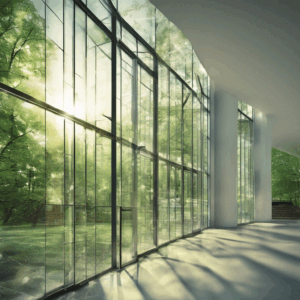
One of the primary advantages of energy-efficient glass lies in its ability to regulate indoor temperatures. Traditional glass surfaces often allow heat transfer, requiring air conditioning systems to work overtime in summer and heaters to operate intensely during winter. Energy-efficient glass, however, incorporates advanced coatings or materials that reduce thermal conductivity.
By reflecting solar heat during summer and retaining warmth in winter, these glass solutions help maintain a comfortable indoor environment. The result? Lower energy consumption and reduced utility bills. For large-scale projects like office buildings or retail centers, this translates into significant cost savings over time.
Not only does this make energy-efficient glass economically viable, but it also aligns perfectly with global sustainability goals by cutting the building’s carbon footprint. Imagine a set of windows that aren’t just a design element, but actively help save the planet—now that’s an intersection of art and utility to marvel at!
2. Enhanced Comfort and Productivity
Integrating energy-efficient glass into architectural designs fosters a more comfortable environment for occupants. Thanks to its insulation properties, such glass minimizes temperature fluctuations, preventing cold drafts in the winter and uncomfortably warm interiors in the summer.
For commercial spaces, this can boost productivity among employees. Studies show that comfortable and well-lit workplaces enhance efficiency and morale. In residential spaces, families enjoy a cozy, year-round ambience—without needing to constantly tweak their thermostat. A truly harmonized space, with light streaming in through sophisticated glass, invokes a sense of calm and wellbeing.
3. Natural Light, Without the Heat
One of the great appeals of glass in design is its ability to connect indoor spaces with the outdoor environment, flooding interiors with natural light. Designers and architects often highlight glass as an essential material to amplify creativity while ensuring brighter, visually open spaces.
However, traditional glass often comes with a drawback—an increase in indoor temperatures due to unfiltered solar radiation. Energy-efficient glass solves this problem by selectively filtering heat, allowing abundant natural light to illuminate interiors while keeping out excess heat. This means you don’t have to compromise on style or brightness when incorporating energy-efficient glass into your design.
For those who appreciate the artistry of interiors, think of how the play of light through a modern floor-to-ceiling window can elevate the feel of a room. By harnessing “Art & Glass”, energy-efficient panes can bring a masterpiece of nature—light itself—into your home, minus the discomfort.
4. Enhanced Aesthetic Appeal
Aside from its practical benefits, energy-efficient glass offers diverse aesthetic opportunities. Available in various tints, finishes, and coatings, it can be tailored to suit both contemporary and traditional architecture. From creating sleek glass facades to implementing striking interior partitions, innovative glass options allow for endless creative possibilities.
Architectural trends today often involve the use of glass as both art and structure, showcasing the interplay between transparency, color, and reflection. By opting for energy-efficient glass, designers and homeowners can create spaces that look stunning while contributing to an environmentally friendly future.
For instance, integrating double-glazed or low-emissivity glass into your design doesn’t just make a building perform better—it can elevate it into a modern masterpiece. To explore sustainable yet artistic solutions for your project, check out Glassy for design inspiration and innovative ideas.
5. Noise Reduction
Another unexpected yet valuable advantage of energy-efficient glass is its soundproofing capabilities. Double and triple-glazed glass varieties significantly reduce noise pollution, making them ideal for urban environments or buildings located near busy roads, airports, or industrial areas.
By combining superior insulation with noise reduction, energy-efficient glass has redefined the boundaries of modern living. These glass solutions allow you to savor the tranquility of your private space while still basking in natural light and enjoying stunning views. The harmony between design, performance, and quality makes energy-efficient glass a truly revolutionary innovation.
6. Long-Term Durability and Value
Investing in energy-efficient glass increases the longevity of your building’s infrastructure. With advanced coatings that minimize wear and tear, these materials maintain their insulating properties for years to come. Over the long term, this reduces the need for replacement and repairs, ultimately adding to cost savings.
Moreover, buildings with energy-efficient features are more attractive to buyers and tenants. They reflect a commitment to sustainability, quality, and modernity—key factors driving property value in today’s markets. Whether for a home or a commercial property, incorporating energy-saving solutions such as efficient glass can enhance resale value significantly.
For those seeking the perfect marriage between art, design, and sustainability, energy-efficient glass solutions offer a visionary path forward. Start your journey into smart, sustainable interiors and exteriors by visiting resources like Glassy, where innovation meets creativity.
Conclusion
Energy-efficient glass represents the future of sustainable and innovative architecture. Its ability to improve thermal insulation, reduce energy bills, and increase aesthetic value makes it a must-have material for contemporary buildings. By upgrading to energy-efficient glass, you’re making a choice that benefits not just your home or workplace, but the environment as well.
Through the clever interplay of art & glass, this technology shows us how beauty and functionality can coexist harmoniously, inspiring architectural creativity while addressing pressing energy concerns. Whether you’re a homeowner, a designer, or an architect, energy-efficient glass allows you to build a better tomorrow, with minimal compromise and maximum impact.# Benefits of Using Energy Efficient Glass in Buildings
As the world continues to embrace sustainable practices, innovative technologies, and energy-conscious materials, one solution stands out in the realm of architecture and design: energy-efficient glass. This smart material is reshaping the way we approach construction, helping architects and homeowners alike craft buildings that are not only beautiful but also environmentally responsible. From reducing energy costs to enhancing indoor comfort, the benefits of energy-efficient glass extend far beyond aesthetics.
In this article, we’ll dive deep into the advantages of incorporating energy-efficient glass into modern buildings, touching upon its functionality, cost-effectiveness, and intrinsic value in artful, glass-centric structures.
1. Energy Efficiency Meets Modern Design
One of the most profound advantages of using energy-efficient glass is its ability to minimize heat transfer, making buildings more energy-efficient. Windows, facades, and skylights crafted from this special type of glass allow natural light to flood interiors while reducing thermal loss. This ensures that spaces remain naturally bright and comfortable without over-reliance on artificial lighting or heating systems during colder months.
Buildings adorned with energy-efficient glass exemplify how art and utility can seamlessly blend. Glass, often perceived as cold and minimalistic, transforms into an inspiring architectural element when incorporated thoughtfully. Think of towering glass panes that let sunlight cascade through the building in a way that illuminates art installations or sleek interiors, fostering harmony between natural elements and human design.
For instance, architects can use high-performance glass to create impressive structures that make a statement — a balance of functionality and style that is truly art in action.
2. Cost Savings on Energy Bills
One of the primary motivators for using energy-efficient glass is the significant cost savings it brings. These savings are achieved by reducing the reliance on HVAC systems. Compared to standard glass, energy-efficient glass minimizes internal heat gain during summer and prevents heat loss in winter. This keeps energy usage low year-round, slashing energy bills for homeowners and businesses alike.
According to energy experts, opting for double-glazed energy-efficient windows can reduce heat loss by up to 50%, resulting in consistent, long-term savings. Over time, this initial investment in energy-efficient glass not only pays for itself but provides financial returns far into the future. For commercial properties, these savings can be particularly profound, as the larger square footage naturally leads to higher energy demands.
3. Enhanced Indoor Comfort and Sustainability
Energy-efficient glass doesn’t just save energy; it elevates the overall living and working environment by creating spaces that are more comfortable year-round. These glass designs regulate indoor temperatures, minimize exposure to UV rays, and reduce glare, allowing occupants to enjoy spaces filled with natural light without discomfort.
Moreover, by reducing energy consumption and greenhouse gas emissions, buildings outfitted with energy-efficient glass play a critical role in combating climate change. The shift toward sustainable materials like this signifies progress toward global environmental goals, ensuring a greener future for generations to come.
If you’re an architect or designer looking to incorporate environmentally conscious yet aesthetic materials into your projects, exploring the art of glass usage, including energy-efficient glass, could help create sustainable spaces. These designs resonate deeply with eco-conscious clients while giving the building a unique edge.
4. Noise Reduction
In bustling urban centers, another underrated benefit of energy-efficient glass is its advanced noise mitigation capabilities. Double glazing or laminated energy-efficient glass significantly reduces external noise, creating serene indoor environments even in the heart of noisy metropolitan areas. For residential spaces, offices, or public buildings, this is an invaluable feature to enhance productivity and peace of mind.
The subdued hum of the outside world contrasts beautifully with interior spaces where glass panels act as canvases for creatively layered light and landscape views. Such spaces blur the line between interior and exterior, demonstrating the versatility of glass in architectural art.
5. Versatility in Design
Beyond