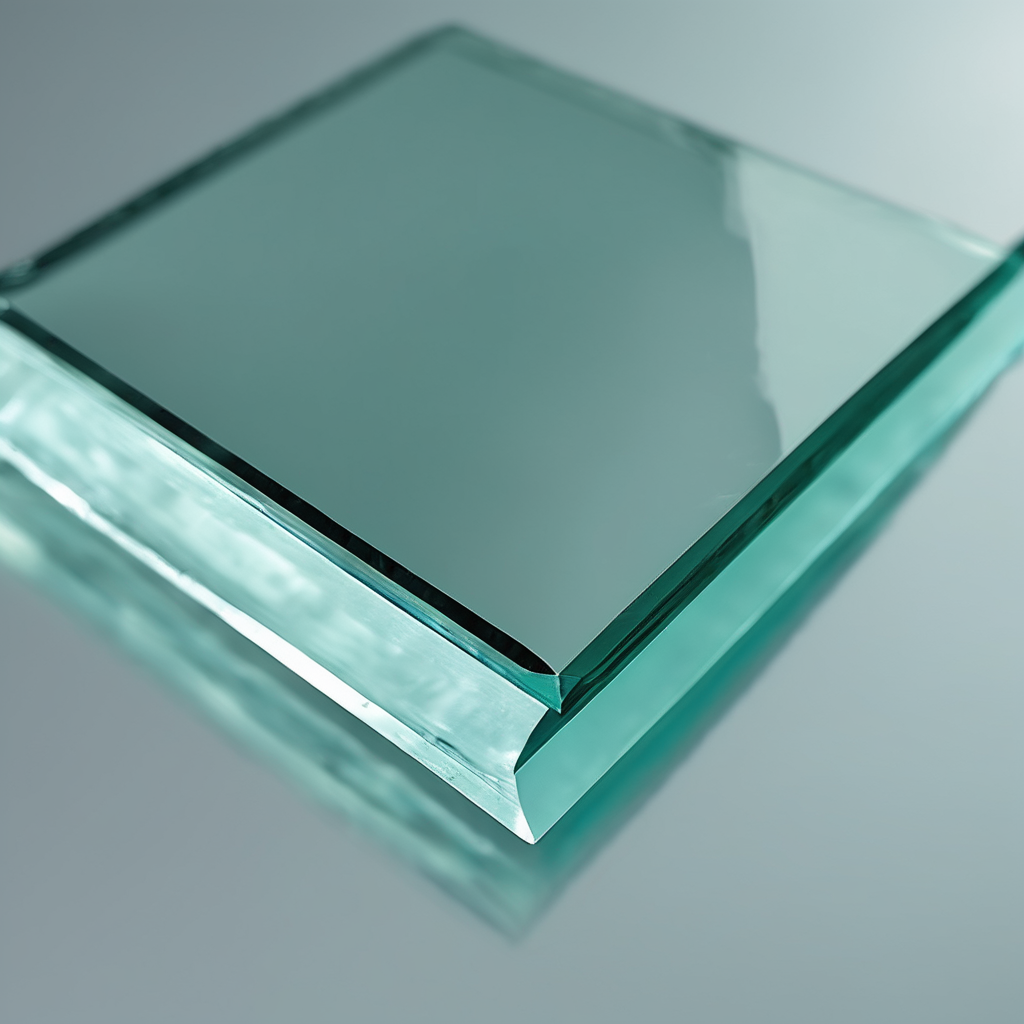
3mm Tempered Glass Thickness Tolerance Quality Standards: Ensuring Precision in Art, Design, and Architecture
Tempered glass has long been celebrated as a fusion of strength and elegance, finding its way into architectural marvels, intricate designs, and artistic creations. Whether it’s used for sleek modern interiors, stunning facades, or delicate art installations, maintaining the quality standards of tempered glass is essential. Among the many critical factors that determine the performance of tempered glass, one core specification often overlooked is thickness tolerance. For 3mm tempered glass, its thickness tolerance directly impacts its functionality, aesthetics, and safety.
This article delves into the quality standards behind 3mm tempered glass thickness tolerance, examining its importance for art, architectural elements, and design and why these standards matter for achieving precision.
What is 3mm Tempered Glass Thickness Tolerance?
Thickness tolerance refers to the permissible range of thickness variation in tempered glass during manufacturing. It is a key quality attribute that ensures the glass achieves uniformity without compromising its structural integrity and design aesthetics. For 3mm tempered glass, this range is remarkably precise due to its thin profile and high performance.
Typically, industry standards dictate that 3mm tempered glass should not deviate significantly from its stated thickness, as even minute deviations can lead to issues in installation, appearance, and functionality. For example, a slight inconsistency in thickness may create distortions in reflections, weaken structural performance, or jeopardize the delicate balance between strength and flexibility.
Why Thickness Tolerance Matters in Design and Architecture
-
Precision in Installation
Architects and designers often incorporate glass into their visions to add a touch of sophistication and light-catching dynamics. Any deviation in the thickness of 3mm tempered glass can directly affect the ease of fitting the material into specific frames, grooves, or fixtures. In art installations or glass partitions, where precision is key, thickness uniformity ensures seamless integration into the design. -
Safety Standards
Tempered glass is known for its ability to absorb impact and shatter safely into harmless fragments. However, this durability is dependent on strict adherence to quality standards, including thickness tolerance parameters. Glas suppliers must ensure that deviations do not compromise the intended safety features of the material, especially in high-traffic settings like offices, galleries, or homes. -
Aesthetic Integrity
When glass is used for its aesthetic qualities—whether in a spectacular stained-glass art piece or as part of a sleek, minimalist interior—its visual performance is crucial. Ensuring consistent thickness avoids issues such as optical distortion or misaligned layered designs, creating a flawless finish that enhances the overall appeal of the space.
Industry Standards for 3mm Tempered Glass Thickness Tolerance
Adherence to globally certified quality standards ensures that manufacturers meet specific thickness tolerance limits. According to industry benchmarks, the permissible deviation for 3mm tempered glass generally ranges from ± 0.2mm to ± 0.3mm, depending on the intended application and guidelines of the governing body.
Regulations such as ASTM C1048 (Standard Specification for Heat-Treated Flat Glass) or EN 12150 (European standard for tempered safety glass) outline tolerance limits to ensure the glass meets the durability, safety, and precision standards needed for structural and aesthetic applications. Confirming that the 3mm tempered glass you source falls within these limits guarantees exceptional performance across all use cases.
Art & Glass: Where Creativity Meets Functionality
The relationship between glass and art is a delicate dance. Whether in stained glass masterpieces or contemporary glass sculptures, materials like 3mm tempered glass play a pivotal role. Artists working with glass demand it to be lightweight yet strong enough to handle intricate carving, layering, or shaping.
Thickness tolerance becomes especially critical when artists layer or assemble glass panels. Slight deviations in thickness can disrupt the balance and symmetry of an installation—a critical factor when crafting glass-based wall art, architectural skylights, or room dividers.
Moreover, the reflective properties of tempered glass open endless creative possibilities for lighting effects and spatial illusions. The right thickness tolerance ensures uninterrupted reflections and crisp visual clarity, both of which are indispensable for displays of artistry.
Using 3mm Tempered Glass in Interiors and Architecture
In the world of interiors and architecture, glass has ascended from a functional material to an artistic tool. From glass tabletops to wall panels, flooring applications, and façade designs, 3mm tempered glass offers a unique blend of durability and style. It allows designers to bring light, depth, and texture into their projects, making spaces feel open, airy, and refined.
Structural applications, such as frameless shower enclosures or delicate handrails, demand uncompromised quality. Here, adherence to thickness tolerance standards is not only a safety prerequisite but also a means to maintain minimalist visual harmony.
For individuals or businesses looking for premium-quality tempered glass, sourcing reliable suppliers committed to industry standards is a must. Trusted platforms like Glassy.in specialize in direct-to-consumer (D2C) initiatives that eliminate middlemen, ensuring transparency and precision.
How Manufacturers Ensure Thickness Tolerance Compliance
Manufacturers employ advanced engineering techniques to control and monitor thickness tolerance throughout the production process. Automated tools such as laser-based measurement systems and digital calipers allow for real-time checks and adjustments.
Pressurized tempering ovens, computer-controlled cooling cycles, and stringent post-production quality inspections further ensure that every 3mm tempered glass pane meets established guidelines. By prioritizing these meticulous procedures, the resulting glass products exhibit unparalleled accuracy and consistency.
Choosing the Right Supplier for 3mm Tempered Glass
When sourcing tempered glass for artistic projects, architectural installations, or interior designs, the supplier’s adherence to industry-specific quality standards becomes paramount. Companies like Glassy.in are redefining the buying experience by prioritizing client needs, offering free quotes within hours, and focusing on consistent product quality.
With their expertise, customers can gain access to premium-grade and precisely engineered tempered glass, ideal for all functional and artistic requirements. As a trusted platform for D2C services in India, Glassy simplifies the journey of finding glass tailored to your needs.
Conclusion
The precision of 3mm tempered glass thickness tolerance is what transforms it from a raw material into a masterpiece of strength, design, and clarity. By adhering to international standards, manufacturers empower designers, architects, and artists to craft installations that inspire and endure. Whether you are designing a modernist home or creating an awe-inspiring artwork, choosing glass with strict thickness tolerance standards unlocks the potential to elevate your vision.
And for those who demand quality and transparency in glass solutions, remember: Free Site Visit by glassy.in, D2C initiative by glassy india, No middleman, free quote by glassy within 2 hrs