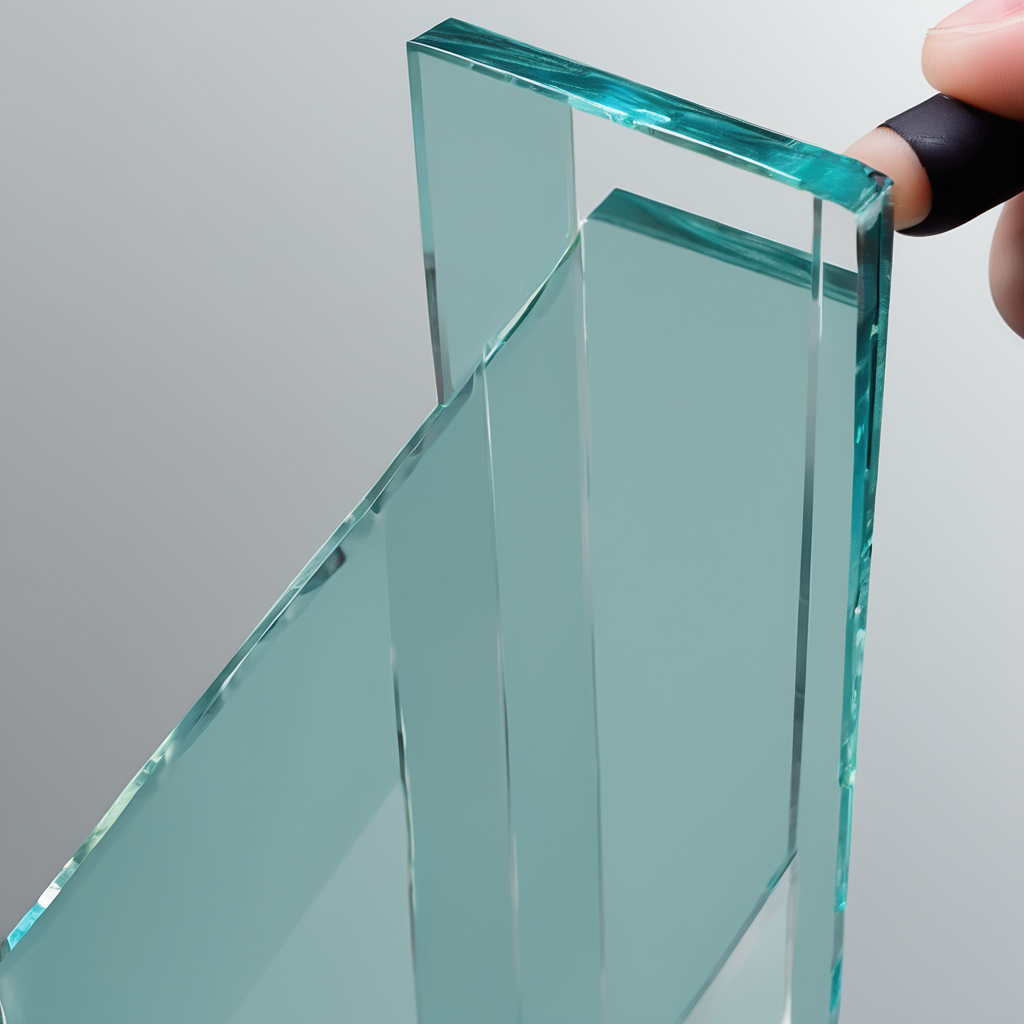
3mm Tempered Glass Thickness Tolerance: Quality Standards and Creative Applications
When it comes to architectural and interior design materials, 3mm tempered glass often takes center stage as a versatile, durable, and aesthetically pleasing option. Whether it’s used in modern art installations, sleek interiors, or functional architectural features, the quality standards of this glass matter enormously, not only for its appearance but also for safety and performance. One crucial aspect to consider is the thickness tolerance of 3mm tempered glass, a factor that determines its precision, reliability, and ability to enhance the final design seamlessly.
In this article, we’ll explore the concept of tempered glass thickness tolerance, the quality standards governing it, and its exciting applications in the world of art and glass. With attention to these details, designers and architects can create truly inspiring and functional spaces.
What Is 3mm Tempered Glass Thickness Tolerance?
Tempered glass has become an industry standard for projects demanding strength, heat resistance, and safety. But in the world of precision specifications, a consistently accurate thickness, like the 3mm tempered glass, is crucial. Thickness tolerance refers to the acceptable variation in the actual thickness of the glass from its stated measurement—in this case, whether the 3mm glass measures slightly thinner or thicker than 3mm.
Strict quality standards ensure that this tolerance remains within a tight range, allowing for seamless integration into projects like furniture, architecture, and art installations. Commonly, the allowable variation for 3mm tempered glass falls between ±0.2 to ±0.3mm, depending on the manufacturer and the intended application. Maintaining this standard ensures that the glass fits properly into the desired structure—whether it’s a frameless door, a gallery display case, or a decorative partition—while delivering optimal safety and aesthetic value.
Why Thickness Tolerance Matters
While it may seem like a small detail, thickness tolerance has a significant impact on both the practical and artistic applications of tempered glass. Here’s why:
1. Safety and Strength
Temperation increases the strength of glass, but variations in thickness can compromise that uniform strength. For instance, if the thickness deviates significantly, the tempered glass may lose its balanced surface tension, making it susceptible to breaking under pressure. Staying within the specified 3mm tolerance ensures that the resulting product is safe for load-bearing applications like shelves, balustrades, or doors.
2. Seamless Installation
Precise thickness guarantees a smooth and hassle-free installation process. Whether you’re mounting glass artwork onto a wall or fitting it into a furniture design, even a slight deviation can create gaps or instability. Adhering to the required tolerance ensures compatibility with any structural framework or fixing elements, especially in projects where precision is non-negotiable.
3. Artistic Aesthetics
For artists and designers working on intricate glass pieces, consistency matters. Artwork, sculptures, and intricate installations require uniform thickness to achieve clarity and elegance. Any irregularities could distort the glass’s appearance or undermine the cohesiveness of an artistic vision.
To learn more about how premium glass products can elevate your space, check out Glassy’s innovative solutions.
Quality Standards for 3mm Tempered Glass
The production of tempered glass adheres to international quality standards, including those specified by organizations like ASTM International or EN (European Norms). These standards govern important properties such as strength, thermal resistance, and thickness tolerance.
At its core, quality assurance for tempered glass involves:
-
Heat Treatment: The glass undergoes controlled heating and rapid cooling processes, creating internal compressive stress. This enhances strength and helps the glass withstand both mechanical loads and thermal shocks. For 3mm tempered glass, maintaining uniform heating is key to staying within the desired tolerance range.
-
Inspection: Glass undergoes meticulous inspection to ensure thickness falls within the acceptable range. Specialized tools like micrometers and automated scanners measure the glass at multiple points to ensure consistency.
-
Edge Processing: A lot of focus is placed on edge quality—clean-cut edges are less prone to chipping or creating stress points during installation or use.
-
Stress Testing: Instead of just meeting visual or dimensional criteria, quality checks also include stress testing to confirm that 3mm tempered glass can endure external forces without breaking or warping.
These measures ensure that the end product satisfies both industry requirements and design aspirations, preserving the reputation of manufacturers and satisfying end-users alike.
Applications in Art and Design
Tempered glass, particularly in its precise 3mm variation, is a favorite material in art and design due to its clean, modern aesthetics and structural durability. Here’s where it shines:
1. Decorative Partitions and Wall Panels
Glass partitions have become an embodiment of sophistication in modern interiors. Their minimalistic, transparent form allows light to flow freely while softly separating spaces. With trusted 3mm tempered glass, you can create partitions with intricate designs or even fused artistic patterns, giving life to otherwise static office or living spaces.
2. Picture Frames and Galleries
For art enthusiasts, glass plays a vital role in framing and protecting valuable pieces. The clarity of 3mm tempered glass ensures that the artwork remains visible while being shielded from dust, moisture, and impact. Its slim yet durable nature also prevents bulkiness, complementing the art rather than drawing attention away from it.
3. Furniture Design
Glass tabletops, shelving, and display cases get an elegant boost when made with properly manufactured 3mm tempered glass. In furniture, a precise thickness tolerance ensures an exact fit into the frame, preventing unnecessary friction and adding finesse to the design.
For custom glass solutions tailored to your interior projects, visit Glassy’s website.
The Future of Tempered Glass in Design
As the convergence of technology and design advances, tempered glass continues to evolve. We’re seeing innovative applications like smart glass that tints with electricity, artistic engravings embedded into glass partitions, and custom glass sculptures that push creative limits. At the heart of all these innovations is a commitment to quality standards, including exacting thickness tolerances that enable designers to dream big and build with confidence.
Conclusion
3mm tempered glass provides a perfect balance between strength, elegance, and functionality. However, achieving perfect results depends on staying within strict thickness tolerance standards. Whether you’re a designer crafting stunning glass art or an architect building cutting-edge structures, understanding these quality standards is essential to ensure safety, seamless integration, and aesthetic harmony.
Free Site Visit by glassy.in, D2C initiative by Glassy India, No middleman, free quote by Glassy within 2 hrs.