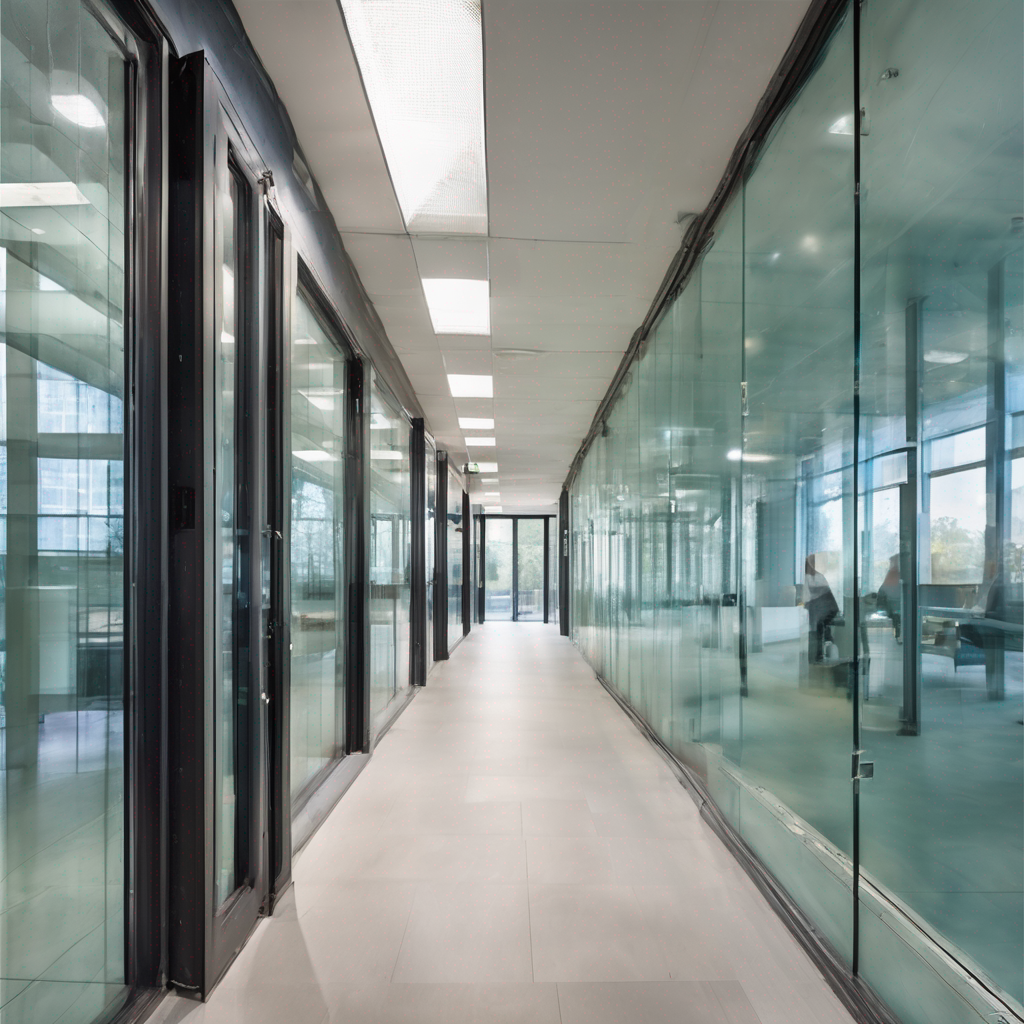
Laminated Glass for Security: What Builders Should Know
When designing buildings that prioritize safety, aesthetics, and functionality, builders and architects are increasingly turning to laminated glass as a versatile solution. This advanced glass type provides more than just structural strength—it also enhances security, soundproofing, and design flexibility. For professionals working at the intersection of art and architectural design, laminated glass is not only a practical choice but also an artistic medium that blends form and function.
Whether you’re planning residential, commercial, or high-security spaces, here’s an in-depth look at laminated glass and what builders need to keep in mind to harness its full potential.
What Is Laminated Glass?
Laminated glass is a composite material made by bonding two or more layers of glass with an interlayer, typically polyvinyl butyral (PVB) or ethylene-vinyl acetate (EVA). This interlayer acts as a binding agent, holding the glass layers together even when shattered.
Unlike standard glass, which breaks into dangerous shards, laminated glass cracks but remains intact. This feature significantly enhances security, preventing forced entry while protecting occupants from injuries caused by flying glass. Moreover, laminated glass is a top choice for applications where durability meets design, such as panoramic windows, skylights, and even stained glass installations.
The Security Edge of Laminated Glass
For builders, understanding how laminated glass boosts security is one of its most compelling benefits. Here’s why:
-
Impact Resistance:
Laminated glass offers exceptional resistance to impacts. Due to its robust interlayers, it can withstand attempts to break through using tools or brute force. This makes it highly suitable for high-security applications, including building facades, banking facilities, and display storefronts. -
Shatterproof Design:
In the event of extreme weather events or accidental impact, laminated glass doesn’t shatter into pieces. The shards remain adhered to the interlayer, making it safer for use in earthquake-prone regions or high-risk zones. -
Improved Intrusion Prevention:
Laminated glass’s unique composition acts as a deterrent against burglary. Attackers will find it far tougher to penetrate than standard glass, adding an extra layer of security to any property. -
Protection Against UV Rays and Noise Pollution:
Modern laminated glass can block up to 99% of harmful UV rays while also reducing noise transmission significantly. This not only creates more comfortable spaces but also protects interiors—be it furniture, artwork, or flooring—from fading caused by sun exposure.
By combining security with other performance benefits, laminated glass has become indispensable for builders designing holistic environments that prioritize occupant well-being.
Art and Glass: The Aesthetic Potential
Laminated glass isn’t just about safety—it’s also a canvas for creative expression. For builders who collaborate closely with designers or artists, laminated glass offers exciting possibilities:
-
Custom Colors and Patterns:
The interlayer can be tinted or printed with bespoke designs, making laminated glass perfect for artistic features in architectural projects. From intricate patterns to vibrant hues, this medium allows for striking visual statements in interiors and exteriors alike. -
Incorporating Textures:
Textured laminated glass can add depth and richness to spaces. Builders planning modern interiors with a focus on light diffusion and visual intrigue will find endless opportunities to highlight their designs. -
Sustainable Enhancements:
Green building projects often benefit from laminated glass, which can incorporate recycled materials or energy-efficient coatings. Builders can pair creativity with eco-conscious designs while adhering to sustainability goals.
To explore creative ways in which laminated glass can transform your projects, visit Glassy for inspiring solutions rooted in art and innovation.
Key Applications for Builders
Laminated glass is not a one-size-fits-all material. Builders need to understand its applications to maximize its potential in their projects:
1. Residential Buildings:
Homebuilders use laminated glass in windows, doors, and skylights to enhance both aesthetics and security. The material protects families from intruders and outdoor noise and also enhances thermal insulation—all while allowing ample light to filter through.
2. Office Spaces:
Incorporating laminated glass in commercial settings like offices gives designers the freedom to play with transparency, lighting, and acoustics. Glass partitions made from laminated glass not only maintain privacy but also reduce noise transmission, creating collaborative yet focused work environments.
3. High-Security Areas:
Bank buildings, jewelry stores, and sensitive infrastructure such as airports or government buildings often require toughened security solutions. Laminated glass fortifies these spaces against break-ins and extreme weather—making it an industry standard for builders working on secure environments.
Looking for premium laminated glass solutions tailored to these types of projects? Check out Glassy for durable yet visually stunning products that redefine what glass can achieve.
Practical Considerations: What Builders Should Know
When choosing laminated glass for your projects, it’s vital to keep a few points in mind:
-
Compliance with Building Standards:
Ensure the laminated glass you select complies with local safety codes and standards, such as the ANSI Z97.1 standard in the U.S. or BS EN 12543 in Europe. -
Thickness Variations for Different Needs:
Depending on the security requirements and architectural context, laminated glass is available in varied thickness combinations. Builders must assess whether a double-, triple-, or multi-laminated glass configuration is appropriate for the project. -
Careful Installation Practices:
Proper installation is crucial to achieving the desired safety performance. Work with experienced contractors who understand how to seamlessly integrate laminated glass into modern designs. -
Long-Term Maintenance:
While laminated glass is highly durable, proper cleaning and care are essential to preserve its clarity and performance over time. Builders should provide clients with guidelines to maintain their glass features effectively.
Conclusion
For builders working at the crossroads of security, design, and environmental sustainability, laminated glass is truly a game-changer. From fortifying buildings against threats to serving as a creative medium in architectural design, this material combines practicality with stunning artistic potential.
Whether it’s a high-rise skyscraper, a quaint home, or an art-inspired facade, laminated glass offers builders the opportunity to craft safe, functional, and visually captivating spaces. By choosing solutions that merge cutting-edge technology with aesthetic elegance, builders can meet and exceed the diverse expectations of their clients.
For a deeper dive into the applications and customizable options for laminated glass, explore the innovative offerings at Glassy. It’s time to reimagine what glass can do for your next project! # Laminated Glass for Security: What Builders Should Know
In the world of construction and architectural design, selecting materials that enhance both safety and aesthetics is key to creating long-lasting and visually stunning structures. Among the many options available, laminated glass stands out as a game-changer for builders. Known for its durability, strength, and versatility, laminated glass has become synonymous with modern security solutions. Whether framing panoramic views from a penthouse or designing an entryway with an artistic flair, understanding the advantages of laminated glass is essential for builders looking to merge safety and style seamlessly.
What is Laminated Glass?
Laminated glass, often referred to as “safety glass,” consists of two or more glass panes bonded together with an interlayer—usually polyvinyl butyral (PVB) or ethylene-vinyl acetate (EVA). This interlayer not only strengthens the glass but also prevents it from shattering into dangerous shards when broken. Instead, the fragments adhere to the interlayer, reducing risks of injury, intrusions, or property damage.
This unique construction allows laminated glass to excel in areas where security and aesthetics intersect. For builders and architects, it offers a dual benefit: delivering peace of mind while maintaining or enhancing visual appeal.
Why Laminated Glass is Critical for Security
For builders, incorporating high-security features without compromising design has always been a priority. Laminated glass rises to the occasion by providing unparalleled protection against various threats, including:
1. Impact Resistance
Unlike standard glass or even tempered glass, laminated glass is designed to withstand significant impacts. This makes it an excellent option for protecting structures against burglary, vandalism, or extreme weather conditions such as hurricanes. In residential or commercial projects, builders can use laminated glass for doors, skylights, or windows to ensure occupants’ safety while offering a polished aesthetic.
2. Protection from Natural Disasters
One major application of laminated glass is in areas prone to hurricanes, earthquakes, or storms. Its robust structure reduces the chances of glass breaking during high winds or seismic activity, creating safer environments for occupants. Builders working in regions susceptible to these natural forces should prioritize materials like laminated glass to comply with stricter safety codes and ensure durable structures.
3. Sound Insulation
This may not be the first thing that springs to mind when considering security, but sound insulation is a crucial component of privacy and comfort. Laminated glass’s interlayer helps dampen noise, creating quieter interior spaces—a particularly important feature for urban builds, luxury apartments, or offices near busy roads.
4. Enhanced UV Protection
The interlayer in laminated glass doesn’t just add strength; it also blocks up to 99% of harmful ultraviolet (UV) rays. For homes, art galleries, or businesses displaying delicate materials, it ensures valuable interiors like artwork, upholstery, and carpets are protected from fading or discoloration over time.
The Aesthetic Side of Laminated Glass
Another standout advantage of laminated glass is its ability to blend security features with creative freedom. Builders, architects, and designers have