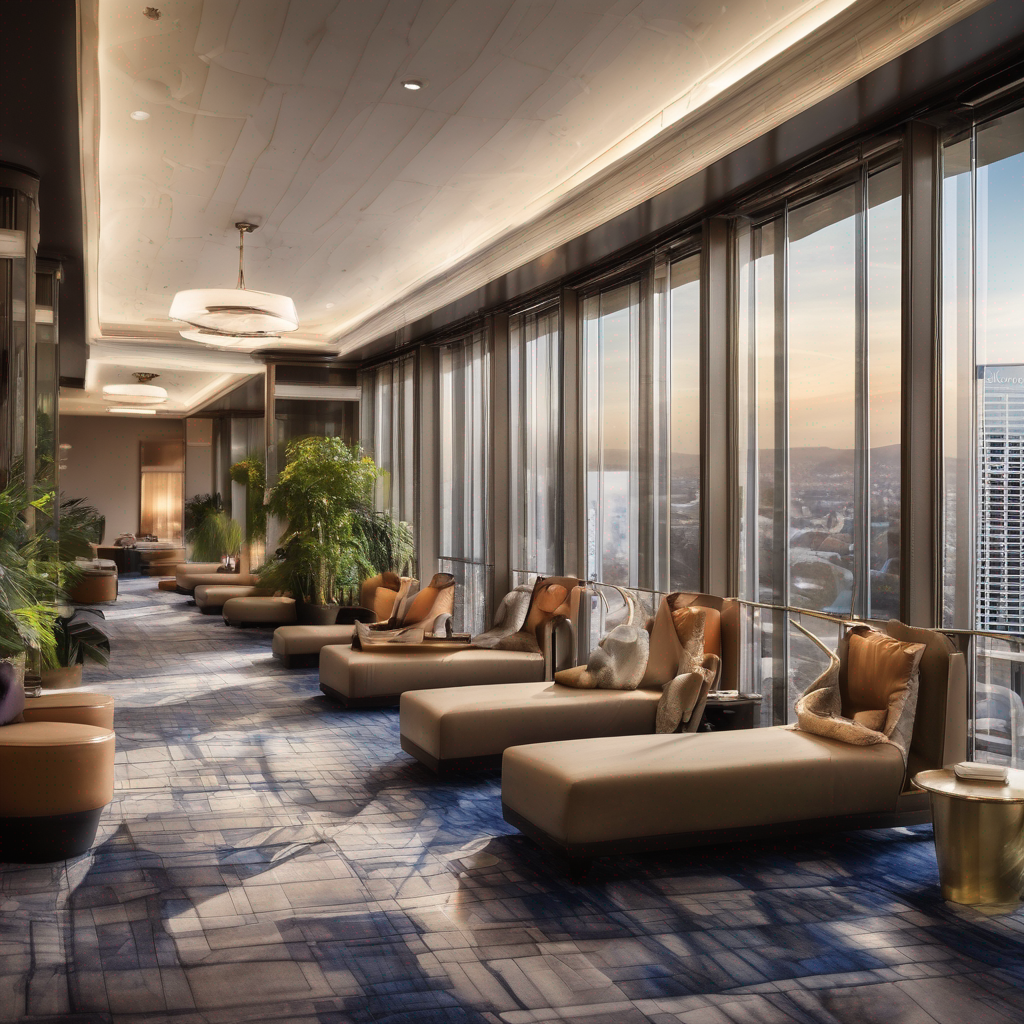
The Use of Glass in the Hotel Industry: A Fusion of Functionality and Art
In the ever-evolving realm of the hotel industry, aesthetics and functionality go hand in hand. Hotels, being sanctuaries of comfort and luxury, often strive to create spaces that enthrall guests and leave lasting impressions. One material that has steadily gained prominence in achieving this is glass. Acting as a bridge between artistic expression and practical design, glass has revolutionized how hotels approach architecture, interiors, and even branding. From enhancing visual appeal to improving functionality and sustainability, the use of glass in the hotel industry is a fascinating journey worth exploring.
The Aesthetic Appeal of Glass in Hotel Architecture and Design
Perhaps the most compelling reason behind the widespread use of glass in the hotel industry lies in its inherent beauty. Glass seamlessly blends sophistication with modernity, adding an air of elegance to any setting. Whether it’s a glistening chandelier in the lobby or expansive glass windows that frame awe-inspiring views, glass elevates the visual appeal of hotel spaces.
One of the most significant trends in modern hotel design is the incorporation of floor-to-ceiling glass windows in guest rooms. This design choice isn’t just about aesthetics; it’s about creating an immersive experience for the guest. Picture waking up to a panoramic skyline or tropical beach views – these moments are made possible only through the strategic use of glass. Such views quickly become Instagram-worthy, encouraging your guests to share their experience and, in turn, boost your hotel’s visibility and attractiveness.
Moreover, glass is increasingly being used to craft stunning art installations in hotels. An artistically designed glass sculpture or an intricate stained-glass feature can serve as a focal point within lobbies, bars, or even outdoor spaces, setting the tone for a memorable stay. The use of art and glass in interior design reflects the growing trend of hotels doubling as galleries, where guests can admire the fusion of creativity and craftsmanship.
Transforming Spaces with Glass Walls and Partitions
The versatile nature of glass allows it to be used not just as a decorative material but also as a space-dividing solution. Glass walls, partitions, and dividers are now commonly found in hotels worldwide, transforming spaces into functional yet open environments.
Take hotel lobbies, for instance. By incorporating glass walls, hotels can separate areas like concierge services, lounge areas, or cafe spaces without obstructing the visual flow. This creates an open, airy atmosphere while defining zones for different purposes. Hotels with conference and event spaces also benefit from soundproof glass partitions, which allow natural light to filter into the space while maintaining privacy and reducing noise.
Frosted or tinted glass opens up even more possibilities. Used in guest bathrooms, it offers a clever balance of privacy and openness, a design feature increasingly favored by premium hotel brands. Frosted or colored glass doors can also be used within spa and wellness facilities, creating a serene and sophisticated ambiance.
Sustainable and Energy-Efficient Design with Glass
As global awareness about sustainability grows, hotels are exploring materials and designs that can minimize environmental impact. Glass, when used cleverly, plays a pivotal role in creating sustainable and energy-efficient spaces.
Innovative technologies such as low-emissivity (low-E) glass allow hotels to improve energy efficiency by reducing heat transfer. For properties based in hotter climates, this translates to lower air conditioning costs without compromising on abundant natural daylight. Similarly, thermally-insulated or double-glazed windows are becoming a norm in colder regions, where they help maintain indoor warmth, reducing heating costs.
One cannot ignore how natural light impacts a guest’s mood and experience. Large glass windows, skylights, and atriums bring in sunlight to brighten spaces naturally, reducing the reliance on artificial lighting during the daytime. Many modern hotels are now designed with vast open spaces illuminated by natural light, making their interiors not just more energy-efficient but also more inviting.
The Role of Glass in Wellness and Relaxation Spaces
Wellness and relaxation are now key pillars of hotel operations. Guests often look for properties that go beyond offering basic amenities, prioritizing spaces where they can unwind and indulge in self-care. Glass plays a significant role in creating these serene environments.
In spa areas, steam rooms, yoga studios, and swimming pools, glass is used extensively to create a balance of tranquility and luxury. From frameless glass shower enclosures to glass-walled saunas overlooking expansive landscapes, these elements contribute to a holistic wellness experience.
Glass can also enhance outdoor pool areas by adding seamless glass railings instead of traditional fences. These transparent structures maintain safety without obstructing the view, creating an uninterrupted connection between the pool deck and its surrounding natural beauty.
For example, an infinity pool with glass partitions can make guests feel as though they’re floating in the sky or extending into a lush forest. These jaw-dropping visuals combine luxury and escapism, an experience that modern travelers value deeply.
The Future of Glass in Hotel Design
As hospitality trends continue to evolve, the role of glass in hotel design is expected to expand. The integration of smart glass technology is a notable innovation. This advanced glass can shift from transparent to opaque with the flick of a switch, offering unparalleled flexibility in multi-purpose spaces. Imagine guest rooms where the bathroom has a transparent glass wall that can instantly become frosted for privacy – futuristic and functional.
Furthermore, many hotels are exploring the artistic potential of glass by collaborating with glass artisans to create site-specific installations. These unique artworks reflect the hotel’s location, culture, and theme, enhancing the guest experience while championing the craftsmanship behind glass art pieces. If you’re seeking inspiration for integrating art and glass in your hotel designs, Glassy offers innovative ideas and exquisite craftsmanship to help bring your creative vision to life.
Conclusion
The use of glass in the hotel industry transcends simple architectural functionality; it represents a perfect marriage of art and practicality. From offering breathtaking views and redefining spaces to making a strong statement about sustainability and design, glass has a transformative impact on guest experiences.
As hotels continue to push the boundaries of innovation and design, glass will remain a key material that effortlessly blends luxury, artistry, and efficiency. Whether you’re a designer, hotel owner, or simply someone who appreciates inspired spaces, the creative applications of glass in hospitality design are undeniably captivating. To explore more about how glass can elevate interiors or exteriors with a touch of artistry, visit Glassy for exceptional solutions tailored to your needs.
By leveraging the timeless elegance and versatility of glass, hotels don’t just create stunning spaces; they craft experiences that linger long after a guest’s stay. After all, art and design are what turn a hotel into a destination. # The Use of Glass in the Hotel Industry: Merging Style, Functionality, and Art
In the world of hospitality, first impressions matter more than ever. When guests step into a hotel, they’re not just seeking a place to sleep—they’re searching for experiences, ambiance, and design that captivate the senses. Among the many design elements used to craft such luxurious and inviting spaces, glass has emerged as a game-changer in the hotel industry. Its versatility allows architects and designers to merge form and function seamlessly, creating spaces that are not only visually stunning but also practical.
From grand facades to intricate interior details, the use of glass is revolutionizing how hotels deliver comfort, elegance, and modernity to guests. Let’s explore the growing role of glass in hotel design, its diverse applications, and how it serves as the perfect medium for art and aesthetics.
Glass: A Symbol of Modern Elegance in Hotels
One of the reasons glass is so prominent in modern hotel design is its innate ability to blend luxury with functionality. Thanks to its unrivaled transparency and ability to reflect light, glass opens up spaces, making them feel airy, spacious, and welcoming.
Hotels today cater to diverse architectural narratives, from urban minimalism to lavish opulence, and glass plays a pivotal role in fulfilling these design ambitions. In grand city hotels, you’ll often find floor-to-ceiling glass windows offering sweeping views of skylines. Meanwhile, in beachfront boutique resorts, massive sliding glass doors blur the boundaries between indoor and outdoor living, essentially inviting nature inside.
The reflective and transparent qualities of glass can also help redefine luxury. When applied in lobbies, lounges, or restaurants, glass adds an instant layer of sophistication that appeals to modern travelers who value both aesthetics and comfort.
Applications of Glass in Hotels: More Than Just Windows
While windows and glass facades are perhaps the most obvious uses of this material, the true magic lies in its diverse applications across hotel interiors and exteriors. Here are some clever ways glass is being embraced:
1. Architectural Facades
The rise of contemporary hotels has heralded the use of glass-fronted structures that exude a futuristic, artistic charm. Iconic hotels like the Marina Bay Sands in Singapore and The Shard in London utilize glass to define their external appearance, creating landmarks that stand out on global maps.
Glass facades aren’t just about aesthetics, though. Energy-efficient double or triple glazing systems help regulate indoor temperatures, making them an eco-friendly choice for sustainable hotels. By reflecting light while still letting it in, they reduce the need for excessive artificial lighting.
2. Interior Partitions
Gone are the days of opaque walls separating spaces. Today, hotels are leveraging glass partitions to create open-concept spaces that feel both sleek and spacious. These glass interiors, frosted or tinted for privacy, create an effective balance between exclusivity and openness.
For instance, a spa within a luxury hotel might use frosted or etched glass walls to maintain privacy while letting in soft, natural light, creating a serene, rejuvenating atmosphere. Similarly, using decorative glass panels in meeting rooms or suites can imbue even corporate spaces with a touch of artful elegance.
3. Shower Enclosures
Walk-in showers enclosed by frameless glass doors have become a hallmark of contemporary hotel bathrooms. These sleek and minimalist designs are a staple in modern hospitality, offering a spa-like experience for guests. Additionally, glass seamlessly complements materials such as marble, natural stone, or metal, elevating the overall look of the bathroom.
4. Balustrades, Railings, and Skylights
Hotels seeking to create an upscale vibe often incorporate glass balustrades on balconies or staircases. The clear lines of these balustrades don’t obstruct the view, and they add a sense of sleek luxury. Similarly, skylights made of glass are an effective way of inviting natural light into central hotel spaces like atriums and corridors.
5. Glass Artwork and Installations
One exciting trend in the use of glass in the hotel industry is incorporating it into artistic expressions. Handcrafted glass sculptures, intricate chandeliers, or stained glass wall panels are being used as focal points to dazzle guests. These artful elements elevate the guest experience by leaving a lasting, memorable impression.
For hoteliers looking to integrate exceptional and artistic glass designs seamlessly in their properties, partnering with industry experts such as Glassy can spark truly unique and custom creations tailored to their vision.
Glass as a Medium for Art and Creativity
Glass, in its purest form, is already a work of art. Its transparency, fluidity, and ability to capture and reflect light make it an ideal medium for creative expression. In the hotel industry, designers are increasingly using artistic glass installations to create a sensory experience for guests.
Some common art-inspired uses of glass in hotels include:
- Decorative Walls & Partitions: Etched, painted, or stained glass walls double as artistic masterpieces while maintaining their functional roles.
- Custom Glass Sculptures & Installations: These elements can transform lobbies and lounges into captivating spaces.
- Backlit Glass Features: Whether it’s the bar counter, reception desk, or wall panels, backlit glass creates a striking visual statement.
As more travelers appreciate aesthetics and story-driven spaces, incorporating custom glass with an artistic edge can elevate not just the hotel’s reputation but also its enduring legacy in the hospitality industry.
For inspiration or state-of-the-art decorative glass, designers can explore unique offerings from Glassy, where creativity and craftsmanship meet to redefine architectural beauty.
Sustainability and Performance: The Future of Glass in Hospitality
Not only is glass a marvel in terms of aesthetics and design, but it’s also becoming a critical player in advancing sustainable hotel architecture. Modern advancements in glass technology, like low-emissivity (Low-E) coatings, allow for superior insulation and natural light optimization. Coupled with solar control glass, hotels can lower energy consumption substantially.
Glass also complements biophilic design principles, which are gaining traction in the industry. With expansive windows and skylights, architects can connect guests with the outside world, appealing to travelers who seek an immersive and rejuvenating stay.
Conclusion: Transforming Hotels with Glass
The use of glass in the hotel industry is much more than a design trend—it’s a pillar of modern architectural and interior excellence. From grand exteriors to the finest luxurious details, glass has the ability to reflect sophistication, unite spaces, and bring art to life. Its seamless integration of style, sustainability, and functionality makes it an irreplaceable element in the creation of world-class hospitality environments.
As hotels continue to innovate, the role of glass will only expand, enabling designers to craft truly awe-inspiring spaces that leave guests talking long after their stay. And for those looking to push the creative boundaries of glass to enhance their hotel spaces, companies like Glassy are at the forefront of delivering visionary glass solutions that marry art with practicality.
With its shining versatility, glass isn’t just shaping the buildings of today—it’s forging the future of hospitality design.